
By: Chiara Accardi
In the competitive world of interior design, few can boast the unique blend of Germanic precision and French elegance that Nathalie Ludwig brings to her projects. With a refined eye for detail and a passion for beauty, Nathalie has established herself as a force to be reckoned with in the design industry. Her work seamlessly combines the disciplined approach of her German heritage with the effortless sophistication of French style, resulting in interiors that are both elegant and comfortable.
Nathalie’s double culture, Franco-German background, allows her to communicate effectively with a diverse clientele. Her ability to understand and cater to the nuanced preferences of her clients sets her apart. Whether working on a contemporary apartment in Paris or a classic villa in the countryside, Nathalie’s designs reflect her commitment to creating spaces that are not only aesthetically pleasing but also deeply personal and functional.

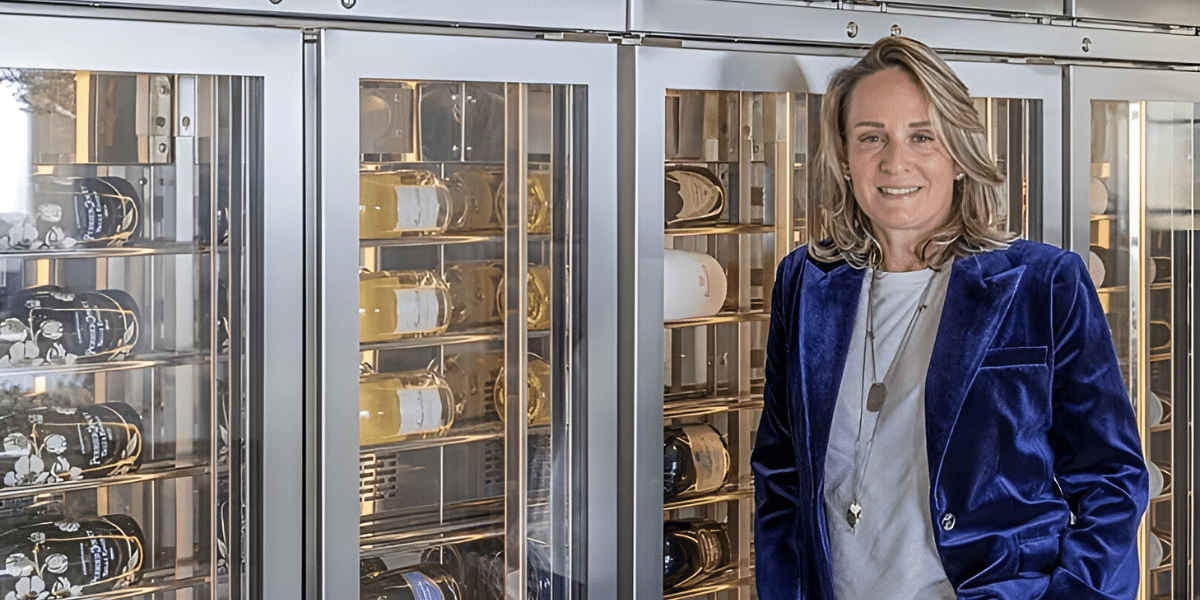
Photo Courtesy: Nathalie Ludwig
At the heart of Nathalie’s approach is a dedication to craftsmanship and quality. Her projects are characterized by meticulous attention to detail and a harmonious balance of form and function. Nathalie’s Instagram account, @nathalie_ludwig_interiors, offers a glimpse into her design philosophy and showcases a portfolio that spans a variety of styles and influences. To gain deeper insights into Nathalie Ludwig’s unique vision and the principles that drive her work, we will be interviewing her. Join us as we explore the artistry and meticulous craftsmanship that define her contributions to the world of interior design.
The selection of materials and furniture is crucial in creating the desired look and feel of a space. How do you approach this process, and what criteria do you use to make these choices? How do these elements contribute to the overall aesthetic and functionality of your designs?
Every home has its own unique story, and so does every client. My approach to selecting materials and furniture is deeply rooted in understanding this narrative. I tailor each choice to suit the specific use, style, and history of the space, ensuring that every element not only enhances the aesthetic but also contributes to the functionality of the environment. I pay close attention to the textures, colors, and finishes, always considering how they interact with the natural light and the overall atmosphere. This thoughtful curation allows me to create spaces that are not just visually appealing but also deeply personal, reflecting the individual character of both the home and its inhabitants.
Custom-designed or bespoke furniture can significantly enhance the uniqueness of an interior space. Can you talk about your experience with creating such pieces, and how this practice adds a personalized touch to your projects?
I have a deep passion for carpentry and stonework, which has naturally led me to create timeless, custom-built furniture that not only complements the overall design but also adds a distinctive, personal touch to each project. Working closely with skilled artisans, I ensure that every piece is crafted with precision and care, from the initial concept to the final product. This process allows me to bring my clients’ visions to life in a way that mass-produced furniture simply cannot achieve. The result is furniture that not only fits perfectly within the space but also tells a story, adding layers of meaning and personality to the interior.
Art and photography can play a vital role in interior design. How do you incorporate these elements into your projects, and what impact do they have on creating a cohesive and engaging living environment? How does your understanding of the art of living influence your design choices?
Art is an integral part of the overall concept, and its selection is a process I approach with great care. However, I believe that art is highly personal, and it must resonate deeply with those who live with it. That’s why I prefer to select art and photography in collaboration with my clients. This ensures that each piece we choose not only enhances the design but also reflects their tastes and emotions. The art of living is about creating spaces that feel authentic and alive, where every detail, including the art, contributes to a cohesive and engaging environment. By weaving in these personal touches, the space becomes more than just a visual experience; it becomes a reflection of the client’s journey and lifestyle.
Every career has its challenges. Can you share some of the significant obstacles you have encountered in your journey as an interior designer? How did you address and overcome these challenges, and what lessons did you learn from them?
With the rapid advancement of new technologies like the Internet, clients today have access to vast amounts of information, which can sometimes lead to challenges. They may change their minds frequently or compare prices online, which can complicate the design process. To address these issues, I’ve learned the importance of building strong, trusting relationships with my clients. By establishing clear communication and setting expectations early on, I help them navigate the overwhelming amount of information available, guiding them with confidence through the decision-making process. This approach not only prevents potential disruptions but also ensures a smooth and enjoyable journey for both the client and myself. The key lesson here is that confidence and trust are essential in maintaining the integrity of the design while meeting the client’s needs.
Balancing a client’s vision with your own design style can be challenging. How do you navigate this process to ensure that each project authentically represents the client’s desires while also incorporating your unique touch?
I truly love interacting with people and listening to their stories, which is a fundamental part of my design process. By deeply understanding my clients’ desires and dreams, I’m able to create spaces that are not only a reflection of their vision but also infused with my own unique touch. The process becomes a collaborative journey, where my expertise in design meets their personal taste, resulting in a harmonious blend of both. This approach makes the entire process more engaging and fulfilling, as it allows me to bring out the best of both worlds—honoring the client’s vision while subtly introducing elements of my own style that enhance and elevate the final outcome.
In a constantly evolving field, staying inspired and innovative is crucial. What are some strategies or practices you use to keep your creativity flowing and to stay ahead of trends in the interior design industry?
I am constantly inspired by the world around me, particularly through traveling and exploring different cultures. This exposure to diverse environments and design philosophies fuels my creativity and helps me stay ahead of trends in the interior design industry. Each week, I dedicate time to reading extensively across a wide range of decorating and fashion magazines, which allows me to keep up with the latest developments and ideas. By continuously expanding my knowledge and staying curious, I’m able to infuse my work with fresh perspectives and innovative solutions that resonate with the evolving tastes and needs of my clients.
Looking ahead, how do you see the field of interior design evolving, especially concerning the integration of technical precision with artistic creativity? What trends do you foresee, and how do you plan to adapt and incorporate these trends into your work?
I believe AI and technology will continue to evolve significantly, providing tools that allow us to demonstrate design changes almost instantly, which will be incredibly valuable in client presentations and project planning. However, no matter how advanced these technologies become, they will never replace the human touch and sensitivity that are essential to truly great design. The future of interior design will likely see a seamless integration of technical precision with artistic creativity, where technology enhances, rather than replaces, the designer’s intuition and emotional connection to the space. I plan to embrace these advancements while always keeping the human element at the forefront of my work, ensuring that every project remains deeply personal and artistically driven.
Published by: Holy Minoza