
Conserving water is always going to be a smart idea. Not only is drinkable water a finite and valuable resource, but it’s also not free. The less water a house uses, the less money needs to go towards utility bills.
The good news is that if the goal is saving water, there is no end to the number of tools and methods that can be used to achieve that goal. Here are some tried-and-tested ideas that can be implemented when designing a water-efficient home.
1. Install Low-Flow Fixtures
One of the simplest and effective ways to reduce water consumption is using low-flow fixtures. These include showerheads, faucets, and toilets designed to use significantly less water than traditional ones.
Low-flow showerheads, for instance, can cut water use by up to 50% without compromising water pressure. Similarly, low-flow toilets use about 1.28 gallons per flush compared to the standard 1.6 gallons.
Over time, these savings add up, making a substantial difference in water usage and environmental impact. In the US, these water-efficient solutions are often marked with the WaterSense label, which indicates that they meet EPA standards for water efficiency.
2. Harvest Rainwater
Rainwater harvesting is an ancient practice that’s making a comeback in modern, eco-friendly homes. Once captured, rainwater can be stored and used for various applications, including irrigation, toilet flushing, cleaning, and even laundry.
You can start with a basic setup like a rain barrel connected to your downspout, or go all out with a more sophisticated system that includes pumps and filtration. There are plenty of options out there.
3. Set Up a Greywater Recycling System
Gray water is the relatively clean wastewater from baths, sinks, washing machines, and other kitchen appliances. Instead of letting this water go down the drain, you can set up a greywater recycling system to reuse it for various non-drinkable applications.
A greywater system can be as simple as diverting water from your washing machine to your garden or as complex as installing an integrated system with filters and pumps. Just like with rainwater, making the most out of graywater lets you rely less on the municipal supply. All while also helping the environment.
4. Install a Smart Water Meter
Smart water meters provide real-time data on your water usage, helping you identify patterns and detect leaks early. These meters can be installed on your main water line and connected to your smartphone or home automation system.
These are convenient little devices. Using one, you can monitor your water consumption, set usage alerts, receive notifications if there’s an unusual spike, and more. This information allows you to address issues quickly, preventing water waste and potentially costly damage.
5. Use Leak Detectors
Water leaks can account for a significant portion of household water waste. Leak detectors will help you catch leaks early before they cause major damage or waste large amounts of water. These devices can be placed in areas prone to leaks, such as under sinks, near water heaters, and behind appliances.
It’s worth keeping an eye even on a minor leak. Not only does the water waste cost money, but the increased humidity can cause issues like mold and rot. Additionally, leaks can be an indication of deeper problems.
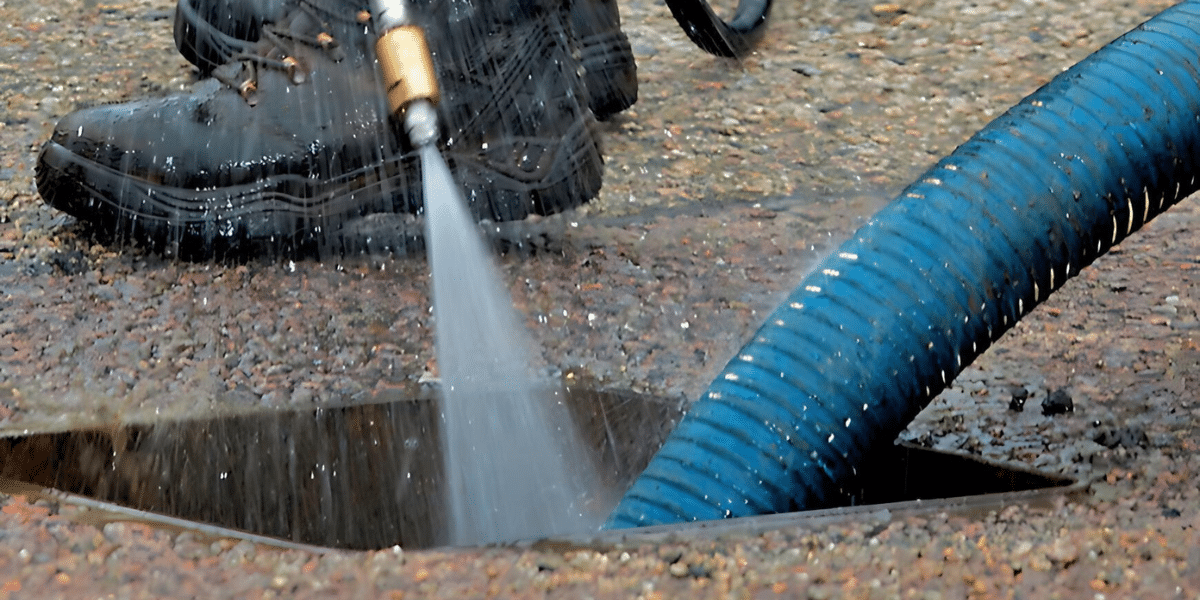
Everything from old pipes or even a partial clog can cause a leak, so learning about them early will tell you when to hire professionals to look at the issue. There are plenty of Loveland drain cleaning services out there, as this website shows.
Some leak detectors come with smart technology, allowing them to send alerts to your phone if they detect moisture. You can even set some of them up to automatically shut off the water supply if they detect a leak. Great option if you often stay out of the house for long periods.
Published by: Martin De Juan