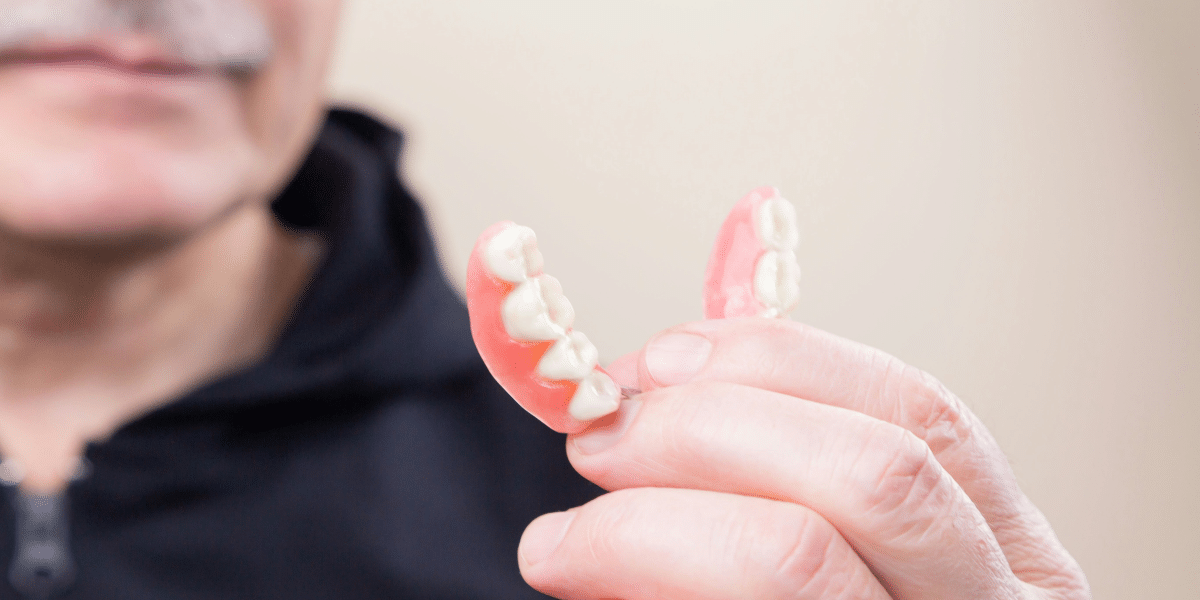

Explore the pros and cons of flexible partial dentures. Understand their benefits and limitations to make an informed decision about your dental health.
Have you ever wondered if flexible partial dentures might be right for you?
These dentures are an option for people who are missing some teeth but not all of them. Unlike traditional dentures, they are made from flexible materials that can bend and move more naturally in your mouth. However, there are both benefits and drawbacks to consider.
This guide will explore the pros and cons to help you make an informed decision.
Pros
Flexible partial dentures offer several advantages that make them a popular choice. They are lightweight, comfortable, and can provide a more natural look and feel than traditional dentures. This article dives into these benefits to understand why they might be right for you.
Comfort
Flexible partial dentures stand out because of their superior comfort. They fit snugly against your gums without causing sore spots, which is crucial for good oral healthcare. The flexible material allows for natural movement while speaking and chewing.
Since they are lightweight and adapt to the shape of your mouth, you’ll barely notice you’re wearing them. This can significantly improve your overall dental experience.
Aesthetic
Flexible partial dentures enhance your smile by closely mimicking your natural teeth. These dental prosthetics blend seamlessly with your gums, making them less noticeable than traditional dentures.
They come in various shades to match your existing teeth, ensuring a cohesive look. The flexibility also allows for a precise fit, giving you confidence in your appearance. Overall, they offer a discreet and effective solution for dental prosthetics.
Ease of Use
Flexible partial dentures are easy to use daily. You can insert and remove them without hassle, making cleaning simple and quick. Regular upkeep is essential for oral health, and these dentures make it easy.
See a dentist near you if you have any questions or need adjustments. They can offer tips and ensure your dentures fit perfectly, keeping your smile bright and healthy.
Cons
Flexible partial dentures also come with some drawbacks you should be aware of. These include potential issues with durability, cost, and proper fit over time. Understanding these cons can help you weigh your options more effectively.
Durability
Flexible partial dentures are less durable than traditional ones. The flexible material can wear out faster and might require more frequent replacement. They can also break if handled roughly.
Regular dental check-ups can help spot issues early. If durability concerns you, discuss alternative options with your dentist to find the right solution for your needs.
Staining
Flexible partial dentures can stain more quickly than other types. Foods and drinks like coffee, tea, and red wine can leave marks. Smoking can also cause discoloration.
To keep your dentures looking good, clean them daily and avoid stain-causing items when possible. If stains do appear, visit your dentist for professional cleaning and advice.
Cost
Flexible partial dentures can be more expensive than traditional dentures. The materials and custom fitting add to the cost, and insurance might not cover all expenses.
Discuss pricing with your dentist to understand the total cost and payment options. Investing in quality dentures could save you money on future adjustments and replacements.
Are Flexible Partial Dentures Right for You?
Flexible partial dentures can be an excellent choice for comfort and a natural look. They are easy to use and enhance your smile but may cost more and stain easily.
Weigh these pros and cons to decide if flexible partial dentures suit you. Discuss your options with a dentist to ensure they fit your needs and support your oral health.
Disclaimer: The information provided in this article is for general informational purposes only and is not intended as medical advice. Readers should consult a qualified healthcare professional before making any health-related decisions. The contents of this article should not be used as a substitute for professional medical advice, diagnosis, or treatment.
Published by: Khy Talara