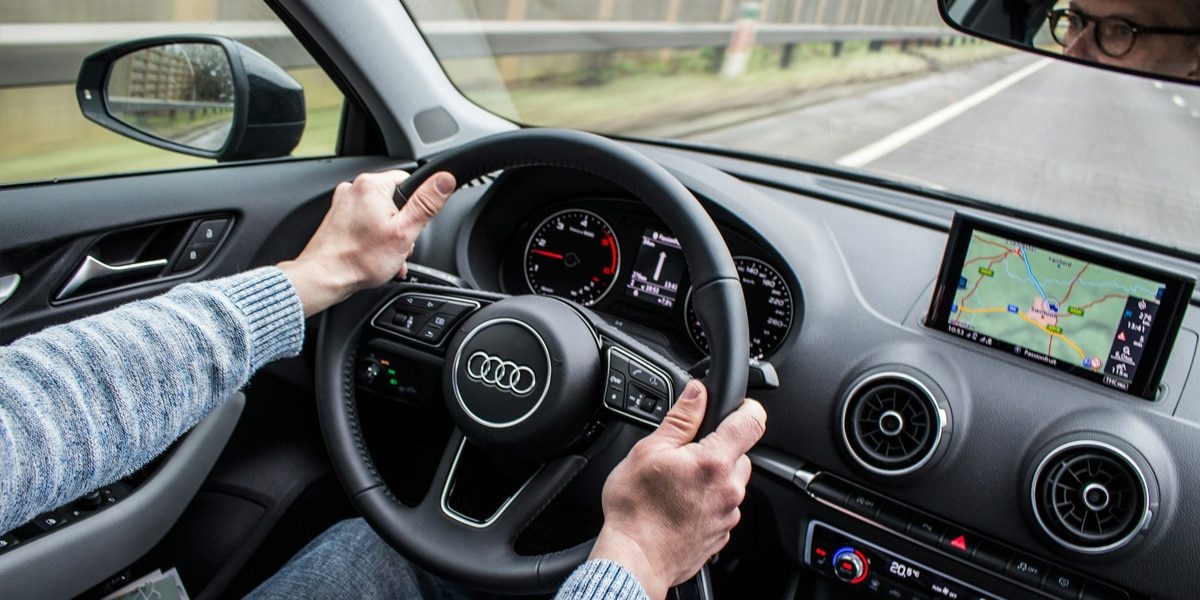

In our ever-evolving technological landscape, the integration of cutting-edge advancements has permeated nearly every facet of our lives, including the way we navigate the open road. With the proliferation of features such as lane departure warnings, adaptive cruise control, and autonomous driving systems, the question arises: Is technology making driving safer or more dangerous?
Proponents of Safer Driving
On one hand, proponents argue that technological innovations have significantly enhanced road safety. Features like automatic emergency braking (AEB) can mitigate collisions by applying the brakes when an imminent collision is detected, potentially saving countless lives. Similarly, lane-keeping assistance systems help prevent accidents caused by drifting out of lanes, reducing the risk of head-on collisions and side-swiping accidents.
Empowering Vehicles with ADAS
Moreover, the advent of advanced driver assistance systems (ADAS) has empowered vehicles to become smarter and more responsive than ever before. These systems leverage sensors, cameras, and artificial intelligence algorithms to anticipate potential hazards and assist drivers in avoiding accidents. For instance, forward collision warning systems alert drivers to potential collisions with vehicles ahead, providing crucial seconds for evasive action. While these can be helpful, the accident attorneys in South Jersey note that they have also greatly complicated car accident litigation.
Promise of V2V and V2I Communication
In addition to collision avoidance technologies, advancements in vehicle-to-vehicle (V2V) and vehicle-to-infrastructure (V2I) communication hold promise for revolutionizing road safety. By enabling vehicles to communicate with one another and with traffic infrastructure, such as traffic lights and road signs, these technologies can enhance situational awareness and reduce the likelihood of accidents caused by human error.
Environmental Benefits of Electric Vehicles
Furthermore, the rise of electric and hybrid vehicles has led to a decrease in harmful emissions, contributing to cleaner air and a healthier environment. As governments worldwide implement stricter emissions standards, the transition to electric vehicles driven by technological innovation offers a tangible solution to mitigate the adverse effects of climate change and air pollution.
Concerns and Challenges
Despite these compelling arguments, skeptics raise valid concerns about the potential downsides of relying too heavily on technology while driving. One prominent issue is the phenomenon of “automation complacency,” whereby drivers become overly reliant on automation and disengage from the driving task. This complacency can lead to slower reaction times and diminished situational awareness, ultimately increasing the risk of accidents.
Complexity and Cybersecurity Risks
Complexities of modern vehicle systems can pose challenges for both drivers and technicians. As vehicles become more interconnected and reliant on intricate software algorithms, the potential for software glitches, cyberattacks, and system malfunctions also increases. A single software bug or cyber intrusion could compromise the safety of an entire fleet of vehicles, highlighting the need for robust cybersecurity measures and stringent testing protocols.
Ethical Dilemmas in Autonomous Driving
Another concern is the ethical dilemmas inherent in autonomous driving technology. As self-driving cars encounter real-world scenarios where accidents are unavoidable, they must make split-second decisions based on predefined algorithms. These decisions often involve complex moral judgments, such as choosing between protecting the occupants of the vehicle or minimizing harm to pedestrians and other road users. Resolving these ethical dilemmas requires careful consideration of societal values and priorities, raising questions about the ethical implications of autonomous vehicles.
Addressing Accessibility and Equity
The digital divide presents a significant barrier to equitable access to safety-enhancing technologies. While affluent consumers may have access to the latest vehicles equipped with advanced safety features, lower-income individuals may be driving older vehicles with limited safety capabilities. Addressing this disparity requires concerted efforts to ensure that safety technologies are accessible and affordable for all road users, regardless of socioeconomic status.
The intersection of technology and driving safety presents both opportunities and challenges. While technological innovations hold the potential to significantly reduce accidents and save lives, they also raise concerns about automation complacency, cybersecurity vulnerabilities, ethical dilemmas, and the digital divide. Moving forward, stakeholders must collaborate to harness the benefits of technology while mitigating its potential risks, ultimately striving towards a future where technology enhances rather than undermines road safety for all.
Published by: Martin De Juan