
Image commercially licensed from Unsplash
Car accidents, unfortunately, are common incidents with a profound impact on individuals and families. From minor fender benders to severe collisions, the aftermath can be overwhelming. Navigating the road to recovery involves physical healing and understanding the available options.
In this article, we’ll explore the paths individuals can take after a car accident.
Immediate Actions at the Scene
Immediately following a car accident, the initial steps are crucial for personal safety and legal considerations. Ensuring the safety of everyone involved is crucial, involving relocating to a safe location, checking for injuries, and calling emergency services if necessary. Even if you only have minor injuries, you will only know the severity if you undergo a thorough medical examination.
Additionally, exchanging information with the other parties involved and documenting the scene through photographs can be vital for insurance claims and legal proceedings.
Seeking Medical Attention
Even if injuries seem minor initially, it is essential to seek medical attention promptly. Some injuries usually don’t manifest symptoms right away. Prompt medical attention not only aids in a quicker recovery but also strengthens any potential personal injury claims.
Medical intervention requires a collaborative effort. If you have serious injuries, a neurologist, orthopedist, and other health professionals will work together to create a personalized treatment plan for you.
Contacting Law Enforcement and Insurance Companies
Reporting the accident to law enforcement is usually a legal requirement. The police report is a vital documentation for insurance claims and legal actions. Simultaneously, notifying your insurance company is essential to initiate the claims process. Be prepared to provide accurate and detailed information about the accident.
Understanding Insurance Coverage
Knowing the extent of your insurance coverage is crucial for determining your financial responsibilities after a car accident. Different policies may cover medical expenses, property damage, and even lost wages. Understanding your coverage paves the way to making more informed decisions about seeking compensation and managing potential out-of-pocket costs.
Knowing Your Legal Options
If injuries result from the accident, exploring legal options is crucial. Seeking personal injury claims against the at-fault party is intended to secure compensation for medical bills, lost wages, and pain and suffering. Engaging a personal injury attorney can aid in assessing your case’s strength and guiding you through the legal process.
Addressing vehicle damage is a common aspect of recovery following a car accident. Depending on the circumstances, initiating a property damage claim with the at-fault driver’s insurance company or your own can help cover the costs of repairs or replacement. Be sure to obtain repair estimates and document the damage thoroughly.
Understanding your rights and responsibilities throughout the recovery process is empowering. This involves understanding the statute of limitations for filing legal claims, being aware of obligations to insurance companies, and staying informed about the progress of any legal proceedings. Knowledge is a powerful tool for ensuring a smooth recovery journey.
Utilizing Disability and Lost Wages Benefits
If the injuries you sustained in the car accident result in a temporary or permanent disability, disability benefits may be available. Additionally, lost wages benefits provided through insurance policies or other sources can help alleviate financial strain during recovery. You can also approach your community social services to check available disability benefits.
Emotional Support and Counseling
Recovering from a road accident involves more than physical healing. Emotional trauma can be just as impactful. Seeking emotional support from friends, family, or professional counselors can aid in the healing process. Addressing emotional distress is crucial to overall well-being and is vital for recovery.
Undergoing Rehabilitation and Physical Therapy
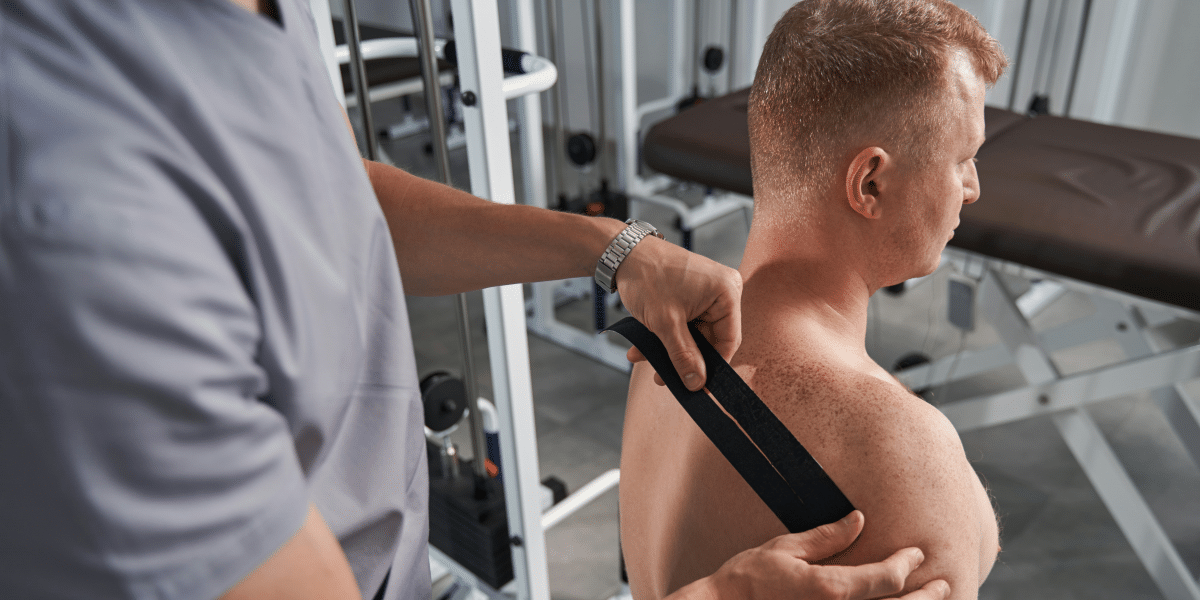
Following injuries necessitating rehabilitation or physical therapy, adhering to a prescribed treatment plan becomes crucial. Rehabilitation helps restore physical function and mobility, allowing individuals to regain independence, while physical therapy can address various issues, spanning from musculoskeletal injuries to neurological complications.
Moreover, chiropractic injury care can help with faster rehabilitation and physical therapy. Chiropractors use various techniques, including spinal adjustments, mobilization, and soft tissue therapies, to alleviate pain associated with injuries. Remember that chiropractic care is valuable component of a multidisciplinary approach to injury care.
Conclusion
The path to recovery after a car accident is multifaceted, requiring immediate actions, careful planning, and informed decision-making. Whether addressing physical injuries, property damage, or emotional trauma, individuals have various options to contemplate. Seeking medical attention, understanding insurance coverage, exploring legal options, and prioritizing emotional well-being are all essential components of a comprehensive recovery strategy. Taking a proactive and informed approach helps individuals navigate the challenges following a car accident and work towards rebuilding their lives.