
By: Sheng Alferez
Every company has a box. It sits in a supply cupboard or under a desk at the back of the office, half full of conference T-shirts in sizes nobody wears, lanyards from an event two rebrands ago, and water bottles with a logo since redrawn. The box is what happens when merchandise is ordered by the thousand and handed out by the handful.
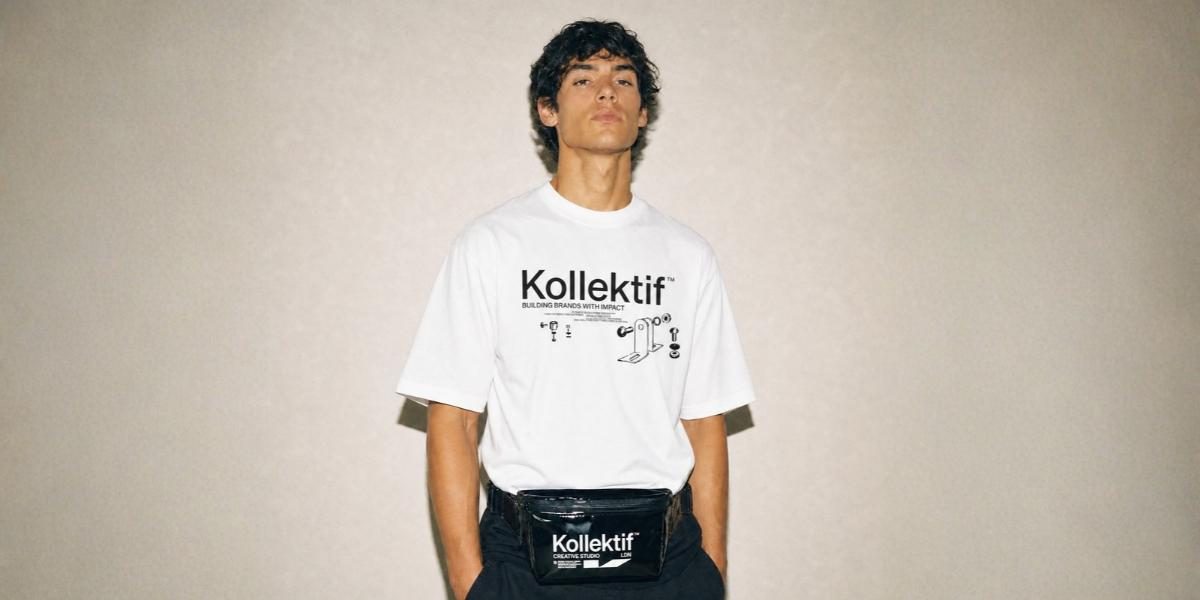
Kollektif®, the creative studio founded by Alina Jo Suedi, has built its business on the opposite instinct. The studio describes itself as a merch design studio that designs and produces official merchandise for companies and communities. Its pitch to clients comes down to a simple idea: order fewer things, design them properly, and make them good enough that people choose to keep them for a long time.
The buyers are coming around
Corporate buyers are warming to that idea. In Custom Ink’s 2026 Swag Trends Survey of more than 1,000 people who buy branded merchandise for their organizations, 67% said they only count a swag order as a success if recipients wear or use the items without being asked. Nearly half, 47.6%, said watching promotional products get thrown out pushes them toward better quality, and 45% named durability as the most important feature when choosing an item. The same buyers singled out the standard unisex cotton T-shirt as the most overdone item heading into 2026.
The waste numbers behind that shift are harder to pin down, and they vary by source. A 2023 Colorado State University news report put estimates of the US promotional products industry at $17 billion to more than $25 billion a year and cited an ING estimate that 40% of corporate gifts end up in landfill. The exact share is debatable, but the direction is not.
Kollektif’s answer starts at the design stage rather than the recycling bin. The studio says its apparel, objects, and branded goods are made through upcycled and low-waste production, and it treats merch as part of a brand’s design work rather than something added at the end of a project. In a recent post announcing that it is hiring a co-founder and CTO, the company summed up its focus since the start as “making merch that people actually want to keep: well designed, produced in the right quantities, and made to last.”
“Produced in the right quantities” is the phrase worth stopping on. Much corporate merch waste comes from overriding, because unit prices fall as volumes rise and a bigger run looks like a bargain on the invoice. A studio that tells clients to buy less is arguing against its own revenue. Kollektif is betting that companies will pay more per piece for things that never end up in the box.
From a Toronto apartment to New York
By Kollektif’s own account, the studio began as a direct-to-consumer brand run out of a Toronto apartment, selling tote bags printed with the words “slow down.” Suedi founded Kollektif Studios in 2021, according to the company’s press materials, which list offices in London, Toronto, and New York. She earned an MBA at Imperial College London and later worked at Shopify with some of the platform’s largest merchants.
New York is a telling reference point for the studio. In its “Merch Diaries” series on LinkedIn, Kollektif looked at The New York Times Store, where a paper publishing since 1851 has turned its own name into merchandise people buy on purpose. That is the standard the studio holds corporate merch to: something a recipient would pay for, not something they leave behind at a conference table.
What a CTO is for
The most revealing recent move is the hiring post itself. Kollektif says it is entering a new chapter with a fresh vision for how merch is made, ordered, produced, and given a second life, and wants a technical co-founder to build it. The tags on the listing, circular fashion among them, point to where the company thinks the problem sits. It is not only in what gets printed, but in the ordering process that decides how much gets printed, and in what happens to a hoodie once an employee leaves or a brand changes its logo.
That is a harder problem than design, and Kollektif has not said publicly what the product will look like. Software that matches order sizes to actual headcount, or that routes unused stock back into production, would address the parts of the industry that good design alone cannot fix. Whether a small studio can build it is an open question, and this hire will go a long way toward answering it.
For now, the studio’s argument is easy to test. Open the cupboard, count what is left from the last company event, and ask how much of it anyone would have missed.