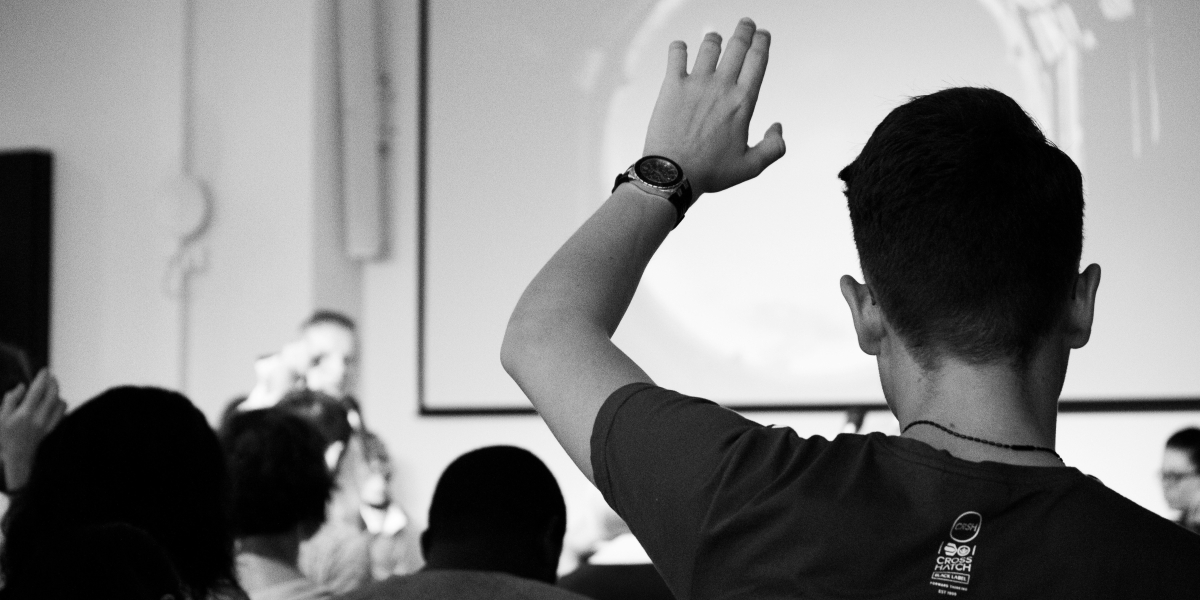
A Safe Space for Students to Feel Scared

By Edward DuCoin, Co-Founder of Orpical Technology Solutions & Professor at Montclair State University.

One of my students wrote me this at the end of last semester:
“You created a safe space for me to feel scared without judgment.”

It reads as a contradiction the first time through. A safe space in which you feel scared? But that phrase captures something the contemporary conversation about psychological safety, in classrooms and beyond, has nearly lost.

Amy Edmondson, who introduced the concept of psychological safety into organizational scholarship more than two decades ago, has spent recent years pushing back against how her term has been popularized. She never defined psychological safety as the absence of discomfort. She defined it as the shared belief that one can take an interpersonal risk; speak up, disagree, admit a mistake, without being humiliated. Discomfort and safety, in her framing, are not opposites. They are conditions that must coexist for learning to occur.

The popular conversation has flattened that idea in two opposite directions, and both are wrong.

One version, well-intentioned but often imported from human resources guidance, has reduced psychological safety to “do not make anyone uncomfortable.” Validate. Do not push. Do not put students on the spot. Anything that creates tension is presumed to harm. The underlying model is therapeutic.

The other version, usually voiced by leaders who pride themselves on candor, has rejected psychological safety as coddling. Hard feedback is good for you. Discomfort is the price of growth. If you cannot take it, you do not belong. The underlying model is pressure-testing.

In higher education, we have a version of this argument running on our own ground, in the long debate over trigger warnings, safe spaces, and the temperature of classroom discourse. The argument is usually staged as a choice: protect students or challenge them. What the staging misses is that the most useful classrooms do both at once.

I teach undergraduate business classes at Montclair State University. Every semester, in their final reflections, students tell me what about the course shaped them, especially being called on, speaking up when they weren’t sure, and receiving feedback that initially stung. The pattern across many semesters is what the public discourse keeps missing.

Students do not grow in comfort. If nothing is at stake, if a student is never asked to take a risk, if they can coast through a semester without ever being called on, they preserve the version of themselves they walked in with. A class in which no one is ever uncomfortable is a class in which no one learns.

But students do not grow under pressure alone, either. Discomfort without safety does not produce growth. It produces compliance, mediocrity, and quiet withdrawal. Students who fear being mocked do not speak. They get smaller. They learn to predict what the instructor wants and offer it back, which is the opposite of intellectual courage.

What produces growth is the combination of discomfort and the credible signal that taking a shot and missing will not be punished. A student can speak and be wrong, and the cost of being wrong is bounded. They can ask the question that exposes them. My student described a safe space to feel scared because both conditions were present at once. Scared, because something was at stake. Safe, because the consequence of failing was not humiliation.

A “safe” classroom, by that definition, is not one in which no one is ever uncomfortable. It is one in which students are willing to be uncomfortable because they trust the discomfort will not be used against them. They speak in class because they have seen their peers speak without being punished. They disagree with the instructor because they have seen the instructor change their mind. They flag confusion because the class has met confusion with engagement rather than impatience.

The students who improved the most in my classes were not the ones I made comfortable. They were the ones who told me, in their reflections, that they had been afraid of being wrong and chose to speak anyway. One student wrote that she had spoken up and “ended up being wrong” many times across the semester, but had continued because she wanted to understand the material we were working through. Same fear other students felt; different response. What changed the response was not lower stakes; it was the sense that being wrong out loud does not result in humiliation and, in fact, results in admiration.
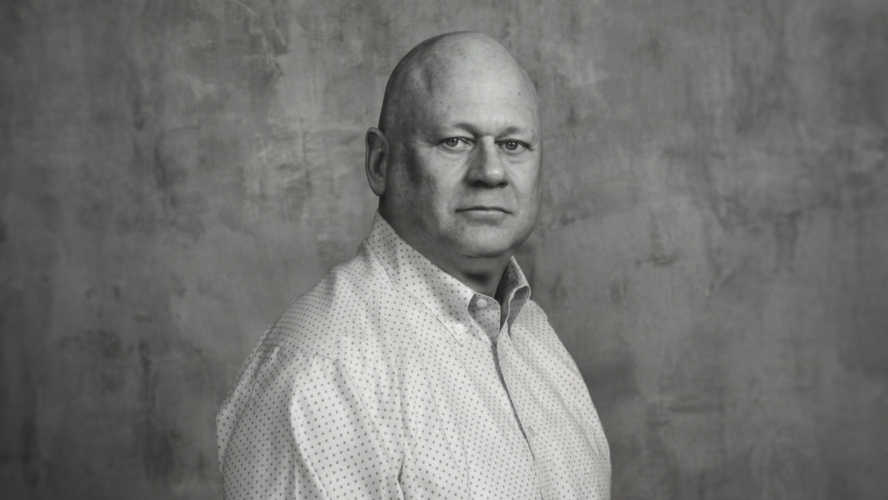
Photo Courtesy: Edward DuCoin

What It Requires From the Instructor

The hard part of safe discomfort, for anyone running a classroom, is that both halves must happen at once, and the two halves are in tension.

You must push. You must call on students who have not volunteered. You must give specific, direct feedback, the kind that does not emerge in a session designed to keep everyone comfortable. You must make it costly to coast. Without the push, safety becomes irrelevant because there is no risk to protect.

But you also must be the kind of instructor whose disapproval does not crush. That is the harder and less teachable half. You must be visibly fair. You must have a track record of not punishing students for being wrong. You must praise the risk, not only the right answer. When a student says something foolish, you cannot roll your eyes. When a student disagrees with you in front of the class, take this as a wonderful opportunity to show them that, as a teacher, you are consistently seeking new ideas. The other students are reading every signal and deciding whether the risk is, in fact, bounded.

An instructor who is good at only one half produces one of the two broken classrooms. All pushing yields a roomful of performers who say what they think the instructor wants to hear. All safety yields a roomful of students who never push themselves. The combination is harder and rarer than either piece, and it cannot be faked.

At the institutional level, higher education has drifted toward one pole or the other. Some campuses, under genuine pressure from concerns about student mental health, have absorbed the message that discomfort is a kind of harm. Others, in reaction, have absorbed the message that any accommodation of student vulnerability is academic decline. Both readings turn psychological safety into a slogan, and both produce classrooms worse than they need to be.

The middle is not a compromise between the poles. It is a different practice. It demands that we be more rigorous than the comfort school will allow and more humane than the candor school will admit. It demands that we push and be trustworthy at the same time.

It is, in short, a safe space to feel scared, which is exactly what my student named.

The conversation about psychological safety, on our campuses and elsewhere, would be more useful if it stopped treating safety as the absence of fear and started treating it as the presence of trust. Fear, in the right amount, is the engine of growth. Trust is what makes the fear survivable.

Edmondson named the condition. My student named the experience. Those of us in classrooms could stand to take both more seriously.

Edward DuCoin teaches business at Montclair State University and is co-founder of Orpical Technology Solutions. You can connect with him on LinkedIn.
Non-Surgical Treatment Options for Disc and Nerve Pain

By: Dr. Bruce Mark, DC | Hollywood Laser Pain Center | Hollywood, Florida

Non-surgical Class IV laser therapy and spinal decompression are drug-free options often considered for patients with herniated discs, sciatica, degenerative disc disease, and chronic nerve pain. These treatments are typically described as non-invasive and outpatient in nature, in contrast to spinal fusion, which generally requires 6 to 12 weeks of restricted movement followed by months of physical therapy.

Conservative disc care is generally considered most relevant before spinal fusion is performed. After fusion, the formation of scar tissue can limit the range of non-surgical approaches available. For patients weighing their options, evaluating conservative care before any irreversible procedure is often part of a thorough decision-making process.

At Hollywood Laser Pain Center on Polk Street in Hollywood, Florida, I have worked with disc and nerve pain patients across Broward County for more than 27 years. Many of those patients arrived without having been introduced to the range of conservative options that are designed to address tissue-level factors in disc and nerve pain.

What Does a Herniated Disc Actually Do to the Body?

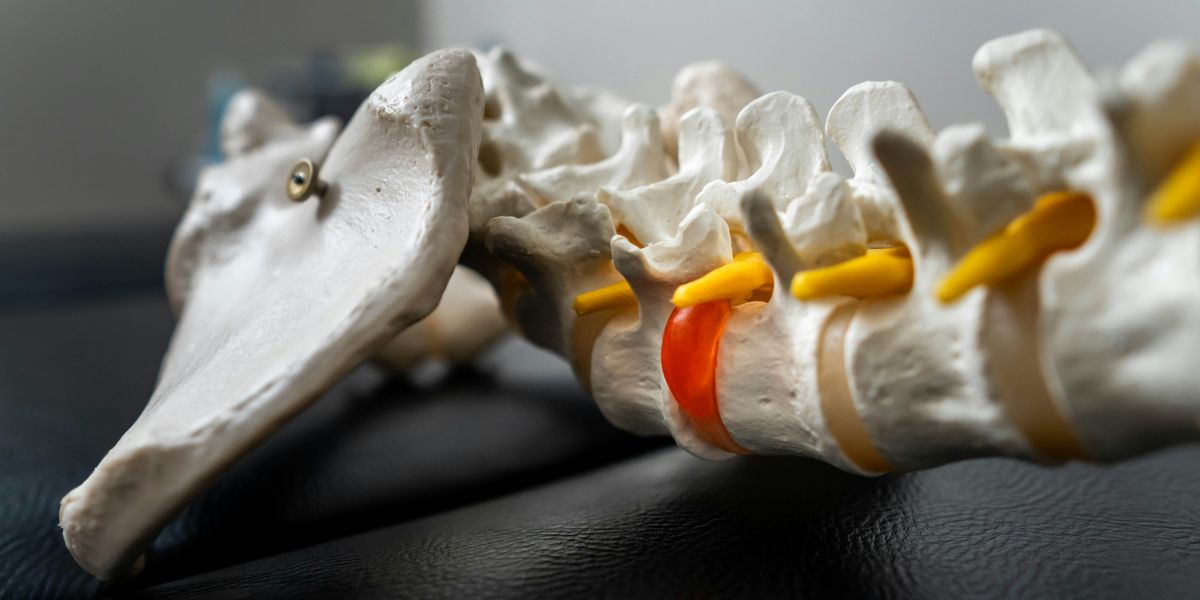
The intervertebral disc is composed of a tough outer ring, the annulus fibrosus, and a gel-like inner core called the nucleus pulposus. When the annulus weakens or cracks under repetitive stress or sudden load, the nucleus pushes through, compressing adjacent nerve roots. The result is the radiating pain, numbness, and weakness that disc patients describe as the most disruptive pain they have ever experienced.

According to the American Academy of Orthopaedic Surgeons, lumbar disc herniations are among the most common causes of low back and leg pain, with an estimated 5 to 20 cases per 1,000 adults annually. The L4-L5 and L5-S1 levels account for the vast majority of clinically significant lumbar herniations. Cervical herniations at C5-C6 and C6-C7 produce the arm pain, hand tingling, and grip weakness that are frequently misattributed to shoulder or elbow conditions.

A 2018 review in the Journal of Pain Research found that leaked nucleus pulposus material triggers a significant immune-mediated inflammatory response that amplifies nerve pain independently of mechanical compression, which is one reason rest and anti-inflammatory medications alone often produce only limited relief.

Why Are So Many Disc Patients in Hollywood Still in Pain?

The standard medical response to disc herniation (NSAIDs, muscle relaxants, physical therapy, and epidural steroid injections) addresses certain aspects of the clinical picture but does not always address all of them. A 2014 Cochrane Review found that epidural corticosteroid injections provided only modest, short-term relief for radiculopathy, with no significant benefit at 12 months.

Strengthening exercises cannot decompress a nerve root that is mechanically compressed by herniated disc material, and medications can suppress pain signals without changing the underlying disc anatomy. For many patients in Broward County who have cycled through the standard sequence without lasting resolution, structurally focused approaches are one of the options worth considering.

What Is Class IV Laser Therapy and How Does It Work at the Tissue Level?

Class IV laser therapy is an FDA-cleared treatment that uses medical-grade near-infrared laser energy. The technology is designed to deliver light energy into deeper tissue layers, including disc, nerve root, and paraspinal musculature, at depths that surface-level modalities are not designed to reach. At Hollywood Laser Pain Center, we use this technology as part of our overall approach to disc and nerve pain care.

The therapy works through photobiomodulation, a biological process in which cellular mitochondria absorb light energy and activate the body’s natural healing cascade. This process is associated with increased ATP production, reduced inflammatory cytokines, and accelerated tissue repair. A 2017 systematic review in Lasers in Medical Science confirmed that photobiomodulation produces measurable reductions in inflammatory cytokines, increases in cellular ATP production, and accelerated tissue repair in musculoskeletal conditions. The treatment itself is non-invasive. It does not involve injections or incisions, and patients typically describe only a mild warming sensation during sessions.

What Does Graston Technique Add to Disc and Nerve Pain Care?

Graston Technique (instrument-assisted soft tissue mobilization) is a clinical tool used in our practice to address paraspinal and gluteal muscular restrictions that often develop in response to disc-related pain. When a disc herniates and creates nerve compression, the surrounding musculature responds protectively: tightening, guarding, and developing areas of fascial adhesion that, if untreated, maintain the mechanical compression on the affected segment long after the initial injury.

When applied as part of a broader care plan, Graston Technique is designed to release these soft tissue restrictions and help reduce secondary compressive loading on the affected segment. This addresses a dimension of disc care that laser therapy on its own is not designed to reach.

What Does the Research Say About Non-Surgical Disc Care Outcomes?

A study published in the Journal of Physical Therapy Science found that patients receiving spinal decompression therapy showed significant improvements in pain scores and functional disability compared to controls. Research in Photomedicine and Laser Surgery has documented improvements in nerve conduction and pain reduction in patients receiving Class IV laser therapy for nerve-related pain conditions.

For patients who have not responded to conventional conservative care, and who are facing a recommendation for surgery, these published findings represent one additional pathway worth discussing with a qualified provider before any irreversible procedure is scheduled.

What Patients Should Know Before Spinal Surgery

Back surgery is irreversible. The North American Spine Society estimates that failed back surgery syndrome affects 10 to 40 percent of spinal surgery patients, producing persistent or recurrent pain that is often more complex to treat than the original condition.

Non-surgical approaches do not carry the risks specific to spinal surgery, and they tend to remain most useful before fusion has occurred. After fusion, scar tissue formation can narrow the range of conservative interventions available.

Hollywood Laser Pain Center serves patients across Hollywood, Hallandale Beach, Pembroke Pines, Miramar, Dania Beach, Fort Lauderdale, and Aventura. Every patient receives an individualized evaluation.

Visit reliefnowlaser.com/providers/hollywood/ to learn more. Watch patient education at youtube.com/@ReliefNowNation. Contact Hollywood Laser Pain Center at 2607 Polk Street, Hollywood FL 33020 | 954-925-7333.

About the Author

Dr. Bruce Mark, DC | Hollywood Laser Pain Center | 2607 Polk Street, Hollywood FL 33020 | 954-925-7333

Dr. Mark earned his Doctor of Chiropractic from Logan College of Chiropractic with honors and has practiced for more than 27 years in Hollywood, Florida. He holds certifications in Graston Technique and acupuncture and is a former collegiate football player at Wake Forest University. He practices at Broward Medical and Rehab and has served the Hollywood community for over 20 years. He is a provider in the national ReliefNow® network.

Disclaimer: The information provided in this article is for general informational purposes only and should not be construed as medical advice. Effectiveness of treatments may vary depending on individual circumstances. Consult a qualified healthcare professional to discuss your specific medical needs and treatment options.