Milano-Cortina 2026: A Winter Olympics Shaped By Innovation, Scrutiny, And Global Stakes

As the Milano-Cortina Winter Olympics 2026 open in northern Italy, the Games arrive with a rare mix of anticipation, technological ambition, logistical strain, and geopolitical symbolism. From sweeping Alpine venues to unprecedented anti-doping scrutiny and next-generation broadcast tools, this edition of the Winter Olympics is poised to redefine how the world experiences winter sport.

A Games Spread Across Mountains, Cities, And Expectations

The 2026 Winter Olympics run from February 6 to 22, bringing global attention to Milan, Cortina d’Ampezzo, and surrounding Alpine regions. Organizers have framed the event as both a sporting spectacle and a long-term national investment, though the scale of the project has introduced significant complexity.

Italy has pledged roughly €3.5 billion in infrastructure, yet many legacy tunnels, bridges, and transport links will not be finished before competition begins, highlighting the tension between Olympic timelines and long-term planning.

Transport access remains a central challenge. Limited resort entry, reservation-only parking, and incomplete cable-car connections mean that car travel may still be the fastest option for spectators, even as traffic congestion looms.

At the same time, new rail links, airport-to-city connections, and restricted Olympic traffic zones aim to manage the surge of visitors and protect competition areas during event days.

Beyond logistics, the Games highlight deeper structural questions facing winter athletics. Rising costs, warming temperatures, and concerns over unused infrastructure after the Olympics have intensified calls for a rotating system of permanent Winter Olympic hosts to reduce waste and ensure reliable conditions.

International Ski and Snowboard Federation president Johan Eliasch warned that funding delays and unusually warm weather threaten preparations, noting that snowmaking in some areas can occur only at night because daytime temperatures are too high.

Unprecedented Anti-Doping Scrutiny

Integrity has become one of the defining narratives of Milano-Cortina 2026. According to officials, more than 90 percent of athletes have been tested at least once for banned substances ahead of the Games, reflecting an intensified global effort to protect clean competition.

The stakes became tangible when Italian biathlete Rebecca Passler was excluded from the Olympics after testing positive, underscoring the zero-tolerance environment surrounding the event.

While scrutiny surrounds fairness and climate readiness, the Games are equally defined by technological ambition. Broadcasters are deploying AI-powered 360-degree replays and first-person-view drones designed to follow athletes in real time, creating what organizers describe as a deeply immersive viewing experience.

These tools promise to transform spectatorship from passive watching into near-participation, signaling a broader shift in how global sporting events will be produced in the coming decade.

Historic Firsts And Competitive Storylines

Milano-Cortina 2026 A Winter Olympics Shaped By Innovation, Scrutiny, And Global Stakes

Photo Credit: Unsplash.com

Competition itself will also deliver milestones. New disciplines and expanded events—including the history-making debut of women’s doubles luge—reflect the Olympic movement’s push toward greater inclusion and evolution within winter sport.

Meanwhile, athletes and teams are arriving across Italy as the torch relay nears completion and final preparations unfold, marking the transition from planning to performance.

Fans tracking every event can now follow a detailed day-by-day Olympic schedule, underscoring the sheer scale of competition unfolding across multiple regions simultaneously.

Milano-Cortina 2026 also intersects with global politics and digital governance. Italy has proposed a worldwide Olympic truce ahead of the Games, reviving an ancient tradition intended to pause conflict so athletes can compete in peace.

At the same time, disputes over anti-piracy enforcement and cybersecurity funding illustrate how modern Olympics extend far beyond sport into law, technology, and international diplomacy.

Ceremony, Culture, And Legacy

The cultural dimension culminates on February 22 at Verona’s historic Arena, where the closing ceremony—titled Beauty in Action—will transform a UNESCO-listed amphitheater into an Olympic stage, symbolizing Italy’s blend of heritage and contemporary spectacle.

Taken together, the Milano-Cortina Winter Olympics represent more than a global sporting event. They are a stress test for climate resilience, infrastructure planning, anti-doping enforcement, and immersive broadcast technology—while still carrying the timeless Olympic aspiration toward peace and shared human achievement.

Whether remembered for athletic brilliance, technological transformation, or the challenges it confronted head-on, Milano-Cortina 2026 is already shaping the future of the Winter Games.

Sustainability and Luxury in NYC’s Hotel Industry: What’s Next?

The hotel industry in New York City is undergoing a quiet transformation. For decades, luxury meant extravagance, grand lobbies, endless amenities, and indulgent service. But now, a new kind of luxury is emerging, one that’s rooted in sustainability. Hotels across the city are rethinking what it means to offer a premium experience, and they’re doing it with the planet in mind.

This shift isn’t just about swapping plastic straws for paper ones. It’s about reimagining the entire guest experience, from the materials used in construction to the way rooms are cleaned and meals are prepared. The hotel industry is learning that sustainability doesn’t have to come at the expense of comfort. In fact, it can enhance it.

How NYC Hotels Are Reimagining Sustainability

Across Manhattan and beyond, hotels are making changes that go far beyond surface-level gestures. Some are redesigning their spaces using reclaimed wood, recycled glass, and low-impact textiles. Others are investing in energy-efficient systems that reduce waste without compromising climate control or lighting quality.

Water conservation is another major focus. Hotels are installing low-flow fixtures, reusing linens more thoughtfully, and even harvesting rainwater for landscaping. These efforts aren’t always visible to guests, but they’re reshaping how the hotel industry operates behind the scenes.

Food service is evolving too. Many properties are sourcing ingredients locally, cutting down on transportation emissions and supporting nearby farms. Plant-based options are becoming more common, and kitchens are finding creative ways to reduce food waste. One hotel in Midtown composts all organic waste and sends it to urban gardens across the boroughs. Another in Brooklyn offers rooftop beekeeping, with honey served at breakfast.

These changes reflect a broader shift toward circular economy models in NYC retail, where businesses are rethinking how resources are used and reused. Hotels are applying similar principles, finding ways to reduce their footprint without compromising the guest experience.

Luxury Without Excess

The idea that luxury has to mean excess is fading. Today’s travelers are looking for experiences that feel thoughtful, not wasteful. They want rooms that are quiet, clean, and well-designed, but they also want to know that their stay isn’t harming the environment.

Hotels are responding by offering amenities that feel indulgent but responsible. Organic cotton sheets, refillable toiletries, and locally made decor are becoming part of the upscale experience. Some properties even provide digital guides that explain their sustainability efforts, helping guests understand the choices behind the scenes.

One hotel in the Financial District offers a zero-waste minibar stocked with locally sourced snacks in compostable packaging. Another in SoHo replaced traditional room service with a curated list of nearby restaurants that deliver sustainably packaged meals. These aren’t just eco-friendly choices, they’re part of a new definition of luxury that values intention over excess.

This shift mirrors changes in other industries, like fashion, where conscious consumerism is reshaping how people shop. Just as consumers are asking where their clothes come from, they’re now asking how their hotel stay affects the planet.

Guest Expectations Are Driving Change

Travelers today are more informed than ever. They’re reading reviews, checking certifications, and asking questions. That pressure is pushing the hotel industry to be more transparent and proactive. It’s not enough to say a hotel is “green”, guests want to see the proof.

Sustainability and Luxury in NYC’s Hotel Industry What’s Next

Photo Credit: Unsplash.com

Some hotels are responding with visible changes, like composting stations, rooftop gardens, and solar panels. Others are focusing on education, training staff to explain sustainability policies and encouraging guests to participate. Even small gestures, like offering incentives for skipping daily linen changes, can make a difference.

It’s understandable that some guests might feel inconvenienced by these changes. Not everyone wants to think about carbon footprints while on vacation. But many are finding that sustainability adds depth to their experience. It’s not just about where they stay, it’s about how they feel while they’re there.

Hotels are also learning that sustainability can be a selling point. Guests who care about the environment are more likely to return to properties that align with their values. That loyalty can be just as valuable as any five-star review.

Challenges and Opportunities in the Hotel Industry

Balancing sustainability with luxury isn’t always easy. Some practices, like reducing water use or limiting single-use items, can clash with traditional expectations. Hotels have to find creative ways to meet guest needs while staying true to their values.

Technology is helping. Smart thermostats, motion-sensor lighting, and digital check-ins are streamlining operations and reducing waste. Behind the scenes, data analytics are helping hotels track energy use, monitor water consumption, and identify areas for improvement.

There’s also a growing sense of collaboration. Hotels are working with local organizations, sharing best practices, and learning from each other. That kind of cooperation is essential in a city as complex and competitive as New York.

The hotel industry is also exploring new ways to connect with guests who care about sustainability. Some properties are hosting workshops, offering eco-tours, or partnering with environmental groups. These efforts help build community and show that sustainability isn’t just a policy, it’s a mindset.

Tips Hotels Are Using to Blend Sustainability With Comfort

Hotels that succeed in blending sustainability with luxury often follow a few key practices:

  • Design with purpose: Using natural light, recycled materials, and energy-efficient layouts to reduce environmental impact without sacrificing style.
  • Source locally: Partnering with nearby farms, artisans, and suppliers to support the community and reduce transportation emissions.
  • Educate guests: Offering clear, friendly information about sustainability efforts so guests feel informed, not lectured.
  • Offer choices: Letting guests opt into eco-friendly practices, like skipping daily linen changes or using digital room keys.
  • Invest in staff training: Ensuring every team member understands the hotel’s sustainability goals and can communicate them confidently.

These tips aren’t just good for the planet, they’re good for business. They help hotels stand out, build trust, and create experiences that feel both luxurious and meaningful.

What’s Next for NYC’s Hospitality Scene

The hotel industry in NYC is at a turning point. Sustainability is no longer a niche concern, it’s becoming a core part of how hotels define themselves. That shift is likely to continue, driven by guest expectations, regulatory changes, and a growing awareness of environmental issues.

Hotels that embrace this change are finding new ways to stand out. They’re offering experiences that feel personal, responsible, and memorable. They’re showing that luxury doesn’t have to mean waste, and that sustainability can be part of the story, not just a footnote.

For travelers who care about the planet, that’s a welcome change. And for the hotel industry, it’s a chance to lead by example, showing how thoughtful design and responsible practices can coexist with comfort and style.

It’s also worth acknowledging that this transition isn’t always smooth. Some guests may miss certain conveniences. Some staff may need time to adjust. But the goal isn’t to take away what makes a hotel special, it’s to make it more meaningful.

How Global Economic Changes Are Influencing Business in New York City

Global economic changes are quietly reshaping how businesses operate across New York City. From inflation and supply chain disruptions to shifting consumer expectations and digital acceleration, local enterprises are adjusting their strategies to stay viable in a climate that feels less predictable than it used to.

For many business owners, the pressure is real. Costs are rising, margins are tighter, and the old ways of doing things don’t always work anymore. That frustration is understandable, especially in a city where competition is constant and space is limited. But instead of pulling back, many businesses are rethinking how they deliver value, often in ways that feel more practical than idealistic.

Circular Models Are Becoming More Practical Than Idealistic

One of the clearest shifts is the move toward circular economy models. These approaches prioritize reuse, repair, and resource efficiency over the traditional cycle of produce, sell, discard. In New York City, where logistics are hyperlocal and customer proximity is high, circular retail is gaining traction not just as a sustainability effort, but as a smart business decision.

Shops offering repair services, rental options, and resale programs are finding that customers respond well to the idea of keeping products in circulation longer. It’s not just about environmental impact, it’s about creating more touchpoints with the same customer. That kind of repeat engagement helps offset the cost of implementing new systems and training staff.

In neighborhoods like Brooklyn and Queens, businesses are using circular economy models in NYC retail to reduce waste and build loyalty. These models also help reduce dependency on global suppliers, which is especially useful when shipping delays or material shortages make traditional sourcing unreliable.

Circularity also supports more flexible pricing strategies. Businesses can offer refurbished or secondhand items at lower price points without sacrificing quality, which appeals to customers who are more cautious about spending. It’s a way to stay competitive without relying on constant markdowns or flash sales.

Omnichannel Strategies Are No Longer Optional

Another major adjustment is the shift toward omnichannel operations. Businesses are blending physical and digital touchpoints to meet customers wherever they are. That means storefronts are doubling as fulfillment centers, staff are trained to handle both online and in-person orders, and inventory systems are syncing in real time.

This isn’t just about convenience, it’s about survival. When foot traffic slows or supply chains falter, digital channels can keep revenue flowing. Businesses that understand how to create seamless experiences across platforms are better positioned to adapt quickly and maintain customer trust.

In Manhattan and beyond, New York’s omnichannel retail strategies are helping businesses stay responsive. Whether it’s offering “buy online, pick up in store” or using QR codes to check stock, these tactics reflect a broader shift toward flexibility and personalization.

Omnichannel also supports better data collection. Businesses can track customer behavior across platforms, identify patterns, and adjust offerings based on real-time feedback. That kind of insight helps refine inventory decisions, marketing strategies, and customer service protocols, all of which are critical in a volatile economy.

Labor and Logistics Are Being Recalibrated

Global wage shifts and talent migration are influencing how businesses manage staffing. Some are investing in upskilling programs to retain workers, while others are turning to freelance and gig models to stay agile. The cost of hiring and keeping staff has gone up, prompting businesses to rethink roles and responsibilities.

Logistics are also under pressure. Rising fuel costs, port delays, and international trade tensions have made global shipping less predictable. In response, many NYC businesses are localizing their supply chains, partnering with regional distributors, and investing in micro-fulfillment strategies. These moves reduce risk and improve responsiveness, especially in fast-paced urban markets.

Some businesses are also experimenting with shared logistics networks, pooling resources with nearby vendors to reduce delivery costs and improve efficiency. These collaborations aren’t always easy to coordinate, but they offer a way to stay competitive without expanding overhead.

Consumer Expectations Are Shifting Toward Value and Transparency

Economic uncertainty tends to change how people spend. In New York, shoppers are looking for value, but not just in terms of price. They want durability, ethical sourcing, and thoughtful service. Businesses that deliver on those fronts are building stronger relationships and weathering economic shifts more effectively.

How Global Economic Changes Are Influencing Business in New York City

Photo Credit: Unsplash.com

This change is also influencing how businesses communicate. Messaging is becoming more transparent, more empathetic, and more focused on long-term value. Loyalty programs are evolving to reward engagement, not just purchases. And customer service is being reimagined as a relationship-building tool, not just a transactional necessity.

Some businesses are using customer feedback loops to refine their offerings, inviting shoppers to weigh in on product design, packaging, and service options. These efforts help build trust and make customers feel more invested in the business’s success.

Local Policy and Incentives Are Playing a Supporting Role

City policies are beginning to reflect the need for more resilient business models. Grants, pilot programs, and zero-waste goals are encouraging businesses to reduce waste and improve resource efficiency. These initiatives aren’t always fully developed, but they signal a shift in how local government views business sustainability.

Public-private collaborations are also gaining momentum. Business coalitions, nonprofits, and city agencies are working together to share resources and promote smarter practices. These efforts help lower the barriers for small businesses trying to adapt without losing their footing.

Some districts are experimenting with shared storefronts and flexible leasing models, allowing businesses to test new concepts without committing to long-term contracts. These setups offer a way to stay nimble while still maintaining a physical presence.

Resilience Is Becoming the Real Competitive Advantage

In New York City, economic change isn’t new, but the pace and complexity of today’s shifts are pushing businesses to think differently. Those that succeed aren’t necessarily the biggest or the flashiest. They’re the ones that stay close to their customers, adjust quickly, and build systems that can bend without breaking.

Whether it’s adopting circular models, investing in omnichannel infrastructure, or rethinking logistics, the goal is the same: stay relevant without losing what makes the business work. That kind of resilience isn’t just a strategy, it’s becoming the standard.

For founders, this moment calls for clarity, not perfection. It’s about making smart adjustments, listening closely, and staying grounded in what customers actually need. That’s what keeps a business steady, even when everything else feels uncertain.

How New York’s Retail Industry Is Embracing Omnichannel Strategies

Omnichannel strategies are reshaping how the New York retail industry connects with customers, manages inventory, and builds brand loyalty across platforms. In a city known for its storefronts, pop-ups, and flagship experiences, retailers are no longer relying on foot traffic alone. They’re blending physical and digital touchpoints to meet shifting consumer habits, and it’s changing everything from store layouts to backend logistics.

For many business owners, this shift hasn’t been easy. Juggling multiple sales channels, syncing inventory, and maintaining a consistent brand voice across platforms can feel like a constant uphill climb. It’s especially tough for smaller retailers trying to compete with national chains and fast-moving e-commerce players. But those who’ve leaned into omnichannel strategies are seeing stronger engagement, better retention, and more resilient operations.

Physical Stores Are Becoming Digital Hubs

Walking into a retail space in Manhattan today might feel more like stepping into a showroom than a traditional store. Customers scan QR codes to check stock, book virtual consultations, or access exclusive online offers. Staff are trained to assist with both in-person and digital orders, and some locations double as fulfillment centers for same-day delivery.

Visitors can interact with products, scan for more info, and purchase online while still in-store. This hybrid model allows brands to test new markets without committing to full leases, while customers enjoy a curated, tech-forward experience.

Retailers are also using their physical spaces to host livestream shopping events, influencer meetups, and branded content shoots, turning the store into a content engine. These activations drive traffic across social platforms and reinforce brand identity in ways that static product pages can’t.

Inventory Management Is Getting Smarter

One of the biggest challenges in omnichannel retail is keeping inventory accurate across platforms. NYC retailers are investing in systems that update stock in real time, allowing customers to see what’s available online, reserve items, and pick them up in-store. This reduces missed sales and helps avoid overstocking.

Some brands have adopted unified inventory systems that sync across e-commerce, mobile apps, and physical stores. This allows them to offer services like “buy online, pick up in store” (BOPIS) and “reserve in store,” which are increasingly expected by urban shoppers.

For founders, this means investing in backend tech that scales. Whether it’s Shopify Plus, NetSuite, or custom ERP integrations, the goal is to eliminate silos and create a single source of truth for inventory. It also means training staff to interpret data and make real-time decisions, turning retail associates into operational strategists.

Consumer Expectations Are Driving Innovation

Shoppers in New York expect flexibility. They want to browse online, try items in-store, and return purchases through whichever channel suits them best. They also expect fast responses, personalized recommendations, and transparency around pricing and availability.

How New York’s Retail Industry Is Embracing Omnichannel Strategies

Photo Credit: Unsplash.com

Retailers that meet these expectations are building trust. Those that don’t are losing customers to competitors who offer smoother, more responsive experiences. It’s not just about having a website or an app, it’s about making sure every interaction feels consistent and respectful.

Personalization is key. Some brands use customer data to tailor product recommendations, email campaigns, and even in-store experiences. Loyalty programs are evolving to reward cross-channel engagement, not just purchases. And AI-powered chatbots are helping retailers offer 24/7 support without sacrificing tone or empathy.

Sustainability Is Becoming Central to Strategy

Omnichannel strategies aren’t just about selling more, they’re also helping retailers operate more sustainably. Some NYC businesses are integrating resale, rental, and recycling programs into their platforms. Others are adopting circular economy models that reduce waste and extend product lifecycles.

Some companies offers detailed sustainability metrics on every product page and allows customers to return items through multiple channels. These efforts resonate with customers who care about environmental impact. They also help retailers differentiate themselves in a crowded market. By aligning sustainability with omnichannel operations, businesses are finding new ways to connect with conscious consumers and reduce their footprint.

Brand Consistency Across Channels Is Essential

With so many platforms in play, maintaining a consistent brand identity is a challenge. NYC retailers are learning how to align visuals, messaging, and tone across websites, social media, and physical stores. That means training staff to reflect brand values, designing unified customer service protocols, and ensuring that promotions and policies match across channels.

Retailers that succeed in this area are building stronger emotional connections with their audience. They’re not just selling products, they’re creating experiences that feel familiar and trustworthy. This kind of consistency is especially important for maintaining a retail brand in New York, where competition is fierce and customer loyalty is hard-won.

Founders should think of brand consistency as a form of operational resilience. When every channel reflects the same values and tone, customers feel safe engaging wherever they are. That’s especially important in moments of crisis or transition, whether it’s a supply chain delay or a viral PR moment.

Omnichannel Is Now the Standard

For New York retailers, omnichannel strategies aren’t optional anymore. The way people shop has changed, and businesses that don’t adapt are falling behind. That doesn’t mean every store needs a mobile app or a TikTok presence. It means understanding how customers interact with the brand and making those interactions smooth, consistent, and responsive.

Retail in New York has always been about creativity, hustle, and connection. Omnichannel strategies are just the latest way that spirit is showing up. They’re helping businesses stay relevant, build loyalty, and meet the moment, without losing what makes them unique.

For founders, the takeaway is clear: omnichannel isn’t a trend, it’s infrastructure. It’s the connective tissue between brand, product, and customer. And in a city like New York, where every block tells a different story, it’s the only way to stay in the conversation.

Balancing Work, Wellness, and Stress: A Realistic Approach to Daily Life

Balancing work, wellness, and stress isn’t a formula, it’s a daily negotiation. Some days feel manageable, others don’t. That’s normal. For many, the idea of balance sounds good in theory but feels hard to apply. Work demands attention, wellness requires time, and stress doesn’t always wait for permission. It builds quietly, often in the background, until it starts affecting sleep, focus, and even relationships.

The pressure to stay productive while also staying well can feel like a contradiction. There’s a constant tug between showing up professionally and protecting personal energy. That tension isn’t just emotional, it’s structural. Long hours, digital overload, and unclear boundaries make it difficult to know where work ends and recovery begins.

Still, balance isn’t out of reach. It’s not about perfection or control. It’s about noticing patterns, making small adjustments, and understanding that wellness doesn’t need to be earned, it needs to be integrated.

Why Stress Management Needs to Be Practical

Stress management often gets framed as a lifestyle upgrade, but for most people, it’s about survival. The body doesn’t care whether stress comes from a boardroom or a crowded subway, it reacts the same way. Tight muscles, racing thoughts, short tempers. Over time, those reactions become habits, and habits shape health.

Managing stress doesn’t require dramatic changes. It starts with noticing what’s already happening. Some people feel tension in their shoulders before they realize they’re overwhelmed. Others lose track of time scrolling through their phones, trying to escape a sense of pressure they haven’t named yet.

That’s why practical strategies matter. They don’t rely on ideal conditions. They fit into real schedules, real moods, and real limitations. One person might find relief in quiet mornings. Another might need movement to reset. There’s no single path, but there are patterns that help.

Creative routines, for instance, offer a way to shift focus without needing a full break. Engaging in beginner-friendly crafts to reduce stress can help redirect attention and create a sense of calm. These activities don’t require expertise or performance. They offer space to breathe, even for a few minutes.

Workplace Culture and the Role of Boundaries

Work doesn’t always respect personal limits. Deadlines stretch, meetings pile up, and expectations shift. That’s why boundaries aren’t just helpful, they’re necessary. Without them, stress becomes constant, and wellness becomes reactive.

Setting boundaries doesn’t mean stepping away from responsibility. It means defining what’s sustainable. That might look like turning off notifications after a certain hour, or choosing not to check emails during lunch. It could mean asking for clarity on priorities instead of trying to do everything at once.

Workplace culture plays a big role in how stress is experienced. In environments where long hours are normalized, it’s harder to speak up. But some companies are starting to recognize that mental health isn’t separate from performance. It’s part of it.

Understanding how mental health programs benefit companies and employees helps shift the conversation. These programs aren’t just perks, they’re part of a broader strategy to support retention, engagement, and long-term productivity. They signal that wellness isn’t optional, it’s foundational.

Still, programs alone aren’t enough. Culture needs to support them. That means managers modeling healthy habits, teams respecting time off, and systems that allow for flexibility. Without those elements, even the best resources can feel out of reach.

Daily Habits That Support Balance

Balance doesn’t happen once, it happens daily. It’s shaped by routines, choices, and the ability to adjust. Some days require more rest, others more focus. The key is noticing what’s needed and responding without judgment.

Sleep is often the first thing sacrificed during stressful periods, but it’s also one of the most important. Poor sleep affects memory, mood, and decision-making. Creating a consistent bedtime routine, even if it’s short, can help signal to the body that it’s time to slow down.

Balancing Work, Wellness, and Stress A Realistic Approach to Daily Life

Photo Credit: Unsplash.com

Movement also plays a role. It doesn’t need to be intense or structured. Stretching between meetings, walking during calls, or dancing in the kitchen can help release tension and reset energy. The goal isn’t fitness, it’s regulation.

Food, hydration, and breaks matter too. Skipping meals or working through lunch might feel efficient, but it often leads to crashes later. Taking time to eat, drink water, and step away from screens helps maintain focus and reduce irritability.

These habits aren’t about optimization. They’re about care. They remind the body and mind that stress doesn’t have to dominate the day. Even small shifts can create space for recovery.

Emotional Awareness and the Need for Flexibility

Stress isn’t just physical, it’s emotional. It’s shaped by expectations, identity, and context. That’s why emotional awareness matters. Being able to name what’s happening, whether it’s frustration, anxiety, or exhaustion, can help reduce its intensity.

Some people learn to ignore their emotions to stay productive. Others feel guilty for needing rest. But ignoring stress doesn’t make it disappear. It often shows up in other ways, short tempers, missed deadlines, or physical symptoms.

Flexibility helps. Not every day will follow the same rhythm. Some mornings feel slow, some afternoons feel scattered. Being able to adjust without self-criticism allows for more sustainable balance. That might mean rescheduling a task, asking for help, or simply accepting that focus isn’t always linear.

Balance isn’t a fixed state, it’s a moving target. It shifts with seasons, roles, and responsibilities. What works during one phase of life might not work during another. That’s why reflection matters. Checking in regularly, even briefly, helps identify what’s working and what’s not.

Stress management isn’t about escaping pressure. It’s about building capacity to meet it. That capacity grows through rest, connection, and awareness. It’s shaped by habits, supported by culture, and sustained by choice.

Why Balance Is Personal, Not Prescriptive

There’s no universal definition of balance. What feels manageable for one person might feel overwhelming for another. That’s not a failure, it’s a reflection of different needs, values, and circumstances.

Some people thrive with structure. Others need spontaneity. Some find peace in solitude. Others recharge through connection. The key is noticing what feels supportive and making space for it.

Stress will always be part of life. But it doesn’t have to control it. By paying attention to patterns, setting boundaries, and practicing care, it’s possible to build a life that includes work, wellness, and stress, without letting any one part take over.

Balance isn’t a destination. It’s a practice. And like any practice, it’s shaped by consistency, compassion, and the willingness to try again.

Why NYC’s Waterfront Is Becoming a Logistics Powerhouse

NYC’s waterfront is quietly stepping into a new role. What used to be a backdrop for leisure and real estate is now becoming a logistics powerhouse, reshaping how goods move through the city. From barges carrying freight to microhubs staging last-mile deliveries, the city’s rivers and harbors are being reimagined as active players in the supply chain.

It’s not always obvious. Most people don’t associate waterfront parks or ferry terminals with cargo. But behind the scenes, a shift is underway. As demand for faster delivery grows and traffic congestion worsens, the city is turning to its waterways to ease pressure on streets and rethink how freight flows.

For anyone who’s ever felt frustrated by blocked bike lanes, slow shipments, or noisy trucks double-parked outside their building, this change might feel overdue. NYC’s logistics system has been stretched thin, and the waterfront is offering a way to rebalance it.

How NYC’s Waterfront Is Reclaiming Its Freight Role

The city’s waterfront has a long history with freight. Decades ago, piers and docks buzzed with industrial activity. But as trucking and air freight took over, many of those spaces were repurposed or abandoned. Now, with land scarce and delivery demand surging, the water is making a quiet comeback.

Instead of massive container ships, the focus is on short-haul cargo. Barges and ferries are being used to move goods between boroughs and from regional ports into the city. These vessels carry everything from construction materials to retail inventory, bypassing clogged highways and bridges.

Some of the most active zones include waterfront areas in Brooklyn, Queens, and the Bronx. Old industrial sites are being converted into logistics hubs, where goods can be offloaded and staged for final delivery. These locations are close to dense neighborhoods, making them ideal for last-mile distribution.

This shift isn’t just about efficiency, it’s about sustainability. Waterborne freight produces fewer emissions than trucks and helps reduce wear and tear on city streets. It’s a cleaner, quieter way to move goods, and it’s gaining traction.

E-Commerce and the Pressure on Urban Freight

Online shopping has changed everything. Every order placed adds pressure to the delivery system, and NYC’s infrastructure wasn’t built for that kind of volume. Trucks crowd intersections, block sidewalks, and slow down traffic. It’s a logistical headache that affects everyone, from couriers to commuters.

Waterfront logistics offers a workaround. By shifting some freight to boats, companies can avoid the worst traffic zones and get goods closer to their destination before they hit the road. That’s especially useful for high-volume categories like food, retail, and household essentials.

Why NYC’s Waterfront Is Becoming a Logistics Powerhouse

Photo Credit: Unsplash.com

Some logistics teams are pairing waterborne freight with micro-distribution centers, small hubs that serve as launch points for e-bikes, push carts, and other low-impact delivery methods. These setups are helping reduce the footprint of delivery while keeping pace with demand.

This model aligns with circular economy models in NYC retail, where businesses are rethinking how goods are sourced, moved, and reused. Efficiency isn’t just about speed, it’s about smarter systems that reduce waste and improve access.

Technology’s Role in Waterfront Logistics

Technology is quietly powering this shift. Real-time tracking, automated scheduling, and route optimization are helping freight operators coordinate deliveries across water and land. These tools aren’t flashy, but they’re essential for making sure packages arrive on time and don’t get lost in the shuffle.

Sensors and data platforms are also being used to monitor cargo movement and dock activity. That helps operators avoid bottlenecks and make better use of limited space. In a city like New York, where every square foot counts, that kind of precision matters.

Some of the same tech used in food delivery across New York is being adapted for freight. That includes mapping tools that account for bike lanes, pedestrian zones, and traffic patterns. It’s all part of a broader effort to make urban delivery smarter and more responsive to local conditions.

These systems also help logistics teams respond to weather, construction, and other disruptions. By integrating water routes with land-based delivery, they’re building a more flexible network that can adapt to the city’s constant motion.

What Waterfront Logistics Means for NYC’s Future

This shift isn’t just about packages, it’s about how the city functions. By using the waterfront more effectively, NYC is easing pressure on its roads, improving air quality, and creating new job opportunities. It’s also reclaiming parts of the harbor that were underused or forgotten.

There’s still work to do. Infrastructure upgrades, zoning adjustments, and coordination between agencies are all part of the puzzle. But the momentum is there, and the benefits are starting to show. Delivery is faster in some areas, traffic is lighter in others, and businesses are finding new ways to reach customers.

For residents who’ve felt the strain of crowded streets and slow deliveries, this shift might offer some relief. It’s not a perfect system, and it won’t solve every problem overnight. But it’s a step toward a more balanced, efficient way of moving goods through the city.

NYC’s waterfront is proving that logistics doesn’t have to be loud, dirty, or disruptive. It can be smart, quiet, and surprisingly effective, especially when the city’s rivers and harbors are part of the plan.

The Push for Ethical Labor Practices in NYC’s Service Industry

New York City’s service industry has long been a cornerstone of its economy, employing hundreds of thousands across restaurants, hospitality, retail, and personal care. But behind the storefronts and dining rooms, a growing movement is calling attention to the need for ethical labor practices. Workers are demanding more than just a paycheck, they’re asking for transparency, dignity, and a sustainable path forward.

The push isn’t coming from fringe voices. It’s emerging from everyday employees who’ve endured unpredictable schedules, wage theft, unsafe conditions, and a lack of benefits. As the city rebounds from economic disruptions and redefines its workforce norms, the service sector is being forced to confront long-standing labor issues that can no longer be ignored.

The Reality of Low-Wage Work and Worker Vulnerability

Many service jobs in NYC are still classified as low-wage, despite the city’s high cost of living. Workers often juggle multiple roles, rely on tips to supplement income, and face inconsistent hours that make financial planning nearly impossible. For undocumented workers, freelancers, and gig-based staff, protections are even thinner.

This instability has led many younger workers to seek alternatives. The rise in freelance work among millennials reflects a broader desire for autonomy and control over working conditions. While freelancing isn’t without its challenges, it offers a level of flexibility and self-determination that traditional service roles often lack.

Still, not everyone can pivot to freelance work. Many service roles require physical presence and are deeply tied to location. That’s why the conversation around ethical labor practices is so urgent, it’s about improving conditions for those who remain in these essential, in-person roles.

Regulatory Pressure and the Cost of Compliance

As public awareness grows, so does regulatory scrutiny. New York has introduced several labor reforms aimed at protecting service workers, from fair scheduling laws to expanded paid leave. But for small businesses, compliance can be a challenge. Many operate on razor-thin margins and lack the infrastructure to absorb new administrative burdens.

The impact of regulations on small firms is especially pronounced in the service sector, where labor costs are a significant portion of operating expenses. While regulations are designed to protect workers, they can also strain small business owners who are trying to stay afloat. This tension has sparked debate about how to balance ethical labor standards with economic viability.

Some businesses are responding by rethinking their models, investing in staff retention, offering transparent pay structures, and building workplace cultures that prioritize respect and safety. Others are turning to technology to streamline scheduling, payroll, and compliance tracking. The goal isn’t to avoid regulation, but to meet it in ways that support both workers and business sustainability.

The Push for Ethical Labor Practices in NYC’s Service Industry

Photo Credit: Unsplash.com

Worker Advocacy and the Rise of Collective Action

Grassroots organizing has played a major role in pushing ethical labor practices to the forefront. Worker-led campaigns have exposed wage theft, unsafe conditions, and discriminatory practices across the city’s service industry. These efforts have led to legal settlements, policy changes, and a shift in public perception about what fair work should look like.

Unions and worker alliances are gaining traction, especially among restaurant staff, delivery workers, and retail employees. These groups are advocating for minimum wage enforcement, paid sick leave, and protections against retaliation. Their success lies in storytelling, bringing visibility to the lived experiences of workers who’ve been overlooked for too long.

Digital platforms have also amplified these voices. Social media campaigns, review sites, and worker forums are being used to hold employers accountable and share resources. The result is a more informed workforce that’s increasingly willing to speak up and demand change.

What Ethical Labor Looks Like in Practice

Ethical labor practices aren’t just about avoiding violations, they’re about creating environments where workers feel valued. That includes predictable scheduling, clear communication, access to benefits, and opportunities for advancement. It also means recognizing the emotional labor that service roles often require and compensating accordingly.

Some NYC businesses are leading by example. They’re offering livable wages, transparent tipping policies, and mental health support. They’re training managers to handle conflict with empathy and investing in professional development for frontline staff. These efforts don’t just improve morale, they reduce turnover, boost customer satisfaction, and strengthen brand reputation.

For founders and operators, ethical labor isn’t a trend, it’s a long-term strategy. It’s about building resilient teams that can weather economic shifts and maintain high standards of service. And in a city as competitive as New York, that kind of integrity is a business advantage.

Looking Ahead: A More Equitable Service Economy

The push for ethical labor practices in NYC’s service industry is gaining momentum, but it’s far from over. As the city continues to evolve, so will the expectations around work. Consumers are paying closer attention to how businesses treat their employees, and workers are more empowered than ever to demand fairness.

For business owners, the challenge is clear: adapt or fall behind. Ethical labor isn’t just a moral imperative, it’s a market expectation. And for workers, the message is equally clear: their labor has value, and they deserve to be treated accordingly.


Inside the Rise of Multi-Use Commercial Spaces in NYC

Multi-use commercial spaces in NYC are redefining how businesses operate, offering a flexible footprint that adapts to shifting consumer needs and urban rhythms. These hybrid environments are no longer niche experiments, they’re becoming the blueprint for how the city builds, leases, and activates its commercial real estate.

This evolution is especially visible in neighborhoods where storefronts once served a single purpose. Today, a coffee shop might double as a coworking hub, while a boutique transforms into a gallery space after hours. These spaces reflect a growing demand for environments that are not only functional but also dynamic, community-driven, and financially sustainable.

The Financial and Cultural Logic Behind Flexible Retail Spaces

New York’s commercial real estate market has long been a challenge for small businesses and independent creators. High rents, limited square footage, and unpredictable foot traffic make it difficult to justify single-use leases. Multi-use commercial spaces offer a solution by allowing tenants to share costs, diversify revenue streams, and remain agile in a volatile market.

Consider how many return-to-office trends reshaping NYC workspaces are influencing developers to rethink layouts and amenities. Hybrid schedules, collaborative zones, and community programming are now baked into the design of commercial buildings. These aren’t just places to work or shop, they’re destinations that foster connection and creativity through flexible design and shared purpose.

This model also supports cultural vibrancy. By allowing multiple uses within a single footprint, landlords and tenants can respond to seasonal trends, local interests, and emerging business models. A wellness studio might host pop-up markets, while a bookstore could offer live music nights. These combinations create a richer urban experience and help neighborhoods maintain their unique identities.

Mixed-Use Buildings and the Evolution of Neighborhood Identity

Multi-use commercial spaces are not just about maximizing square footage, they’re about reflecting the character of the communities they serve. In areas like Bushwick, Harlem, and the Lower East Side, mixed-use buildings are becoming cultural anchors. They host everything from artist residencies to entrepreneurship panels, often in the same room that sells coffee or vintage clothing during the day.

This adaptability is especially valuable in a city where demographics and interests shift rapidly. Rather than forcing a static business model into a dynamic environment, multi-use spaces allow for organic evolution. They can respond to what residents actually want, whether that’s a quiet place to work, a venue for local musicians, or a platform for emerging brands.

The need for such flexibility is underscored by the growing demand for creative environments. As explored in the discussion on whether creative spaces are necessary in NY, artists, freelancers, and small business owners are seeking spaces that support experimentation without the burden of long-term leases or rigid zoning. Multi-use buildings meet that need by offering modular layouts, shared amenities, and programming that reflects local culture.

Inside the Rise of Multi-Use Commercial Spaces in NYC

Photo Credit: Unsplash.com

Navigating Zoning, Compliance, and Brand Clarity

Despite their appeal, multi-use commercial spaces come with challenges. Zoning regulations in New York can be complex, especially when combining food service with office or event use. Business owners must navigate noise ordinances, health codes, and insurance requirements that vary depending on how the space is used and when.

Branding is another hurdle. When a space serves multiple functions, it can be difficult to communicate a clear identity. Is it a café, a gallery, or a coworking hub? The answer might be “all of the above,” but that ambiguity can confuse customers and dilute marketing efforts. Successful multi-use operators often rely on strong visual branding, consistent programming, and clear signage to help visitors understand what to expect.

Compliance is also critical, especially for spaces that host events or serve alcohol. Operators must ensure that their leases, permits, and insurance policies cover all intended uses. This requires careful planning and often collaboration with legal and compliance experts who understand the nuances of NYC’s commercial landscape.

The Future of Multi-Use Commercial Spaces in NYC

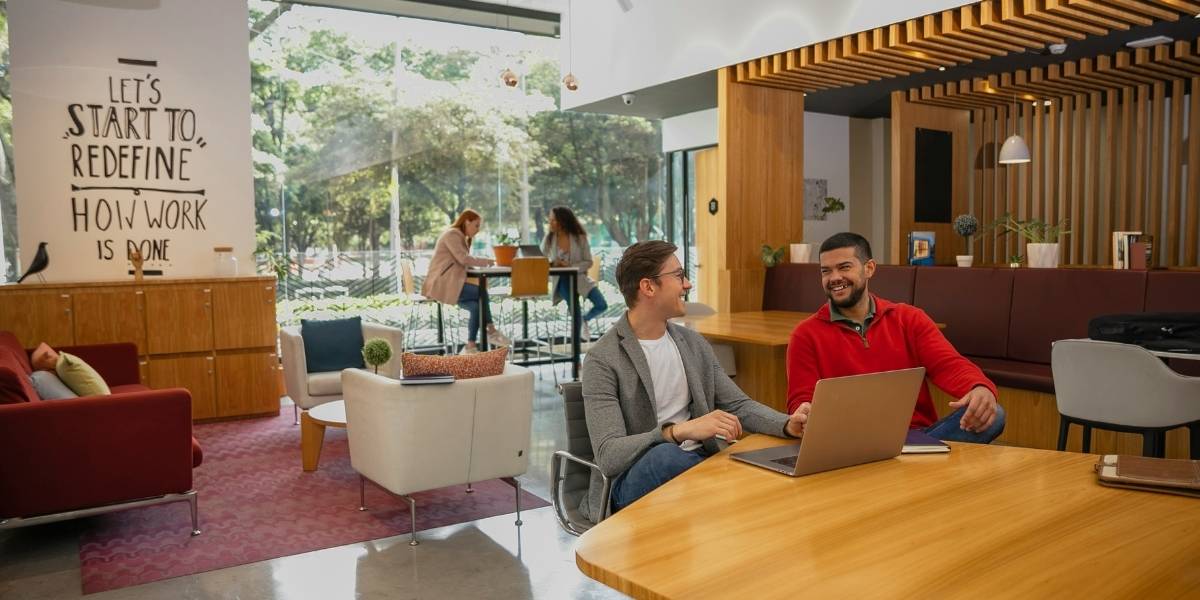
As remote work continues to reshape how people interact with urban space, multi-use commercial environments are poised to become even more central to New York’s business ecosystem. These spaces offer a way to blend work, leisure, and community in a single location, creating environments that are not only efficient but also emotionally resonant.

Developers are responding by designing buildings with modular interiors, shared amenities, and flexible lease structures. Tenants are experimenting with new formats, from rotating retail concepts to subscription-based coworking memberships. And consumers are embracing the shift, seeking out spaces that feel personal, engaging, and reflective of their values.

In a city known for reinvention, multi-use commercial spaces represent a practical and cultural evolution. They allow businesses to stay nimble, neighborhoods to stay vibrant, and consumers to stay connected. Whether it’s a bookstore that hosts live jazz or a bakery that doubles as a startup incubator, these spaces are proving that flexibility isn’t just a feature, it’s the future.

As New York continues to build and rebuild, expect to see more of these hybrid environments shaping the city’s commercial identity. They’re not just changing how people shop and work, they’re changing how people experience the city itself.

Exploring Active Lifestyles Across New York City’s Diverse Spaces

Active lifestyles are becoming a defining feature of New York City’s wellness culture. From sunrise yoga on rooftops to community-led dance sessions in public parks, movement is woven into the rhythm of the city. As residents seek balance between work, health, and social connection, New York’s diverse spaces are evolving into hubs for intentional living and physical vitality.

Movement in the Everyday Urban Experience

New York’s layout naturally encourages movement. With walkable streets, stair-heavy subway stations, and bike-friendly routes, physical activity is often built into daily routines. But beyond incidental movement, the city offers curated spaces and programs that support active lifestyles in more deliberate ways.

Central Park remains a cornerstone of outdoor fitness, hosting everything from running clubs to tai chi circles. The High Line, with its elevated views and art installations, invites residents to walk, stretch, and reflect. In Brooklyn, Prospect Park’s loop is a favorite among cyclists and joggers, while Domino Park’s waterfront paths attract families and solo movers alike.

Rooftop Wellness and Boutique Fitness Culture

Rooftops across Manhattan and Williamsburg are being reimagined as wellness sanctuaries. Buildings now host yoga flows, HIIT sessions, and guided meditation with skyline backdrops. These elevated spaces offer a blend of luxury and accessibility, appealing to professionals who want to stay active without leaving their neighborhoods.

Boutique fitness studios also play a major role in shaping active lifestyles. Brands like Barry’s, SoulCycle, and SLT have cultivated loyal communities through high-energy group workouts. These studios offer more than exercise, they provide connection, motivation, and a sense of belonging. Their presence across boroughs reflects the city’s appetite for curated wellness experiences.

Workplace Wellness and Movement Integration

As hybrid work models become more common, New Yorkers are finding new ways to integrate movement into their professional lives. Employers are responding by investing in wellness programs that support active lifestyles. Some offer fitness stipends, while others host virtual workouts or partner with local gyms.

This shift toward movement-friendly work culture aligns with broader efforts to reduce stress and improve productivity. Insights into balancing wellness and professional demands show that employees who prioritize physical activity report higher engagement and lower burnout. Movement is no longer a luxury, it’s a strategic necessity.

Community-Led Fitness and Cultural Expression

Across the city, grassroots fitness initiatives are flourishing. These programs often blend movement with cultural identity, creating inclusive spaces for residents of all backgrounds. In Harlem, dance-based workouts rooted in African and Caribbean traditions bring rhythm and energy to public plazas. In Chinatown, tai chi sessions offer a meditative approach to movement, attracting participants across generations.

These gatherings foster connection, pride, and wellness. They also reflect the city’s diversity, showing how active lifestyles can be shaped by heritage and community values. By making movement accessible and culturally relevant, these programs contribute to a more inclusive wellness landscape.

Cycling Infrastructure and Urban Mobility

Cycling has become a central part of New York’s active lifestyle culture. With expanded bike lanes, Citi Bike stations, and advocacy from organizations like Transportation Alternatives, more residents are choosing bikes for commuting and recreation. The city’s investment in cycling infrastructure supports sustainability, accessibility, and health.

Exploring Active Lifestyles Across New York City’s Diverse Spaces

Photo Credit: Unsplash.com

Weekend rides along the Hudson River Greenway or through Randall’s Island have become rituals for many. Bike-friendly cafes, repair shops, and community rides are creating a culture where mobility and wellness intersect. These trends also align with broader efforts to reduce emissions and promote urban resilience.

Global Inspiration and Longevity Practices

New Yorkers are increasingly looking to global wellness models for inspiration. The lifestyle habits of long-lived communities, such as those in Okinawa, are influencing how residents approach movement, nutrition, and social connection. Practices like daily walking, group activity, and purpose-driven routines are being adapted to urban life.

A closer look at Okinawa’s longevity principles reveals how consistent movement and community engagement contribute to well-being. In New York, these ideas are being woven into active lifestyle programs, especially among older adults and wellness-focused organizations.

Technology and Personalized Fitness

Fitness tech is playing a growing role in supporting active lifestyles. Wearables, mobile apps, and virtual coaching platforms allow residents to track progress, set goals, and stay motivated. Whether it’s monitoring heart rate, joining a remote challenge, or receiving AI-driven workout recommendations, tech tools are helping New Yorkers stay engaged.

Startups in the wellness space are innovating around personalization. Adaptive training programs, data-informed recovery strategies, and smart scheduling features are making movement more efficient and tailored. These tools are especially popular among busy professionals who want results without sacrificing flexibility.

Seasonal Adaptation and Outdoor Wellness

New York’s seasonal shifts influence how residents stay active. In spring and summer, outdoor workouts, rooftop classes, and park-based events dominate. As temperatures drop, indoor studios and virtual platforms become more prominent. The city’s adaptability ensures that active lifestyles remain accessible year-round.

Winter wellness pop-ups, heated yoga domes, and indoor cycling events help maintain momentum during colder months. These offerings reflect the city’s commitment to movement, regardless of season. They also support local businesses and foster community engagement during traditionally slower periods.

Business Strategy and Wellness Integration

The rise of active lifestyles is influencing business strategy across sectors. Real estate developers are incorporating fitness amenities into residential buildings. Hospitality brands are offering wellness packages that include guided workouts and healthy dining. Retailers are curating activewear collections that blend fashion with function.

This convergence of business and wellness reflects a shift in consumer priorities. New Yorkers are seeking experiences that support their active lifestyles, and brands are responding with products and services that align with those values. The result is a more integrated approach to health, movement, and urban living.

Active lifestyles are reshaping how New Yorkers interact with their city, their communities, and themselves. From rooftop workouts to cultural dance classes, movement is becoming a shared language of wellness, identity, and connection. As businesses, neighborhoods, and individuals continue to embrace this shift, New York City stands as a vibrant model of how urban spaces can support holistic health.

Breaking Down the Cost of Parenting in New York City

The cost of parenting in New York City isn’t just a line item in a budget, it’s a daily reality that shapes how families live, work, and plan for the future. From the price of daycare to the challenge of finding affordable housing, raising children in one of the country’s most expensive cities requires constant adjustment. For many parents, especially those navigating tight budgets or unpredictable income, the financial pressure can feel relentless.

Everyday Expenses Add Up Quickly

Diapers, formula, and baby gear are just the beginning. As children grow, so do the costs. Clothing, school supplies, extracurricular activities, and transportation all contribute to the rising cost of parenting in New York City. Even something as simple as grabbing lunch between errands can become a budgeting decision when multiplied across a week.

Public transportation offers some relief, but not every family lives near a reliable subway line. Ride shares and taxis are often used in emergencies or when traveling with strollers, adding to monthly expenses. Grocery costs also vary widely depending on neighborhood and store access, with some families relying on bulk purchases from outer boroughs to stretch their budgets.

Entertainment is another area where costs can sneak up. A weekend visit to a museum, a movie, or a local playgroup might seem minor, but these outings add up over time. Many families try to balance free community events with paid experiences, but even free activities often come with incidental costs like snacks or transit fares.

Childcare and Education Are Major Factors

One of the biggest contributors to the cost of parenting in New York City is childcare. Daycare centers, nannies, and after-school programs can consume a significant portion of a household’s income. Waitlists are common, and prices vary depending on location and provider reputation. Some families opt for part-time care or rely on relatives to help bridge the gap, but that’s not always an option.

Education costs don’t disappear once children enter public school. Uniforms, field trips, and classroom donations are often expected. In some cases, families also invest in tutoring or enrichment programs to support academic growth. Policies like the smartphone ban in schools have sparked conversations about how technology intersects with parenting costs, especially when families must adjust to new rules or purchase alternative devices for communication.

Private school tuition is another consideration for some families, especially those seeking specialized programs or smaller class sizes. While public schools offer strong options in many neighborhoods, competition for placement in top-rated institutions can lead parents to explore alternatives, each with its own financial implications.

Housing and Space Constraints

Finding a family-friendly apartment in New York City is a challenge in itself. The cost of parenting often includes compromises on space, location, or amenities. Many families live in smaller units than they’d prefer, prioritizing proximity to schools or transit over square footage. Rent-stabilized apartments offer some relief, but they’re not always available or suitable for growing families.

Breaking Down the Cost of Parenting in New York City

Photo Credit: Unsplash.com

Some parents consider relocating to outer boroughs or nearby suburbs to reduce housing costs, but that can introduce new expenses like longer commutes or higher transportation fees. The trade-offs are constant, and decisions often hinge on what’s best for the child’s routine and safety.

Storage is another hidden cost. With limited space, families often rent storage units or invest in creative furniture solutions to accommodate toys, clothes, and seasonal gear. These adjustments may seem minor, but they reflect the ongoing effort to make small spaces work for growing households.

Healthcare and Insurance Considerations

Healthcare is another layer of the cost of parenting in New York City. Pediatric visits, dental care, and emergency services all add up, especially for families without comprehensive insurance. Co-pays, prescriptions, and specialist referrals can quickly become monthly burdens. Some families turn to community clinics or sliding-scale providers to manage costs, but access and availability vary.

Mental health support is also increasingly part of the parenting conversation. Whether it’s therapy for children or counseling for parents, these services are essential but often expensive. Insurance coverage doesn’t always extend to preferred providers, and out-of-pocket costs can discourage families from seeking help.

Vision and dental care are often overlooked in budgeting, yet they’re essential for growing children. Annual checkups, braces, and corrective lenses can add hundreds or even thousands of dollars to a family’s yearly expenses. These costs are rarely optional, and they often arrive without much warning.

Budgeting and Financial Planning

Managing the cost of parenting in New York City requires more than just tracking expenses. It involves long-term planning, emergency savings, and realistic expectations. Some families use budgeting apps or spreadsheets to stay organized, while others rely on financial advisors or community workshops. Resources like budgeting tips for every income level have helped many parents find practical ways to manage their money without sacrificing quality of life.

College savings, life insurance, and retirement planning often take a backseat to immediate needs. That’s understandable, especially when rent and childcare consume most of the monthly income. Still, even small contributions to savings accounts or education funds can make a difference over time.

Tax credits and government programs can offer some relief, but navigating eligibility and application processes can be time-consuming. Many families aren’t aware of all the resources available to them, and outreach efforts don’t always reach those who need support the most.

Cultural Expectations and Social Pressures

Parenting in New York City isn’t just about logistics, it’s also shaped by cultural expectations. Birthday parties, holiday gifts, and summer camps can feel like social obligations, even when budgets are tight. Some families feel pressure to keep up with peers or maintain appearances, which adds another layer to the cost of parenting.

Social media also plays a role. Seeing curated snapshots of family life online can create unrealistic standards, making parents feel inadequate or behind. That emotional toll isn’t always discussed, but it’s part of the broader experience of raising children in a high-cost, high-visibility environment.

Even school events can carry hidden costs. Bake sales, spirit days, and fundraisers often require contributions, and while participation is optional, many parents feel compelled to join in. These small moments reflect the larger culture of involvement and generosity that defines many NYC school communities.

Why Transparency Matters

Understanding the true cost of parenting in New York City helps families make informed decisions. It also encourages policymakers, educators, and employers to consider the realities parents face. Whether it’s advocating for affordable childcare, expanding housing options, or improving access to healthcare, transparency is key.

Families don’t need perfection, they need support. Acknowledging the financial challenges of parenting in New York City is a step toward building systems that work better for everyone. It’s not about simplifying the experience, but about recognizing the complexity and responding with empathy and practicality.