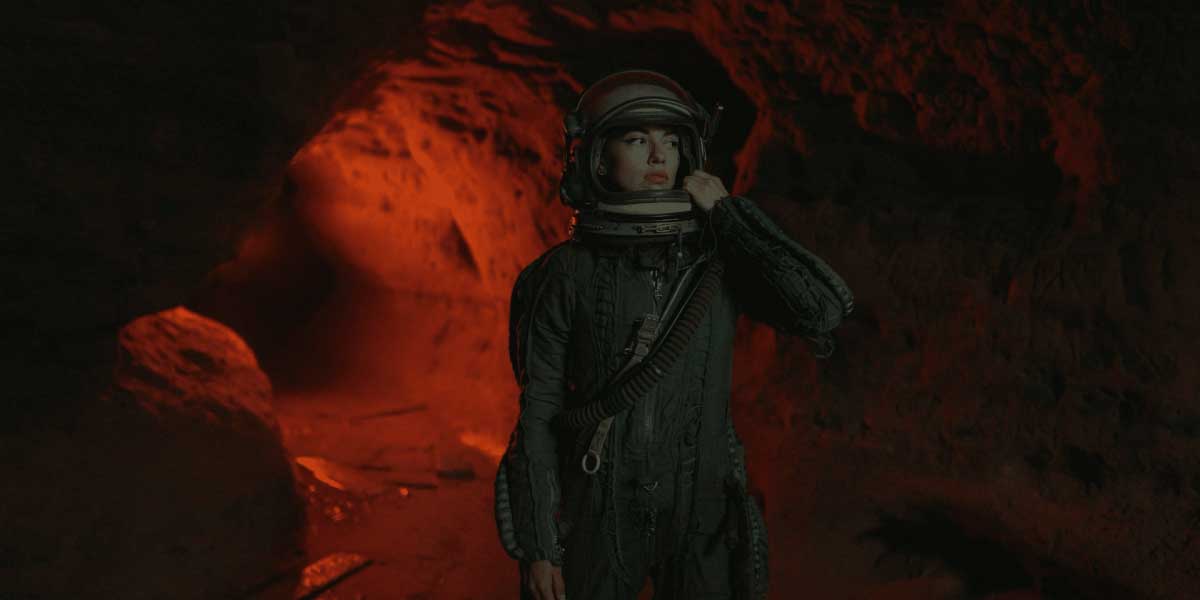

Science fiction movies have remained a popular part of cinema for decades, attracting audiences with stories about space exploration, advanced technology, artificial intelligence, time travel, and worlds that exist beyond the limits of everyday life.
But the appeal of science fiction goes beyond futuristic settings and impressive visual effects. The genre gives filmmakers a way to explore complex questions about humanity, society, technology, and the future while entertaining audiences with imaginative stories.
The Appeal of Exploring the Unknown
One of the main attractions of science fiction is its ability to take audiences into unfamiliar territory.
A sci-fi movie may transport viewers to another planet, a distant future, or an alternate version of reality. These settings create a sense of discovery that can be difficult to achieve in other genres.
The unknown can also create suspense. Audiences may wonder what exists beyond Earth, what will happen when technology becomes more advanced, or how humanity might respond to an unexpected discovery.
This combination of mystery and imagination keeps viewers engaged.
Technology as a Storytelling Tool
Technology is often at the center of science fiction. Robots, artificial intelligence, virtual reality, spaceships, and futuristic cities are common elements of the genre.
These technologies are not always included simply to create visual spectacle. They can also serve as tools for exploring human behavior.
For example, a story about artificial intelligence may raise questions about responsibility, identity, or the relationship between humans and machines. A movie about advanced surveillance technology may examine privacy and personal freedom.
By imagining what technology could become, science fiction can encourage audiences to think about the consequences of technological progress today.
Questions About Humanity
Despite its futuristic settings, science fiction often tells deeply human stories.
Characters may face familiar emotions such as love, fear, loneliness, ambition, grief, and the desire to survive. The unusual circumstances simply place these emotions in a different environment.
A story about astronauts stranded in space can explore isolation and perseverance. A film about time travel can examine regret and the consequences of personal decisions. A story about an alien encounter can raise questions about communication and the fear of the unfamiliar.
The futuristic setting can therefore make familiar human experiences feel new.
Imagining Different Futures
Science fiction allows audiences to imagine possible futures. Some movies present optimistic visions in which technology improves people’s lives, while others portray darker societies shaped by conflict, environmental problems, or technological control.
These contrasting visions can encourage viewers to think about the direction of the real world.
A fictional future may serve as a warning about problems that already exist. Alternatively, it may present new possibilities and encourage audiences to consider what society could achieve.
This ability to imagine different outcomes is one reason science fiction continues to remain relevant.
The Spectacle of the Genre
Visual storytelling is another major part of the appeal.
Science fiction often gives filmmakers opportunities to create large-scale worlds that would be difficult to portray in other genres. Futuristic architecture, alien landscapes, space battles, and advanced machines can create memorable cinematic experiences.
Modern visual effects have expanded these possibilities even further. Filmmakers can now create detailed environments and creatures that would have been difficult or impossible to show convincingly in earlier decades.
However, strong science fiction does not necessarily depend entirely on visual effects. A compelling story and believable characters can make even a relatively simple sci-fi concept engaging.
The Freedom to Imagine
Science fiction has fewer creative boundaries than many other genres. Writers and filmmakers can create new rules for their worlds and explore ideas that would not be possible within ordinary reality.
This creative freedom allows stories to examine concepts such as parallel universes, alternate timelines, extraterrestrial civilizations, and distant futures.
For audiences, this can provide an escape from familiar surroundings. At the same time, these imaginary worlds can offer new perspectives on real-life issues.
Sci-Fi Can Blend With Other Genres
Another reason for the genre’s popularity is its ability to combine with other types of storytelling.
Science fiction can include elements of action, drama, romance, comedy, mystery, horror, and adventure. This variety means that viewers with different interests can find something appealing within the genre.
A sci-fi movie might focus on an emotional relationship, a survival story, a mystery surrounding an unexplained event, or an action-packed conflict between competing civilizations.
The genre’s flexibility allows filmmakers to experiment with different storytelling approaches.
A Genre That Encourages Curiosity
Science fiction can also inspire curiosity about science and technology.
Movies are not always scientifically accurate, and many concepts are deliberately fictionalized. Nevertheless, they can encourage viewers to learn more about astronomy, physics, robotics, artificial intelligence, and other fields.
For some audiences, an interest in science may begin with a fictional story that raises an intriguing question: Could something like this actually happen?
Even when the answer is no, the question itself can encourage further exploration.
Why Sci-Fi Continues to Attract Audiences
The enduring appeal of science fiction comes from its ability to combine imagination with meaningful questions.
The genre offers audiences the opportunity to explore unfamiliar worlds while reflecting on issues that affect everyday life. It can entertain through action and spectacle, but it can also challenge viewers to think about technology, morality, society, and the future.
Whether it presents an optimistic vision of tomorrow or a warning about where humanity could go wrong, science fiction continues to give filmmakers a unique way to explore possibilities.
Ultimately, the allure of sci-fi movies lies in their ability to make audiences look beyond the world they know. By imagining what could exist, the genre encourages people to reconsider what is possible—and what kind of future they want to create.