
By: Jay Kt
Understanding the Fundamental Differences Between Training and Competition Attire
Selecting the right gymnastics attire is a nuanced process that balances technical requirements with personal expression. The needs of a gymnast during a grueling four hour training session differ significantly from the requirements of a three minute floor routine under bright arena lights. Training leotards, often referred to as practice or tank leotards, prioritize comfort, breathability, and ease of movement above all else. These garments must withstand repetitive friction against bars, beams, and mats without causing skin irritation or losing their shape.
Competition leotards, on the other hand, are high performance garments designed to make a visual impact. They often feature intricate designs, crystals, and specialized fabrics like mystique or hologram foils that catch the light. While they must still allow for a full range of motion, they are often constructed with more compression to provide a sleek, professional silhouette. Families comparing high quality options can browse the range of gymnastics leotards and gymwear at Gymnastics Express to weigh aesthetic appeal against functional durability.
Training Leotards for Daily Rigor
For daily practice, the focus should be on soft, stretchy fabrics like nylon spandex blends or brushed polyester. These materials move with the body and manage moisture effectively. Because gymnasts spend hundreds of hours in these garments, the seams must be flat locked to prevent chafing. High necklines and wide shoulder straps are preferred for training as they provide better coverage and support during complex aerial maneuvers.
Competition Leotards for the Big Stage
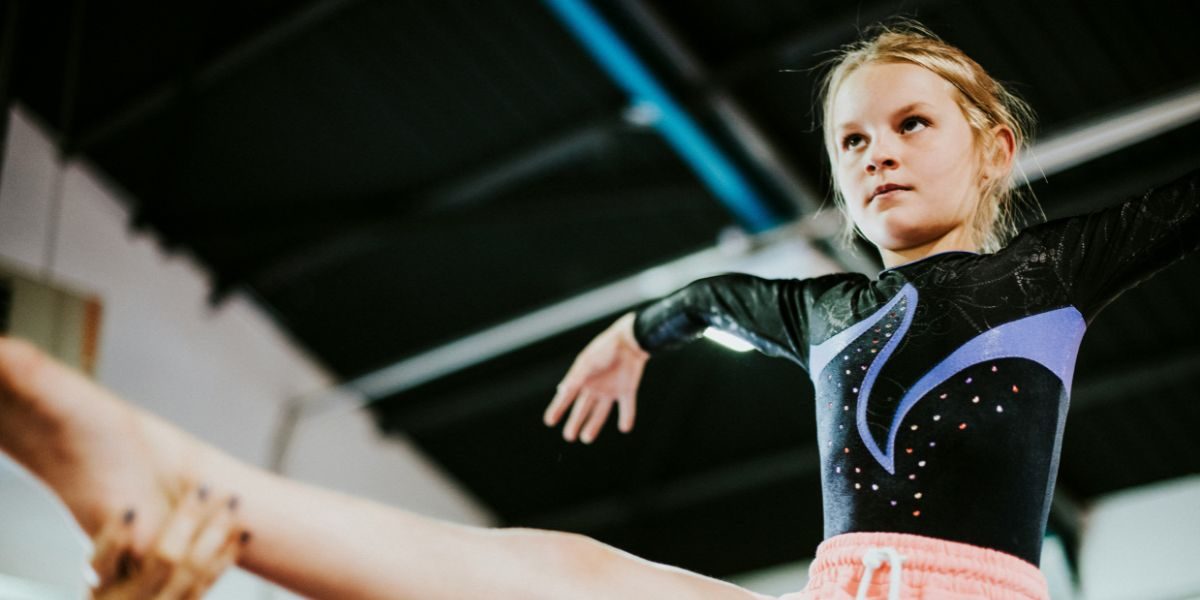
In a competitive environment, the leotard serves as part of the performance. Judges look for clean lines and a professional appearance. Long sleeves are traditional for artistic gymnastics competitions, as they elongate the look of the arms and provide a more formal aesthetic. The fabrics used in competition wear are often thicker and less breathable than training gear, which is why they are typically reserved for the actual event and podium training rather than everyday use.
Material Science and Fabric Selection for Maximum Performance
The evolution of fabric technology has changed how gymnastics leotards are manufactured. Modern textiles are engineered to provide four way stretch, meaning they expand both horizontally and vertically. This is crucial for a sport that requires extreme flexibility and explosive power.
Nylon Spandex: This is the industry standard for both practice and competitive wear. It offers excellent stretch recovery, meaning the garment returns to its original shape even after being stretched to its limit.
Velvet and Velour: Once the staple of the gymnastics world, these fabrics are now primarily used for training leotards in colder climates. They provide warmth and a high level of grip, which can be helpful for beginners learning to stay on the wooden balance beam.
Mystique and Foil: These are coated fabrics that give off a metallic shimmer. While they look stunning, they require more delicate care and have slightly less stretch than matte fabrics.
Sublimated Fabrics: This process involves dyeing the design directly into the fibers of the fabric. It allows for incredibly detailed, multi colored patterns without adding the weight or stiffness of traditional screen printing.
Choosing the right material is not just about looks. It is about how the fabric interacts with the skin and the equipment. A leotard that is too slippery might make it difficult for a coach to provide a secure spot during a new skill. Conversely, a fabric with too much friction could cause uncomfortable dragging on the bars.
Finding the Perfect Fit to Ensure Safety and Precision
A poorly fitting leotard is more than just a distraction; it can be a safety hazard. If a leotard is too loose, it can snag on equipment or obscure the gymnast’s form, making it difficult for coaches to correct body alignment. If it is too tight, it can restrict breathing and limit the range of motion in the shoulders and hips.
The Importance of the Girth Measurement
The most critical measurement for a gymnastics leotard is the girth. This is measured by taking a tape measure from the top of the shoulder, down through the crotch, and back up to the same shoulder. This vertical loop determines how the leotard will sit on the torso. Many parents make the mistake of buying a size up to allow for growth, but in gymnastics, a sagging leotard can lead to accidents. It is better to have a snug fit that acts like a second skin.
Evaluating Leg Cut and Shoulder Room
The leg opening should sit comfortably in the crease of the hip. If it rides up too high, it may violate competition modesty rules; if it sits too low, it can restrict the movement of the legs during leaps and splits. Similarly, the shoulder straps should be tight enough to stay in place during a tumble but not so tight that they dig into the skin or pull the neckline down. Gymnastics Express publishes detailed sizing guides on its product pages, which help reduce the guesswork involved in online shopping.
Design Aesthetics and Psychological Impact on Performance
There is a significant psychological component to what a gymnast wears. The phrase look good, feel good, play good applies heavily to this sport. A gymnast who feels confident in her appearance is more likely to perform with the necessary assertiveness and grace.
Color Psychology in Competition
Bright, bold colors like royal blue, deep red, or vibrant purple can project confidence and energy to the judges. Lighter pastels often convey elegance and fluidity. Many clubs choose a specific color palette to create a sense of unity and team identity. When selecting a competition leotard, consider how the color complements the athlete’s skin tone and hair color under the harsh fluorescent lights of a gymnasium.
The Role of Embellishments
Crystals and sequins are not just for show. They highlight the movement of the body and can emphasize the sharpness of a pose. However, the placement of these embellishments is key. They should be concentrated on the chest and arms rather than the stomach or back to avoid discomfort when the gymnast is rolling or landing. High quality crystals are heat set so they do not fall off during a routine, which could result in a deduction if debris is left on the floor.
Durability and Maintenance for Long Term Use
Gymnastics leotards are an investment, and proper care is essential to maintain their elasticity and shine. The harsh chemicals in sweat and the chalk used on hands can break down synthetic fibers over time.
Hand Washing: Always hand wash leotards in cold water using a mild detergent. Never use bleach or fabric softeners, as these can destroy the spandex fibers and dull the metallic finish of foil fabrics.
Drying: Never put a leotard in a dryer. The high heat will melt the elastic components and cause the fabric to lose its stretch. Instead, lay the garment flat on a towel to air dry away from direct sunlight.
Salt Water Soak: For new leotards with vibrant dyes, some experts recommend a quick soak in cold water with a tablespoon of salt to help set the color and prevent bleeding during future washes.
Proper storage is also vital. Leotards should be hung up or folded neatly rather than being left crumpled at the bottom of a gym bag. This prevents permanent creasing in foiled fabrics and keeps the garment smelling fresh.
Budgeting for Growth and Skill Advancement
The cost of gymnastics can add up quickly, and apparel is a significant portion of that expense. For younger gymnasts who are growing rapidly, it is wise to focus the budget on high quality training gear that will be used daily. A few well made pieces from Gymnastics Express can serve as the backbone of a training wardrobe for repetitive daily use.
As a gymnast moves into higher competitive levels, the cost of competition leotards increases due to the complexity of the designs and the number of crystals used. To manage these costs, many families look for club trade-ins or end of season sales. It is also worth remembering that a competition leotard is typically worn only a handful of times per year, so while it is a larger upfront cost, it does not suffer the same wear and tear as practice gear.
Competition Attire Rules Every Gymnast Should Know
Each gymnastics federation, such as USA Gymnastics or British Gymnastics, has specific rules regarding competition attire. Failure to adhere to these rules can result in score deductions or even disqualification.
Modesty and Coverage Rules
Rules generally dictate that leotards must be non transparent and the leg cut must not be above the hip bone. In some levels of competition, the use of gymnastics shorts or leggings over a leotard is permitted, but they must be skin tight and match the color of the leotard, the athlete’s skin tone, or be solid black.
Branding and Logo Restrictions
There are often strict limits on the size and placement of manufacturer logos on competition attire. Usually, a small logo on the hip or back of the neck is allowed, but large branding across the chest is prohibited. Understanding these technicalities before making a purchase is essential for any competitive athlete. Suppliers such as Gymnastics Express stock ranges from manufacturers that design with these competitive standards in mind.
The Role of Personal Style in Building Athlete Confidence
While technical specifications and rules are paramount, the personal preference of the gymnast should not be overlooked. Gymnastics is a form of artistic expression, and the leotard is the costume for that art. Allowing a gymnast to have a say in the color or pattern of their training gear can increase their enthusiasm for practice.
In the modern era, we see a wide variety of styles, from traditional high neck designs to modern open back styles with intricate strap work. Some gymnasts prefer the compression of a heavy mystique fabric, while others feel more agile in a lightweight sublimated lycra. By experimenting with different styles in training, an athlete can discover what makes them feel most powerful.
Mastering the Art of the Perfect Selection
Ultimately, choosing gymnastics leotards for training and competitions requires a blend of practical knowledge and aesthetic sensibility. By prioritizing the vertical girth measurement, selecting fabrics appropriate for the intensity of the activity, and adhering to the specific rules of the competitive arena, you give the athlete a solid foundation for competition day. Whether you are searching for a simple tank leotard for a toddler’s first class or a crystal encrusted masterpiece for a national championship, quality and fit remain the most dependable things to focus on. A supplier such as Gymnastics Express carries the range of training and competition options these choices call for. When a gymnast steps onto the floor, their attire should be the last thing on their mind, allowing them to focus entirely on their technique, their strength, and the joy of the sport.