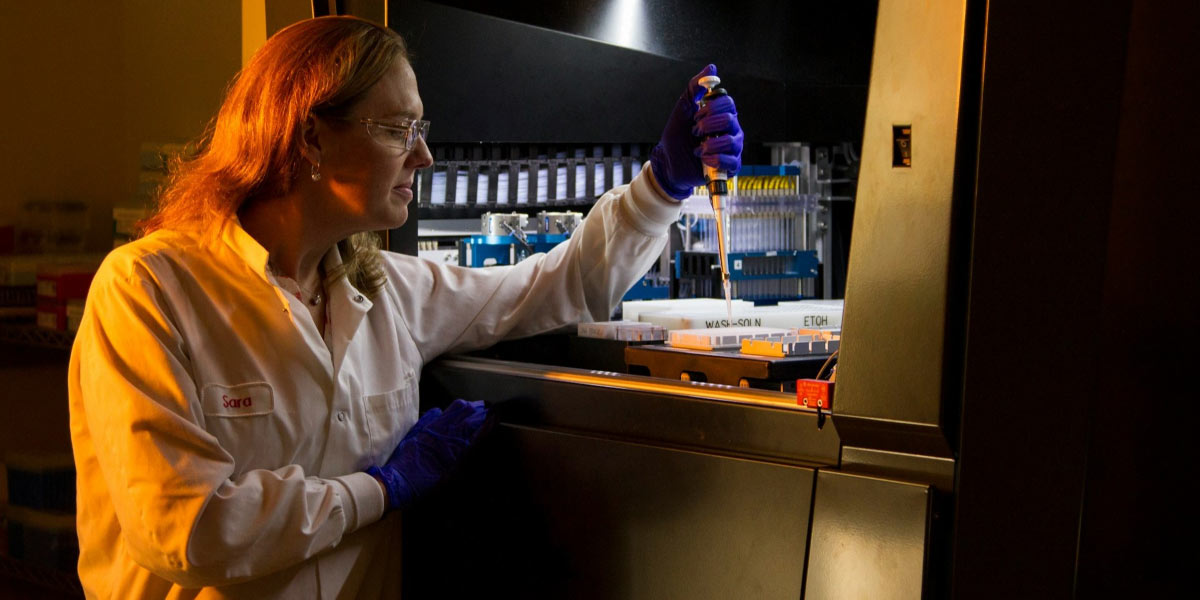

CRISPR technology has transformed genetic engineering by giving scientists a more precise way to alter DNA. What began as a powerful laboratory tool has developed into a growing platform for medical research, with potential applications ranging from treating inherited disorders to developing new approaches to cancer and other diseases.
The technology is built around a natural defense mechanism found in bacteria. Scientists adapted the CRISPR-Cas9 system to locate specific sequences of DNA and make targeted changes. This ability has made gene editing faster and more accessible than many earlier techniques.
As research advances, CRISPR is moving beyond the laboratory and into clinical medicine. The development of approved gene-editing treatments has demonstrated that the technology can be used to address certain genetic diseases, while researchers continue investigating how it could be applied to a broader range of conditions.
Key Takeaways
- CRISPR allows scientists to make targeted changes to DNA and has become an important tool in genetic engineering.
- The technology is being studied for inherited diseases, cancer, infectious diseases, and other medical applications.
- Gene-editing treatments have moved from experimental research toward real-world clinical use for certain conditions.
- CRISPR could eventually support more personalized approaches to treating disease by targeting specific genetic causes.
- Safety, ethical concerns, affordability, and long-term effects remain important challenges for the future of gene editing.
How CRISPR Gene Editing Works
CRISPR is commonly associated with CRISPR-Cas9, a system that uses a guide molecule to direct the Cas9 enzyme toward a specific DNA sequence. Once the target is identified, the enzyme cuts the DNA, allowing scientists to modify the genetic material through the cell’s natural repair processes.
This process can be used to disrupt a harmful gene, correct certain genetic changes, or introduce new genetic material, depending on the technique being used.
Researchers have also developed newer versions of gene-editing technology, including base editing and prime editing. These approaches are designed to make certain genetic changes with greater precision and, in some cases, without creating the same type of double-strand DNA break associated with traditional CRISPR-Cas9 editing.
From Research Tool to Medical Treatment
One of the most significant developments in the field has been the transition of gene editing from laboratory research toward clinical treatment.
In 2023, the U.S. Food and Drug Administration approved Casgevy, the first FDA-approved therapy that uses CRISPR/Cas9 gene editing. The treatment is designed for certain patients with sickle cell disease and, later, transfusion-dependent beta thalassemia.
The treatment uses a patient’s own blood stem cells. These cells are collected, genetically modified outside the body using CRISPR technology, and then returned to the patient following conditioning treatment.
This approach demonstrates one of the central possibilities of gene editing: treating disease by addressing an underlying genetic mechanism rather than focusing only on managing symptoms.
Potential Applications Across Medicine
Sickle cell disease is only one area of research. Scientists are investigating CRISPR-based approaches for a wide range of medical conditions.
In cancer research, gene editing is being studied as a way to modify immune cells so they can better recognize and attack cancer cells. Researchers are also examining whether CRISPR can help identify genetic vulnerabilities in tumors and support the development of more targeted therapies.
Inherited diseases represent another major area of interest. Because many genetic disorders result from specific mutations, researchers are exploring whether gene editing can correct or compensate for those changes.
CRISPR research is also being conducted in areas such as infectious disease, cardiovascular conditions, neurological disorders, and rare diseases. However, many potential applications remain in experimental or clinical-trial stages and are not yet established treatments.
The Promise of More Personalized Medicine
One of the long-term possibilities of gene editing is a more personalized approach to medicine.
Traditional treatments often rely on therapies designed for large groups of patients. Gene-editing technologies could eventually allow treatments to be tailored to specific genetic characteristics, particularly for diseases caused by well-defined mutations.
That could be especially valuable in rare diseases, where conventional drug development can be difficult because relatively few patients may have a particular condition.
However, personalized gene therapies can also be expensive and technically complex. Developing an individual treatment requires specialized manufacturing, testing, and regulatory oversight, raising questions about how these therapies can become accessible to patients who need them.
Safety Remains a Central Challenge
The ability to change DNA creates significant opportunities, but it also introduces risks that researchers must carefully evaluate.
One concern is unintended genetic changes. Gene-editing systems must accurately target the intended DNA sequence, and scientists continue working to reduce the possibility of unintended edits.
Researchers must also consider how edited cells behave over time. Some treatments involve permanently changing the genetic material of cells, meaning that long-term monitoring is an important part of evaluating safety.
These concerns are particularly important when considering edits that could potentially be passed to future generations. Gene editing in human embryos or reproductive cells raises ethical questions that go beyond the treatment of an individual patient.
The Ethical Debate Around Genetic Engineering
CRISPR has also expanded the debate over how far genetic engineering should go.
Using gene editing to treat serious diseases is generally viewed differently from modifying traits that are not related to illness. The possibility of editing human embryos to influence characteristics such as physical traits or intelligence raises questions about consent, inequality, and the boundaries of medical intervention.
For this reason, researchers, medical professionals, policymakers, and ethicists continue to debate appropriate limits for the technology.
The challenge is to encourage scientific progress while establishing safeguards that protect patients and society.
What the Future Could Hold
CRISPR technology has already changed the way scientists approach genetic engineering, but its full medical potential remains under development.
The emergence of approved CRISPR-based treatments suggests that gene editing will play an increasing role in medicine. At the same time, researchers are working to improve precision, reduce risks, simplify treatment procedures, and make therapies more affordable.
The next phase of the field will likely involve determining which diseases can be treated safely and effectively, how these therapies can be manufactured at scale, and how healthcare systems can make them accessible to patients.
CRISPR is not a universal solution to every medical problem, and many proposed applications remain years away from clinical use. Yet its ability to target the genetic roots of certain diseases represents a significant shift in biomedical research.
As scientists continue refining gene-editing technologies, CRISPR could become an increasingly important part of medicine. The technology’s ultimate impact will depend not only on what researchers can edit, but also on how responsibly the medical community uses that power.
FAQs
What is CRISPR?
CRISPR is a gene-editing technology adapted from a natural bacterial defense system. Scientists use it to target specific DNA sequences and make controlled genetic changes.
What is CRISPR-Cas9 used for?
CRISPR-Cas9 can be used in genetic research and medical development to modify DNA. Researchers are studying it for inherited diseases, cancer, and other conditions, while certain CRISPR-based treatments have already received regulatory approval.
Is CRISPR currently used to treat patients?
Yes. In the United States, the FDA has approved a CRISPR/Cas9-based therapy for certain patients with sickle cell disease and transfusion-dependent beta thalassemia. Many other applications remain under investigation.
Can CRISPR cure genetic diseases?
CRISPR has the potential to treat some genetic diseases by modifying the biological mechanisms responsible for them. However, it is not a universal cure, and the effectiveness and safety of gene editing depend on the specific disease and treatment approach.
What are the risks of CRISPR?
Potential risks include unintended genetic changes, immune reactions, complications associated with treatment, and unknown long-term effects. Researchers continue to study these risks as gene-editing therapies advance.
Could CRISPR be used to edit human embryos?
Gene editing in embryos and reproductive cells is a major ethical and regulatory issue. The potential for changes to be inherited by future generations has led to significant debate and strict restrictions in many jurisdictions.