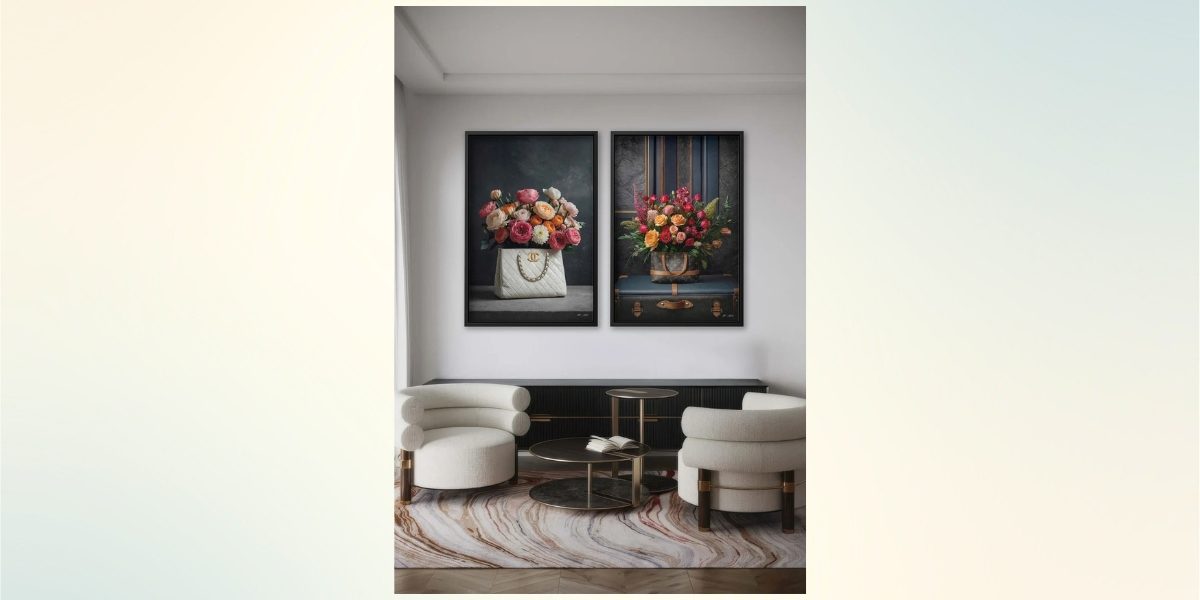

Walk into any furniture chain or scroll through any marketplace, and you will find the same thing over and over again: wall art that looks fine in a photo, ships in a thin cardboard tube, and sits in a hundred thousand homes at the same time. There is nothing technically wrong with it. But there is also nothing particularly right about it either. It fills a space without saying anything, and after a few months, you stop seeing it altogether.
Limited edition artwork is a completely different thing, and once you understand why, it is hard to go back.
What Makes Limited Edition Art Actually Different
The concept is simple. When an artist or studio releases a piece in a numbered edition of 200 and commits to never restocking it once those are gone, the scarcity is real. It is not a marketing trick. That number is the entire run, across all sizes, for all time. The people who own it have something that no one else can buy next year. That changes the relationship you have with the piece on your wall. You picked it, and you know others cannot just pick it up after you did.
That feeling of exclusivity matters more than people admit. Your home is a reflection of who you are and what you care about. When every piece of art in it can be found in 50,000 other apartments, that reflection gets a little blurry. Limited editions give your space an identity that cannot be replicated simply by browsing the same platforms everyone else uses.
Why Materials Make or Break the Final Look
But exclusivity alone does not make something worth buying. The materials matter enormously, and this is where a lot of people get surprised when they finally hold a quality piece in their hands for the first time.
Museum-quality canvas has a texture and weight to it that cheap poly-blend prints simply do not. The colors sit differently, they hold over time, and the way light catches the surface changes throughout the day in ways that make the piece feel alive. Acrylic glass, when used properly for framing, adds depth and a polished finish that elevates the entire look. A piece framed behind quality acrylic does not look like a poster dressed up in wood. It looks like it belongs in a gallery, which is exactly the point.
When studios produce artwork that is hand-inspected before it ships, that signals something about how they think about their product. It means someone stood with that piece and checked it before it went anywhere near your wall. That level of care shows up in what you receive. The corners are clean, the surface is consistent, and the framing is tight. That is not the standard for mass-produced art, where tens of thousands of units move through a factory with no individual attention.
Certificates of Authenticity and Why They Matter More Than You Think
Certificates of authenticity are another marker that matters more than they might seem. They are not just paperwork. They are documentation that the piece is what it claims to be, produced in the edition number it claims, and linked to the artist or studio behind it. For buyers who care about value over time, that paper trail is important. Art that can be verified retains meaning in a way that anonymous reproductions cannot.
If you are looking at where to spend your money on wall art, 11-ace.com is a studio that takes this seriously. Founded by Scandinavian artist Kristoffer Forby and based in Los Angeles, the studio releases every design as a strictly limited edition of 200 pieces across all sizes, never restocked. Each piece ships with a signed certificate of authenticity and a lifetime warranty, and every order is hand-inspected before it leaves. That is a very different standard from what you find on most print-on-demand platforms.
How to Actually Choose the Right Piece for Your Space
Now, the question is how to actually choose the right piece. This is where most people overthink it and end up buying something safe that they are not particularly excited about.
Start with the room, not the art. Think about what the space already has going for it. Neutral walls with warm wooden tones call for artwork that either complements the warmth or creates a deliberate contrast. A room with cooler greys and metallics works well with pieces that have cleaner, more modern compositions. The art does not need to match every element in the room. It needs to belong in the conversation.
Scale is probably the most common mistake people make when buying art online. A piece that looks stunning on a laptop screen can disappear completely when it goes up on a wall in a real room. If you have a large empty wall, do not default to a small frame and hope for the best. Go bigger than feels comfortable when you are ordering, because in practice, a more commanding piece almost always works better than something timid that gets lost.
Single Statement Piece vs Gallery Wall
Think about how many pieces you want in a space. A single strong piece on a plain wall carries enormous weight. It makes a room feel intentional. Gallery walls with multiple pieces can work beautifully, but they take more consideration to pull off without looking busy. If you are starting, one well-chosen piece is almost always better than several mediocre ones.
The subject matter of the artwork should mean something to you personally, even if that meaning is loose. You do not need a deep philosophical reason for every piece you buy. But if something catches your eye and makes you stop for a moment, that instinct is worth following. Art that you genuinely respond to stays interesting far longer than art you bought because it matched your curtains.
Buying directly from a studio is generally better than buying through a third-party platform. You get clearer information about materials, editions, and the story behind the work. You also know who you are dealing with if there is ever an issue.
The Standard Worth Looking For
For anyone searching for limited-edition artwork for a modern interior, the combination of material quality, genuine scarcity, and a clear story behind the work is the standard to look for. Studios that meet that standard produce pieces that hold their presence in a room over years, not months.
Mass-produced prints are not going anywhere. They serve a purpose, and they fill a market. But if you want your space to feel like yours, with something on the wall that no one can simply order tomorrow because it is already gone, that is the difference limited editions make. It is not about elitism or spending more than you should. It is about being deliberate, knowing what you are buying, and ending up with something that actually earns its place on your wall.