
By: Matthew Kayser
Living in New York is increasingly expensive, and people are looking for the best ways to make ends meet. Home restaurants are becoming increasingly popular in the Big Apple. But creating a home restaurant that hits five-star vibes isn’t just about plating: you need the full design dish. Within a few strategic tweaks, your dining corner can pack personality, mood, and rhythm.
But where to start? What are the best kitchen brands for a home restaurant? Poliform kitchen systems often show up in design spreads because they blend clean geometry with high-grade materials without shouting. It’s a great example of how attentive detailing and intention can elevate a cooking space into a guest magnet. Not everyone can afford them, but they certainly give a clear idea of how things should be done.
From Bright Brunch to Cozy Dinner: Mastering Lighting Transitions
Lighting can make a huge difference in how your home restaurant feels, from the moment guests walk in to the last bite of dessert. It’s not just about having enough light to see, but about creating the right mood for every part of the evening. The best approach is to layer your lighting. Start with ambient lighting. Think about recessed ceiling lights with dimmers or wall sconces that cast gentle, even light. These create a warm, inviting background that feels natural and comfortable. Next, you’ll want to add task lighting in specific areas like your prep station, stove, or bar. Here, focused lights like adjustable track lighting or under-cabinet strips help you work efficiently without casting shadows or harsh glare. Finally, the finishing touch comes from accent lighting. This is where you add personality and intimacy. For example, a sculptural floor lamp, like one from Flos, can act as a piece of functional art that subtly brightens a corner and adds visual interest. On the dining table, candles are an easy and elegant way to soften the atmosphere and bring warmth to the space. Make sure all your lights have dimmer switches so you can control the brightness throughout the day, shifting from bright and energetic during a weekend brunch to soft and cozy for an evening dinner. The goal is for your lighting to support the flow of the night without ever feeling forced or overwhelming.
Effortless Table Styling That Feels Personal and Polished
Your table is your stage. Start by thinking about texture. Use placemats made from natural fibers like linen or woven grasscloth to ground each place setting. These create subtle layers of interest under your plates. Choose dishware in a consistent color story, but don’t feel like everything has to match perfectly. Mixing matte ceramic with a few glazed pieces or pairing different shapes in a similar palette adds character without looking chaotic. Cloth napkins folded with a relaxed twist or casually tied with leather cords can give a sophisticated but effortless vibe. If your table itself is a statement piece, like a hand-finished wood slab from a brand like Baxter, let it shine by keeping the styling minimal. Instead of a large floral arrangement, opt for smaller centerpieces, think fresh herbs in mismatched clay pots, a few branches in a simple glass vase, or a bowl of seasonal fruit. These touches bring in a fresh, organic element that feels alive and approachable. Avoid overly symmetrical or perfect arrangements; some asymmetry adds personality and a sense that the space is lived in and loved.
Smart Seating Strategies for City Apartment Dining Rooms
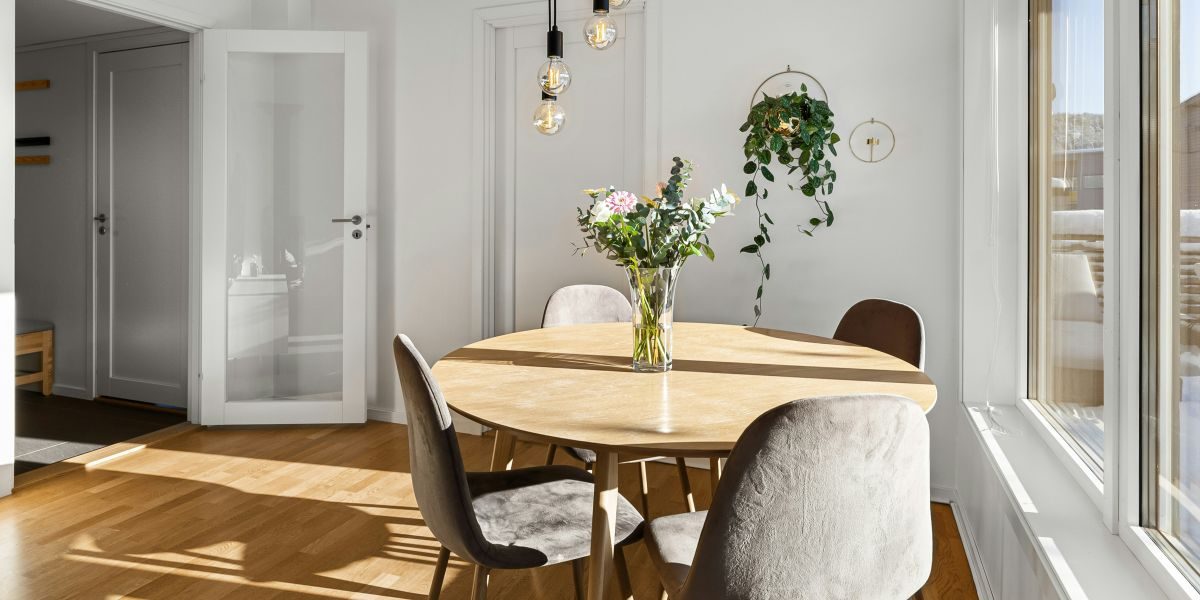
When it comes to seating, your guests’ comfort is just as important as style. You want chairs that support good posture but also invite people to relax and linger. Steer clear of stiff, straight-backed café chairs made of hardwood. Instead, look for padded or curved chairs with soft upholstery that cradle the body. Leather, boucle, or velvet are all excellent choices because they add tactile richness and visual warmth. If you’re working with a tight footprint, mix things up by combining a bench on one side of the table with individual chairs on the others. This creates a more dynamic and casual feel, encouraging conversation and making the space feel less formal. Plus, benches can often accommodate more people without taking up too much room, which is perfect for entertaining in a city apartment.
Setting the Mood: A Sensory Approach to Home Restaurant Design
Designing a five-star home restaurant is about engaging more than just the eyes. The way a space smells, sounds, and feels under your fingertips all contribute to a memorable dining experience. For sound, keep background music low and unobtrusive: think smooth jazz, soft indie, or classical playlists that fade into the background but add warmth and rhythm. Scent is another subtle but powerful tool. Mild aromas like fresh citrus, basil, or mint can invigorate the space without competing with the smell of the food. Consider soy or beeswax candles scented with these notes, or use small herb pots that also double as centerpieces. Underfoot, place rugs with soft textures beneath the table. They help absorb noise from footsteps and chairs moving, creating a cozy, intimate environment. Finally, contrast is key in tactile experiences. Pair smooth tabletops with woven or rougher placemats so guests get a multi-sensory feel when they touch the surface. All these details combine to create an environment that feels inviting and thoughtfully curated.
Seasonal Style and Interactive Elements to Make Your Guests Return
Once you have the basics down, adding small, intentional touches can really elevate your home restaurant beyond the ordinary. Think about menus printed on thick, letterpress cardstock. They add a tactile and visual luxury that guests notice right away. Handmade drink stirrers, perhaps crafted from wood or glass, add an artisanal touch that feels personal. Consider a chalkboard or letterboard to showcase daily specials or featured drinks. It’s a charming detail that also keeps your offerings fresh and flexible. Seasonal swaps in napkin colors, candle scents, and centerpieces keep the look dynamic and in tune with the calendar. If you want to push the concept further, add interactive elements like a small chef’s counter where guests can watch a plating demonstration or a tasting flight station with curated pairings. These experiences make your space stand out and turn a simple meal into an event that people remember and want to come back to. At the end of the day, styling your home restaurant is about crafting an experience where every choice, from lighting to linens, invites your guests to relax, enjoy, and return again and again.