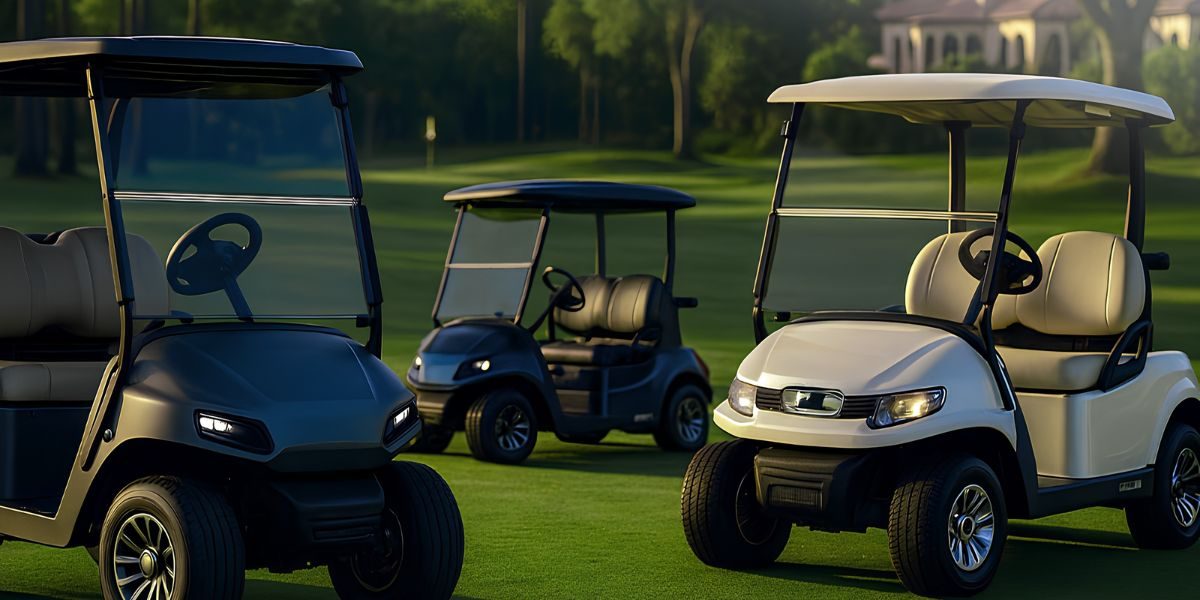

Golf carts have quietly become one of the most versatile electric vehicles on the planet. They shuttle members around communities, haul equipment on farms and job sites, tour resorts, patrol campuses, and increasingly serve as neighborhood transportation where road speeds allow. What every one of these applications shares is dependence on the pack of batteries under the seat. When that pack is healthy, the cart just works. When it is worn out or poorly matched to the job, everything about the vehicle feels tired.
This article covers what today’s cart owner needs to know about their power source, from spotting the early signs of a fading pack to weighing the pros and cons of upgrading from traditional flooded cells to lithium iron phosphate. Whether you own a single cart at home or manage a fleet at a course, understanding the decisions that shape battery life will save you money, downtime, and frustration over the years you plan to keep the vehicles running.
Reading the Symptoms of a Tired Pack
A cart with a healthy battery pack accelerates crisply, holds speed on hills, and travels its expected daily range without a noticeable drop in performance from the first hole to the last. When any of those characteristics slips, the pack is telling you something. Reduced range is the classic warning: the cart that used to make eighteen holes now needs a mid-round charge. Slower acceleration and drooping headlights point in the same direction.
Choosing the right replacement golf cart battery depends heavily on how the vehicle is used, how often, and by whom. A resort cart running twelve hours a day faces very different demands than a homeowner’s cart that ferries groceries a few times a week. Matching the chemistry, voltage configuration, and amp-hour capacity to the actual duty cycle is the single most consequential decision an owner or fleet manager can make.
Testing Rather Than Guessing
Before writing off a suspect pack, put a voltmeter on it. Each fully-charged 6V flooded battery should sit near 6.3V at rest; each 8V cell should read near 8.4V. A load test at a battery specialist confirms what remains of the capacity under real current. Skipping this step often leads to replacing packs that had life left, or worse, leaving one weak battery in an otherwise good string to slowly drag down the healthy cells.
Traditional Lead-Acid Versus Modern Lithium
For decades, flooded lead-acid was the only realistic option for golf carts, and huge numbers of vehicles still run happily on strings of 6V or 8V deep-cycle units. The chemistry is proven, the cost per pack is relatively low, and any battery dealer can service or replace them. The trade-offs are weight, watering maintenance, ventilation requirements, and a lifespan that typically caps around five years even with attentive care.
Lithium iron phosphate has been steadily displacing lead-acid in the cart world for the past several years. A LiFePO4 pack weighs roughly one third as much as an equivalent flooded string, delivers noticeably better acceleration because voltage stays high throughout the discharge, and typically lasts three or four times longer measured in cycles. There is no watering, no equalizing, no acid corrosion around terminals, and no ventilation to engineer. Vipboss and other established manufacturers now offer drop-in replacements that fit standard 36V and 48V cart configurations.
Return on Investment Over the Years
The higher purchase price of lithium can be jarring at first, but the math tends to work out in its favor for anyone who plans to keep the cart more than a few years. Longer life, lighter weight that translates to more range from the same motor, and near-zero maintenance labor combine to lower total cost of ownership. Fleet operators in particular see the difference clearly on their maintenance budgets after the first full year of operation.
Charging Habits That Determine Longevity
Charge every night whether the cart was used heavily or barely at all. Deep-cycle batteries suffer when left partly discharged for extended periods, and lithium chemistry, while more forgiving, still ages more gracefully when it spends its life topped off. Use a smart charger designed for your specific chemistry, because a flooded charger applied to lithium will chronically undercharge the cells and a lithium charger applied to flooded batteries can miss the equalizing phase that keeps them balanced.
Water flooded batteries with distilled water only, and check levels monthly during the active season. Fill after charging, not before, because the electrolyte level rises as the cells reach full state. For lithium packs, the equivalent maintenance ritual is simply verifying that the battery management system reports no cell imbalance or fault codes. Modern packs communicate through Bluetooth apps that put this data at your fingertips.
Storage Between Seasons
Carts that hibernate for the winter deserve special attention. Flooded batteries should be fully charged, disconnected from the cart to eliminate parasitic drain, and topped up every few weeks with a maintainer. Lithium packs can usually be stored at about half state of charge in a cool location and left alone until spring. Getting winter storage right adds a full year or more to expected life.
Keeping Every Ride Smooth and Ready
The battery pack under your seat determines what your cart can and cannot do. A tired pack turns a capable vehicle into a chore, while a healthy one lets you forget the electrical side entirely and focus on the trip. Take the time to test what you already have before replacing anything, and when the day comes to swap the pack, weigh the long-term case for lithium against the familiar economics of flooded lead-acid honestly.
Whether you stay with proven flooded chemistry or move to a modern lithium replacement, the fundamentals stay the same: charge consistently, respect the chemistry-specific charger requirements, store properly during off-seasons, and pay attention to the early symptoms of a fading pack. A cart that gets this level of attention rewards you with years of quiet, dependable performance across every use case the vehicle is asked to handle.