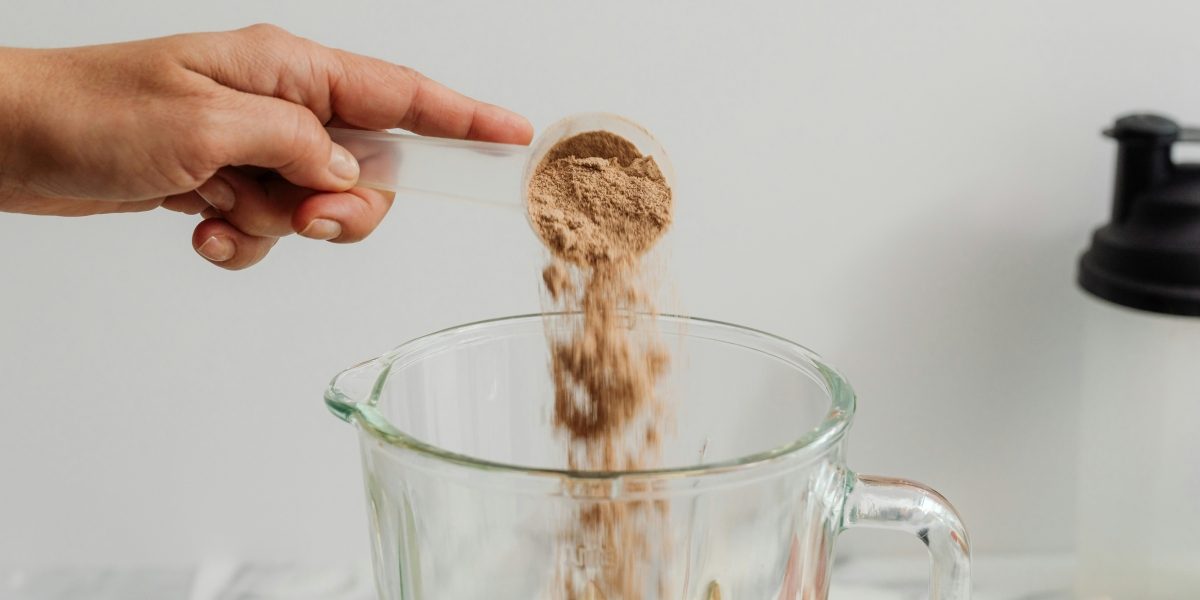

One of the best things about a well-formulated protein smoothie is how flexible it is. You are not locked into one preparation method, one liquid, or one time of day. The same scoop that goes into a shaker bottle on a rushed Tuesday morning can become a genuinely indulgent breakfast bowl on a slow Saturday, and the nutrition stays consistent either way.
The question of what to mix protein with is worth exploring properly, because the answer opens up a lot more variety than most people realize. Here is a practical guide to the best options, what each one brings to the experience, and a few combinations worth trying.
Liquid Options
The simplest and most common approach is mixing protein into a liquid and drinking it. The liquid you choose affects the flavor, texture, calorie content, and overall experience of the final drink, so it is worth thinking about which option fits your goals and taste preferences.
Water
Water is the most straightforward option and the one that keeps the serving as light as possible in terms of calories and added ingredients. It lets the flavor of the protein come through cleanly without any competing taste, which makes it a great choice for people who want to understand exactly what a new flavor tastes like before mixing it with anything else.
According to research published by the National Institutes of Health, protein dissolved in water is absorbed efficiently, making this a perfectly sound nutritional choice rather than a compromise. If you are watching total calorie intake or simply prefer a lighter drink, water is the right call.
Dairy Milk
Dairy milk adds creaminess, a richer texture, and additional protein and fat to the serving. A cup of whole milk adds roughly 8g of protein to the 25g already in a FlavCity Protein Smoothie, making the total closer to 33g per serving. The fat content in whole or reduced-fat milk also creates a noticeably more satisfying mouthfeel than water alone.
For flavors like Vanilla Cream, Chocolate Peanut Butter, and Cookies and Cream, dairy milk creates a flavor combination that genuinely rivals a milkshake while delivering real nutrition.
Plant-Based Milk
Oat milk, almond milk, coconut milk, and cashew milk all work beautifully as protein mixing liquids. Each brings a slightly different flavor profile and nutritional contribution.
Oat milk adds a naturally sweet, slightly creamy flavor that pairs especially well with warmer spiced flavors like Cinnamon Roll and Banana Bread. Almond milk is lighter and more neutral, making it a versatile choice across most flavors.
For the plant-based protein line, plant-based milks are the natural pairing. The Plant-Based Vanilla Protein Smoothie mixed with oat milk is a combination that surprises a lot of people with how genuinely good it tastes.
Coffee
Stirring a scoop of protein into your morning coffee as a creamer replacement is one of the most practical upgrades you can make to your existing routine. It adds 25g of protein, 10g of grass-fed collagen, fruit, and functional mushrooms to what would otherwise be just caffeine, and it creates a richer, creamier texture than black coffee alone.
Any flavor works for this, but Vanilla Cream, Salted Caramel are particularly well-suited to coffee. For an all-in-one option where the protein already contains real coffee, the Vanilla Latte and Butter Coffee Protein Smoothie deliver caffeine and 25g of protein in one step with just water or milk.
Sparkling Water
This one surprises people, but it works. Mixing protein with sparkling water creates a lightly fizzy, refreshing drink that feels genuinely different from the standard shaker bottle experience. Fruit-forward flavors like Berries and Cream work especially well with sparkling water for a light, refreshing option on warm days.
Food-Based Mixing Options
Protein does not have to go into a drink at all. Stirring a scoop into food is a genuinely effective way to add nutrition to meals you are already eating without adding another thing to drink.
Greek Yogurt
Greek yogurt and protein are a natural pairing. The thick base makes mixing easy, and the result is a high-protein, creamy bowl that works as a satisfying breakfast or snack. Berries and Cream or Vanilla Cream stirred into plain Greek yogurt and topped with fresh fruit is a combination worth making at least once to see how good it actually is.
Oatmeal
Stirring protein into oatmeal right after cooking, while it is still warm, incorporates it smoothly and transforms a simple bowl into something substantially more nutritious. Cinnamon Roll in oatmeal delivers exactly the flavor the name promises. Banana Bread works equally well for a cozy, filling breakfast that holds you through the morning.
Smoothie Bowls
A smoothie bowl is simply a thicker version of a blended smoothie, made with less liquid so the result is spoonable rather than drinkable. Blend one scoop of protein with a small amount of milk and a handful of frozen fruit for a thick, creamy base. Top with granola, fresh fruit, coconut flakes, or nut butter for a breakfast that looks as good as it tastes.
Pancake or Waffle Batter
Adding a scoop of protein to pancake or waffle batter is one of those swaps that sounds more complicated than it is. The result is a breakfast that genuinely tastes like a treat while delivering a meaningful protein boost. Vanilla Cream and Cinnamon Roll both work beautifully in batter. Reduce the other dry ingredients slightly to account for the additional scoop and adjust liquid as needed for the right consistency.
A Note on Temperature
Cold liquids make mixing slightly more challenging than room temperature options. If you are mixing with a spoon rather than a shaker bottle, using liquid that is not straight from the refrigerator makes the process noticeably smoother. For hot applications like oatmeal and coffee, letting the temperature come down slightly before adding protein prevents any texture changes from very high heat.
For anyone who wants to explore the full range of flavor options before committing to full bags, the Protein Smoothie Starter Kit is a great way to try a curated selection of flavors. Research from the National Institutes of Health consistently supports distributing protein intake across the day for best results, and having a variety of flavors makes that kind of consistent, distributed approach genuinely easy to sustain.