
Why Istanbul Has Become a Global Hub for Hair Restoration
Istanbul didn’t become a hair transplant destination by accident. Turkish clinics have spent nearly three decades refining FUE and DHI techniques, and the sheer volume of procedures performed in the city each year has pushed standards up across the board. That reputation, though, has also attracted operators looking to cash in without the surgical experience to back it up. The result is a market where genuinely skilled clinics sit alongside outfits that exist mainly to sell a package deal.
Check Who’s Actually Holding the Scalpel
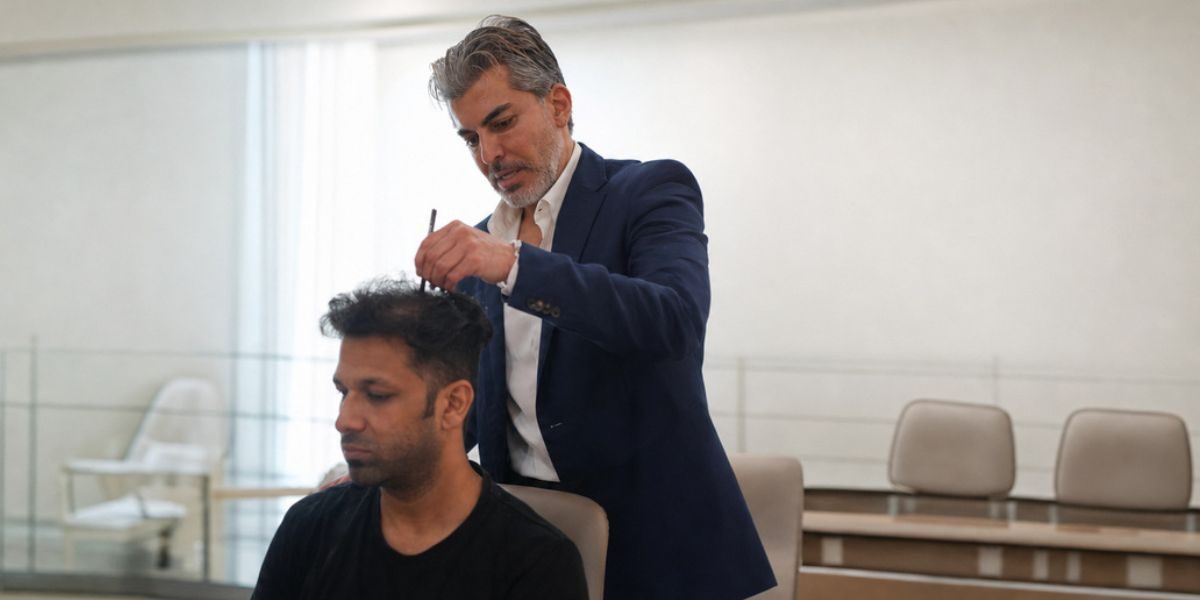
The first thing worth confirming is who performs the procedure. In some clinics, a licensed surgeon does the consultation and initial incisions, then hands the bulk of the graft placement to technicians. This isn’t automatically a red flag since technician-assisted work is common practice, but it should be disclosed upfront rather than discovered on the day of surgery. A trustworthy clinic will tell you plainly who’s in the room and what role each person plays.
Separate the Clinic From the Marketing Agency
Anyone researching a hair transplant in Turkey quickly runs into a wall of near-identical websites offering package deals, hotel pickups, and prices that seem too good to pass up. Many of these sites belong to booking agencies, not clinics. The agency takes a commission and forwards you to whichever partner clinic has space that week, which means you often don’t know who’s actually treating you until you land in Istanbul. Booking directly with a named clinic, one with its own address, its own surgical team, and a public track record, removes that layer of uncertainty.
Look at the Technique, Not Just the Result
Before and after photos are easy to stage or borrow from someone else’s portfolio. A more useful question is which technique the clinic specializes in and why they recommend it for your case. FUE, DHI, and sapphire variations all have different trade-offs around scarring, density, and recovery time. A clinic worth trusting will walk you through why a particular method fits your hair type and donor area rather than pushing whatever they’re set up to do fastest.
Read Patient Accounts, Not Just Testimonials
Curated testimonials on a clinic’s own site tell you very little. Independent forums, long-form video diaries, and review platforms where patients post months or years after surgery give a much clearer picture. Look specifically for follow-up photos taken well past the initial healing period, since early results can look impressive before the transplanted hair has fully grown in.
Ask What Happens After the Operation
The surgery itself is only part of the process. Recovery involves scab shedding, shock loss, and a growth cycle that plays out over close to a year. Clinics that have been operating long enough to build an international patient base, such as Dr. Serkan Aygin’s clinic in Turkey, which has treated patients from dozens of countries since the mid-1990s, tend to have structured aftercare built into the process rather than treating the flight home as the end of the relationship. Ask directly whether follow-up consultations are included and for how long.
Watch for the Warning Signs
A few patterns tend to show up around less reliable operators. Pressure to book within 24 hours to lock in a discount. Reluctance to name the surgeon who will actually perform the procedure. Prices dramatically lower than the market average with no explanation for the gap. None of these alone is disqualifying, but two or three together are worth taking seriously.
Making the Decision
There’s no single certification that guarantees a good outcome, which is part of why so many patients end up choosing based on price alone. A better approach is to treat the research phase the way you would for any surgical procedure: confirm who’s operating, understand the technique, verify the track record independently, and get clarity on aftercare before you commit. Clinics that have stayed in business for decades on reputation rather than discount pricing usually have less to hide during that process.
Disclaimer: This article is intended for general informational and educational purposes only and should not be considered medical, surgical, cosmetic, or travel advice. Hair transplant procedures, including FUE, DHI, and other hair restoration techniques, involve individual risks, limitations, and varying outcomes depending on a person’s health history, hair characteristics, treatment plan, and the qualifications of the medical provider performing the procedure. Readers should consult a qualified and appropriately licensed healthcare professional before undergoing any surgical or cosmetic procedure. Information about clinics, techniques, recovery timelines, costs, or patient experiences should not be interpreted as a guarantee of results, safety, or suitability for any individual. Anyone considering treatment abroad should independently verify clinic credentials, medical standards, and aftercare arrangements before making a decision.