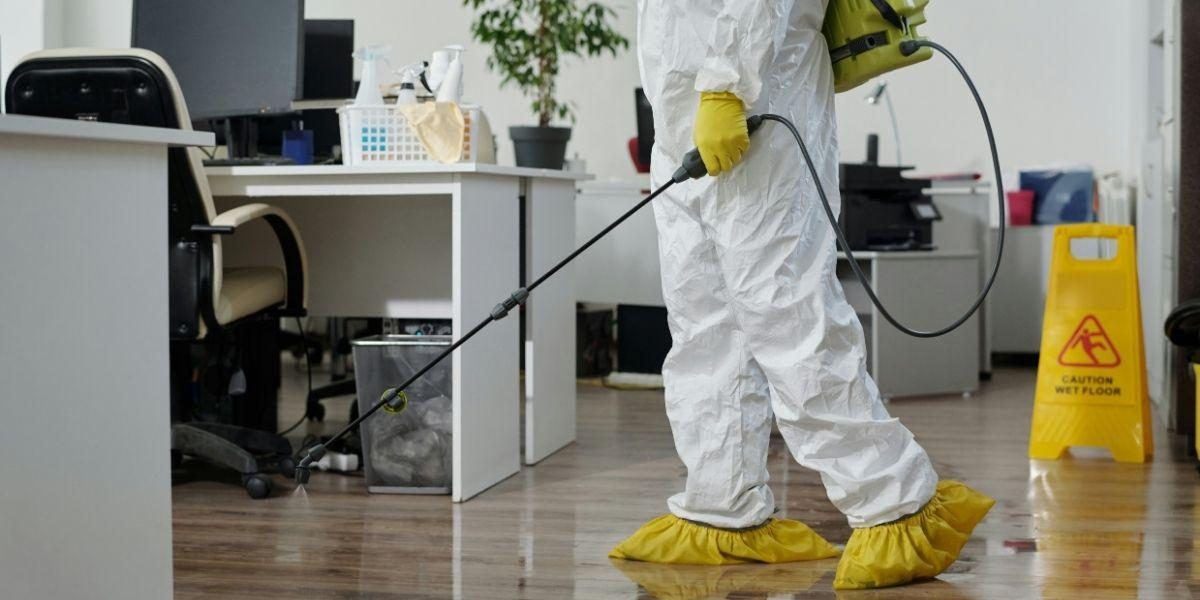

A traumatic event hurts more than property damage for property owners. Hidden dangers stay behind long after the police tape is gone.
Knowing about these risks helps keep people safe when they enter the space later. When owners understand the threats, they can make smarter choices to protect their homes and families.
Continue reading to discover everything you need to know!
Invisible Dangers Left Behind
Traumatic events create unsafe conditions inside a home or business. Professional teams knowing how crime scene cleanup functions keep spaces safe after traumatic incidents occur. Spilled fluids carry dangerous illness agents such as influenza and hepatitis that require expert remediation.
Microscopic threats soak into carpets, subflooring, and walls fast. Normal mops and vacuums cannot reach the deep layers where harmful particles hide.
If these spots stay untouched, the hazards creep into clean areas over time. That makes the whole space unsafe without anyone knowing it.
Bloodborne Pathogens In The Environment
Biological material left in a property is a serious health risk. Touching it can bring dangerous viruses like HIV into your home. These germs stay alive on surfaces long after the stains are gone.
Regular cleaners cannot fix this deep contamination. Household sprays are not strong enough to kill bloodborne viruses fully. If you ignore these risks, your family and guests can get hurt.
Long-Term Health Impacts
Inhaling or touching leftover contamination causes deep physical issues later on. Contracting bacteria or hidden diseases from a site leads to lasting health conditions for future residents.
Respiratory problems and severe infections often develop after prolonged exposure to contaminated air. Mold, bacteria, and microscopic traces pollute indoor air quality without proper treatment.
Chemical Residues From Investigation Tools
Forensic teams use specialized chemicals to gather evidence during an investigation. Traumatic sites retain hazardous biofluids along with chemical residues from fingerprint powders and luminol.
Breathing in fine chemical dust irritates lungs, skin, and eyes. Standard sweeping methods only stir these harsh powders back into the air. Specialized deep cleaning protocols remain necessary to scrub toxic chemicals from walls and furniture.
Pathogen Survival On Household Surfaces
Harmful microscopic organisms stay active far longer than most people expect. Dangerous pathogens survive outside the human body for days or weeks without proper deep decontamination. Normal home surfaces retain these harmful agents for extended periods when standard disinfections fall short.
Bacteria hide inside tiny cracks, porous wood, and soft upholstery fabrics. Time alone will not make a contaminated room safe for daily living. Full decontamination makes sure every surface meets strict safety standards before anyone returns.
Risks Of Improper Cleaning
Skipping expert restoration leaves occupants vulnerable to continuous environmental hazards. Neglecting deep forensic cleaning lets severe bloodborne illness linger and pose ongoing health risks. Attempting to handle dangerous materials without training puts individuals directly in harm’s way.
Common hidden risks include:
- Biohazards remain on soft surfaces
- Harmful germs spread through contact
- Chemical residues linger in rooms
- Airborne contaminants compromise safety
- Unseen fluids create health risks
Protecting Your Space Moving Forward
A crime scene presents complex biohazards, chemical residues, and bloodborne pathogens that standard household cleaning cannot address. Leaving these lingering environmental hazards untreated jeopardizes the long-term health and safety of anyone who enters or inhabits the property. Relying on professional remediation ensures that every surface is thoroughly decontaminated, sanitized, and safe for future use.
Looking for more tips and ideas? We’ve got you covered. Check out some of our other posts now.