
The Importance of Regular CPR Training
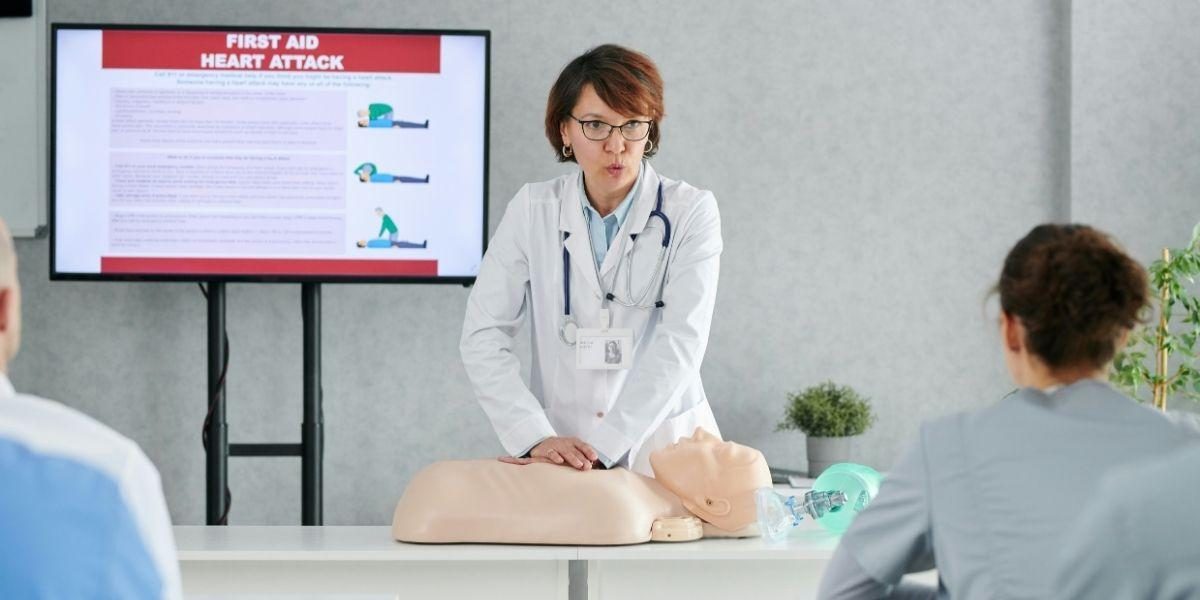
Maintaining CPR proficiency is a responsibility that no healthcare provider can afford to neglect. Medical professionals are expected to deliver the highest standard of care, and research shows that cognitive and psychomotor CPR skills can begin to diminish as early as 3 to 6 months after the last training session. This makes regular practice and updates essential for anyone in the healthcare setting.
In emergency situations, every second counts. Recent studies have demonstrated that teams led by individuals who have participated in recurring training sessions are more likely to produce successful patient outcomes. Proper training is not just about meeting a requirement. It is fundamental to saving lives.
To ensure certifications remain valid and up-to-date, many professionals opt for CPR recertification for healthcare providers courses that focus on current best practices.
Healthcare organizations and regulatory bodies emphasize the importance of ongoing skill refreshers. In fact, many credentialing boards require proof of recent training as a condition for employment and re-credentialing. This fosters a culture of continuous learning, allowing providers to respond swiftly and effectively to emergencies.
Regular reviews also foster greater confidence when delivering care under pressure. Whether in hospital code situations or unexpected public emergencies, confidence rooted in up-to-date training can make the difference between life and death.
Recent Updates in CPR Guidelines
The American Heart Association (AHA) regularly revises its CPR guidelines based on ongoing research and clinical experience. In 2026, notable updates have been introduced to address critical gaps and emerging needs in patient care. Among these are new algorithms for opioid overdose intervention and revisions to protocols for managing choking incidents. These updates aim to standardize care, improve survival rates, and improve overall response effectiveness among healthcare workers.
The updates reflect evidence-based shifts in how medical emergencies are managed, requiring both veteran professionals and recent graduates to revisit and refine their techniques. According to information from the American Heart Association, adherence to updated guidelines is a central component of quality improvement in healthcare systems.
Opioid Overdose Management
With opioid-related emergencies on the rise across North America, the 2025 guidelines have taken a firm stance on the necessity for immediate action during suspected overdoses. The recommendations now stress the need for healthcare professionals to be proficient in recognizing signs of opioid toxicity and administering naloxone alongside initiating rapid CPR. These measures are designed to increase the chances of survival and decrease the risk of long-term neurological impairment in affected individuals.
The updated protocol puts a spotlight on integrating naloxone administration into traditional CPR steps, making it a routine consideration in situations where opioid overdose is a possibility. This highlights the evolving scope of emergency medical interventions, especially in community and clinical settings.
Choking Response Protocols
Responding appropriately to choking incidents remains a cornerstone of lifesaving first aid. The latest AHA guidelines now recommend alternating five back blows with five abdominal thrusts for conscious adults and children until the obstruction is expelled or the person becomes unresponsive. This revised protocol is based on data supporting improved efficacy and safety when compared to older methods.
For healthcare providers, mastery of these updated techniques is critical. Ongoing training sessions are an opportunity to practice these interventions and build staff members’ competence.
Enhancing Training with Technology
Technological advancements are transforming the way CPR is taught and learned. Incorporating real-time feedback devices that monitor compression rate and depth has been shown to boost both the acquisition and retention of effective resuscitation skills. Many institutions are now using these devices for more interactive and impactful training sessions.
Gamified learning modules are also becoming increasingly popular. Gamified courses engage learners, offer immediate corrective feedback, and track progress over time. These elements can increase motivation and retention rates, ensuring that critical life-saving skills are consistently reinforced.
Specialized Training for Adaptive Athletes
Medical professionals must also be prepared to provide emergency care to athletes with disabilities. Specialized training now addresses unique risks and challenges associated with performing CPR and defibrillation for athletes in wheelchairs or with other mobility-related needs. These classes cover practical modifications and team coordination strategies, broadening the competency of all healthcare responders.
Inclusive training initiatives improve outcomes for people with disabilities, and they reinforce the values of equity and preparedness in athletic and community settings.
Team-Based CPR Training
Effective resuscitation often requires collaboration among several healthcare providers. Team-based training scenarios, which include nurses, medical residents, and other staff, foster better communication and efficient allocation of critical tasks during actual emergencies. These interdisciplinary simulations mirror real-world code blue events and have been shown to produce more coordinated, faster, and more accurate responses from teams.
This approach to training is particularly beneficial in large hospital systems, where well-practiced teamwork can streamline life-saving interventions for improved patient outcomes.
Staying Prepared for Emergencies
Healthcare professionals must prioritize regular CPR updates and embrace new training methods to remain effective in emergency scenarios. Staying informed of guideline changes, enhancing learning with technology, and participating in inclusive, team-oriented training help meet regulatory requirements. More importantly, they ultimately save lives through better-prepared, more confident practitioners.
Disclaimer: This content is for informational purposes only and is not intended as medical advice, nor does it replace professional medical expertise or treatment. If you have any concerns or questions about your health, always consult with a physician or other healthcare professional.