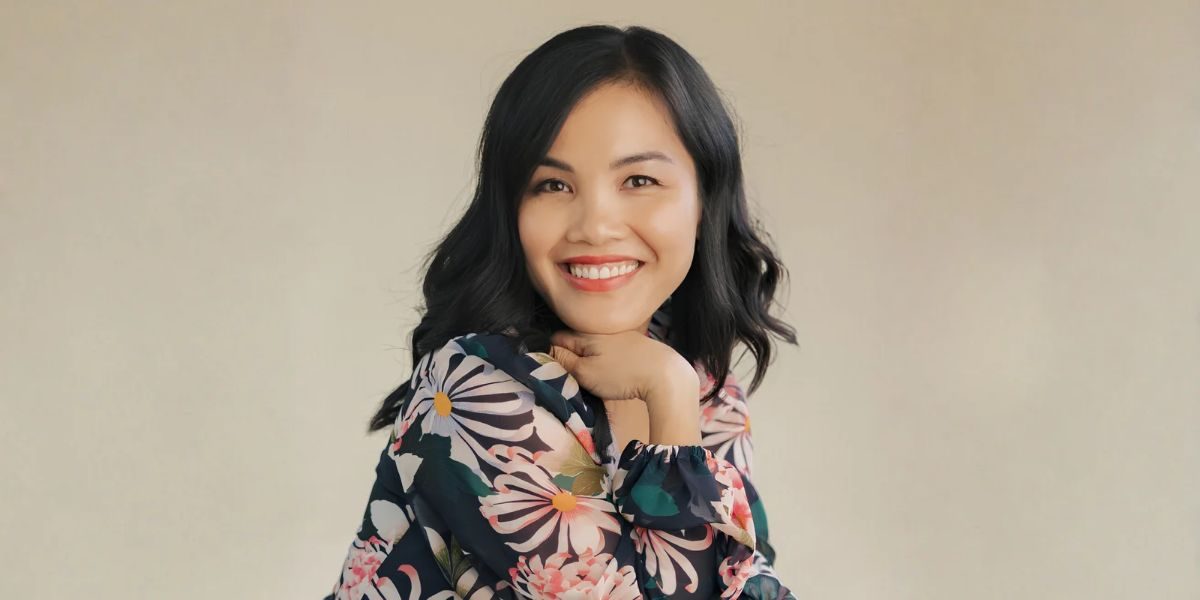

Most people meet their endodontist through a referral slip, arriving with little sense of who the specialist is. Dr. Vi Ho’s patients tend to show up differently. Many have searched specifically for a biological endodontist, and some fly in from other states or make long drives to reach Ho’s endodontic practice in Cypress, Texas.
Ho holds a DDS and a Master of Science in Dentistry and has practiced endodontics full time since 2012. Over those years, the practice has moved toward biological endodontics, an approach that weighs the materials and techniques used in root canal treatment against their effect on the rest of the body. Ho is also a certified functional nutrition counselor and a member of the American Association of Endodontists and the Wellness Dentist Institute.
What Led a Traditional Endodontist to Biological Dentistry?
Dr. Vi Ho did not set out to practice differently. After finishing dental school in Omaha, Nebraska, in 2009, Ho completed three years of endodontic specialty training alongside the master’s degree. The first job afterward was in a multi-doctor office with three experienced, well-known endodontists, all older men. As the office’s first female doctor, Ho had to work hard to earn referring dentists’ trust.
That first employer also passed along advice Ho still follows. “Just remember, you can always stop and bring the patient back the next day,” the mentor said. Ho treats it as a rule against pushing on once focus has faded.
A few years after opening the practice, Ho encountered biological dentistry, a movement that questions some conventional dental materials and methods. Some of its practitioners raise concerns about root canal treatment itself. For a specialist whose career rested on that procedure, the critique was disorienting.
“Everything I stood for suddenly looked like something negative,” Ho says.
Instead of dismissing it, Ho dug into the reasoning. “I put my pride down and let myself into their world, to learn what they do and understand the why,” Ho says. Ho never abandoned root canal therapy, but came to give far more weight to the mouth-body connection and began reexamining techniques and materials the specialty had long treated as standard.
Part of that education came through Dr. Katie To, whom Ho first met in a group for dentists who are also mothers and describes as a leader in biological dentistry. The shift carried real business risk. Ho owns the practice, and there was no way to know whether referring doctors or patients would accept something so unconventional. Today Ho holds certification through the International Academy of Biological Dentistry and Medicine and is one of a small number of biological endodontists practicing this way in the country.
How Does a Biological Endodontist Approach Root Canal Treatment?
For Dr. Vi Ho, the central purpose of a root canal is disinfection. The procedure depends on how thoroughly the root canal system is cleaned. Conventionally, reaching those narrow canals means widening them, which removes some healthy tooth structure purely for access.
Ho uses laser and ozone as part of the disinfection process. The technique is intended to deliver antimicrobial action without being harsh on the body, while sacrificing less natural tooth along the way. That conservation is the point. In Ho’s view, the amount of healthy tooth left behind is closely tied to how long the tooth can last.
“Ultimately, the goal of a root canal is to save the tooth,” Ho says. “And if we truly want to save it, we have to think carefully about the techniques that give it the best chance to last.”
When a Root Canal May Not Be the First Step
Some teeth are evaluated for an alternative before any root canal is scheduled. The practice looks at whether a tooth with an inflamed but still vital nerve is a candidate for a regenerative procedure. In those cases, Ho uses platelet-rich fibrin (PRF), a concentrate prepared from the patient’s own blood, together with laser and ozone therapy in an effort to preserve the nerve.
The practice also uses PRF in some surgical and trauma cases. After treatment, patients may be offered laser photobiomodulation therapy as part of post-operative care, with attention to comfort concerns such as jaw tiredness.
Why the Restoration Matters as Much as the Root Canal
Two misconceptions come up again and again with patients, according to Dr. Vi Ho. The first is that root canals are long, grueling appointments. Ho finds that reputation rests mostly on secondhand stories rather than on what modern treatment involves.
The second belief is harder to shake: that a root canal will eventually fail no matter what. Ho sees this as a misunderstanding of how the treatment works. Saving a tooth takes two phases, starting with the root canal and finishing with a well-sealed filling and a crown that fits in harmony with the patient’s bite.
“A beautifully done root canal can still fail if the restoration isn’t ideal,” Ho says. Leakage, decay, and damaging bite forces tend to enter through a poor restoration. When the tooth is eventually lost, though, the root canal usually takes the blame.
One Patient at a Time in an Insurance-Driven Field
Dr. Vi Ho believes dentistry has gradually lost genuine one-on-one time between doctor and patient as more of the field runs on insurance-driven schedules.
The Cypress practice books treatment patients one at a time, never side by side, except in emergencies. Before scheduling, staff asks callers what they need. Some are anxious, others have questions about materials, and the team works through those concerns first. If a consultation needs an hour, it gets the full hour.
That intake process reflects who the patients are. Many arrive already informed about biological dentistry and looking for a biological endodontist who shares their priorities, which Ho says creates a level of trust that is rare between doctors and patients. “I learn from my patients too,” Ho says.
Technology supports that model rather than replacing it. Ho sees 3D scans and AI-assisted X-ray analysis as tools that sharpen diagnosis and give patients a visual way to understand what is happening in their own mouths.
The Mouth-Body Connection Beyond the Chair
Patients have changed, too. Dr. Vi Ho has watched them become far more informed about treatments and materials and far more interested in what is going into their bodies. “It’s no longer just a mechanical job of placing a filling or a crown,” Ho says.
For a biological endodontist, that shift points toward the next step. Because the practice is referral-based and focused on a single procedure, Ho plans to expand patient education beyond dentistry into nutrition, recipes, and lifestyle, with particular interest in how oral health ties to the gut. Plenty of dentists already teach the procedures, and Ho wants to cover the daily habits that eventually show up in the mouth.
Cooking sits close to that work. Ho treats it as a creative outlet, refining a dish each time, and sees the same instinct at the treatment chair. “Better and healthier, never better at the expense of health,” Ho says. That thinking also runs through the content Ho shares on Instagram as @dr.viho and the Dr. Vi Ho Wellness YouTube channel.
Outside the practice, Ho is raising three children in a family grounded in faith and plays pickleball every week without fail. The game is a deliberate reset, and Ho says coming back recharged means showing up for family and patients with a clearer, more focused mind.
Disclaimer: This article is provided for general informational and educational purposes only and does not constitute medical, dental, nutritional, or other professional advice. Information regarding root canal treatment, biological endodontics, laser therapy, ozone, platelet-rich fibrin (PRF), regenerative procedures, photobiomodulation, dental materials, diagnostic technologies, nutrition, and the mouth-body connection is provided for general educational purposes and should not be used to diagnose, treat, cure, or prevent any medical or dental condition. The safety, effectiveness, appropriateness, and availability of any procedure or technique may vary depending on the individual patient and clinical circumstances. Readers should consult a qualified dentist, endodontist, physician, or other appropriate healthcare professional before making decisions about their care. References to research, professional organizations, technologies, treatments, or practitioners do not constitute an endorsement or guarantee of safety, effectiveness, or a particular outcome. Information about Dr. Vi Ho, her practice, credentials, services, and treatment approaches is based on information provided for this article and may change over time. No specific dental, medical, or health outcome is guaranteed.