By:Aimee Tariq
For years, ambitious leaders experimented with supplements, wearable trackers, and the latest fitness fads in the hope of gaining an edge. The biohacking trend offered quick improvements and personal optimization, but its limitations are becoming more apparent. As a result, an increasing number of high-performing executives are exploring more structured approaches, such as medical-grade regenerative wellness programs.
While regenerative medicine remains non‑FDA‑approved and in the emerging stage of development, its appeal among executives lies in the combination of advanced diagnostics, personalised protocols, and professional oversight. For leaders used to data-driven decision-making, the move away from trial-and-error wellness toward clinically guided strategies is a logical next step.
1. The Limits Of Diy Wellness
Many self-directed wellness routines focus on surface-level optimisation—sleep tracking, over-the-counter nootropics, intermittent fasting, and other widely available tools. While these can provide incremental improvements, results often plateau without precise data or targeted interventions.
Dr. Luis Del Rio, founder of Peak Health, frames the distinction simply: “Wellness is for the general population. Regeneration is for those who lead it.” His point is not about exclusivity, but about the depth of analysis and customisation required to match the demands of elite leadership.
2. Closing The Data Gap
Many biohacking tools collect data, but it’s often incomplete or lacks context. A heart rate score without hormone levels. Sleep tracking without inflammatory markers. Nutrition logs without mitochondrial function insights. Without a full picture, leaders may optimise one variable while missing the root cause of fatigue or performance dips.
At Peak Health, every client begins with comprehensive testing, which may include:
- Epigenetic and genomic panels
- Hormonal and metabolic mapping
- Inflammatory and immune response assessment
- Mitochondrial function evaluation
These diagnostics form the foundation for any subsequent protocol, ensuring the approach addresses underlying factors rather than symptoms alone.
3. What “Medical‑grade” Really Means
In Dr. Del Rio’s framework, “medical‑grade” is more than a marketing term—it represents a standard of care grounded in licensed clinical oversight, laboratory precision, and ongoing monitoring. While still non‑FDA‑approved, Peak Health’s protocols operate within wellness parameters and are delivered by trained professionals.
Elements of these programs may include:
- Infusions prepared with regenerative research in mind, such as exosome‑derived solutions
- Peptide programs dosed in alignment with biomarker trends
- Clinical‑grade supplementation tailored to lab data
- Regular reviews to adapt the program as new results come in
This approach shifts the conversation from “hacking” biology to systematically managing it.
4. Executives As Health Operators
Effective leaders apply operational discipline to every area of their business. Increasingly, they are applying that same mindset to their personal biology. Instead of viewing health as an afterthought, they track it like a key performance metric.
In this model, regenerative‑inspired wellness becomes a recurring investment—reviewed, measured, and refined quarterly, much like corporate strategy. By integrating health into their operational planning, executives treat their energy, focus, and resilience as assets to be managed, not just maintained.
5. Oversight And Outcomes
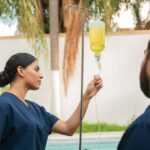
One hallmark of medical‑grade regenerative programs is consistent clinical oversight. At Peak Health, many clients opt for secure, at‑home IV therapy and wellness visits to minimise disruption. Biomarkers are tracked at each stage, and protocols are adjusted accordingly.
Clients have reported experiences such as improved focus during complex strategy sessions, steadier energy during long workdays, and quicker recovery after travel. These are individual accounts rather than promised results, but they underscore the difference between unstructured experimentation and guided, data‑informed practice.
6. From Experiment To Infrastructure
The shift from DIY biohacks to structured regenerative wellness mirrors the maturity of the executive mindset. Leaders understand that enterprise systems don’t run on untested beta apps—and they are beginning to view their own health through the same lens.
Rather than piecing together supplements, wearable feedback, and internet advice, they are building an integrated, professionally supported “infrastructure” for sustained performance. In this way, regenerative‑inspired protocols are less about chasing trends and more about establishing long‑term stability.
7. The End Of Guesswork
Hope and guesswork are not strategies in the boardroom, and many executives are realising they shouldn’t be strategies for personal health either. By combining comprehensive diagnostics with professional oversight, leaders can move away from trial‑and‑error routines toward a more intentional, measured approach.
Dr. Del Rio summarises the philosophy this way: “We give clients a full map of where they are, and then design the route to where they want to be. It’s not about doing more—it’s about doing what matters, at the right time, with the right tools.”
In Summary:
Medical‑grade regenerative wellness is not about replacing healthy habits, but about refining them through science, precision, and professional guidance. For executives, the attraction lies in moving beyond generic optimisation toward customised strategies designed to sustain leadership capacity.
Clinics like Peak Health, under Dr. Luis Del Rio’s direction, are creating models that integrate advanced testing, personalised protocols, and adaptable planning—always with transparency about the non-FDA-approved status of regenerative interventions.
In an era where leadership demands are relentless, this shift represents more than a trend. It’s part of a broader recognition that sustaining influence, decision‑making, and stamina over decades requires more than DIY wellness—it requires treating personal health as the most valuable enterprise you run.
Disclaimer: The information presented in this article is intended for informational purposes only and should not be interpreted as medical advice. The regenerative therapies and wellness programs discussed, including those offered by Peak Health, are not FDA-approved and remain in the research or exploratory stages. Any statements regarding the potential benefits of regenerative medicine, longevity science, or the clinic’s offerings are based on emerging technologies and current scientific understanding, which may evolve over time. Results may vary, and there is no guarantee of efficacy. Individuals considering participation in such programs should consult with a qualified healthcare professional before making any decisions related to their health and wellness. The content does not endorse or guarantee the success of any treatments or therapies mentioned.