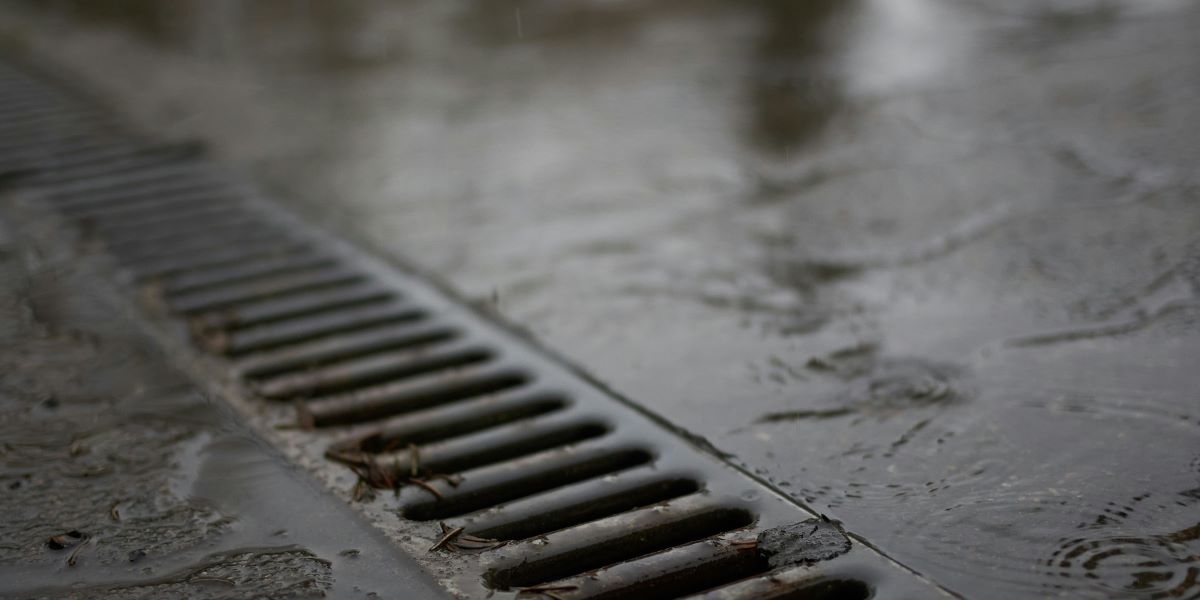

New York City and New York State are spending $8.4 million to replace concrete roadway medians in three Queens neighborhoods with landscaped green corridors engineered to absorb stormwater, part of a broader push to reduce flooding across a borough that has faced repeated damage from extreme rain events. The project, announced August 27 by Mayor Zohran Mamdani, Governor Kathy Hochul, and Department of Environmental Protection Commissioner Lisa F. Garcia, targets medians in Whitestone, Forest Hills, and Queens Village that will together capture an estimated five million gallons of stormwater each year.
Key Takeaways
- Three concrete medians in Whitestone, Forest Hills, and Queens Village will be rebuilt as green infrastructure “sponges” designed to absorb stormwater before it enters the combined sewer system.
- The projects are expected to capture a combined five million gallons of stormwater annually, reducing combined sewer overflow into the East River, Flushing Bay, and Jamaica Bay.
- New York State is contributing $5 million of the $8.4 million total through the Green Innovation Grant Program and the Water Quality Improvement Project.
- Construction in Whitestone along Francis Lewis Boulevard is nearing completion; Forest Hills planting begins this fall, and Queens Village construction starts later in 2026.
- Each site includes ADA-compliant pedestrian ramps and detectable warning surfaces alongside the stormwater upgrades.
- The investment adds to the Mamdani administration’s broader climate resiliency spending, which includes a $43.2 million coastal resiliency bureau expansion and a $2.8 billion southeast Queens sewage overhaul.
Three Neighborhoods, Three Drainage Problems, One Engineering Approach
The project follows a consistent playbook across all three sites: remove aging concrete medians, clear accumulated debris and dead vegetation, and install specially engineered soils above underground stormwater storage chambers. New inlet openings built into the curb line will channel rainwater off the road surface and directly into the planted areas, where native shrubs, grasses, and wildflowers will filter and absorb the runoff before it ever reaches the sewer network.
Each median targets a different waterway and handles a distinct volume of runoff, but the engineering logic is the same. The Whitestone median along Francis Lewis Boulevard, stretching 1,105 feet between 20th Avenue and 21st Road, draws from a 1.17-acre drainage area and will manage 1.11 million gallons of stormwater per year. That volume currently contributes to combined sewer overflows into the East River. The Whitestone installation is already nearing completion.
The Forest Hills site along Union Turnpike, between Metropolitan Avenue and 71st Road, is the largest of the three at 3,245 feet. Drawing from a 2.56-acre drainage area, the Forest Hills median is projected to handle 2.43 million gallons of stormwater annually, with captured runoff diverted from entering the combined system that feeds into Flushing Bay. Planting at the Forest Hills site begins this fall.
In Queens Village, a 1,182-foot median along Springfield Boulevard between Lucas Street and Merrick Boulevard will serve a 1.51-acre drainage area and capture 1.44 million gallons annually, targeting overflow into Jamaica Bay. Construction there is expected to begin later this year.
State Funding Covers the Majority of Project Costs
New York State is providing $5 million of the $8.4 million total, drawn from two grant programs: the Green Innovation Grant Program administered by the Environmental Facilities Corporation, and the Water Quality Improvement Project managed by the Department of Environmental Conservation. The state funding represents roughly 60 percent of the total project cost, an arrangement that reflects Albany’s broader push under Governor Hochul to invest in municipal-level green infrastructure statewide.
Earlier in 2026, the Governor proposed a five-year, $3.75 billion commitment to modernize the state’s water systems, including continued funding for programs like WQIP and the Green Innovation Grant Program. The Queens medians fit squarely within that framework, and the state’s financial stake in the project signals a recurring funding model that other city agencies may attempt to replicate in future resiliency proposals.
Queens Medians Join a Citywide Green Infrastructure Network of Thousands of Installations
New York City operates one of the largest publicly supported green infrastructure programs in the country. Roughly 60 percent of the city relies on a combined sewer system where stormwater and wastewater share the same pipes. During heavy rain, those pipes overflow, sending an estimated 18 billion gallons of combined sewage into surrounding waterways each year through 398 outfall points. The city has committed approximately $10 billion in combined grey and green infrastructure projects to reduce those overflows, with a target of eliminating 1.67 billion gallons of CSO discharge annually by 2030.
The Queens median project is a small piece of that larger puzzle, but it reflects a design philosophy that has gained traction across city agencies. DEP Commissioner Garcia framed the work as part of a shift in how the city thinks about its own roadways. Converting concrete surfaces that accelerate runoff into planted areas that slow and absorb it addresses flooding at the source, reducing downstream pressure on treatment plants and outfall points.
The Mamdani administration has layered several flood-related investments in recent months. A $43.2 million expansion of DEP’s coastal resiliency bureau, announced in the latest city budget, is adding maintenance workers, inspectors, and engineers focused on long-term shoreline protection. A separate $2.8 billion initiative targets the chronically flooded southeast Queens sewer system. And a Council member representing central Queens recently pressed the administration for more aggressive catch basin maintenance and underground retention tanks in neighborhoods where the existing infrastructure cannot handle rainfall volumes.
Pedestrian Safety Upgrades Bundled With the Green Build
Beyond stormwater management, each median project includes pedestrian safety improvements that the city’s Department of Transportation coordinated alongside DEP and NYC Parks. New ADA-compliant ramps and detectable warning surfaces will be installed at each site, addressing accessibility gaps along corridors where the existing medians offered no structured pedestrian accommodation. DOT Commissioner Mike Flynn noted that the medians serve a dual role: organizing traffic flow while absorbing environmental risk that would otherwise compound during heavy storms.
The landscaping itself will introduce native plantings selected for the local climate and soil conditions, with the added effect of cooling the surrounding streetscape during warmer months. The city has not released a specific maintenance plan for the new medians, but DEP’s broader green infrastructure program typically requires long-term upkeep commitments as a condition of funding.
FAQs
What neighborhoods are getting new green medians in Queens?
Whitestone, Forest Hills, and Queens Village are the three neighborhoods receiving green stormwater medians as part of the $8.4 million investment. The Whitestone installation along Francis Lewis Boulevard is already nearing completion, Forest Hills along Union Turnpike begins planting this fall, and Queens Village along Springfield Boulevard starts construction later in 2026.
How much stormwater will the green medians capture?
The three sites are projected to capture a combined five million gallons of stormwater per year. Whitestone will handle 1.11 million gallons, Forest Hills 2.43 million gallons, and Queens Village 1.44 million gallons. The captured water would otherwise contribute to combined sewer overflows into the East River, Flushing Bay, and Jamaica Bay.
Who is paying for the Queens green median project?
New York State is providing $5 million of the $8.4 million total through two grant programs: the Green Innovation Grant Program and the Water Quality Improvement Project. The remaining funds come from the city’s capital budget through the Department of Environmental Protection.
When will the Queens green median projects be finished?
The Whitestone median along Francis Lewis Boulevard is nearing completion as of late August 2026. The Forest Hills median on Union Turnpike will be planted this fall. Construction on the Queens Village median along Springfield Boulevard is expected to begin later in 2026, though no specific completion date has been announced for either the Forest Hills or Queens Village sites.