
At some point in childhood, every child experiences the quiet confusion of change. A friend moves away. A beloved teacher is no longer there. A routine shift. Even when these moments seem small to adults, they can feel enormous to children. Often, children do not yet have the language to explain what they are feeling, only the sensation that something familiar is gone.
Stories have long served as one of the most effective ways to help children process these experiences. Long before children can articulate grief or loss, they can recognize it in a character. A well-crafted story does not explain emotions to children. It allows them to discover emotions for themselves.
Theo & Maurice is rooted in this understanding. At its core, the story is about friendship. But more specifically, it is about what happens when a meaningful connection changes, and how children can learn to move forward without fear.
Friendship is often a child’s first deeply personal relationship outside the family. These bonds are intense, imaginative, and emotionally significant. When a friendship changes or ends, children may feel sadness, confusion, or even guilt, without knowing why. Adults sometimes underestimate this emotional weight, assuming children will simply move on. But children do not move the way adults do. They carry experiences inside themselves, often without clear guidance on how to make sense of them.
Stories provide that guidance gently.
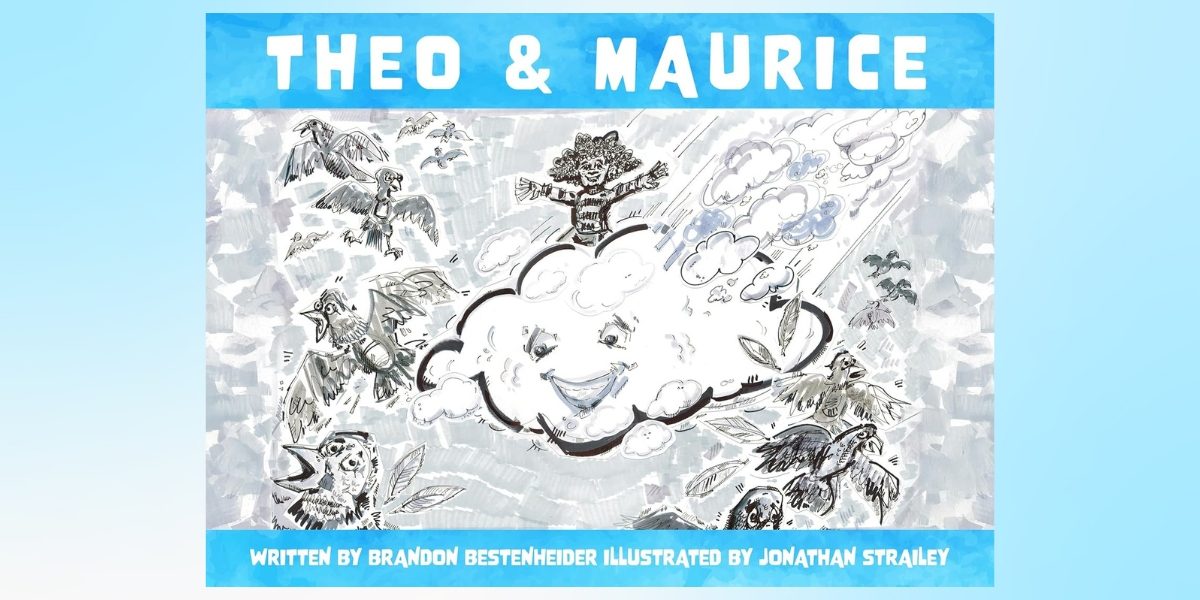
In Theo & Maurice, the friendship between a boy and a cloud mirrors the way children experience connection. Their time together is joyful, playful, and rooted in curiosity. There is no urgency to teach a lesson early. Instead, the story allows readers to live inside the friendship first. This is crucial. Before children can understand loss, they need to understand love.
When change enters the story, it does so gradually. Maurice does not disappear suddenly. He begins to shrink. This mirrors real life more closely than sudden endings. Change often arrives slowly, quietly, and without explanation. For children, this can be unsettling. They sense something is different but cannot yet name it.
By using metaphor, the story creates emotional safety. A cloud shrinking is not frightening, yet it carries emotional truth. Metaphor gives children space. It allows them to engage with difficult ideas without feeling overwhelmed. This emotional distance is what makes stories such powerful tools for discussing complex experiences.
When Maurice finally disappears, the story does not rush to comfort Theo. It acknowledges the pain directly. “Losing a friend feels like losing a part of yourself.” That sentence alone validates an experience many children feel but rarely hear named. Validation is one of the most important gifts a story can give.
Equally important is what the story does not do. It does not suggest that sadness is wrong. It does not force immediate happiness. It allows grief to exist without defining the character entirely. This teaches children that sadness is something to move through, not something to fear.
Maurice’s return at the end of the story does not undo the loss. Instead, it reframes it. Children learn that some connections change shape, disappear for a time, or return differently. The lesson is not that loss never truly occurs, butrather love leaves traces that remain.
Stories like this are not just comforting. They are developmental tools. They help children build anemotional vocabulary. They teach empathy by allowing children to step into another person’s perspective. They also give adults a shared language to begin conversations that might otherwise feel difficult.
When children encounter stories that respect their emotional depth, they feel seen. They learn that their feelings matter. And in that recognition, they begin to develop resilience, not because they are told to be strong, but because they are allowed to feel it.