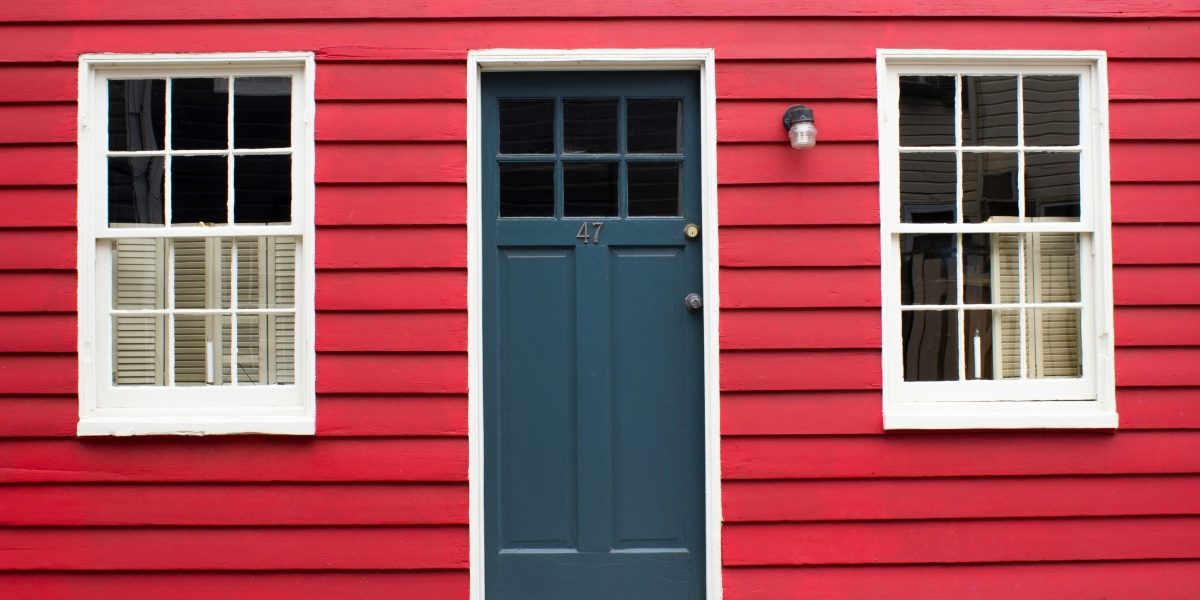

Choosing an exterior contractor in Greater Boston is a decision most homeowners make once every fifteen to twenty years, which means that most people go through the process without the benefit of prior experience to guide them. The contractor market is crowded, the range of quality is wide, and the consequences of a poor choice do not always become apparent immediately. A siding installation that looks acceptable in the first season can reveal its limitations within three to five years, when premature paint failure, moisture infiltration at improperly detailed transitions, or panels buckling under the thermal cycling of New England winters make clear that the installation did not meet the standard the climate demands. By then, the contractor has moved on and the cost of correction falls entirely on the homeowner.
Why the Name Behind the Work Matters in Massachusetts
In the Massachusetts exterior contractor market, a company’s track record in the local area is the most reliable predictor of the quality a homeowner can expect. Plum Pro Exteriors has built its reputation across the Greater Boston market through a consistent approach to exterior work that prioritizes building envelope performance alongside visual outcome, treating siding, windows, roofing, and trim not as independent cosmetic upgrades but as components of an integrated system that either manages moisture and energy effectively or does not. That system perspective is what separates exterior work that holds up from exterior work that looks good initially and disappoints progressively.
The accountability that comes with being embedded in a specific local market also shapes how established Massachusetts exterior companies approach their work. A contractor whose customer base is largely referral-driven, who counts on satisfied customers in Newton to send their neighbors, on a Brookline homeowner to mention their name to the friend buying in Wellesley, has a direct financial stake in every project performing well beyond the day the check clears. That accountability is the most powerful quality control mechanism available, more reliable than any certification or licensing requirement, and it is the reason that the exterior companies with the strongest local reputations consistently produce the most durable results.
Reading Between the Lines of Contractor Reviews
Online reviews of exterior contractors reveal more than star ratings suggest when read carefully. Reviews that mention specific details, the crew that left the site clean every evening, the project manager who called proactively when a delivery was delayed, the way a discovered rot condition was handled transparently with photos and a clear explanation before additional work was approved, reflect the operational discipline that produces consistently good results. Reviews that are vague about the work itself but enthusiastic about the price suggest a customer who prioritized cost and got what they paid for. And the pattern of responses to negative reviews reveals whether the contractor’s leadership engages with problems or deflects them, which is a meaningful signal about how the company handles the complications that arise on every complex exterior project.
The Exterior Services That Define a Full-Service Massachusetts Contractor
A contractor serving Massachusetts homeowners comprehensively covers the full range of exterior work that the state’s housing stock requires, not just the high-volume categories that generate the most revenue, but the full scope of services that allows a homeowner to address all of their exterior needs through a single trusted relationship. The services that define this capability include:
- Full siding replacement and targeted repair, from complete reclading projects involving full moisture barrier replacement and substrate remediation to targeted section repairs that address specific damage without requiring whole-house replacement, executed with the material-matching skill that makes repairs visually seamless.
- Window and door replacement is an area where the thermal performance implications are particularly significant in Massachusetts, where single-pane and early double-pane windows in the state’s extensive pre-1990 housing stock represent a major ongoing energy cost that modern low-E units address directly.
- Soffit, fascia, and trim work, the detail elements of the building exterior that are often deferred until they are in visibly poor condition, at which point they have frequently allowed moisture to progress further into the structure than surface deterioration suggests. Replacing deteriorated wood trim with low-maintenance cellular PVC or fiber cement alternatives eliminates the ongoing maintenance cycle while preserving architectural character.
- Roofing replacement and repair, a service category where Massachusetts conditions, ice dam formation, snow load, and the wet-dry cycling of shoulder seasons make the choice of materials, underlayment, and installation details particularly consequential for long-term performance.
- Dry rot assessment and remediation, a service that distinguishes contractors who understand building envelope pathology from those who simply replace what is visibly damaged. Thorough dry rot remediation traces the moisture pathway that caused the decay, addresses it, and replaces all affected material, producing a repair that does not require revisiting rather than one that covers over conditions that will continue to progress.
Project Management: What Homeowners Should Expect During an Exterior Project
The experience of having exterior work done on an occupied home is a significant imposition on daily life that a well-run contractor minimizes through clear communication and disciplined site management. Before work begins, the homeowner should know exactly what the project timeline looks like, what access will be required and when, how the crew will manage materials and debris on site, and what the process is for communicating about conditions discovered during demolition that affect the scope or timeline. During the project, a dedicated point of contact who responds promptly to questions and provides updates without being asked is the standard that separates professional exterior companies from those whose communication is reactive rather than proactive. After completion, a walkthrough with the project manager that reviews the work against the contract scope and addresses any items requiring attention before final payment creates the mutual confidence that the job is genuinely complete.
How Massachusetts Homeowners Should Approach the Contractor Selection Process
The contractor selection process for a major exterior project benefits from a structured approach that goes beyond collecting prices to evaluating the quality and completeness of each proposal, verifying credentials independently, and assessing the specific experience each contractor brings to the type of work the project requires.
The Verification Steps That Protect Homeowners
Verifying a contractor’s Massachusetts Home Improvement Contractor registration through the OCABR public database takes two minutes and confirms that the contractor is legally authorized to perform home improvement work in the state. Requesting current certificates of insurance, general liability and workers’ compensation, and reviewing them rather than accepting verbal confirmation protects the homeowner from liability exposure if an injury or property damage occurs during the project. For projects involving specific branded products, confirming the contractor’s manufacturer certification status, which can typically be verified directly with the manufacturer, establishes whether extended product warranties are available on the completed installation. These verification steps are straightforward and add no cost to the project; skipping them is a risk that occasionally becomes very expensive.
The Compound Return on Quality Exterior Work
The return on a well-executed exterior project in Massachusetts accumulates across multiple dimensions simultaneously and over a time horizon long enough that it substantially exceeds the initial investment when calculated honestly. The avoided maintenance cost of not repainting wood siding every five to seven years, not recaulking window perimeters annually, not patching roofline rot repeatedly, these are real costs that quality installation eliminates rather than defers. The energy savings from improved thermal performance compound year over year. The property value premium that a well-maintained exterior commands in the Massachusetts market is visible every time the home is assessed or listed. And the peace of mind that comes from knowing the building envelope is sound, that the next winter will not reveal a moisture problem that has been developing invisibly behind the cladding, is a genuine quality-of-life benefit that resists quantification but is no less real for that.