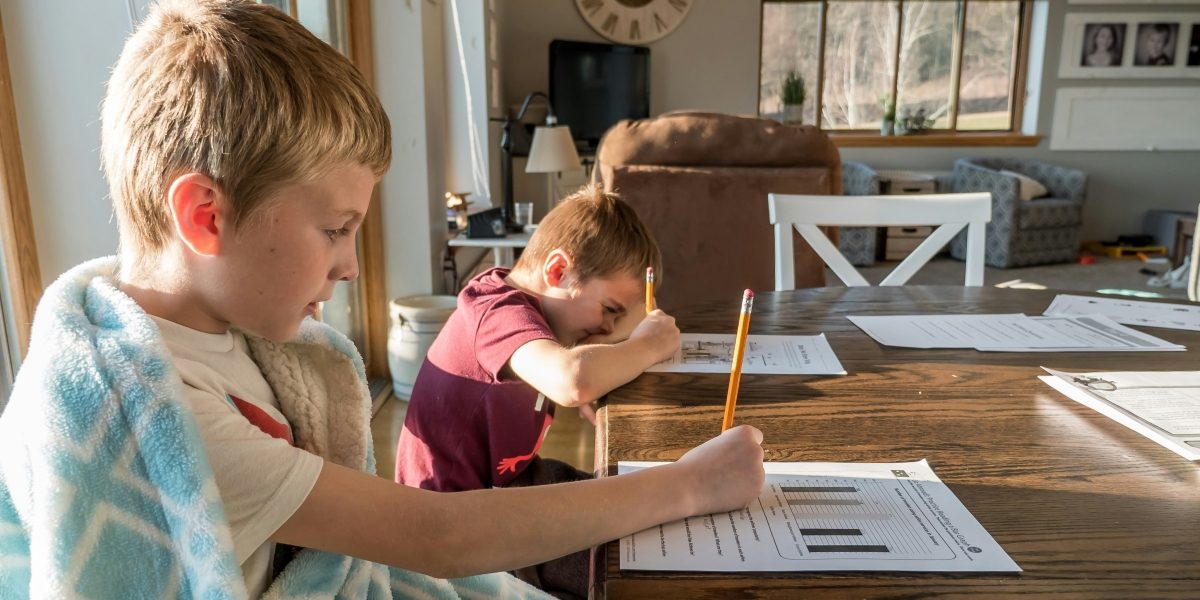

Classrooms may be the formal centre of education, but much of a child’s growth happens at home. Parents, often without realising it, play an essential role in shaping learning habits and nurturing curiosity. The good news is that you don’t need to be a qualified teacher to make a big impact. With simple strategies, everyday routines, and a supportive environment, parents can create a home atmosphere that mirrors the focus of school while keeping stress to a minimum. The aim is not to replicate the classroom but to bring the spirit of learning into daily life.
Create a Peaceful Study Space
One of the most effective ways to support learning at home is to set aside a dedicated study area. This doesn’t have to be a full office or an elaborate desk setup; what matters most is consistency and comfort. Children thrive when they know exactly where their learning takes place. A tidy table, a comfortable chair, and a space free from unnecessary clutter create the right conditions for focus.
Lighting is equally important. Natural light is best, but if that’s not available, a small desk lamp can make a big difference. Keep essential supplies, pens, notebooks, and calculators within easy reach to avoid constant interruptions. If your home is busy or noisy, headphones can help create a quiet bubble that allows your child to concentrate. The key is to design a space that feels like it belongs to learning, making it easier for children to transition from leisure into study mode.
Keep Routines Gentle
Children benefit from structure, but that doesn’t mean study time has to feel strict or overwhelming. The most effective routines are gentle, predictable, and balanced with plenty of space for rest and play. Instead of trying to squeeze in long blocks of study, aim for shorter sessions spread across the week. Twenty or thirty minutes of focused effort can often achieve more than hours spent at a desk with wandering attention.
It’s also important to weave study around the natural rhythm of family life. Some children concentrate best in the morning, while others find their focus later in the day. By adjusting to your child’s energy levels, you create a routine that feels supportive rather than forced. And if a day doesn’t go to plan, that’s fine; flexibility helps prevent burnout. The goal is to create consistency without pressure, turning study into a habit rather than a chore.
Celebrate Small Successes
Progress in learning often happens step by step, and recognising those moments is one of the best ways to keep children motivated. Instead of waiting for a big exam result or a full project to be completed, focus on the little wins along the way. Finishing a chapter of reading, mastering a tricky maths problem, or writing a clear paragraph are all achievements worth celebrating.
Acknowledging these efforts builds confidence and shows children that learning is a journey, not just a series of outcomes. Praise should highlight effort as much as results; for example, “I can see how hard you worked on that” is just as powerful as “Well done, you got it right.” Small celebrations, whether through words of encouragement, stickers, or simply noting progress on a chart, turn study into a positive experience. When children feel their work is valued, they’re more likely to approach the next task with enthusiasm.
Boost Learning with Active Engagement
Children remember more when they actively take part in their own learning. Instead of simply reading notes or listening quietly, encourage them to explain ideas back in their own words. Teaching a parent or sibling what they’ve just learnt is a powerful way to strengthen understanding. Drawing diagrams, making flashcards, or even turning revision into a short quiz can keep the process lively and memorable.
Mistakes should be treated as part of the journey, not as setbacks. When a child gets something wrong, ask them to walk through their thinking and identify where it went off track. This helps them see errors as learning opportunities rather than failures. Active engagement not only deepens knowledge but also builds confidence, independence, and problem-solving skills, qualities that go far beyond schoolwork.
Use Technology Wisely
Digital tools can be an excellent ally for learning, but without boundaries they can quickly become a distraction. Before study begins, encourage your child to put devices into “study mode” by turning off notifications, closing social media tabs, and opening only the apps or websites they actually need. Full-screen mode on a computer or tablet helps maintain focus, while setting timers for short sessions prevents endless scrolling.
Technology also unlocks tailored learning opportunities. Platforms like Edumentors connect families with expert tutors from top UK universities, offering not just subject expertise but also motivation and mentoring in bite-sized, flexible sessions. This mirrors what research supports: personalised approaches enhance learning outcomes. For instance, Edutopia explains that effective personalised learning isn’t only about technology; it’s about giving students the tools to shape their own experience, strengthening their sense of agency and reinforcing learning through meaningful engagement and choice.
Know When to Ask for Extra Help
Even with the best routines, active engagement, and smart use of technology, some subjects may still feel like uphill battles. It’s perfectly normal for children to struggle now and then, but if frustration becomes the norm or confidence starts to dip, it might be time to bring in extra support.
As a parent, recognising these signs early is key. Consistent difficulty with homework, reluctance to tackle certain subjects, or rising stress around tests often signal that your child could benefit from outside guidance. This doesn’t mean they’re failing; it simply means they need a different approach. A tutor can provide focused attention that’s hard to achieve in a busy classroom, helping students to break down complex ideas and rebuild their confidence step by step.
By seeking help at the right moment, you’re not just solving immediate problems; you’re giving your child tools and strategies they’ll carry into future learning. Tutoring isn’t a last resort; it’s a proactive way to ensure progress continues smoothly.
Final Thoughts
Parents often underestimate the influence they have on their child’s education. While schools and teachers provide the core curriculum, it’s the home environment that shapes a child’s mindset towards learning. By creating a calm space, encouraging routines, celebrating small wins, and using technology wisely, you’re already building the foundation for success.
You don’t need to be an expert in algebra or essay writing to make a difference. What matters most is consistency, encouragement, and recognising when extra help is needed. Whether that comes from a tutor, a trusted platform, or simply a shift in approach, every step you take shows your child that learning is valuable. Bringing the classroom home isn’t about replacing school; it’s about reinforcing skills, building confidence, and showing that education is a shared journey.