How Accessibility Testing Tools Can Improve Your Website’s Usability

By: Chiara Accardi

Building a website is more than just making it look good—it’s about ensuring that everyone who visits can actually use it. Enter accessibility testing tools, the unsung heroes of website usability. If you want your site to be truly user-friendly for everyone, including people with disabilities, these tools are a must-have. They help you find and fix the areas where your site might be falling short, improving not only accessibility but also overall usability.

In this article, we’ll explore how accessibility testing tools work, why they matter, and how they can enhance the usability of your website, making it easier for everyone to navigate and enjoy.

What Are Accessibility Testing Tools?

Accessibility testing tools are software programs designed to evaluate whether your website is accessible to people with disabilities. These tools analyze various aspects of your site, from how easy it is to navigate with a keyboard to how well your images are described for screen readers. They also check if your website follows established guidelines like the Web Content Accessibility Guidelines (WCAG) or legal standards such as the Americans with Disabilities Act (ADA).

But here’s the kicker: these tools don’t just help people with disabilities—they improve usability for all users. Think about it: a website that’s easy to navigate, with clear text and good design, benefits everyone. And with accessibility testing tools, you can identify pain points on your site that you might not have even realized were there.

Why Usability and Accessibility Go Hand-in-Hand

You might be wondering, “How does accessibility really impact usability?” Well, let’s break it down.

When a website is accessible, it’s designed to work well for people with different needs. This includes users who rely on screen readers, those who can’t use a mouse, or even those who struggle with poor internet connections. But here’s the thing: the very same elements that make a site accessible—clear navigation, readable fonts, high contrast, and fast load times—also make it more usable for everyone.

Think of it this way: have you ever been on a site where you couldn’t find what you were looking for, or where the text was too small to read? Frustrating, right? That’s exactly what users with disabilities experience on sites that aren’t accessible. By fixing these issues, you’re making your site more usable for all visitors, regardless of their abilities.

Key Features of Accessibility Testing Tools

Now that you understand why accessibility tools are important, let’s talk about the specific features these tools offer and how they can improve your website.

1. Keyboard Navigation Checks

Many users, especially those with motor disabilities, navigate websites using only a keyboard. Accessibility testing tools check whether all interactive elements (like buttons, forms, and links) are accessible through keyboard shortcuts. If your site isn’t keyboard-friendly, users will find it frustrating or even impossible to navigate.

By making your site easy to use with just a keyboard, you’re improving usability for everyone, especially those who prefer not to use a mouse—like people on laptops or tablets.

2. Color Contrast Analysis

Good color contrast ensures that text is readable, even for users with low vision or color blindness. Accessibility testing tools evaluate whether your text contrasts sufficiently with its background. If the contrast is too low, users may have trouble reading the content.

High contrast doesn’t just help people with vision impairments—it also

makes the website easier to read for everyone, especially in bright environments or on mobile devices. A well-contrasted site feels cleaner, sharper, and more professional, improving the overall user experience.

3. Alt Text Evaluation

Images are a big part of the web experience, but for users with visual impairments, images without proper descriptions (alt text) are essentially invisible. Accessibility testing tools will highlight missing or inadequate alt text, ensuring that all users get a clear understanding of the visual content.

But it’s not just about accessibility. Adding descriptive alt text also helps with SEO since search engines rely on these descriptions to understand your images. So, improving alt text not only makes your website more accessible but also helps it rank higher in search results.

4. Screen Reader Compatibility

Many users rely on screen readers to navigate websites, especially those who are blind or have severe visual impairments. These tools read text aloud and describe what’s on the screen. Accessibility testing tools check whether your website’s structure (like headings, links, and buttons) is compatible with screen readers.

Ensuring compatibility benefits all users by enforcing a logical and clear website structure, making navigation easier and more intuitive for everyone. Plus, screen-reader-friendly sites tend to have better-organized content, which can lead to increased time spent on your site and higher conversion rates.

5. Form Labeling and Field Instructions

Forms are a key part of many websites, whether you’re asking visitors to sign up for a newsletter, fill out a contact form, or make a purchase. Accessibility tools check whether all form fields are correctly labeled so that screen readers can understand them, and they also ensure that users receive the correct instructions when entering information.

Clear labeling and instructions aren’t just helpful for accessibility—they improve usability for all users. Well-designed forms that are easy to understand mean fewer abandoned forms and more successful submissions, benefiting both your users and your business.

Popular Accessibility Testing Tools to Improve Usability

Now that you know how these tools work, let’s explore some of the popular accessibility testing tools you can use to improve your website’s usability.

1. WAVE (Web Accessibility Evaluation Tool)

WAVE is a popular free tool that helps identify accessibility issues on your website. It provides visual feedback by highlighting the areas that need improvement, making it easy to spot issues like missing alt text or low contrast.

2. Google Lighthouse

Google Lighthouse is a built-in tool in Chrome that not only checks accessibility but also audits your site’s performance, SEO, and more. It provides an overall accessibility score and offers suggestions to improve usability.

3. axe by Deque Systems

axe is a powerful accessibility testing tool used by developers to catch and fix accessibility issues during the development process. It’s available as a browser extension and integrates seamlessly with your existing workflows, providing detailed reports that can help you enhance both accessibility and usability.

4. Tenon

Tenon focuses on helping developers make websites more accessible by identifying compliance issues with WCAG and Section 508 guidelines. It’s great for testing both individual pages and larger projects.

5. UserWay

Userway is a comprehensive platform that audits your website for accessibility and also provides monitoring as your website grows. Real-time feedback makes it ideal for larger websites requiring continuous accessibility improvements.

How to Implement Accessibility Testing Tools to Boost Usability

Ready to get started? Here’s a step-by-step guide to help you use accessibility testing tools effectively:

1. Run an Initial Accessibility Audit

Start by running a full-site audit using a tool like WAVE or Google Lighthouse. This will give you a baseline understanding of your website’s accessibility status and highlight key areas that need attention.

2. Prioritize Critical Issues

Once you have a list of issues, it’s time to prioritize. Focus on critical problems first—things like poor keyboard navigation or missing alt text. Fixing these will instantly improve your website’s usability for both disabled and non-disabled users.

3. Fix Issues and Test Again

As you begin making improvements, continuously test your changes using the same accessibility tools. This will help ensure that your fixes are working as intended and that new problems aren’t popping up elsewhere.

4. Ongoing Monitoring and Maintenance

Accessibility and usability aren’t one-time projects. Make sure you set up regular audits using tools like axe or Siteimprove to ensure your site stays accessible and user-friendly as you add new content or features.

Takeaway

Incorporating accessibility testing tools into your web development process is a smart way to boost your website’s usability for everyone. Not only do these tools help you comply with accessibility standards, but they also improve the overall user experience by creating a site that’s easier to navigate, read, and interact with.

Published by: Holy Minoza

Smart AI: America’s $15.7 Trillion Revolution in Responsible Tech

AI is expected to add $15.7 trillion to the global economy by 2030. 

– PwC’s Global Artificial Intelligence Study

Not only does this incredible figure highlight the transformational capacity of AI technology; but it also accentuates the need for responsible practices to ensure ethical and equitable development across industries. With artificial intelligence continuously growing and infiltrating all aspects of life, acknowledging the rise of Smart AI and Responsible AI ideas is progressively essential for both individuals and corporations within the U.S.

The rapid growth of AI necessitates a balanced approach that maximizes innovation while mitigating risks and addressing concerns about privacy, bias, and job displacement. By fostering a culture of responsible AI development and deployment, we can harness the transformative power of this technology to drive progress, enhance productivity, and improve quality of life across diverse sectors, all while safeguarding against potential pitfalls and ensuring equitable access to its benefits.

The Widespread Adoption of Smart AI

Smart AI isn’t just a trend; it’s transforming industries like healthcare and finance at an unprecedented pace.

A recent study by Anthony Cardillo indicates that 77% of organizations are already using or considering the use of artificial intelligence. This demonstrates the growing recognition that AI can boost productivity, enhance customer service, and enable new business models

However, these rapid adoptions come with significant worries. Organizations facing algorithmic prejudice resulting in unjustifiable outcomes in sensitive areas like recruitment and financing are among the challenges. In fact, 61% of AI professionals have seen biases exist in AI systems making people question their fairness and accountability. As companies increasingly make decisions based on machine-learning algorithms there is a need for tackling these biases if trust needs to be restored as well as fairness promoted.

The Economic Impact of Smart AI

The economic consequences of smart AI are significant. The anticipated $15.7 trillion contribution to global GDP by 2030 demonstrates AI’s ability to promote innovation and growth. This economic boost is predicted to generate millions of new employment while automating basic chores, freeing up human workers to work on more complex and creative projects.

However, this development must be complemented by appropriate AI practices. A recent poll indicated that 90% of Americans use smartphones, making it critical for tech businesses to guarantee that AI technology used on these devices is ethical and user-friendly. 

The Smartphone Revolution and Smart AI

As of now, there are nearly 90% of Americans who have a smartphone; thus Smart AI integration with mobile technologies matters a lot. Voice assistants, individualized suggestions and predictive texts are among the features added to enhance user experiences in AI. As much as this is good for smartphone users, it also creates an obligation for tech firms to develop these AI systems based on user privacy principles since their use keeps increasing.

One popular illustration of the effective application of Smart AI is found in Glance Lock Screen which comes with many Android devices sold across US borders. Glance employs artificial intelligence in bringing customized information such as pertinent news pieces and weather forecasts directly onto the lock screen without unlocking the device. This not only boosts user engagement but also serves as an example of responsible use of Smart AI by giving priority to users’ choices and protection from external intruders.

Lock Screen: A Smart AI-Powered Experience

Statistics show that consumers unlock their phones around 70 times daily, and on 9 out of 10 of those occasions, they engage with content directly on their lock screens. 

This trend highlights how lock screen content, like news updates or app notifications, plays a key role in keeping users connected and informed. This high degree of connection emphasises the necessity of providing great material that connects with users. 

Glance Lock Screen is an excellent illustration of how Smart AI can enhance the user experience while following responsible AI standards. Glance personalized the information displayed on users’ lock screens depending on their interests and habits using AI-driven content recommendations. This feature not only informs consumers but also engages them in a way that feels personalised and relevant.

Glance’s AI capabilities guarantee that the content is both useful and interesting, promoting a stronger connection between people and their devices.

Furthermore, Glance encourages ethical AI practices by providing a secure and privacy-focused lock screen experience that users can easily customize to suit their preferences. Users may simply customize their settings, ensuring that the topics and content they get match their interests while retaining control over their data. This amount of openness and user agency is critical for increasing confidence in AI technology.

Responsible AI Practices and Glance Lock Screen

As the usage of AI technology grows, the requirement for ethical AI practices becomes more important. Responsible AI entails incorporating ethical standards into the design, development, and implementation of AI systems. This entails maintaining openness, justice, accountability, and privacy throughout the AI lifecycle.

The ideas of responsible AI are especially pertinent to features like Glance Lock Screen. Glance meets the rising need for responsible AI methods by putting user privacy and data security first. According to recent research, 73% of US business and technology leaders are using or planning to utilise both traditional and generative AI, emphasising the significance of developing appropriate frameworks to govern these initiatives.

To promote responsible AI development, organisations must employ thorough data quality checks and bias reduction measures. This is especially important in sensitive applications, where biased AI results might have serious implications. Companies that implement responsible AI technology may design systems that not only improve the user experience but also adhere to ethical norms.

Conclusion

The emergence of Smart AI creates possibilities and difficulties for both organisations and consumers. As AI technologies advance, the value of ethical AI practices cannot be emphasised. Organisations may foster trust and guarantee that AI technologies serve society as a whole by including ethical considerations in their development and implementation.

With features like Glance Lock Screen demonstrating Smart AI’s ability to improve user experience, it is evident that ethical AI practices are required for navigating the complexity of this fast-evolving market. As we embrace the future of technology, let us prioritise ethical AI in order to maximise its positive impact.

Published by: Nelly Chavez

Manufacturing Recruitment: The Expertise of BOB Search

In an era where the industrial landscape is perpetually evolving, finding leaders who not only understand but can navigate and capitalize on these changes becomes paramount. Over four decades, BOB Search has distinguished itself as a beacon in the executive recruitment domain, specializing in the aerospace, defense, industrial, and manufacturing industries. This article delves into the ethos and methodology behind BOB Search’s enduring success and its pivotal role in transforming the industrial manufacturing sector.

Founded with a vision to excel in the competitive realm of executive search, BOB Search has upheld its reputation as a premier firm by consistently delivering exceptional talent to its clients. 

The secret sauce? A profound understanding of the industrial manufacturing landscape paired with an unwavering commitment to excellence. The team at BOB Search boasts extensive experience across a myriad of organizational functions, including engineering, human resources, business development, operations, and more. This wide-ranging expertise enables them to offer unparalleled talent solutions tailored to each client’s unique needs.

The prowess of BOB Search isn’t just limited to understanding industry demands; it’s also about foreseeing market trends. Staying ahead of these trends ensures that they continuously supply premier candidates perfectly suited for their roles. Through strategic partnerships and meticulous recruitment processes, BOB Search has facilitated the placement of visionary leaders who align with company cultures and drive significant organizational growth.

Excellence for BOB Search is not merely an aspiration; it’s a standard. This ethos is evident in their core values which include flexibility, passion & commitment, proactivity, professionalism, and transformative action. These values are not just words on paper but are lived daily by every recruiter at BOB Search. They adapt and rise to new challenges with creativity and resilience to identify top talent for each search.

“Our ‘A’ players bring positive impact to everything they touch,” says a spokesperson for BOB Search. “Driving revenue and profitability efficiency, and market share growth.” It’s this mindset that sets apart their approach – viewing each recruitment opportunity as a chance to significantly elevate their client’s performance.

In focusing on aerospace and defense industries specifically, recruiters at BOB Search demonstrate unmatched passion for these sectors. Their extensive knowledge base allows them to connect clients with exceptional potential hires who are not just fit for today but are equipped to lead into the future.

BOB Search’s manufacturing recruitment strategy is highly systematic and focused on results. The firm employs a detailed process to identify candidates who precisely fit specific job criteria, ensuring that there is a strong match between a candidate’s skills and the requirements of the client. This meticulous approach is a testament to their dedication to securing not merely any candidate but the most suitable one, thereby aligning individual capabilities with organizational needs effectively. This method not only enhances the efficiency of the hiring process but also boosts the likelihood of long-term employment success.

As globalization accelerates trends such as internationalization, acquisitions, mergers, vertical integrations, and strategic partnerships amplify demand for seasoned executives with strong international orientation. The ability of companies to navigate complexities while capitalizing on emerging opportunities hinges on leadership now more than ever before.

BOB Search stands out as an invaluable partner in this endeavor. With their exceptional track record in sourcing talent for leading global enterprises across automobile manufacturing, heavy construction, and specialized electronics production, among others, they’ve proven adept at identifying leaders capable of steering organizations through transformative times.

In conclusion, within an ever-changing industrial landscape where leadership demands are increasingly complex, Bob Search rises above as a guiding light. Its dedication towards excellence, comprehensive industry insight, and proactive approach set new standards within executive recruiting, offering a promise of a brighter future for all stakeholders involved.

For partnership inquiries or further information about how Bob Search can elevate your organization’s leadership team, please call (888) 848-5754.


Published By: Aize Perez

Prajwalkumar Bhatkar: Transforming Financial Technology with Cutting-Edge Innovations

Prajwalkumar Bhatkar stands as a pioneer in financial technology, leveraging over 20 years of experience to revolutionize the banking and payment sectors. His work in developing secure, scalable enterprise payment platforms has driven significant advancements in financial transactions, positioning him as a key player in the banking industry’s digital transformation.

Innovative Leadership in Payment Systems

As Senior Lead Software Engineer at Capital One, Prajwalkumar has spearheaded the development of mission-critical payment processing platforms. His design and leadership on the Payment Exchange Platform have optimized a wide range of payment types, including checks, ACH, wire transfers, RTP (Real-Time Payments), debit card processing, and balance transfers. Under his guidance, Capital One has seen a Significant improvement in transaction throughput, significantly enhancing its capacity to manage high-volume transactions securely and efficiently.

Prajwalkumar’s expertise in integrating advanced technologies such as Kafka Stream and in-house APIs has ensured that these platforms are not only fast and reliable but also capable of handling the complexities of modern banking. Some of the patterns include pub-sub and priority access queues.His contributions directly align with the global shift towards real-time digital payments, which are projected to play a critical role in the financial sector’s future.

Published Thought Leader in Financial Technology

Beyond his practical achievements, Prajwalkumar is a thought leader who has contributed to academic and industry discussions on the future of banking. His work has been published in leading peer-reviewed journals, where he explores how artificial intelligence and machine learning are transforming banking operations. In his widely cited paper, “Innovative Approaches to Payment Glossary Creation and Management Using Generative AI,” he delves into how AI can streamline communication and optimize the management of complex payment systems. This work provides invaluable insights for financial institutions looking to stay ahead in an evolving landscape.

In his second major publication, “AI in Regulatory Compliance: Revolutionizing Training with Fine-Tuned Language Models for Banking and Payment Systems,” Prajwalkumar examines how AI can streamline regulatory compliance processes in banking. These contributions, published in the International Journal of Science and Research, underscore his role as an industry thought leader and innovator in applying AI to the financial sector.

Driving the Future of Financial Services

As the global banking sector undergoes rapid transformation, Prajwalkumar has been at the forefront of adopting and implementing emerging technologies like AI, blockchain, and cloud computing. His work has enabled banks to optimize costs, improve efficiency, and deliver personalized customer experiences. Through his leadership in enterprise payment solutions, Prajwalkumar has helped financial institutions adopt more efficient, secure, and scalable platforms that meet the demands of the modern market.

His innovations in cloud computing and payment processing are enabling financial institutions to meet increasingly stringent regulatory standards while enhancing their agility. In a time where fintech firms are disrupting traditional banking models, Prajwalkumar’s expertise ensures that banks remain competitive through superior technology solutions.

Industry Recognitions and Awards

Prajwalkumar’s achievements in financial technology have earned him significant recognition within the industry. His innovative work in payment systems led to his receiving the Global Recognition Award 2024, which acknowledges outstanding contributions to computer science and technology. In the same year, he was honored with the Business Innovation Award for Leadership in IT Banking, further cementing his reputation as a visionary in the banking sector.

These awards are in addition to prior accolades, such as the CIO Award of Excellence from Wells Fargo, awarded consecutively in recognition of his excellence in technology execution. His leadership has also been recognized with the Infosys MVP Award, the Ness Star Award, and the Synechron Star Award—all reflecting his long-standing contributions to financial and technological innovation.

A Global Leader in Financial Technology

Prajwalkumar’s leadership in the fintech space is supported by a robust educational background and numerous professional certifications. He holds a Bachelor’s Degree in Electronics and Telecommunications from Amravati University and is certified as an AWS Cloud Practitioner and Microsoft Technical Specialist in .NET Framework. These credentials highlight his commitment to staying at the cutting edge of technological developments.

In addition to his professional qualifications, Prajwalkumar is an active member of global technology communities, including senior membership of IEEE and professional membership of ACM, where he contributes to the ongoing development of technological standards and best practices. His involvement as a paper reviewer for the International Journal of Scientific Research further underscores his role in shaping the future of financial technology.

Emerging Technologies Shaping the Future of Banking

As fintech continues to reshape the financial landscape, Prajwalkumar’s work has provided banks with the tools they need to stay competitive. His deep understanding of AI, cloud computing, and blockchain allows financial institutions to innovate while ensuring regulatory compliance and security.

AI, in particular, is poised to transform many aspects of banking, from fraud detection to customer service automation. Prajwalkumar’s expertise in these areas ensures that banks can leverage these technologies to improve operational efficiency and provide better services to their customers.

Prajwalkumar Bhatkar’s profound impact on the financial sector is undeniable. His ability to merge advanced technologies with practical banking solutions has made him a key figure in the industry’s transformation. Through his leadership and innovative approach, Prajwalkumar is not only driving current advancements in financial technology but also shaping the future of banking on a global scale.


Published by: Khy Talara

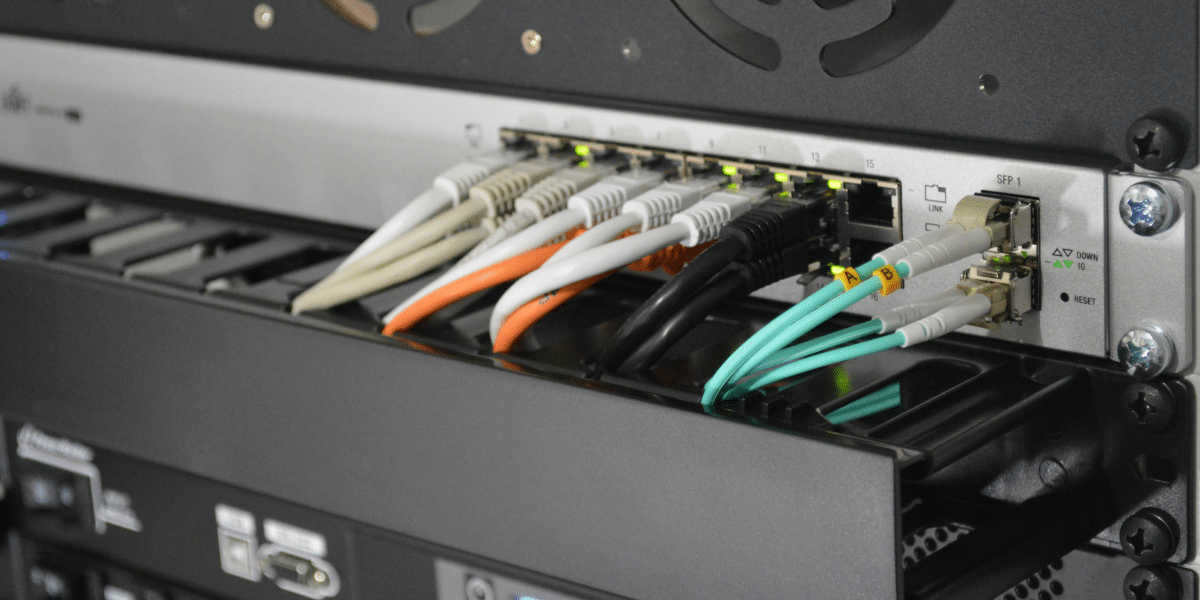
Understanding Single Mode vs. Multimode Fiber Optic Cables

What is the Difference Between Single-mode and Multimode Fiber?

Key Characteristics of Single-Mode Fiber

Single-mode fiber (SMF) is to be used for data transmission over long distances. It utilizes one light path or mode, thereby lessening the loss of signal and enhancing the bandwidth capabilities. The core of single-mode fiber is about 9 microns, concentrating the light into the linear fiber core and helping it remain within the controlled mode. This configuration helps reduce dispersion effects and, hence, is particularly suitable for those tasks where precision and minimum signal loss are of utmost importance. Single-mode fiber is, however, still used due to its advanced performance in telephone, cable television, and high-speed data communication networks.

If you are looking for more information about single mode vs multimode, go here.

Key Characteristics of Multimode Fiber

Multimode fiber (MMF) is suited for shorter-distance data transmission. It permits multiple light paths or modes to travel simultaneously through its core, resulting in more dispersion and attenuation over distance compared to single-mode fiber. The core diameter of multimode fiber is generally larger, approximately 62.5 or 50 microns, allowing for easier connections and lower-cost electronics. Multimode fiber is commonly used in local area networks (LANs), data centers, and other environments where transmission distances are relatively short.

View Fibermall for more details.

Core Sizes in Single-Mode and Multimode Fiber

Multimode fiber (MMF) is employed for relatively short-range communication only. Its core can support more than one effective light path, or mode, at a time, hence having more dispersion and more attenuation in comparison to single-mode fiber over distance. Generally, the core is also thicker in the case of multimode fiber, its diameter being about 62.5 or 50 microns, which makes terminations and electronics cheaper and easier. The use of multimode fiber is chiefly found in the connections of local area networks (LANs), data centers, and other applications where the distances of transmission do not exceed a few kilometers.

Find more info now.

What are the Advantages of Single Mode Fiber?

How Does Single-Mode Fiber Improve Bandwidth and Transmission Distance?

When it comes to single-mode fiber (SMF), it uses a smaller core size and single light mode to achieve bandwidth and transmission distance enhancement. This allows the use of smaller diameter fiber, about 9 microns, which in turn reduces modal dispersion. As only one light wave travels, it is possible to transfer the signal over longer spaces with the same quality and leave higher data integrity. This ensures that SMF enjoys the advantages necessary for long-distance telecommunications and fast data exchange, as the quality of the signal must be preserved. In addition to this, low attenuation rates of single-model fibers provide the option of long-distance transmission in excess of several kilometers without repeaters, thus improving the efficiency of the entire system.

What are the Advantages of Multimode Fiber?

How Does Multimode Fiber Perform in Data Centers?

Multimode fiber (MMF) in data centers is normally chosen due to its impressive characteristics over short to medium distances. Multimode fibers are those with higher numerical apertures and larger core diameters that are capable of carrying several light modes at the same time. This feature is vital for the support of a wide range of applications with more demanding bandwidth and also ensures effective data transfer but in small physical spaces characteristic of data centers. MMF is also widely utilized in connecting servers with their switches and storage networks, requiring optimal transmission distance that is always below several hundreds of meters. Also, the application of vertical-cavity surface-emitting lasers (VCSELs) with the Multimode fiber improves and optimizes communication efficiency and reliability, making it very effective in high-speed local area networks (LAN) in data centers.

Which is Better for Your Needs: Single Mode vs Multimode?

What Factors Should You Consider When Choosing Single Mode or Multimode?

It is important to note a few key considerations when deciding between single-mode fiber (SMF) and multimode fiber (MMF) designs to avoid any unnecessary complications and extra costs. To begin with, it is important to consider the required distance of the transmission. The single-mode fiber is suited for long-distance communications, covering distances that often go beyond several kilometers. In contrast, in the case of the multimode fiber, communication is done at lower distances, say a few hundred meters. Secondly, the usage of bandwidth is fundamental; for example, SMF supports most of the data rates and bandwidth, making it appropriate for core network infrastructures and fast data transmission. Thirdly, the financial projections of the project will have an impact. There are specific applications where even though a multimode fiber may have a lower overall cost mainly because of the cheaper light sources and easier use and installation, single-mode fiber can be more expensive on the market, but in such cases, its cheaper performance could be on the same level with that of single-mode fiber.

How Do Light Sources Differ Between Single-Mode and Multimode?

The light sources for the single-mode fibers and multimode fibers vary greatly in practice because of the differences in the design of their core diameters and operational requirements. Due to its small core diameter, a single-mode fiber employs coherent light sources, including lasers, mostly distributed feedback (DFB) lasers or Fabry-Pérot (FP) lasers. These lasers produce coherent light that focuses on a small area and propagates over great distances with a minimum of traveling medium dispersion and absorption. However, for multimode fiber, other inexpensive light sources like light emitting diodes (LED) and vertical cavity surface emitting lasers (VCSEL) are used that have wider beam spread. These light sources are cheaper and are more appropriate for relatively long distances because, at such distances, the wide beam does not create a serious problem in the effective transmission of the signal.

Application Scenarios for Single Mode and Multimode Fiber

A single-mode fiber is mostly identified to be useful in long-distance communication and high throughput requirements. This includes telecom networks, metropolitan area networks (MANs), and data center backhaul. It is mainly the high bandwidth and low loss of single-mode fiber that cater to such high-end usage. Conversely, multimode fiber is, however, mostly utilized in the local area networks (LANs), storage area networks (SANs), and the intra-building links of data centers. The cost benefits and the fact that multimode fiber is easier to install make it sensible in these cases where transmission distance is less and money consideration factors in.


Published by: Khy Talara

Is This the Salestech Platform You Were Looking For?

By: Valuetech

Technology is now an essential ally in today’s sales environment. The ever-changing needs of today’s market have rendered traditional sales methods obsolete due to the constant evolution of customer behavior. According to Accenture, many organizations still find themselves struggling to bridge the gap between sales strategies and the actual needs of their customers. This is where the right SalesTech platform can make all the difference. However, with so many options available, how do businesses know which tool will truly elevate their sales efforts? 

Sales technology, or SalesTech, has evolved rapidly, offering a range of solutions to help businesses navigate the challenges of the digital sales landscape. Yet, even with the proliferation of tools, many sales teams continue to struggle with inefficiencies. The missing link? A platform that can go beyond data collection and analytics to provide actionable insights into human behavior and social signals.

Despite advancements in CRM systems and data-driven strategies, a core issue remains: sales teams often fail to fully understand their prospects’ emotions and intentions. The ability to interpret subtle social signals can make or break a deal, but it’s not something that traditional sales tools have been equipped to handle. This gap leaves sales professionals relying on guesswork and intuition rather than concrete, AI-driven insights.

Furthermore, the core of the issue lies in the limitations of traditional sales tools. This disconnect between customer behavior and sales strategy can result in missed opportunities, frustrated teams, and ultimately, lower growth. For B2B sales in particular, where building long-term relationships and trust is crucial, this lack of understanding can significantly hamper success. Sales representatives are tasked with interpreting not only what a prospect says but also what they mean—and this requires more than just tracking engagement metrics. Without tools that can analyze human behavior at a deeper level, sales professionals are left guessing whether their approach is resonating with their audience.

Substrata’s AI-Powered Social Signal Intelligence

This is what Substrata is now doing to close this gap. Built with AI-powered social signal intelligence, Substrata goes beyond traditional CRM systems by analyzing non-verbal cues and interpreting emotional signals during interactions. The platform integrates advanced algorithms and machine learning to capture subtle communication signals—such as tone, pauses, and body language—during sales conversations.

It gathers and processes data from multiple touchpoints, such as emails, meetings, and virtual calls, to identify patterns in communication. Substrata provides actionable insights into the psychological state of the prospect—whether they are feeling confident, hesitant, or engaged—allowing sales representatives to adjust their approach accordingly. This has a great competitive advantage that enables teams to steer conversations toward a more favorable outcome.

Substrata’s ability to deliver deeper insights into buyer behavior sets it apart from other SalesTech tools. Substrata offers something fundamentally different: the power to decode social interactions in real-time. Data-driven insights are very important now more than ever and Substrata’s unique offering aims not just more data, but more meaningful, actionable intelligence.

What’s interesting about Substrata is its focus on relationship-driven sales. The platform enhances their ability to build trust and rapport with clients through helping teams navigate complex emotional and social landscapes. Substrata’s AI doesn’t just deliver data—it provides an understanding of human behavior, ensuring that sales professionals can engage with prospects on a more meaningful, empathetic level. This deeper connection often results in more successful negotiations, faster deal closures, and long-term client satisfaction, making it a transformative tool for modern sales teams.

The Salestech Platform You Were Looking for

More than ever, there is a need for tools that can offer deeper insights into human behavior in the highly competitive world of sales. Substrata stands out by addressing the root of the problem—understanding the subtle social signals that drive decision-making.

As businesses continue to navigate the complexities of modern sales, Substrata offers a solution that is not just innovative but necessary. The platform has the potential to transform how sales are conducted across industries by providing sales teams with the tools to decode human behavior in real-time. For organizations searching for the missing piece in their SalesTech stack, Substrata may just be the game-changer they’ve been looking for.

Published by: Martin De Juan

How the Information Technology Market is Shaping Up This Year

By: Joshua Finley

The IT market keeps on developing fast with innovations that have transformed ways of conducting business worldwide. Included in business models, these emerging technologies of artificial intelligence and machine learning come with huge prescriptive value, thus providing new ways of streamlining operations for companies. According to Worldwide IT Industry 2023 Predictions by IDC, the IT industry is expected to grow by up to 6 percent this year. Significant resources are being allocated to cloud infrastructure, cybersecurity, and automation technologies. This discussion explores current trends in the IT market, the direction cybersecurity is taking, and how professional support in Portland can help maintain competitiveness.

Current Trends in the IT Market

Cloud computing and automation are taking over the IT market. Most organizations are using the infrastructure provided by the cloud to reduce costs and scale with ease. Automation, on the other hand, is easing processes from customer service to supply chain management. According to a study done by Forrester, more organizations are likely to adopt the cloud this year alone as more and more companies take their operations online. Furthermore, edge computing and 5G networks upgrade businesses in terms of speed for the processing of data. Such speeds are vital to industries like manufacturing and healthcare.

Increasing Business Dependence on IT

Business operations rely more than ever on digital transformation as a basic corporate strategy; the demand for skilled technical support has never been higher. From network architecture to cybersecurity, companies in all industries seek expert professionals for an endless array of operations. These skilled Portland IT support team help organizations take full advantage of modern technologies such as cloud computing, data management, network architecture and cybersecurity to help them stay ahead of the competition. From sensitive data protection to streamlining network infrastructure, services associated with technical support become essentially required to help organizations reinforce productivity and stay updated with advances.

The Growing Importance of Cybersecurity

Indeed, the threat landscape is becoming increasingly complex since business operations have taken a full swing toward going online. The complexity of cyber-attacks is increasing with their frequency. According to a report from Cybersecurity Ventures, it is suggested that the global cost associated with cybercrime could significantly increase by 2025. This upward trend outlines the increasing need for your businesses to invest in good cybersecurity measures. This upward trend indicates the increasing need for businesses to invest in good cybersecurity measures. It not only protects sensitive data from breaches but also prevents financial losses that could be devastating. The development and implementation of these cybersecurity defenses require trained computer professionals, which play a significant role in business resiliency against cyber threats.

Strategic Advantages of Cybersecurity Investments

Allocating resources to cybersecurity can provide both protective and strategic benefits, potentially aiding in business operations. A cybersecurity-focused company would tend to gain better trust from its clients and partners more often. It was further increased when Forbes indicated that if a cybersecurity framework is properly set, such a business can further grow and stay in operation even during instances of disruption, such as a data breach or cyber attack. This means that if the network or system is safeguarded, then long-term growth and innovation will become more serious in nature.

Looking Ahead: IT Market Predictions

Technological advancements in the IT market are anticipated to continue. With the increasing application of Artificial Intelligence and Machine Learning, businesses may utilize data for more informed decision-making. Additionally, the expansion of devices connected to the Internet of Things is likely to increase the demand for professional IT personnel to manage and secure these networks. Consequently, companies might invest in upgrading the skills of their technical teams or seek partnerships with external experts. Companies that adapt swiftly to these evolving technologies could position themselves favorably in the coming years.

The Summary

The IT market is rapidly evolving, particularly in areas like cloud computing, cybersecurity, and artificial intelligence, which significantly influence business operations. Companies, not only in Portland but globally, can enhance their competitive edge in this dynamic environment through expert services. By investing in technology and focusing on robust cybersecurity measures, businesses can strengthen their operations, making them resilient and prepared for the future.

Published by: Martin De Juan

Matjaz Vidmar: Transforming Media with Vision and Innovation

By: Vanilla Heart Publishing

Some people have the vision and drive to change industries through their contribution and effort. They disrupt the status quo, create novel technology, and establish new standards through unrelenting efforts, unique ideas, and unshakable dedication to excellence. Such pioneers drive development and encourage others to think differently, transforming industries. Technology, media, and telecom (TMT) is a rapidly changing sector, yet certain people make significant contributions and pioneering discoveries for its growth. The TMT industry’s IPTV sector has been shaped by Matjaz Vidmar’s entrepreneurial zeal and technical skills. 

Matjaz Vidmar was born in Novo Mesto, Slovenia, on August 30, 1962. An innate fascination for technology and business molded his early years. Vidmar studied finance and electronics in Ljubljana, laying the groundwork for his diverse career. Thanks to his fascination for business, Vidmar founded Video Art Studio (VAS) as a student. VAS was Eastern Europe’s privately owned advertising firm, founded while the private sector was in its infancy. This bold action showed Vidmar’s insight and laid the basis for his global media career.

Vidmar moved to London in 1986 to broaden his horizons and acquire experience. His life changed when he decided to work with some of the media industry’s inventive brains. Vidmar joined Gold Video Production in 1987 and achieved early visibility by directing Buckingham Palace’s 1988 Royal Garden Party, demonstrating his rising talent.

His following job at CFC (now Framestore) solidified Vidmar’s industry direction. Vidmar helped pioneer electronic cinema post-production and computer-generated visual effects at CFC. His efforts helped the firm win two Academy Scientific and Technical Awards, demonstrating its innovation. This experience improved Vidmar’s technical abilities and strengthened his conviction in technology’s revolutionary capacity.

Vidmar created Connexion Exports in 1991 with expertise and a vision that media production and delivery future is going to be fully digital at great speed. Connexion’s manufacturing of X-System Alpha-64, a breakthrough 64-bit graphic workstations and servers, was his first large-scale technological enterprise. Connexion Exports provided economical computer graphics (CG) workstations to the broadcast and desktop publishing (DTP) businesses, a crucial necessity when digital media was young. X-System Alpha-64, set the industry standard for price and performance. Vidmar also utilized X-System Alpha-64 to produce Crown Jewels artwork. This huge undertaking airbrushed a 72-meter-long, 4-meter-high oil canvas around The Jewel House at the Tower of London during its 1994 renovation. This demonstrated Vidmar’s technical skill and ability to combine art and technology, sealing his status as an innovator.

In 1997, Vidmar launched ON-AIR Systems, continuing his business path. This business introduced the ON-AIR “Channel-in-a-Box,” a game-changing television broadcasting technology. This groundbreaking system combined TV playout automation, interactive computer graphics, vision and audio mixing, and shared network video storage. Multi Channel network TV operations were transformed by “Channel-in-a-Box” technology, cutting costs and simplifying content workflows utilizing transfers via computer networks rather than SDI video lines as it was done at the time. Broadcasters worldwide accepted this new approach as the new industry standard within a few years. ON-AIR Systems’ success reflected Vidmar’s original thinking and ability to predict and meet market demands before others did.

Vidmar sold ON-AIR Systems, which was rebranded as OASYS in 2012. New digital technologies and platforms were rapidly changing the sector. The internet growth and its content distribution possibilities changed the media landscape in the late 1990s and early 2000s. Vidmar’s specific focus was on streaming technology because of its vast potential. In 1999, he introduced Xtreme IPTV™, one of the first TV streaming solutions, paving the way for OTT services.

Xtreme IPTV™, a complete infrastructure for IPTV distribution to broadband consumers, was commercially deployed in Mumbai in 2000, as the very first installation. This was the first service to transmit high-quality TV content online to a Fast Ethernet broadband audience, which was a technical and commercial breakthrough. Installation won the NASSCOM First Prize for Most Innovative Technology award in 2000, highlighting its worldwide significance. Vidmar’s early recognition of internet-based TV services made him a pioneer, paving the way for IPTV streaming technology acceptance. 

Matjaz Vidmar had made significant contributions to the TMT sector by 2005, but his ambition went beyond his triumphs. He developed a private technological group, Vision Group, with offices in London, Dubai, and Ljubljana. Vidmar began a new era of innovations and smart expansions with Vision Group. Vidmar swiftly expanded Vision Group to include multiple companies focusing on various parts of the constantly changing digital media world. Playout247™, the group’s leading firm, was one of the first large scale outsourced TV playout automation centers; it was the first end-to-end IP based facility with capacity to broadcast 300 TV channels in HD. Another subsidiary, Vision Fiber Media (company sold in 2014), has specialized in private fiber connectivity, while Vision247™ specialized in cloud-based TV streaming services.

A major accomplishment for Vidmar was the debut of XtremeOVP™ in 2006. After the success of Xtreme IPTV™, XtremeOVP™ was the first cloud-based broadcasting service with sophisticated features, including ‘Channel-from-the-Cloud,’ ‘Catch-up-TV,’ and ‘Forward-TV.’ These capabilities let broadcasters supply content more efficiently and flexibly, changing television distribution and consumption.

Vidmar made another major move in 2012 by acquiring Ljubljana-based IPTV apps and middleware R&D business Fora d.o.o. Fora’s IPTV development skills helped Vision Group improve its products and stay ahead of technology. The 2014 release of Perception TVCDN™, the XtremeIPTV successor, was a revolutionary breakthrough. This “unified streaming platform” merged CDN, OTT, and IPTV feature-sets into a singular API core. Perception TVCDN™ is known for delivering high-quality video content across all devices and networks, establishing a new “unified TV CDN” industry standard. The platform revolutionized streaming technology with device-specific streaming protocol real-time re-warping, time-shift recording, network PVR, live and VOD streaming, and FAST TV channel playout.

Vidmar’s position as a leading innovator in the TMT sector was strengthened by the accolades obtained for Perception TVCDN™. His work with Vision Group and Perception TVCDN™ showcased his ability to foresee market trends and meet media industry demands, keeping his firms at the forefront of technology. Beyond entrepreneurship, Matjaz Vidmar has been a prominent technology, media, and telecommunications adviser and consultant. 

As a technology consultant, Vidmar uses his practical knowledge to evaluate the technical and commercial feasibility of projects. He can assess capital needs, growth risks, and possible benefits of diverse projects due to his analytical and strategic thinking. These skills have helped technology entrepreneurs and investors collaborate and accelerate project development. Vidmar has consulted on several high-profile projects, helping organizations negotiate the fast-evolving TMT market and complicated technology issues. His ability to integrate technology and business strategy has made him a valued counsel to many of the world’s prominent organizations, bolstering his influence.

Matjaz Vidmar demonstrated that innovation and a visionary leader can influence and change an industry. Vidmar helped transform the media industry from analogue to digital, and online media from download to OTT streaming. His work has steered television and internet media tech unification, simplifying the operation to ensure high-quality content can be delivered at low cost, so that OTT services can be accessible globally, equally viable in developed and developing countries.

Published by: Martin De Juan

How to Choose the Right Equipment for Measuring Electricity Power

By: SEO Mavens

Have you ever thought about how professionals measure power so accurately? Your projects will be much better if you know the best tools and ways to measure electricity.

We’ll show you how to choose the right tools for measuring electricity power in this blog post. By the end, you’ll have a good idea of the different instruments out there and how to pick the best one for your needs.

Understanding Power Measurement Devices

For different jobs, you need different tools to measure power. What you’re measuring will determine what kind of tool you need. Are you looking at simple things like voltage values or more complicated things like power quality analysis?

You should use the right tool for the job. Digital multimeters, power quality meters, and specialized power analyzers for checking electricity are all common tools. Each has its own strengths and can be used for certain jobs.

Importance of Power Measurement Accuracy

For accurate results, it’s important to take accurate measures. Readings that aren’t true can lead to wrong conclusions. This could make your electricity systems break down or work less efficiently.

So, it’s important to pick a device that is known for measuring power very accurately. It’s also important to do regular upkeep and calibration to keep things accurate. Do not forget about them; your work depends on it.

Benefits of Using Power Quality Meters

Meters that measure power quality give more thorough information than other types of meters. You can use them to learn about voltage drops, harmonics, and other problems with power quality.

Because of this, they are very useful for finding and fixing complicated electrical problems. In business settings, power quality research is very important.

Better meters will let you know about problems that less complex tools might miss. In the long run, buying one could save you time and money.

Selecting Electrical Diagnostic Tools

When choosing electrical diagnostic tools, think about versatility and functionality. Versatile tools can handle multiple tasks, reducing the number of devices you need.

Look for tools that combine functions, like those capable of both power measurement and diagnostic analysis. Consider the ease of use as well.

Tools with user-friendly interfaces help reduce learning curves and errors. A good diagnostic tool should also come with customer support and training resources.

Features to Look for in Power Analyzers for Electrical Testing

Power analyzers for electrical testing come with various features. Some key features include data logging, real-time analysis, and graphical displays. Data logging helps you track changes over time.

Real-time analysis provides immediate feedback on your testing processes. Graphical displays can make complex data easier to interpret.

These features enhance your ability to troubleshoot effectively. Don’t overlook additional accessories that might complement your analyzer.

Maintenance and Calibration of Measurement Devices

Regular maintenance and calibration ensure your devices stay accurate and reliable. Scheduled calibrations against known standards keep your readings true.

Maintenance involves checking connections, updating software, and ensuring batteries are in good condition. Many manufacturers offer maintenance plans or services.

These can simplify the upkeep process. Proper care extends the life of your equipment and ensures it performs optimally.

Measuring Electricity the Right Way

To get accurate and reliable results when measuring electricity, it is very important to use the right tools. You can make an intelligent choice if you know about the different devices out there and what features they have. It’s also important to keep your tools in good shape by maintaining and calibrating them.

How did you find this guide? Good job! Check out our site for more!


Published By: Aize Perez

How Cyber Protection Conditions Impact Your Digital Security Strategy

By: SEO Mavens

 Strong cyber protection conditions are crucial as technology advances and our lives become more digital. Cyber attacks occur frequently. Hackers steal personal information, corporate data, and even government systems.

With these threats rising, people and organizations need a good digital security plan. This involves setting up proper protection to keep systems safe from attacks.

Let’s dive into how these protection measures can boost your digital security strategy!

Understanding Cyber Protection Conditions

Cyber protection conditions are the steps taken to guard against cyber attacks. These steps can include technical tools, and procedures that encourage safe practices. Some common cyber protection conditions include:

Firewall

A firewall serves as a protective barrier between your computer and the internet. It keeps a close eye on all the data that comes in and goes out of your network.

By doing this, a firewall can stop dangerous software from getting into your system. It also helps to block any attempts to access your computer without permission.

This provides an extra layer of security for your personal information. This way, your online activities can be safer, and you can browse the internet with more peace of mind.

Antivirus Software

Antivirus software finds, stops, and gets rid of malware on computers and networks. It works by scanning files for patterns that match known harmful codes.

This software can also offer real-time protection. Thus, helping to guard against new and emerging threats.

By regularly checking your system, antivirus programs help ensure your devices stay safe from potential dangers. Using antivirus software is an important step in keeping your data secure and your online activities protected.

Encryption

Encryption is a method used to change data into a code. This process helps keep information safe by preventing unauthorized people from accessing it.

It is important to protect sensitive information, like financial details or personal records. By converting this type of data into code, only those with the right key can read it. This ensures privacy and security.

Impact of Cyber Protection Conditions on Digital Security Strategy

The importance of cyber protection conditions cannot be overstated when it comes to digital security strategy. Implementing these measures can have a significant impact in the following ways:

Threat Landscape

As threats keep changing, it’s important to have strong cyber protection. These protective measures help deal with new threats effectively.

If the right security practices are not used, their systems are at higher risk of being hacked. Taking steps to improve cyber protection can help keep data safe and systems strong in this fast-changing world.

Regulatory Requirements

Many industries must follow legal and regulatory rules when it comes to cyber protection. For instance, financial institutions need to adhere to the Gramm-Leach-Bliley Act (GLBA). This law lays out specific standards aimed at protecting customer data.

By following these requirements, businesses can help ensure that sensitive information remains safe and secure from potential threats. Companies must understand and implement these guidelines to build trust with their customers.

Reputation Management

Data breach prevention is crucial for protecting a company’s reputation. Breaches can be expensive and harm brand image.

Strong cybersecurity measures help companies lower the chances of breaches. It also keeps their reputation safe.

Technology Stack

The technology and software you choose can affect your security plan. It’s important to keep software updated, use secure settings, and connect with a system control center for real-time monitoring and threat detection.

Risk Tolerance

Organizations need to think about how much risk they can handle when making a digital security plan. Good digital security measures can lower the chances of serious cyber attacks and lessen the damage if an attack happens.

Incident Response Plan

Having good cyber protection in place helps with planning for emergencies. If a cyber attack happens, having backups and recovery plans can help organizations bounce back and reduce downtime.

Employee Training and Awareness

A good digital security plan includes more than just tech solutions. It also means teaching employees how to stay safe online. Cyber protection tools can help support these lessons and build a security-focused culture in the workplace.

Third-Party Risks

Digital security is not only about keeping your systems safe. You also need to think about the risks from third-party vendors and partners. Cyber protection measures can help manage these outside threats.

Cybersecurity Practices

To improve digital security, both individuals and organizations can follow some best practices along with cyber protection measures.

Strong Passwords

Using strong, unique passwords for all your accounts can help lower the chance of a cyber attack. Make sure your passwords have letters, numbers, and special characters. Also, remember to change them often.

Keep Software and Systems Updated

Old software and systems can be easier targets for cyber attacks. Make sure to update all software and systems regularly with the latest security patches.

Multi-Factor Authentication (MFA)

MFA adds more security by asking users to give extra information or use another way to log in before they can access their account. This helps lower the chances of unauthorized access.

Regular Backups

Regular backups of important data are very important to protect against cyber attacks or system failures. This helps organizations recover key information quickly and avoid major losses.

Limit User Access and Permissions

Not every employee needs to see sensitive information. By limiting access and permissions, you can lower the risk of insider threats or accidental data leaks.

Implement Network Monitoring and Detection Systems

Real-time monitoring and detection systems help find and respond to cyber attacks quickly. This can lessen their potential impact.

Employee Training

Training and educating employees is key to building a security culture in a company. This includes showing staff how to spot and report suspicious emails or activities.

Enhance Your Cyber Protection Conditions

Cyber protection conditions are an important part of any digital security plan. They help guard against current threats and also keep organizations ready for new risks. By using these measures and sticking to best practices, people and organizations can improve their digital security and defend against cyber attacks. Stay safe!

Is this article helpful? Keep reading our blog for more.


Published By: Aize Perez