FINQ Launches STOCKS-AI 2.0, Outpacing S&P 500 Performance

By: Valuetech

FINQ, a prominent fintech platform, has made a significant leap forward with the release of version 2.0 of its STOCKS-AI algorithm, a key part of its broader mission to integrate artificial intelligence (AI) into the investment world. Released just recently, this upgraded algorithm already shows impressive results. Over a backtested period from December 2022 to September 2024, STOCKS-AI 2.0 delivered returns of 127.60%, a performance that outpaced the S&P 500 index by more than threefold, with the S&P posting gains of 43.75% in the same period.

This milestone reinforces FINQ’s strategy of blending cutting-edge AI with real-time market conditions to provide investors with more accurate stock insights. Unlike static models, FINQ’s AI adapts dynamically, adjusting its algorithms to respond to ever-changing market dynamics. “We are incredibly proud of the launch of STOCKS-AI version 2.0. This new version is a testament to our dedication to continuous evolution and improvement, which is deeply embedded in FINQ’s DNA,” said Eldad Tamir, Founder and CEO of FINQ. “Our commitment is always to push boundaries, leveraging cutting-edge technology to empower our customers with smarter insights and better opportunities.”

Evolution Through AI: What Sets Version 2.0 Apart

STOCKS-AI version 2.0 was designed to solve a pressing challenge in modern investing: the need for systems that evolve alongside market conditions. FINQ’s algorithm, powered by machine learning, continually adjusts and refines its calculations to provide more accurate predictions. The upgrade comes after a thorough analysis of extensive historical data, helping ensure that the system remains relevant in volatile markets.

Through its outperformance of the S&P 500, STOCKS-AI 2.0 raises the bar for what AI-powered fintech solutions are capable of. The algorithm’s superior returns over a two-year period demonstrate the growing importance of AI in the financial sector, where static formulas are being replaced by adaptable systems.

The Future of AI in Finance

FINQ’s release of STOCKS-AI version 2.0 is another step toward reshaping how artificial intelligence is used in financial markets. With real-time adaptability and an ever-growing dataset to work from, the AI’s insights continue to evolve, offering investors the tools they need to make more informed decisions. As more financial platforms seek ways to integrate AI-driven solutions, FINQ appears poised to remain at the forefront of this transformation.

Alongside the technical advancements, FINQ has prioritized maintaining transparency for its investors. Customers can access detailed reports about the new algorithm directly on FINQ’s platform, including key insights and performance benchmarks. This level of openness is part of FINQ’s commitment to helping investors understand not just how their portfolios perform but why certain decisions are made by the AI system.

FINQ’s platform serves as a resource for investors navigating complex financial landscapes. Through the integration of AI-driven analysis and a commitment to transparency, FINQ provides investors with the assurance that the technology guiding their investments is trustworthy. The release of STOCKS-AI 2.0 is not merely a product update for FINQ; it is a reflection of the company’s ongoing commitment to expanding the boundaries of AI by providing investors with more sophisticated tools to navigate the complex markets of today.

Disclaimer: This content is for informational purposes only and is not intended as financial advice, nor does it replace professional financial advice, investment advice, or any other type of advice. You should seek the advice of a qualified financial advisor or other professional before making any financial decisions.

Published by: Holy Minoza

Simply Golf Simulators Introduces the Next Level in Golf Accuracy with Rapsodo MLM2Pro

Simply Golf Simulators is proud to announce the addition of the Rapsodo MLM2Pro (Mobile Launch Monitor) to its cutting-edge golf simulation solutions. As a leader in the golf simulation industry, Simply Golf Simulators continuously seeks to improve the practice experience for golf enthusiasts and professionals alike. The integration of the Rapsodo MLM2Pro sets a new standard in accuracy and performance, making it an indispensable tool for those looking to improve their golf game.

The Rapsodo MLM2Pro

The Rapsodo MLM2Pro is the next generation of mobile launch monitors designed to provide highly accurate swing analysis and ball flight data. Its advanced technology captures essential metrics, including ball speed, club speed, launch angle, and spin rate, delivering precise insights into every shot. What sets the MLM2Pro apart is its unique combination of radar and camera-based technology, offering players real-time data and slow-motion video replay, all from a compact, portable device.

Simply Golf Simulators is excited to integrate the Rapsodo MLM2Pro and Rapsodo mobile launch monitor into its simulator setups, allowing players to experience real-time feedback in an immersive, virtual environment. Whether practicing at home or at a commercial facility, golfers of all skill levels will benefit from the exceptional accuracy and detailed performance data the Rapsodo MLM2Pro provides.

The Rapsodo MLM2Pro is a groundbreaking tool in the golf simulation world, offering a unique combination of advanced radar and camera-based technology. It is designed to meet the needs of both amateur and professional golfers who seek detailed data on their swing mechanics and ball flight. One of the standout features is its ability to provide real-time feedback and comprehensive analysis of each shot, making it an invaluable tool for players aiming to improve their game.

With access to over 30,000 virtual courses, the Rapsodo MLM2Pro enhances the golfing experience, whether you’re practicing at home or at a professional facility. The device offers key metrics like ball speed, club speed, launch angle, and spin rate, allowing players to identify strengths and areas for improvement. Its dual-camera system adds another layer of analysis, enabling golfers to visually review their swing in slow motion.

Additionally, the MLM2Pro is compatible with both indoor and outdoor settings, offering flexibility for year-round practice. Its portability makes it convenient for players to set up anywhere, transforming any space into a virtual golf course. By providing affordable access to high-quality feedback, the Rapsodo MLM2Pro is set to revolutionize the way golfers train and enhance their overall performance.

A Game-Changer for Golfers

With the Rapsodo MLM2Pro, Simply Golf Simulators offers a unique opportunity for players to fine-tune their swings and improve their overall performance. The device provides access to essential shot data that helps identify areas for improvement. For golfers seeking to work on their swing mechanics, the MLM2Pro’s video playback feature allows users to review their swing in slow motion, offering a visual aid that complements the comprehensive data reports.

Key Features of MLM2Pro:

  • More than 30K Golf Courses & Virtual Range: Rapsodo MLM2Pro gives you the opportunity to try and master your game at over 30,000 simulated golf courses and a dynamic virtual range. With MLM2Pro, you get to practice your game in a range of challenging environments and improve your game. 
  • Dual Swing Replay with Shot Trace: With MLM2Pro, you can check out your plays with dual optical camera vision and radar processing. This cutting-edge technology helps you to analyze your moves, from club path to contact point, all in slow-motion crispy details. 
  • 13 Core Metrics: MLM2Pro comes with 13 core golf performance metrics and indicators, including precise spin rate, spin axis measurements, and more. 
  • Award-Winning Reliability & Performance: Rapsodo is an award-winning company known for their reliability and performance. When you choose MLM2Pro, you get a powerful device backed by state-of-the-art technology. 
  • Indoor & Outdoor Use Compatibility: MLM2Pro allows you to play indoor and outdoor. So, whether you prefer the comfort of your home or like being outdoors, Rapsodo MLM2Pro is the perfect companion for you. 

Why Accuracy Matters

Incorporating the Rapsodo MLM2Pro into Simply Golf Simulators’ offerings emphasizes the importance of precision in practice sessions. The ability to track ball flight metrics and review data in real time allows golfers to make informed adjustments, leading to more efficient practice and better results on the course. The mobile launch monitor provides an affordable, accessible solution without compromising on the quality of feedback that top-tier players require.

“Simply Golf Simulators has always aimed to offer the most realistic and accurate golf experience possible,” said Simply Golf Simulators’ spokesperson. “By adding the Rapsodo MLM2Pro to our range of products, we are empowering golfers to take their game to the next level with precise, actionable data that mirrors what the pros use. The MLM2Pro is a game-changer, and we’re excited to share its benefits with our customers.”

About Simply Golf Simulators

Simply Golf Simulators is a leading provider of golf simulation solutions for residential and commercial use. Specializing in high-quality, immersive golf simulators, the company offers a wide range of products and services designed to enhance the golfing experience. 

Whether you are a professional golfer or someone who is trying out the game for the first time, Simply Golf Simulators helps players practice and improve their game from the comfort of their own space. The company’s dedication to innovation and inclusion of the best, state-of-the-art golf simulation technology ensures that clients always have access to the latest in golf simulation.

For more information about Simply Golf Simulators or to check out their extensive range of golf simulators, monitors, accessories, and more, visit www.simplygolfsimulators.com. You can email them at info@simplygolfsimulators.com or contact them at 1-855-348-4173.

Published by: Nelly Chavez

How is Digital Technology Transforming Architecture?

Digital technology is reshaping the architectural landscape, bringing in new tools and methods that enhance the way buildings are designed and constructed. Building Information Modeling (BIM), virtual reality (VR), and 3D printing are all advancements that are making the design process more efficient and accurate. Architects today can leverage advanced tools to design intricate structures more efficiently, improve collaboration with stakeholders, and incorporate sustainable practices into their projects. This transformation not only improves the workflow but also opens up new possibilities for mordern designs and environmentally friendly solutions. Let’s explore how these technologies are revolutionizing architecture.

How Does Building Information Modeling (BIM) Enhance Architectural Design?

Building Information Modeling (BIM) is a game-changer in the architecture world. With BIM, you can create detailed digital representations of buildings, which helps improve the design process significantly. One of the biggest advantages is the ability to visualize every aspect of a building before construction begins. This means you can spot potential issues early and make necessary adjustments, saving time and money.

Collaboration is another major benefit. BIM allows architects, engineers, and contractors to work together on a single platform. This improves communication and ensures that everyone is on the same page, reducing the chances of errors and misunderstandings. For instance, if an engineer makes changes to the structural elements, these updates are instantly available to the entire team, maintaining coordination.

BIM also plays a crucial role in sustainability. By integrating detailed information about materials and energy performance, you can optimize your design for better energy efficiency. This not only helps in creating greener buildings but also meets the growing demand for sustainable architecture.

In essence, BIM enhances architectural design by improving visualization, fostering better collaboration, and promoting sustainability. It’s clear that digital technology in architecture is reshaping how buildings are designed and constructed, making the process more efficient and effective.

What Role Do Virtual Reality and Augmented Reality Play in Architecture?

Virtual reality (VR) and augmented reality (AR) are transforming how architects design and present their projects. With VR, you can create immersive, 3D environments that clients can explore, giving them a real sense of the space before it’s built. This helps in making more informed decisions and catching potential issues early in the design process.

AR, on the other hand, overlays digital information onto the physical world. You can use AR to visualize how a new structure will look in its actual location, making it easier to understand the impact on the surrounding environment. Both VR and AR enhance client communication and collaboration, making the design process more interactive and engaging. These technologies not only improve accuracy but also make it easier to showcase innovative designs, ultimately leading to better project outcomes.

How is 3D Printing Revolutionizing Construction Methods?

3D printing is changing the way buildings are constructed. By allowing architects to create complex building components on demand, it reduces waste and speeds up the construction process. This technology enables the production of intricate designs that would be difficult or impossible to achieve with traditional methods. Additionally, 3D printing can use sustainable materials, which helps to minimize environmental impact. With the ability to quickly prototype and test new ideas, architects can innovate more freely, pushing the boundaries of what’s possible in construction. This leads to more efficient, cost-effective, and environmentally friendly building practices.

What Are the Sustainability Benefits of Digital Technology in Architecture?

Digital technology is a game-changer for sustainability in architecture. Tools like Building Information Modeling (BIM) and AI help architects design energy-efficient buildings by simulating different environmental conditions. This means you can optimize energy use, reduce waste, and choose sustainable materials more effectively. Moreover, 3D printing allows for precise material usage, cutting down on waste. Virtual reality (VR) also plays a role by helping you visualize and tweak designs for better environmental impact before construction even begins. These technologies not only make buildings greener but also more cost-effective in the long run.

Digital technology is reshaping the world of architecture, offering tools that improve efficiency, accuracy, and sustainability. From Building Information Modeling (BIM) to virtual reality and 3D printing, these advancements enable architects to push the boundaries of design and construction. As you explore the integration of these technologies in architecture, you’ll find enhanced collaboration, innovative construction methods, and a stronger focus on sustainable practices. Embracing these tools not only revolutionizes your design processes but also helps create more efficient and environmentally friendly buildings. The future of architecture is undeniably digital, and staying updated with these trends is essential.

Published by: Holy Minoza

Sandeep Kumar on AI’s Impact in Financial Reporting

By: Chiara Accardi 

As Artificial Intelligence continues its influx into everyday systems and machines, business processes are on the verge of a major revolution. Emerging technologies such as artificial intelligence, machine learning, and advanced analytics are revolutionizing corporate finance forging solutions to address some of the toughest challenges faced by the sector.

Sandeep Kumar, an eminent leader in SAP Artificial Intelligence specializing in corporate financial reporting, financial planning and analysis, and finance transformation through AI and automation, in his interview on Daniweb, an active community of corporate professionals and enthusiasts. During this insightful discussion, Sandeep pointed out that AI’s adoption has soared in recent years, with organizations increasingly integrating it into their operations.  

According to a McKinsey report, a growing number of businesses had adopted AI in their operations and product offerings by 2017. This figure skyrocketed in the next two years, reaching its peak adoption in 2019. A similar trend continued over the next few years, with AI adoption and usage stabilizing during the period from 2020 to 2022. As of 2023, a large number of organizations worldwide have adopted AI in some capacity to enhance their operational efficiency.

 Many contemporary experts are optimistic that AI has the potential to transform several core areas of corporate finance, including financial modeling, investment strategy optimization, and complex data analysis.  Growing companies can benefit tremendously in terms of enhanced financial modeling and investment banking management. 

Also, effective management of complex financial models and optimization of investment strategies can be simplified by leveraging AI algorithms and automation. 

“AI is revolutionizing financial reporting by automating complex tasks, improving accuracy, and enabling real-time data analysis,” said Kumar. “This allows businesses to generate insights more quickly and make informed decisions that align with real-time operations and market conditions.”

Many organizations across the globe are already investing in AI for anomaly and error detection, demand and revenue forecasting, revenue analysis, and decision support.

 Kumar’s optimism extends beyond AI. He believes that AI and automation, as well as other emerging technologies such as Natural language processing, cloud computing, and biometric authentication, will further enhance the finance sector’s capabilities.He looks forward to a bright future of cloud computing by its ability to provide scalable solutions.  

However, technology alone isn’t the solution. “Industry professionals must continuously upskill, maintain a strategic mindset towards digital transformation, and stay abreast of regulatory changes to remain competitive in this evolving landscape,” Kumar emphasized.

“AI is revolutionizing financial reporting by automating complex tasks, improving accuracy, and enabling real-time data analysis. This allows businesses to generate insights more quickly and make informed decisions that align with real-time operations and market conditions,” Kumar stated. 

One of the key advantages AI offers is its ability to strengthen risk management through predictive analytics and anomaly detection. By identifying potential issues before they escalate, AI helps organizations maintain financial integrity. “AI enhances risk management by identifying irregularities early, ensuring issues are addressed before they become significant problems,” Kumar explained while adding that AI and ML’s ability to automate routine tasks will allow financial professionals to focus on more strategic initiatives and groundbreaking strategies in finance. 

“In the future, I envision AI and ML taking over mundane tasks, empowering financial experts to innovate and lead the industry forward,” said Kumar.

 With over two decades of experience in driving SAP Enterprise Transformation Strategy and Analytics projects in Fortune 500 major global corporations including Farmers Insurance Group, Dr. Pepper Snapple Group, Hershey, Heineken, and Unilever. He currently leads the SAP Program Office at Farmers Insurance Group, (Parent Organization- Zurich Insurance Group), one of the largest P&C Insurance companies in the United States and the Top 25 in the world with 26B P&C premium, where his expertise in financial process management and architecture plays a pivotal role in generating billions in annual growth.

 Sandeep oversees the financial process and architecture of SAP Financial Accounting and Analytics Systems that is used to generate the financial result of the company of over billion in annual growth, showcasing his adeptness in financial data management and Analytics at the highest levels.

 “My approach centers on creating flexible yet structured Artificial intelligence integration frameworks, which include phased migration strategies and split analytical review systems for accurate financial reporting,” Kumar explained.

 Sandeep’s profound strategic foresight is complemented by his technical prowess, making significant strides in financial transformation through innovative use of Artificial Intelligence, Machine Learning, and Robotic Process Automation technologies. These initiatives have significantly improved operational efficiencies, reduced error rates, and streamlined the financial close and reporting processes, fundamentally transforming traditional financial operations from Workday 15 close to Workday 5 financial close of book of business, speeding up the financial close process from a traditional 15-day cycle to just five days.

 Sandeep’s commitment to the SAP Enterprise Solutions community is evidenced by his active role in mentoring emerging SAP AI professionals and his contributions to the development of AI advancements in financial reporting standards. His thought leadership is recognized on platforms such as LinkedIn where he is a peak SAP and AI Voice, influencing a broad audience with insights into finance and Insurance business process transformations with a suite of professional certifications, along with a track record of scholarly articles and editorial contributions to the AI in finance and insurance field. His career is a testament to a relentless pursuit of excellence and innovation in SAP Artificial Intelligence for Finance and Insurance, making him a fitting candidate for this prestigious community.

 Kumar’s long-term professional goals include developing robust AI frameworks for preventing financial reporting anomalies, promoting sustainability in financial reporting by developing comprehensive integration frameworks and influencing global adoption, and enhancing shareholder wealth by creating advanced financial modeling platforms that integrate AI and machine learning. Kumar also wants to continue active participation in industry forums, policy discussions, and expand his research activities, and develop educational programs to inspire and mentor future finance leaders.

To find out more about the role of AI in shaping the future of corporate finance, please connect with Sandeep Kumar on Linkedin

Published by: Holy Minoza

Save Energy Bills In Organization: Wake Up PC Remotely

By: John Glover (MBA)

Remote desktop wake-up is a handy feature that lets you turn on your PC from a distance. Imagine being able to access your work computer even if you’re not in the office. This technology makes it possible. It uses a network standard called Wake-on-LAN (WoL), which sends a special signal over the internet to wake up your computer. This is especially useful for IT professionals managing multiple machines or for anyone who needs to access files and applications remotely. With remote desktop wake-up, you can aim your computer to be ready to go whenever you need it, without the hassle of physically being there to turn it on. This not only saves time but also enhances productivity and flexibility in your workflow.

How Does Remote Desktop Wake-Up Work?

Remote desktop wake-up, often referred to as Wake-on-LAN (WoL), is a technology that allows you to power on your computer from a remote location. This is done by sending a network message, known as a “magic packet,” to the target computer. For this to work, the computer’s motherboard, network interface card (NIC), and BIOS need to support and be configured for WoL.

The magic packet contains the MAC address of the target computer’s NIC. When the NIC detects this packet, it signals the motherboard to power up the computer. This process bypasses the need for physical interaction, allowing IT administrators and users to wake up their PCs from anywhere, whether they are at home, in another office, or even in another country.

To set this up, you’ll need to enable WoL in the BIOS settings and aim that your operating system and network hardware support it. Additionally, you might need specific software or tools to send the magic packets. Once configured, remote desktop wake-up can significantly enhance convenience and flexibility, making it easier to perform updates, access files, or troubleshoot issues without being physically present.

What are the Benefits of Remote Desktop Wake-Up?

Remote desktop wake-up offers several key benefits that can significantly enhance your IT operations and overall productivity. One of the primary advantages is efficiency. With this technology, IT staff can perform system updates, maintenance, and backups during off-hours without needing to be physically present. This means that employees have uninterrupted access to their computers during work hours, maximizing productivity.

Another major benefit is energy savings. By utilizing remote desktop wake-up, you can schedule when PCs need to be powered on and off. This can help ensure that computers are only active when necessary, leading to substantial reductions in energy consumption. This not only lowers your electricity bills but may also help support your company’s sustainability goals.

Flexibility is also a significant advantage. Remote desktop wake-up allows employees to access their workstations from anywhere, at any time. This is particularly useful for businesses with remote or hybrid work policies, ensuring that work can continue seamlessly regardless of location.

Additionally, cost savings can be achieved through more efficient IT management. By reducing the need for physical interventions, you save on labor costs and minimize downtime caused by technical issues. This technology supports a more agile and responsive IT environment, which is crucial for modern businesses.

In summary, remote desktop wake-up is a powerful tool that enhances efficiency, supports energy savings, offers flexibility, and reduces costs. By implementing this technology, your organization can achieve a more streamlined and productive IT operation. For more information on how this can benefit your business, check out remote desktop wake-up.

How Can PowerPlug’s Platform Help Organizations?

PowerPlug’s platform offers a robust solution for organizations looking to leverage remote desktop wake-up capabilities efficiently. By integrating PowerPlug Pro, you can manage and optimize your IT infrastructure with ease, aiming that your PCs are always ready when needed, without wasting energy.

One of the key benefits of PowerPlug Pro is its centralized control feature. This allows IT administrators to manage wake-up schedules across the entire organization from a single dashboard. Whether you’re dealing with a few dozen computers or tens of thousands, the platform makes it simple to ensure all devices are operational at the right times.

Energy efficiency is another significant advantage of using PowerPlug’s platform. By scheduling wake-ups only when necessary, you can drastically reduce energy consumption during off-hours. This can help reduce electricity bills and support your company’s sustainability goals. PowerPlug Pro’s ability to schedule automatic wake-ups and shutdowns aims that computers are not left running unnecessarily, contributing to substantial cost savings.

Moreover, PowerPlug Pro enhances productivity by allowing remote access to PCs. IT staff can perform updates, maintenance, and troubleshooting without being physically present, minimizing downtime and ensuring that employees have uninterrupted access to their workstations. This remote functionality is particularly beneficial for organizations with flexible or remote work policies, allowing employees to access their computers from anywhere at any time.

In summary, PowerPlug’s platform streamlines IT operations, boosts energy efficiency, and enhances productivity, making it a valuable tool for any organization looking to optimize its remote desktop wake-up capabilities.

Conclusion

Remote desktop wake-up is a powerful tool for modern businesses, enhancing flexibility and efficiency. Platforms like PowerPlug offer remote PC wake-up capabilities, making it easier for teams to access their computers remotely, which can enhance flexibility and productivity. This not only boosts productivity but also leads to significant energy savings, helping your organization cut down on electricity bills. Embracing this technology means you can manage your IT resources more effectively while contributing to your sustainability goals. In short, remote desktop wake-up, with the help of PowerPlug, is a smart move for any forward-thinking business.


Published by: Khy Talara

How Does Cyber Threat Research Protect Your Business?

Cyber threat research is all about understanding and countering the tactics used by cybercriminals. It involves tracking and analyzing their methods to stay ahead of potential threats. By studying various attack vectors and vulnerabilities, researchers can develop strategies to protect networks and sensitive data.

You might wonder why this is important. Well, cyber threats are constantly evolving. Hackers are always finding new ways to infiltrate systems, which means defenses need to be just as dynamic. Cyber threat research provides the insights needed to build stronger security measures, ensuring that your business can fend off attacks before they cause any damage.

In essence, cyber threat research is a proactive approach to cybersecurity. It’s about staying one step ahead and making sure that your defenses are robust enough to handle any potential threat.

Why Is Cyber Threat Research Essential?

Cyber threat research is an important resource for helping businesses stay informed about evolving cyber threats. It allows organizations to better understand potential risks and take appropriate measures to protect their systems and data. By constantly analyzing and understanding the tactics and techniques used by cybercriminals, you can stay ahead of potential attacks. This research helps identify vulnerabilities in your systems, allowing you to patch them before they are exploited. Additionally, it supports the development of stronger security measures and protocols tailored to your specific needs. In a world where cyberattacks are becoming more sophisticated and frequent, investing in cyber threat research ensures that your defenses are always up-to-date. This proactive approach not only protects your sensitive data but also boosts customer trust and confidence in your business.

What Are the Latest Trends in Cyber Threat Research?

Cyber threat research is constantly evolving as new technologies and tactics emerge. Staying updated on these trends is crucial for maintaining robust cybersecurity defenses.

How Are AI and Machine Learning Used in Cybersecurity?

Artificial Intelligence (AI) and Machine Learning (ML) are game-changers in cybersecurity. These technologies analyze massive datasets to identify patterns and predict potential threats. AI can automate threat detection, reducing the time it takes to respond to incidents. For example, AI-powered systems can detect anomalies in network traffic that might indicate a cyberattack, allowing you to act swiftly.

How Are Identity-Based Attacks Evolving?

Identity-based attacks are becoming more sophisticated. Cybercriminals are using advanced techniques like generative AI to create highly convincing phishing emails and deep fakes. These methods make it easier to deceive individuals and gain unauthorized access to sensitive information. As a result, organizations need to implement stronger identity verification processes and educate employees about these evolving threats.

By understanding and adapting to these trends, you can better protect your organization from cyber threats.

How Does PwC Support Cyber Threat Research?

PwC offers a comprehensive suite of cybersecurity services tailored to help businesses stay ahead of evolving threats. Their services include risk assessment, incident response, and compliance solutions, all designed to enhance your organization’s security posture. By leveraging advanced threat intelligence and continuous monitoring, PwC helps identify and mitigate potential risks before they become critical issues.

Their team of experts collaborates with your business to develop robust cybersecurity strategies, ensuring that you are well-prepared to face cyber threats. Additionally, PwC’s services include cyber threat intelligence, which provides valuable insights into the latest attack vectors and adversary tactics. This proactive approach enables your organization to stay resilient against cyberattacks and protect sensitive information effectively.

Summary

Cyber threat research is crucial for understanding and countering cyberattacks. Staying updated with the latest trends and leveraging advanced technologies like AI can significantly enhance your security measures. PwC’s expertise in cybersecurity services offers valuable support to safeguard your organization in an ever-evolving digital landscape.

Published by: Josh Tatunay

Key Features to Look for in Debt Resolution Software

Managing debt effectively has become a daunting challenge for many businesses and financial institutions. The national debt of the United States has significantly increased over the past decade, reaching over 34 trillion U.S. dollars in 2024 which translates to approximately 93,500 U.S. dollars per person. Manual processes and outdated systems contribute to inefficiencies, potentially slowing down recovery efforts and increasing the likelihood of errors and regulatory challenges, which can affect businesses’ time and resources.

In this context, the importance of effective and reliable debt resolution software is increasingly evident. This article highlights 13 essential features that can streamline debt recovery, improve compliance, and boost overall operational efficiency, empowering organizations to handle debt cases more strategically and effectively.

Automation of Workflow Processes

In the world of debt resolution, time is money. Automating repetitive tasks is no longer a luxury, it’s essential for staying competitive and efficient. Modern debt resolution software must offer robust automation capabilities to streamline operations and minimize manual errors.

Automating tasks like payment reminders, case distribution, and report generation reduces the chances of costly mistakes, enhances workflow, and ensures that high-priority cases receive immediate attention. This is crucial when managing Cavalry SPV LLC debt scenarios. By leveraging automation, debt resolution teams can focus on more complex tasks that require human judgment and decision-making, ultimately improving recovery rates and operational effectiveness.

Customizable Payment Plans

Every debtor has a different financial situation, and the ability to develop customized payment plans based on an individual’s profile is a complete game-changer in debt resolution. Offering flexible payment plans can enhance debtor satisfaction and may encourage greater cooperation, as debtors are more likely to engage when their individual circumstances are taken into account.

The flexible configurations within debt resolution software also house a wide range of loan structures and financial products, making sure both simple and complex debt scenarios are well-managed. This could be further empowered in these services by embedding customizable features such as drag-and-drop plan builders, AI recommendations, and real-time plan adjustments that help debt resolution services create a win-win situation both for creditors and debtors.

Compliance Management

In the debt resolution industry, adhering to regulations such as the Fair Debt Collection Practices Act (FDCPA), Telephone Consumer Protection Act (TCPA), and General Data Protection Regulation (GDPR) is essential to help avoid potential compliance issues. Integrated compliance tracking features help protect your business and build trust with clients.

Key Benefits of Compliance

  • Risk Reduction: Compliance systems may minimize regulatory violations.
  • Legal Protection: Automated checks ensure adherence to laws, safeguarding aganst fines.
  • Trust Building: Strong compliance enhances credibility with debtors and creditors.

Essential Compliance Features

  • Real-time updates on regulations
  • Automated checks for communications
  • Comprehensive audit trails
  • Multi-jurisdictional support

Real-Time Communication and Notifications

Effective communication is vital for successful debt resolution. Multi-channel communication through SMS, email, and in-app notifications keeps debtors informed of payment deadlines, fostering engagement and reducing missed payments. Timely communication improves customer trust and satisfaction while lowering delinquency rates. 

Key features to look for include automated notification systems, customizable message templates, two-way communication, and debtor communication preference management. By utilizing these tools, debt resolution software creates a more transparent and collaborative process, ensuring debtors stay engaged and on track.

Scalability and Flexibility

As your debt resolution business expands, having scalable software is crucial to accommodate increasing data, accounts, and transactions while maintaining top performance. A scalable platform ensures your system remains future-proof, allowing your business to grow without needing a costly software switch.

Scalable solutions provide consistent performance under larger workloads and offer cost-effective expansion options. Look for cloud-based infrastructure, modular designs for adding new features, and performance optimization tools for large datasets to keep your debt resolution services running efficiently as demand grows.

Data Security and Privacy Protocols

In today’s world of increasing cyber threats, strong data security is essential for debt resolution software. Key measures like end-to-end encryption, role-based access control, and multi-factor authentication protect sensitive debtor information and ensure compliance with privacy regulations such as GDPR.

Key Benefits of Data Security

  • Legal Compliance: Essential for avoiding fines related to privacy laws.
  • Trust Building: Strengthens confidence with debtors and creditors.
  • Risk Mitigation: Reduces the risk of costly data breaches.

Essential Security Features

  • End-to-end encryption
  • Role-based access control
  • Multi-factor authentication
  • Regular security audits

Analytics and Reporting Tools

Data-driven decision-making is essential for optimizing debt recovery strategies. Advanced reporting dashboards provide valuable insights into collection performance, agent efficiency, and debtor behavior, enabling teams to make informed choices. Analytics can help identify the most effective collection strategies, improve resource allocation, and spot trends that may be overlooked.

Key features to look for include customizable dashboards, predictive analytics for repayment forecasts, performance benchmarking tools, and automated report generation. By leveraging these analytics capabilities, debt resolution services can continuously refine their approaches for maximum effectiveness.

Integration with Other Systems

In today’s business environment, debt resolution software needs seamless integration with systems like CRM, ERP, and accounting platforms. This connectivity enhances collaboration and provides a unified view of customer data.

Benefits of Integration

  • Data Consistency: Ensures teams work with up-to-date information.
  • Efficiency Gains: Minimizes manual data entry and errors.
  • Informed Decision Making: Offers a comprehensive view for better decisions.

Key Features to Look For

  • API-based integration with major systems
  • Real-time data synchronization
  • Custom integration options
  • Plug-and-play connectors for accounting software

Mobile Accessibility for Agents

In today’s mobile world, equipping field agents with mobile-friendly interfaces for accessing and updating debtor information is crucial. This capability allows for real-time updates, enhancing productivity during on-the-ground collection efforts. Mobile access improves face-to-face interactions by providing immediate access to the latest debtor information and allows agents to respond quickly to changing situations.

Key mobile features to consider include responsive design, offline mode for areas with poor connectivity, secure authentication methods, and simplified data entry forms optimized for mobile use. By enabling mobile accessibility, debt resolution software significantly enhances the effectiveness of field operations.

AI-Powered Case Prioritization

Artificial Intelligence (AI) is transforming debt resolution by enhancing case management efficiency. AI-driven algorithms analyze debtor risk factors and payment histories to prioritize high-potential cases for collection agents, ensuring effective resource allocation. 

This technology helps minimize human bias in case selection and improves over time through ongoing learning. Key AI features to look for include machine learning algorithms for case scoring, automated risk assessments, and dynamic prioritization capabilities. Embracing AI can provide a significant edge in the competitive debt recovery landscape.

Automated Payment Processing

Smoothening the payment process is critical to effective debt resolution. Integrated with various payment gateways, this ensures real-time processing, reducing delays and thereby smoothening the recovery process for both agents and debtors. Automated payment processing has several benefits that come with it: for one, reconciliations are done faster since the time between receiving a payment and updating the account is shortened.

Automation further reduces the likelihood of manual errors and enhances the experience of debtors by extending hassle-free modes of making payments, which in turn will increase the chances of receiving timely payments. A few key features to look out for include multiple payment gateways integrated, various modes of payments supported, automation in executing the payment plan, and real-time confirmation.

Field Agent Management and Route Optimization

For debt resolution services employing field agents, effective management and route optimization tools are essential for maximizing the use of time and resources during on-the-ground collection efforts. Efficient field operations significantly enhance productivity, allowing agents to make more successful debtor contacts each day. 

Advanced Dunning Capabilities

Effective dunning management communicating with customers to ensure timely payments is vital in debt resolution. Automated dunning systems provide consistent and timely communication, tailoring messages based on debtor profiles and payment histories. This personalized approach can lead to faster payments and improved cash flow.

Essential features to consider include customizable dunning sequences, multi-channel capabilities, A/B testing for message effectiveness, and integration with payment processing systems for immediate follow-up on payment promises. Leveraging these capabilities enhances recovery rates for debt resolution services.

Summary

The resolution of modern debts is greatly dependent on advanced software solutions that drive efficiency, compliance, and effective debtor contact. Debt resolution can increase recovery rates while building better trust with debtors through the use of automation, personalization, and solid analytics. In today’s competitive scenario, it is no longer a question of choice but one of survival.

FAQs

What is debt collection software?

Debt collection software automates the process of tracking, managing, and collecting outstanding debts. It helps businesses streamline communications, manage payment plans, and comply with regulations.

What is the resolution of debt collection?

The resolution of debt collection refers to settling an outstanding debt through payment plans, negotiations, or legal actions, ultimately clearing the debtor’s obligations.

How is debt tracked?

Debt is tracked through detailed records of payment schedules, balances, and debtor interactions, often managed using debt collection software to monitor progress and ensure timely payments.

Disclaimer: This content is for informational purposes only and is not intended as financial advice, nor does it replace professional financial advice, investment advice, or any other type of advice. You should seek the advice of a qualified financial advisor or other professional before making any financial decisions.


Published By: Aize Perez

How Do Delivery Drones Operate for Short-Distance Deliveries?

By: John Glover (MBA)

Delivery drones are small, unmanned aerial vehicles designed to transport packages over short distances. They operate autonomously or semi-autonomously, using advanced technologies like GPS and sensors to navigate. These drones are typically used for delivering lightweight items such as food, medicine, and small consumer goods. By bypassing traffic and other ground-based obstacles, delivery drones can significantly reduce delivery times and improve efficiency. Companies like Amazon and UPS are already exploring their potential, aiming to make same-day delivery faster and more convenient for customers. Delivery drones are reshaping the future of logistics with their speed and precision.

How Do Delivery Drones Operate?

Delivery drones are changing the game in logistics by making short-distance deliveries faster and more efficient. These drones, often referred to as UAVs (Unmanned Aerial Vehicles), use a combination of advanced technologies to get the job done.

What Technologies Do Delivery Drones Use?

Delivery drones are packed with cutting-edge tech. They primarily rely on GPS for navigation, ensuring they follow precise routes from the warehouse to your doorstep. Additionally, they’re equipped with various sensors, including cameras, LiDAR, and ultrasonic sensors, to help them avoid obstacles and safely land or drop off packages.

How Do Drones Navigate and Avoid Obstacles?

Drones are designed to autonomously navigate through complex environments. They use real-time data from their sensors to map out their surroundings and adjust their flight paths as needed. This means they can avoid trees, buildings, and even other drones. The use of AI and machine learning plays a crucial role here, enabling drones to learn from past flights and improve their navigation over time.

When a delivery is initiated, the drone takes off from a designated launch point. It follows a pre-programmed route, constantly adjusting based on real-time data. If it encounters an unexpected obstacle, the drone can reroute itself to avoid any collisions. This ability to adapt on the fly is what makes delivery drones so effective in urban environments where obstacles are plenty.

For the final step, many drones use a winch system to lower packages gently to the ground. This approach aims that packages are delivered safely without the need for the drone to land, which can be tricky in tight spaces. Some systems, like the Strix Drone-Drop, even allow the drone to recharge at the delivery point, extending its operational range.

In summary, delivery drones operate using a sophisticated mix of GPS navigation, sensor data, and AI-driven decision-making. This tech combo allows them to deliver packages quickly and safely, even in crowded urban areas.

What Are the Benefits of Using Delivery Drones?

Delivery drones offer several key benefits that make them an attractive option for short-distance deliveries. Firstly, they significantly reduce delivery times. By flying over traffic and taking direct routes, drones can get packages to customers much faster than traditional delivery methods.

Secondly, drones are cost-effective. They cut down on labor costs since they don’t require drivers, and they are cheaper to operate because they run on electricity rather than fuel. This also makes them more environmentally friendly, reducing the carbon footprint associated with delivery.

Additionally, delivery drones can reach hard-to-access areas. Whether it’s a remote rural location or a densely packed urban area, drones can navigate obstacles and deliver packages right to the customer’s doorstep. This enhances convenience and satisfaction for customers who need timely deliveries. Overall, delivery drones provide a faster, cheaper, and more flexible solution for last-mile logistics.

What Challenges Do Delivery Drones Face?

Delivery drones, though showing potential, encounter several challenges. One major issue is regulatory hurdles. Governments around the world have strict regulations on airspace usage, which can limit where and how drones can operate. Safety is another concern. Drones must be reliable enough to avoid accidents, which requires advanced technology and rigorous testing.

Technical limitations also play a significant role. Battery life is a critical factor; most drones can only fly for short periods before needing a recharge. This limits their range and the number of deliveries they can make in one trip. Additionally, drones have limited payload capacities, meaning they can only carry small, lightweight packages.

Privacy issues are also a concern. Drones equipped with cameras and sensors could potentially capture data about private properties and individuals, raising ethical and legal questions. Addressing these challenges is essential for the widespread adoption of delivery drones.

Summary

In summary, delivery drones are transforming the logistics industry by offering a fast and efficient way to handle short-distance deliveries. They use advanced technologies to navigate and avoid obstacles, providing benefits like reduced delivery times and costs. However, they also face challenges such as regulatory hurdles and limited payload capacity.


Published by: Khy Talara

The Road of Innovation of Information Technology in Modern Media Education

In the fast-changing digital technology today, the media industry is experiencing unprecedented changes, and how media education can keep up with the pace of the times and cultivate media talents adapted to future needs has become a major issue in front of every educator. As an outstanding female representative in the field of media education, Ms. Nan Hu of Nanjing Media College has led a teaching revolution in media education with her keen insight and unremitting innovative spirit.

Ms. Hu, who understands the rapid changes in the media industry, pointed out that with the rapid development of intelligent media, big data, cloud computing and other technologies, the traditional media teaching mode has been difficult to meet the current and future needs of the industry. Therefore, she is committed to the deep integration of modern information technology into media teaching, with a view to breaking down the barriers of traditional teaching and building a more open, interactive and practice-oriented teaching system.

In order to achieve this goal, Ms. Hu Nan personally led the team to develop the ‘digital film and media cloud practice teaching platform’. The platform not only integrates advanced multimedia teaching and classroom management functions, but also incorporates cutting-edge media technologies and concepts, providing teachers and students with a comprehensive platform that integrates teaching, practice and communication. Through this platform, teachers can flexibly design the teaching content and adopt a variety of teaching methods and means to stimulate students’ learning interest and creativity; while students can practice in the virtual environment, simulate the real work scene, and improve their professional skills and comprehensive quality. This innovation not only solves the problem of lagging behind in theoretical teaching and disconnected practice, but also opens up a brand-new development path for media education.

The Road of Innovation of Information Technology in Modern Media Education

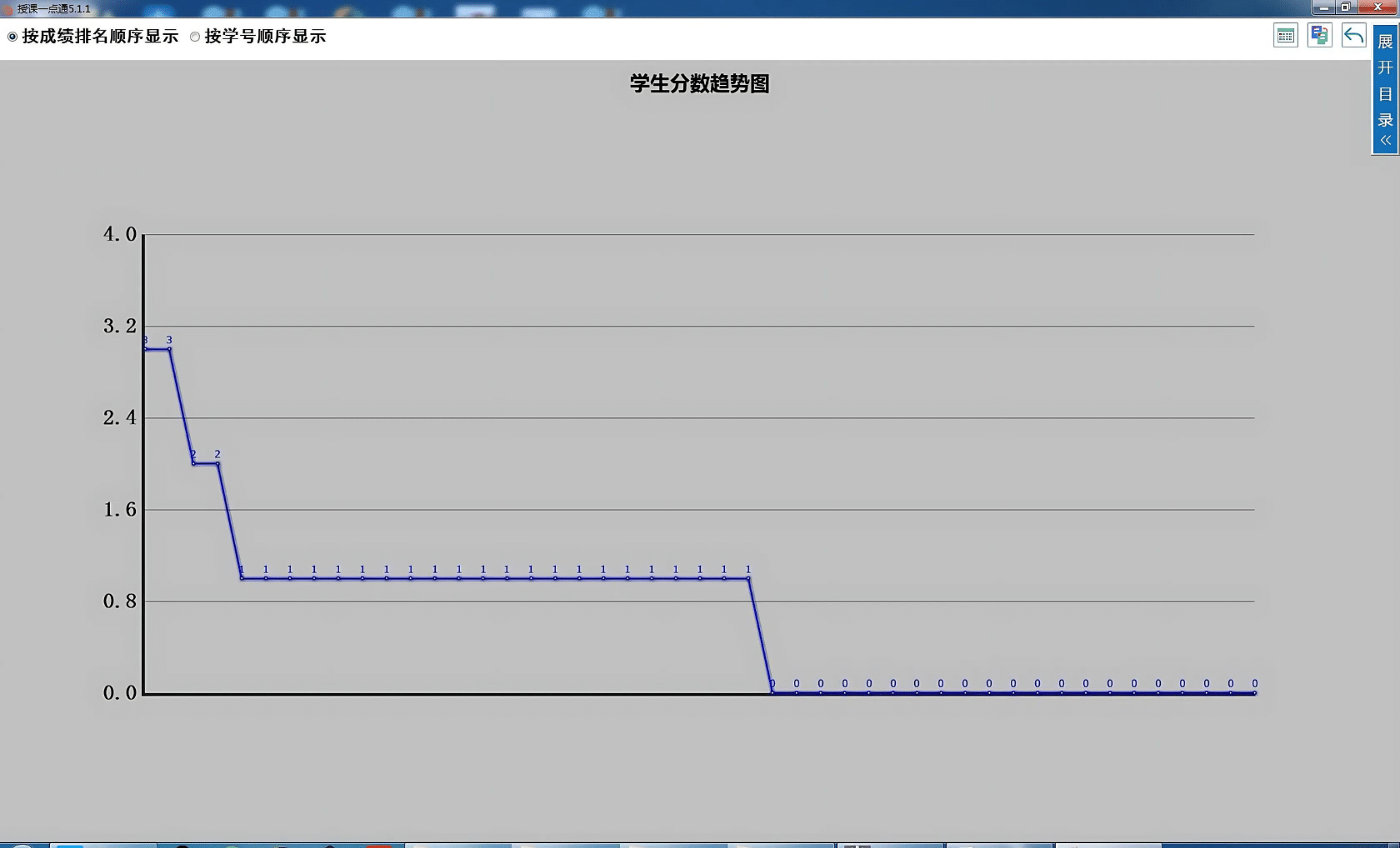
Trends in student scores / Photo Courtesy: Nan Hu

With its powerful functionality and high interactivity, the platform has completely changed the single mode of teaching in traditional classrooms. Teachers can realize multimedia teaching classroom management through the platform, while students can fully participate and actively interact in the virtual environment, which greatly improves learning interest and participation. In addition, the platform also reduces teaching costs, improves teaching efficiency, and injects new vitality into media education.

It is especially worth mentioning that when designing the ‘Digital Film and Media Cloud Practical Teaching Platform’, Ms. Hu Nan took into full consideration the specificity of media education and the needs of the industry. By introducing the concept of ‘ICT + Media’, she integrates the development of the industry into the curriculum, so that the teaching content is closer to reality and more forward-looking. At the same time, she also focuses on cultivating students’ media literacy and comprehensive ability, and through diversified practical assessment methods, such as ‘context-specific training’ and ‘integrated news design and production’, she allows students to learn and grow through practice.

In terms of teaching management and organization, Ms. Hu Nan also provided unique insights. She emphasized that teachers should shift from a product-centered teaching culture to a process-centered one, focusing on students’ learning process and experience. By introducing a variety of practical assessment methods, such as ‘presentation and defense’ and ‘learning report’, teachers can more objectively and comprehensively evaluate students’ learning outcomes and growth process, so as to provide students with more personalized guidance and support.

In specific industry use cases, Ms. Hu Nan combines the latest 5G network and cloud computing technologies to enable students to participate in the remote production and distribution of media content in real time. For example, in a typical classroom project, students used 5G-connected mobile devices to shoot short films, which were subsequently edited, processed with special effects and distributed via a cloud-based platform. This not only enhances the students’ ability to operate the technology, but also improves their understanding of the future development of the media industry. Through this teaching method, students can experience how the media industry will operate in the future, with key skills such as content production on the cloud and remote collaboration.

The platform designed by Ms. Hu was especially instrumental during the Chinese epidemic lockdown, when many universities were forced to teach online, and her platform was able to seamlessly support distance learning and hands-on training. The platform also integrates an AI automated analytics tool to help students analyze the quality of video content and audience feedback, enabling them to optimize based on data. This personalized feedback mechanism based on big data greatly improves students’ learning efficiency and promotes a seamless connection between media teaching and industry applications.

In practice, there are numerous teaching cases accomplished through this platform. For example, in the news production projects of Nanjing University and East China Normal University, students use virtual studio technology to simulate breaking news reports and broadcast the whole process through the cloud platform. During the practice, students not only learned how to handle breaking news reports, but also obtained real-time data analysis of audience interaction and feedback through the platform, which provided them with valuable practical experience and enabled them to better cope with the complex challenges of the media industry in their future work.

From a data perspective, Mr. Hu’s platform has significantly improved students’ practical skills. According to the statistics on the employment rate of media colleges and universities in East China, the success rate of students who participated in the platform in entering the media industry after graduation reached more than 93.4%, of which 89% of the students said that the platform greatly improved their technical operation ability and their confidence in dealing with the challenges of practical work. These figures fully prove the innovative value and long-term impact of the platform in media education.

Ms. Hu Nan’s ‘Digital Film and Media Cloud Practice Teaching Platform’ is not only a major innovation to the traditional teaching mode, but also an active exploration of the future development direction of media education. Her successful practice provides us with valuable experience and inspiration: in the fast-changing information technology today, only through continuous innovation and practice can we cultivate excellent media talents to meet the needs of the times.

Looking ahead, we expect more educators to embrace information technology and explore the road of teaching innovation, just like Ms. Hu Nan. Let’s work together to promote the reform and development of media education and contribute to the cultivation of more media talents with innovative spirit and practical ability.


Published By: Aize Perez

How Medical Translation Services in Medical Device User Manuals Save Lives and Ensure Patient Safety

Medical devices are tools and equipment used in healthcare and are often exported from their country of origin to other parts of the world. To ensure that doctors and other users can operate these devices safely, it’s crucial that they understand the accompanying documentation, such as instructions for use. This is where clear communication becomes vital, as the manual instructions, product descriptions, and packaging labels act as the bridge between the medical device companies and the users.

People in different parts of the world speak and understand different languages. This language gap could result in dangerous outcomes for patients. This is where medical translation plays a crucial role in bridging the gap between medical device companies and users from various linguistic backgrounds.

For every piece of information provided with medical devices, accurate medical document translation is essential to ensure these devices are used safely and correctly. Medical device companies must rely on medical device translation agencies to guarantee that their user manuals and related documents meet the highest standards of clarity, precision, and compliance.

These medical translation services ensure that every document whether it’s a user manual, regulatory submission, or product instruction is translated by experts with a deep understanding of the medical field. Their team of specialized translators helps companies meet strict regulatory requirements and avoid the risks associated with poor translations.

Let’s explore why translation is critical for patient safety, the severe consequences of poor translations, and how companies specializing in document translation services lead the way in providing accurate medical translations.

Why translation in product descriptions, user manuals, and packaging labels is crucial for patient safety

Healthcare professionals need to be fully informed about the devices they use, and patients need to understand the devices used in their treatment.

Medical devices are designed to improve patient outcomes, but their benefits can be lost if the accompanying user manuals, product descriptions, and labels aren’t properly localized.

To achieve this, the materials that accompany medical devices such as packaging, leaflets, marketing materials, and technical information need to be accessible. Medical device translation ensures that, whether a company is exporting to one country or many, the equipment can be used safely and effectively. Translation agencies excel in providing medical translation services, ensuring that every word in these manuals is translated by localization experts with the utmost care, as even a small misinterpretation can lead to serious errors. Whether it’s the medical document translation of technical specifications or patient instructions, accurate translation ensures users operate the device safely and according to the guidelines.

By relying on translation agencies, medical device companies can ensure that their products meet local linguistic and cultural standards, minimizing the risk of user errors and maximizing patient safety.

The risks of poor translations in the medical device industry

The consequences of poorly translated medical device documents can be severe. Regulatory bodies such as the FDA in the United States and the EMA in Europe demand absolute accuracy. Mistranslations can result in legal disputes and even life threatening situations.

For example, between 2004 and 2005, a hospital in eastern France experienced a tragic situation where cancer patients undergoing treatment were overdosed with radiation, leading to several deaths and numerous patients being harmed. Upon investigation, it was discovered that among other issues, a mistranslation contributed to the problem. The user manual was in English and had not been properly localized into French, and the hospital’s administration relied on bilingual staff to interpret the manual for dosage calculations. (Source via: Researchgate.com)

This tragedy underscores the importance of proper translations provided by medical device translation agencies tailored specifically for the medical device industry. These certified translators possess subject matter expertise and work with project managers to ensure every medical document translation is performed with technical precision. This reduces the risk of life-threatening mistakes and ensures medical devices are used correctly, no matter where they are sold.

Why companies prefer medical device translation agencies over freelance translators

One key reason medical device companies choose medical translation services over freelancers is the team of certified experts with deep industry knowledge. Certified translators ensure all documents meet the rigorous standards of global regulatory bodies.

When a medical device company prepares to launch in a new market, it must translate user manuals, packaging, and regulatory submissions into multiple languages. Working with medical device translation agencies not only guarantees accurate medical document translation but also helps companies remain compliant with regional regulations.

As per EU MDR, certified translations by an ISO 17100 certified agency are required to clear the device for sale in Europe.

By offering comprehensive document translation services, these agencies ensure that companies can confidently market their products worldwide.

Conclusion

From ensuring that patients use devices correctly to meeting regulatory demands, medical translation services play a critical role in the safe global distribution of medical devices.

Partnering with medical device translation agencies ensures that your product reaches diverse markets safely, your user manuals are precise, and healthcare workers and patients can trust the devices they depend on.

Published by: Nelly Chavez