NeptuneChain’s Innovation Path: Equipping Farmers and Resolving Water Quality Challenges

Nutrient pollution in water, primarily caused by excess nitrogen and phosphorus from various sources like agricultural runoff, sewage, and industrial waste, poses a significant threat to aquatic ecosystems and human health. It leads to issues such as harmful algal blooms, dead zones, and water quality degradation.

At the forefront of addressing this critical issue stands NeptuneChain, aiming to transform water quality management through innovative technologies and forward-thinking financial strategies. At its core, the company envisions a future where the detrimental effects of nutrient pollution on water bodies are mitigated, fostering sustainability and responsible resource utilization. 

NeptuneChain recently announced a strategic partnership with Neptune’s Harvest, a division of Ocean Crest Seafoods, Inc., established in 1965 in Gloucester, MA. Neptune’s Harvest is renowned for producing American-made organic fertilizer derived from fresh fish caught in the mineral-rich North Atlantic Ocean. Their unique process utilizes 60-70% of the fish left after the fillet has been removed. It’s the perfect source of nutrients to improve soil and build organic matter, which sequesters carbon. This collaboration signifies a mutual commitment to revolutionizing water quality management and promoting sustainable agriculture.

By integrating Neptune’s Harvest expertise in organic fertilizers with NeptuneChain’s innovative technologies and financial strategies—such as advanced sensors and blockchain—the partnership aims to effectively address challenges related to nutrient pollution. This collaboration leverages the strengths of both entities, utilizing cutting-edge tools and financial strategies to tackle issues in the agricultural landscape.

At the heart of NeptuneChain lies a user-friendly platform designed to empower farmers and buyers alike. The platform provides a suite of services to streamline the quantification and trading of water quality credits. Leveraging state-of-the-art technology, NeptuneChain offers tools and databases that allow farmers to quantify the nutrients they remove from water bodies. 

Deploying equipment like sensors and drones on farmland assists in accurate nutrient measurement. This technology-driven approach not only simplifies the quantification process but also amplifies farmers’ contributions to improving water quality.

NeptuneChain empowers farmers by harnessing new government incentives to adopt innovative and energy-efficient agricultural technologies. By strategically aligning with programs such as the USDA’s Renewable Energy for America Program, NeptuneChain facilitates farmers’ access to additional grants, loans, and tax benefits.  Farmers engaged with the platform may qualify for substantial tax credits, encouraging the adoption of cutting-edge equipment and tools to enhance nutrient removal from water sources. 

Leveraging the public accessibility of information from EPA’s National Pollutant Discharge Elimination System (NPDES), which reveals data on entities contributing to pollution, NeptuneChain meticulously identifies potential buyers, including businesses and entities with a history of violating water quality standards. This transparent insight guides the company’s targeted approach in connecting these buyers with farmers who can offer high-quality pollution removal credits.

One of the primary challenges foreseen in the farmer onboarding process is the comprehension of revenue generation from selling water quality credits. “While farmers are well-versed in regenerative agricultural practices, navigating the intricacies of water quality trading and understanding the financial benefits may present a hurdle; that’s where we come in,” says Jacques Jean, NeptuneChain CEO. 

NeptuneChain aims to bridge this knowledge gap by simplifying the process and providing in-depth training and support to farmers, making the concept of credit sales accessible and understandable. The company’s proactive approach involves creating user-friendly tools and interfaces, making it easier for farmers to quantify the nutrients they remove from water bodies.

As NeptuneChain navigates the water quality trading industry, the significance of education, partnerships, and data leverage remains central to its mission of fostering a future with improved water quality and environmental sustainability. For more information, visit www.neptunechain.io or www.neptunesharvest.com for more on the company’s collaboration with Neptune Harvest.


Published by: Annie P.

What Are Application Maintenance Services?

Application Maintenance Services refer to the continuous support, updates, and optimization of software applications after they have been developed and deployed. These services ensure that applications remain functional, efficient, secure, and up-to-date, allowing businesses to meet their users’ needs while staying competitive. Regular maintenance keeps apps running smoothly, resolving bugs, security vulnerabilities, and performance inefficiencies. This article will explore why application maintenance is crucial, the types of services available, and how businesses benefit from maintaining their applications over time.

Why Do Apps Need Maintenance?

Like any other technology, applications require ongoing maintenance to ensure they function properly over time. As users interact with the app, bugs and performance issues can arise, which need to be addressed promptly. Additionally, apps must adapt to new operating system updates, security threats, and changing user needs. Without regular maintenance, apps can become outdated, slow, or vulnerable to attacks, leading to poor user experience and potential data breaches.

Maintaining an app ensures that it:

  • Remains functional and efficient: Bugs and glitches are resolved to keep the app running smoothly.
  • Keeps up with technological advancements: Operating system updates and new devices require updating apps to maintain compatibility.
  • Stays secure: Regular updates protect the app from new security threats, keeping user data safe.

Types of Application Maintenance Services

Several types of application maintenance services are designed to address different aspects of app performance and functionality. Businesses can choose services based on their needs, whether fixing critical bugs or enhancing user experience.

1. Corrective Maintenance

Corrective maintenance focuses on identifying and fixing application bugs, errors, and malfunctions. This service ensures that any defects or issues affecting the app’s performance are promptly addressed, ensuring smooth operation.

2. Adaptive Maintenance

Adaptive maintenance involves updating the application to keep it compatible with changes in the operating environment. This could include changes in operating systems, hardware updates, or third-party integrations. Adaptive maintenance ensures that the app functions properly as external factors evolve.

3. Perfective Maintenance

Perfective maintenance improves the application’s features, functionality, and overall performance. This includes optimizing the app’s code, adding new features based on user feedback, or streamlining processes to improve user experience.

4. Preventive Maintenance

Preventive maintenance involves proactive measures to prevent future issues or failures in the application. This may include security updates, performance monitoring, and routine checks to identify potential problems before they occur. Preventive maintenance helps avoid downtime and ensures the app remains stable and secure.

How Maintenance Helps Improve Apps

Ongoing application maintenance is essential for improving and optimizing app performance. Maintenance services fix issues and ensure that the app continues to meet user needs and functions efficiently.

Fixing Bugs in the App

Bugs and glitches can severely impact the user experience, leading to frustration and poor reviews. Regular maintenance helps identify and fix these issues, ensuring users have a seamless and error-free experience. Fixing bugs quickly also prevents them from escalating into larger problems that could affect the app’s overall functionality.

Keeping Apps Secure

Security is a priority for any app, especially with the increasing number of cyber threats. Maintenance services help protect the app by addressing security vulnerabilities and keeping the app up-to-date with the latest security protocols. This ensures that sensitive user data is protected and that the app complies with industry standards.

Making Apps Faster

Over time, apps can become sluggish due to outdated code or inefficient processes. Maintenance services can optimize the app’s performance by improving its speed, reducing load times, and ensuring it runs smoothly on different devices. A faster app enhances user satisfaction and can lead to increased user engagement.

What Happens if You Don’t Maintain an App?

Failing to maintain an application can lead to various issues that can negatively impact the business and its users. Without regular maintenance, an app may experience:

  • Increased Bugs and Errors: Without corrective maintenance, bugs and glitches can accumulate over time, causing frequent crashes and poor performance.
  • Security Risks: As cyber threats evolve, an unmaintained app can become vulnerable to attacks, putting user data at risk and leading to potential legal consequences for the business.
  • Outdated Features: Apps not updated with new features or improvements can fall behind competitors, leading to a decline in user interest.
  • Decreased User Retention: Slow performance, outdated features, and security issues can drive users away, resulting in lost revenue and a damaged brand reputation.

Who Provides Application Maintenance Services?

Application maintenance services are offered by specialized IT companies or software development firms. These providers offer expertise in managing and maintaining applications across various platforms, such as web, mobile, and desktop. They typically provide ongoing support, monitoring, and updates to ensure the application functions smoothly over time.

Some common providers of application maintenance services include:

  • Software Development Companies: These companies often provide maintenance services as part of their app development offerings.
  • Managed IT Service Providers: These firms provide comprehensive IT support, including app maintenance and performance monitoring.
  • In-house IT Teams: Larger companies may have in-house teams to maintain and update their applications.

Choosing the right provider is crucial for ensuring your application receives the necessary attention and care to remain functional, secure, and competitive.

Why Are These Services Important for Businesses?

For businesses, maintaining their applications is crucial for long-term success. An app that is regularly updated and optimized can provide a better user experience, leading to higher user retention and satisfaction. Additionally, maintenance helps prevent costly issues such as downtime, data breaches, and poor performance.

Saving Time and Money

Investing in application maintenance saves time and money in the long run. Regular updates and bug fixes prevent larger issues from developing, which can be more expensive and time-consuming. Maintaining the app’s performance and security ensures the business doesn’t lose customers due to poor user experience or security breaches.

Keeping Users Happy

User satisfaction is key to the success of any app. Businesses can retain users and attract new ones by ensuring that the app is free of bugs, runs smoothly, and remains secure. A well-maintained app improves user experience, which may lead to positive reviews, higher ratings, and increased user engagement.

Protecting Data

Data security is a prime concern for both businesses and users. Application maintenance services ensure the app is protected against the latest security threats, safeguarding user data from breaches and attacks. By maintaining a secure app, businesses can build trust with their users and avoid legal issues related to data protection.

How to Choose the Right Maintenance Service for Your App

Choosing the right application maintenance service is essential for ensuring your app stays functional, secure, and competitive. Here are some key factors to consider when selecting a provider:

  • Experience: Look for providers with experience maintaining apps similar to yours. Their expertise will ensure that they understand your application’s specific needs.
  • Support: Ensure that the provider offers 24/7 support to address any urgent issues that may arise.
  • Customization: Choose a provider that offers tailored maintenance plans based on your app’s needs, whether you require frequent updates or occasional bug fixes.
  • Security: Ensure the provider prioritizes security and can protect your app from cyber threats.

By selecting a maintenance service that meets these criteria, businesses can ensure that their apps remain functional and efficient in the long term.

The Bottom Line

Application maintenance services ensure that apps remain functional, secure, and up-to-date in an ever-evolving technological landscape. Regular maintenance helps fix bugs, improve performance, and secure apps, which may lead to higher user satisfaction and better business outcomes. By investing in ongoing maintenance, businesses can prevent costly issues, stay competitive, and protect their users’ data.

Whether you are managing a small app for a startup or a large-scale enterprise application, regular maintenance is key to ensuring that your app continues to meet the needs of its users while staying secure and reliable. Choosing the right maintenance service can make all the difference in the long-term success of your application.


Published By: Aize Perez

Tips to Choose the Best Data Encryption Solutions

Sensitive data is today more crucial than ever given today’s increasingly computerized world. This is due to the increasing threat of cyberattacks and businesses and individuals’ desire for reliable solutions for securing their data. This post will be devoted to five of the most important pieces of advice to help you get the best data encryption solutions. By following those rules, it is possible to ensure that their private data is not disclosed to any third parties and protected from any unauthorized access.

Determine Your Needs for Data Security

Before rushing to endless possibilities of data encrypting, first, one must take a step back and evaluate one’s specific data protection requirements. Thus, it is crucial to identify what exactly your organization’s needs are in order to select the most suitable encryption solution. 

In this case identify which types of data must be secured first. This could comprise of any data your company comes across during operations and especially data that you cannot afford to let into the wrong hands, this includes; Consider data volume, data management techniques as well as storage and data transfer processes. Which type of data protection is more important to you: data in transit that refers to information that is shared across networks or data at rest that is data that is stored in devices or servers?

Understand Different Encryption Methods

Now that you understand your needs you should familiarise yourself with the various types of encryption. This can be explained as the process of converting ordinary readable information into one which can only be interpreted by the possession of a decryption tool. Nowadays there are various encryption techniques available in the market which have their own pros and cons and which are suitable to be used in certain situations only.

 A single key is used in this method of encryption to both the encryption process and the decryption process. It is highly suitable for use with large data sets since it operates at a fast rate and within a short span of time. The challenge however lies in the transfer process since the parties involved need to pass on the key without compromising its security. Asymmetric encryption, on the other hand, makes use of two keys: reverse key which serves as decryption key, and a public key which serves as the encryption key. Although it is slower compared to the use of symmetric encryption, this method is more secure for transference of encrypted data.

 End-to-end encryption is another that it is important to understand (E2EE). This technique ensures that data is secured right from its source and all through to the intended recipient. For the purpose of conversation and data exchange the data is virtually very secure because only the right recipient can decode it. 

Prioritize Ease of Use and Integration

 The extent to which data encryption solutions can be implemented within the framework of the existing structure and are easy to use should be among the criteria for selection. If a solution is not easy to use, or it is hard to integrate there are chances that it can be used improperly and therefore can lead to security issues, increased costs, and/or delayed projects.

 When selecting encryption products, look for the administration tools and on the interface – they should be as simple as possible. Knowing this, your staff will use the encryption tools appropriately as well as consistently if only they are easier to master.

 Consider how effectively the encryption solution combines with the activities and programs you already use. Whether it can work with your current databases and the applications that you employ? Implementation must be easy for all necessary technologies and products that the service is being provided to. 

Consider Scalability and Performance

Consequently, your organization’s data protection requirements will grow and be more enriched as the organization grows. For this reason choosing an encryption system that meets the growth of your business is very important. One can easily extend the number of users, devices or types of data into a scalable solution without compromising on security and features.

An important factor one should consider when evaluating scalability is vertical scaling or the increase in the capacity of the existing resources as well as horizontal scaling, which is the addition of new resources to one’s system. Growing data and growing numbers of users should not negatively impact the effectiveness of good encryption solutions. 

Another factor that one may have to consider is performance. Encryption operations may have an effect on system performance if they are not optimized properly, which is fairly obvious. When looking for a solution one should aim to find the balance between operational efficiency and security strength.

Evaluate Key Management Capabilities

Key management is a critical factor that applies to all encryption systems that are in use. Finally, it’s up to the user on how efficiently and effective he or she would have protected the decryption keys to warrant the security of encrypted data. In their lifetime, keys are created, distributed, stored, and disposed of securely all thanks to a proper management of keys. 

Looking for encryption programs that provide very functionality of key management. The following should include; carefully controlling key distribution; securely storing keys preferably in hardware security modules; and generating the keys effectively by using excellent random number generators. Rotation of keys should also be possible in the solution so that one is able to change keys from time to time in order to enhance security in the system.

When implementing encryption on multiple systems or different sites, you should consider proposing solutions that possess centralized key management. This is made better by centralized management of the network since it makes enforcement of uniform policies possible, monitoring of crucial usage easier, and swift action to any incidents observed to be a security threat. When checking such things as key-related actions, it is helpful to search for measurements such as multi-factor authentication for key access and audit trail systems. 

Conclusion

Choosing the right strategy of data encryption is a crucial decision that will significantly influence a company’s security. You will be well-equipped to make an informed decision if you adhere to these five guidelines: understanding one’s requirements; understanding encryption methods; making ease of use and compatibility essential criteria; considering scalability and speed; assessing key management features.

 Published by: Nelly Chavez

The Role of AI in Elevating the Customer Experience in E-Commerce

Imagine entering an online store where every product recommendation feels tailor-made, and your questions are answered instantly without ever needing to wait for a human assistant.  

This is the power of AI in e-commerce, where advanced technologies like virtual assistants and chatbots are now helping to transform how businesses connect with customers. AI is no longer a futuristic concept but a key driver of personalized shopping experiences and streamlined customer service. 

From intelligent product suggestions to 24/7 support, AI tools are reshaping how we shop online, offering unparalleled convenience and satisfaction. As competition in e-commerce intensifies, companies leveraging AI to elevate customer experience are setting themselves apart, creating more meaningful and engaging interactions.  

How AI is Transforming E-Commerce Customer Experience?

AI-driven technologies such as chatbots, virtual assistants, and private LLMs are revolutionizing how businesses interact with customers. These tools offer personalized shopping experiences, enhance customer support, and streamline decision-making.  Not just that, with the help of Search 10.7, you can make the business process hyper-efficient, which allows companies to respond faster to customer needs and optimize their operations even further. 

Personalized Shopping Experiences

Because AI can swiftly analyze large amounts of data, e-commerce companies may provide highly tailored buying experiences. Online retail companies can use AI agents and virtual assistants to provide product recommendations based on past purchases, browsing history, and customer preferences.  

For example, AI chatbots can enhance customer interactions by suggesting complementary products and promotions or answering specific questions in real-time.  

Gartner predicts that by 2025, 80% of customer service and support firms will use generative AI technology in some capacity to increase agent efficiency and customer experience (CX).

Moreover, AI-powered tools like SearchAI chatbots can help customers navigate thousands of product options, making search results more relevant and reducing the time spent on decision-making. These intelligent search tools use enterprise search algorithms to understand the context and intent behind user queries, making the shopping experience more seamless.

Enhancing Customer Support with AI Chatbots and Virtual Assistants

Providing the premier customer service is essential for fostering loyalty and trust in e-commerce. AI-driven chatbots and virtual assistants are revolutionizing customer service by increasing speed and efficiency. These tools are available 24/7, offering instant responses to common questions, guiding customers through buying, or even handling complaints.

For instance, SearchAI chatbots are designed to offer personalized, context-aware interactions, reducing the need for human intervention in routine tasks. This increases customer care teams’ effectiveness by freeing human customer service representatives to concentrate on more complicated problems. 

A study by Juniper Research found that AI-driven chatbots could save businesses more than $11 billion annually by 2023 in customer service costs. Additionally, consumers and businesses could save over 2.5 billion customer service hours by 2023, highlighting chatbots’ efficiency and time-saving potential in modern customer service operations.  

AI for Real-Time Customer Feedback and Analytics

Understanding customer preferences is key to providing better service. AI tools equipped with real-time analytics can help e-commerce businesses gain insights into customer behavior, preferences, and pain points. AI systems use algorithms such as private LLMs (large language models) to analyze customer feedback from multiple sources, including emails, reviews, and social media, to generate actionable insights.  

For example, AI chatbots and assistants can be integrated with customer feedback tools to provide instant recommendations for improvement. These insights help businesses anticipate customer needs, optimize service delivery, and make data-driven decisions to enhance their shopping experience.  

Improving Search ability and Product Discovery with AI

AI-powered search tools and enterprise search engines are critical in improving searchability and product discovery in e-commerce. By more effectively understanding user intent, these tools help customers find what they’re looking for faster, delivering highly relevant and accurate results. 

This enhanced search capability improves the customer experience and drives higher conversion rates by making product discovery more seamless and intuitive. 

Unlike traditional search engines, which rely on simple keyword matching, AI search solutions like SearchAI utilize natural language processing (NLP) to understand the context behind a customer’s search. Due to improved product discovery and increased search result accuracy, customers will find it easier to find what they need. 

The Future of AI in E-Commerce Customer Experience

As AI technologies evolve, their role in e-commerce will only grow. Integrating AI assistants and advanced chatbots into the customer journey will drive more personalized and efficient shopping experiences. Furthermore, advancements in private LLMs will enable companies to understand consumer behavior better and develop targeted marketing and customer service plans more precisely.   

Moreover, the future of AI in e-commerce lies in developing RAG (Retrieval-Augmented Generation) models, which combine the power of large-scale search systems with natural language generation. These AI systems are set to revolutionize how businesses handle customer interactions by generating highly relevant, personalized responses based on real-time data.  

Conclusion

AI transforms e-commerce by enhancing customer experiences with personalized suggestions and instant support. By embracing AI, businesses can boost user satisfaction, loyalty, and efficiency, improving retention and lowering operational costs.  

Published by: Holy Minoza

Challenges in IT Recruitment and How to Overcome Them

Recruiting IT professionals today is becoming increasingly complex. The rapid evolution coupled with a high demand for skilled talent, creates a daunting challenge for businesses looking to secure the right minds. For IT recruiters, this involves more than just sourcing candidates; it requires finding qualified candidates who fit the unique needs of their organization. This article dives into common challenges faced in IT recruitment and explores practical strategies to overcome them.

1. Shortage of Qualified Candidates

The biggest challenge in IT recruitment is the shortage of skilled professionals. While demand is soaring, the pool of highly qualified IT professionals remains limited. This gap is not just limited to industry but also to academia, where institutions struggle to attract IT talent to bridge teaching and research.

How to Address It:

  • Upskilling and Reskilling: Encourage internal employees to gain new skills through training programs. It’s often easier to reskill than to hire externally.
  • Collaborate with Educational Institutions: Building partnerships with universities can allow companies to directly influence curricula, helping students graduate with skills relevant to the industry’s needs.
  • Broaden Your Talent Pool: Consider hiring candidates from adjacent industries trained in specific IT skills. Focus on candidates with a steep learning curve.

2. High Demand and Competition

The IT sector is fiercely competitive. Companies can no longer wait for applications to roll in. Excellent IT talent is constantly in demand by recruiters. In this environment, passive recruitment strategies are a recipe for failure. Candidates today have multiple offers and expect fast, transparent communication from prospective employers.

How to Address It:

  • Active Sourcing: Don’t just rely on job boards. Engage in active sourcing through LinkedIn, GitHub, or Stack Overflow to directly connect with IT talent.
  • Employer Branding: Make your company attractive to candidates by highlighting company culture, growth opportunities, and unique benefits.
  • Competitive Compensation: Benchmark your offers against competitors. IT professionals know their worth, so ensure you’re offering a competitive salary and benefits.

3. Complex Recruitment Processes

The recruitment process for IT professionals is multifaceted. It often involves several stages, such as technical tests, group discussions, and multiple interviews. These complex layers can stretch the recruitment cycle, leading to candidate drop-off and increased hiring costs.

How to Address It:

  • Streamline Your Process: Reduce unnecessary steps. Identify the core competencies you need and focus on assessing those through targeted evaluations.
  • Use Recruitment Technology: Implement applicant tracking systems (ATS) to automate and simplify candidate management.
  • Fast Communication: Make decisions quickly and communicate regularly with candidates to keep them engaged.

4. E-Recruiting Challenges

E-recruiting has become a staple in IT hiring. It saves time and widens the applicant pool, but it comes with its own set of challenges. These include filtering out low-quality applications, dealing with data security risks, and ensuring that your processes are inclusive.

How to Address It:

  • Pre-screening Tools: Use AI-powered tools to filter applications more efficiently and reduce the risk of overlooking potential talent.
  • Prioritize Data Security: Protect candidate information with secure platforms for job applications and data storage.
  • Inclusion and Accessibility: Ensure your e-recruiting practices are inclusive by designing job ads and processes that cater to diverse backgrounds.

5. Mismatch Between Academic and Industry Needs

One of the more subtle challenges in IT recruitment is the disconnect between the skills taught in academia and the practical skills needed by industries. Academic curricula often lag behind fast-evolving technology trends, resulting in a workforce not fully equipped to handle current industry challenges.

How to Address It:

  • Industry-Academia Collaboration: Companies should collaborate with academic institutions to align curriculum with real-world industry needs.
  • Offer Internships and Co-op Programs: By giving students hands-on experience through internships, companies can groom potential future employees and evaluate their fit.
  • Hire for Potential: Consider candidates who may lack experience but demonstrate strong potential and a willingness to learn.

6. Quality and Fit of Candidates

It’s not enough for a candidate to qualify on paper; they must fit within the organization’s culture and possess the technical and soft skills necessary for success. The fast-paced nature of IT demands individuals who are adaptable, creative, and can work well in teams.

How to Address It:

  • Behavioral Assessments: Incorporate behavioral interviews to assess soft skills like adaptability, communication, and teamwork.
  • Cultural Fit Interviews: Ensure candidates align with your company’s values and culture by using tools to assess personality and work style.
  • Test Real-World Scenarios: Instead of relying solely on theoretical questions, use real-world scenarios to assess problem-solving and technical abilities.

Overcoming the Challenges with a Strategic Approach

Addressing these recruitment challenges requires more than just tactical changes—it demands a strategic, proactive approach. Here’s a quick summary of the steps you can take:

  • Develop Talent Pipelines: Build long-term relationships with potential candidates. It could include attending industry events or engaging with professional communities online.
  • Focus on Employer Brand: Create an inclusive workplace for employees. Highlight employee testimonials, work-life balance, career growth, and innovation opportunities.
  • Embrace Technology: Use AI, machine learning, and other technologies to streamline recruitment processes and reduce administrative burden.
  • Engage Passive Candidates: Sometimes, the right talent isn’t actively looking for work. Build relationships with passive candidates who might consider switching jobs when the time is right.

Conclusion

IT recruitment presents a unique set of challenges and obstacles that can be overcome with the right strategies. A proactive, candidate-centric approach is critical. Companies need to adapt by actively sourcing talent, streamlining recruitment processes, and aligning academic qualifications with industry needs. By embracing technology and focusing on a positive candidate experience, organizations can find and attract the IT professionals they need to thrive in today’s competitive landscape.

Effective IT recruitment isn’t about quick fixes—it’s about long-term, sustainable strategies that ensure your organization stays ahead in the race for great talent.

Published by: Martin De Juan

Harmony of Voices: Exploring the Dual Dynamics of Text-to-Voice Generators and Voice Changers

Text to Voice and voice changers, while both fall under the umbrella of voice synthesis technology, have unique features and distinct roles. The individual applications of each software are a testament to their versatility. Some of them enhance accessibility in fields like entertainment and communication. The challenges, benefits, and scope for improvement in both software are in tandem, and their dual dynamics are explored below. 

Introduction to Text to Voice Generators

The TTS technology, focusing on synthesizing voices based on the text, has far-reaching societal benefits. Its applications, which include improving customer service and enhancing the accessibility of content for individuals with impairments, can significantly improve society’s overall well-being. The ability to gauge reactions and provide prompt responses based on a script can make processes more efficient, while the widened platform for online content can foster inclusivity. 

The long list of virtual assistants and audiobooks is a prime example of how a text to voice generator can positively affect lives. It can help beginners learn languages and help improve listening and pronunciation. The engaging prospect of bringing to life the written word is also a golden opportunity for content creators. Those uncomfortable voicing their content can get AI to do it for them. 

Introduction to Voice Changer 

Voice modulation, the core of Voice Changer technology, offers creative possibilities. The ability to tweak an existing audio to sound like someone else is a powerful tool when used responsibly. It can enhance the impact of vocal effects, benefiting not just the entertainment industry but also businesses. The myriad applications of Voice Changer begin with its potential to enrich the entertainment sector. Adding content and context-appropriate voices can only elevate the quality of productions, opening up new avenues for creativity.

Another intriguing aspect of voice changers is their potential to empower individuals in various scenarios. For instance, in sinister circumstances where one needs to hide one’s identity, the anonymity of changing voices can lead to individuals who help unearth truths. This aspect and enhancing virtual reality scenarios and immersive gaming experiences can provide a genuinely empowering and wholesome experience. 

Benefits of Text-to-Voice Generators and Voice Changers

Dual Dynamics of Text-to-Voice Generators and Voice Changers

Photo: Unsplash.com

The overlapping benefits are an indication of the synergy between this software. Contrary to popular belief, TTS has remained relevant despite advancing Voice changer technology. Their varying benefits allow us to reap the rewards and create dynamic opportunities. When these two are combined, the scalability gets a massive boost. The production rate increases due to removing human factors while working with humanized voices. The cost, time, and effort poured into a project reduced significantly. The efficiency also gets a boost, and you can create more quickly. 

The independence of employing TTS reader and voice changer technology is an added advantage. You can rely on something other than artists, agencies, and availability to execute meaningful and genuine ideas. While these are great for the entertainment industry, businesses, especially small businesses, can benefit significantly from this. Personalization and customization are some of the USPs of more prominent brands. When working on a tight budget, including personal touches like names, preferences, and personalized interactions can help build brand image. It can build relationships with customers and improve sales.

Combining both makes your content accessible to every person in front of a screen. TTS can target those with impairment, while voice changers can cross international boundaries and gain attention. Real-time processing allows better brand interaction. The quick change of languages can make the brand more approachable and widen the possibilities for the customer base. The voices can be modulated to express emotions and make synthetic speech more engaging and relatable. 

The generation of an audio bae and the power to experiment using a voice changer gives you the freedom to figure out what suits your needs best without much hassle. You can chase perfection without having to worry about the cost. The fine-tuning of nuances like emotions, pitch, tenor, tone, and more can be done using voice changers. 

Future of Dual Force of Text-to-Voice Generators and Voice Changers

Dual Dynamics of Text-to-Voice Generators and Voice Changers_3

Photo: Unsplash.com

The future prospects of this robust combination grant us a peek into the vivid possibilities. AI can improve the quality of human voices and convey emotions better than before. The natural attributes of synthesized voices can replace human interaction in many fields. More developed contextual awareness using algorithms may pave the way for complete automation. The simplification of interfaces and the user-friendly qualities can improve customer experiences. 

Apart from the apparent scope for improvement, there are some gaps that may be filled when it comes to the responsible usage of both. The complete transparency of information or shift of power may help in better management of these technologies. 

In conclusion, the dual dynamics of Text-to-Voice Generators and Voice Changers are a boon to various fields. The potential to raise the bar across all applications is high. The immersive auditory experience can get better for users across all platforms. 

Published by: Martin De Juan

Exploring AI’s Growing Influence in the Financial Advisory World

By: John Glover (MBA)

Artificial intelligence (AI) and machine learning (ML) are no longer just buzzwords; they are becoming integral to how we live and work, including personal finance. While much of the attention has been on how these technologies can automate tasks, their true impact goes far beyond mere convenience. The rise of AI in finance is challenging the traditional narrative of who can become an investor and how investment decisions are made.

But what does the public need to know about AI’s growing role in finance, and how does it truly impact the way we manage our money? At the heart of this shift is the promise of democratizing access to sophisticated investment strategies, traditionally available only to those with deep pockets or connections to high-cost financial advisors.

The Common Narrative vs. the Reality

The common narrative surrounding AI in finance often centers on how algorithms can outperform humans by analyzing vast amounts of data in seconds, identifying market trends, and predicting stock movements. While there is some truth to these claims, the reality is more nuanced. For starters, AI and ML models are not infallible. They rely on historical data and statistical patterns, which means they can struggle to adapt to unprecedented events or sudden market disruptions that fall outside of their training data.

Moreover, the technology is only as good as the data it’s fed. Biased or incomplete data can lead to flawed recommendations, putting investors at risk of making poor financial decisions based on the “guidance” of an algorithm. Although AI promises to simplify investing, it’s crucial for the public to understand that it cannot eliminate risk or guarantee returns.

Shifting the Role of the Financial Advisor

One of the biggest changes AI can bring to the financial world is the role of the traditional financial advisor. Historically, investment guidance was provided by human experts who built relationships with clients, understood their unique financial situations, and offered tailored advice. Today, however, AI is stepping in as a more affordable and accessible alternative.

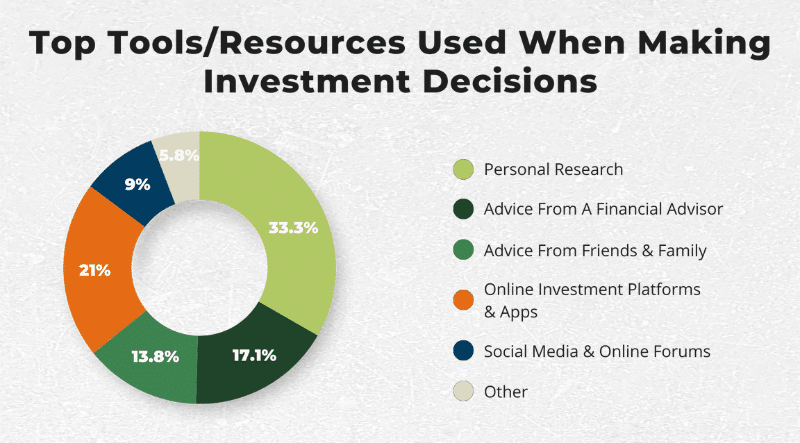
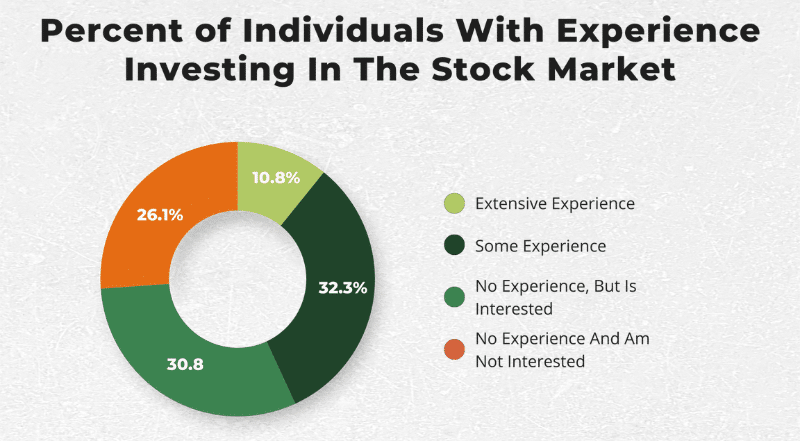
A recent survey by Prospero.ai suggests that a portion of respondents reported having investing experience, while fewer indicated they rely on financial advisors for their investment decisions. This may reflect a shift in how some individuals approach investing, with technology becoming an alternative source of guidance.

AI’s Growing Influence in the Financial Advisory World

Photos Courtesy: Prospero.Ai

“AI is like having a pocket-sized financial advisor, one that can process petabytes of information faster than any human could,” says George Kailas, CEO of Prospero.ai. The company is one of several that are using AI to analyze stock trends and help individuals make informed investment decisions. Kailas believes that AI has the potential to fill the knowledge gap for everyday investors by breaking down complex data into easy-to-understand insights.

AI’s Growing Influence in the Financial Advisory World

Photos Courtesy: Prospero.Ai

Prospero.ai’s Approach

Prospero.ai is positioning itself as a platform that doesn’t just provide financial advice but seeks to empower users to become their own financial advisors. The platform’s AI models analyze market trends and risk factors and provide investment insights. This approach is not about replacing human advisors but rather complementing them by making sophisticated financial tools available to a broader audience.

Kailas points out that one of the key advantages of AI-driven platforms like Prospero is their ability to educate users. “Rather than just providing complex data that might be difficult for the average person to understand, AI simplifies market trends into actionable insights,” he explains. This educational component allows users to gradually build their investment skills, ultimately helping them make more informed decisions independently.

The goal, according to Kailas, is to make investing accessible to anyone who is willing to learn, not just those with access to professional financial advisors or the capital to hire them. As AI technology continues to advance, platforms like Prospero are working to ensure that people of all financial backgrounds can access the tools they need to achieve their financial goals.

What the Public Needs to Know About AI Investing

Despite its potential benefits, AI-driven investing is not without risks, and it’s important for the public to understand these as they navigate this new landscape. While AI can process vast amounts of data, the quality of its recommendations is still dependent on the data it uses. Inaccuracies or biases in data can lead to suboptimal investment strategies. Additionally, AI may not always account for qualitative factors such as geopolitical risks, regulatory changes, or human behaviors that can significantly impact the markets.

The recent market volatility during events like the COVID-19 pandemic and geopolitical tensions has highlighted the limitations of algorithm-driven investing. When unforeseen circumstances arise, even the most sophisticated AI models may struggle to keep up with rapidly changing conditions. As a result, some financial experts caution against relying solely on AI for investment decisions.

Dr. Jonathan Reese, a financial analyst with expertise in AI applications, advises investors to use AI tools as a supplement rather than a replacement for traditional financial strategies. “AI can provide valuable insights and help streamline the decision-making process, but it should not be viewed as a magic bullet. Investors still need to do their homework and understand the risks involved,” says Dr. Reese.

The Broader Impact on the Financial Industry

The rise of AI in finance is influencing the financial industry. As more individuals explore AI-driven platforms like Prospero for investment guidance, the role of traditional financial advisory services may decline. This could lead to a reshaping of the financial advisory industry, with more firms incorporating AI tools into their offerings to stay competitive.

However, this shift raises ethical and regulatory questions about the role of algorithms in finance. Should AI platforms be held to the same standards as human financial advisors? How transparent do these companies need to be about the algorithms they use, and how much liability should they assume if an AI-driven recommendation goes awry?

A New Era of Financial Empowerment or a Double-Edged Sword?

AI’s influence on the financial sector is undeniable, but whether it will lead to a more democratized investment landscape remains to be seen. The technology has the potential to empower everyday investors, but it also brings new risks and challenges that cannot be overlooked. For platforms like Prospero.ai, the mission is clear: to help individuals become more self-reliant in managing their finances by providing tools that simplify the investing process.

However, as AI continues to evolve, the public needs to be aware that the technology is not infallible. Investors must approach AI-driven recommendations with a healthy dose of skepticism and a commitment to ongoing education. After all, while AI can offer valuable guidance, the responsibility for making informed financial decisions still lies with the individual.

In this evolving landscape, successful investors may not be those who simply follow AI’s lead but those who use it as a tool to enhance their own knowledge and decision-making capabilities.

Disclaimer: This content is for informational purposes only and is not intended as financial advice, nor does it replace professional financial advice, investment advice, or any other type of advice. You should seek the advice of a qualified financial advisor or other professional before making any financial decisions.


Published By: Aize Perez

Driving and Family Safety App OtoZen Expands Its Innovative Solutions

OtoZen, a California-based company spearheading the market with its leading driving assistant app, is taking strides to expand its popular services to help drivers and their families. Founded by Krishna Kalidindi, a parent of teen drivers and a knowledgeable entrepreneur, OtoZen was born out of a need to do better. 

After his daughter pointed out his distracted driving habits, the tech startup founder was committed to creating a solution that could improve safety in real time. Krishna took an unconventional approach, utilizing the very same technology that distracts and endangers drivers to mitigate it. His ingenuity paid off. OtoZen is proud to be a reliable platform for teen and adult drivers all over the US. The company is actively expanding its user base, connecting with more drivers and their families, and cultivating seamless driving experiences built for the modern age. 

Technological advancements have unlocked heightened safety features but created a serious problem with safety on the road. Texting and driving, speeding, and other behaviors claim the lives of countless teen drivers annually in the United States. This tragic issue has encouraged the creation of multiple safe driving platforms offering parents and teen drivers insights on their commutes. 

However, OtoZen is one of the only driving and family safety apps that provide proactive real-time alerts, improving safety when it matters rather than when it is too late. Many in the industry only share driving behavior data with users after teens have left the wheel, eliminating any opportunity for corrections en route. However, OtoZen recognizes the critical need to do things differently, reflected in its real-time comprehensive driving alerts, warnings, and safety feedback reports while creating long-term habits that will last a lifetime. 

Driving and Family Safety App OtoZen Expands Its Innovative Solutions (2)

Photo Courtesy: OtoZen

“OtoZen encourages new and experienced drivers to improve their driving habits with speeding alerts, texting while driving warnings, driving safety feedback, and many other features. On the other hand, each and every element within our app is built to give parents peace of mind through the knowledge that their loved ones are driving safely. It’s our team’s passion to take the stress out of driving for drivers and their families,” says Founder Krishna Kalidindi.

New drivers using OtoZen receive speeding alerts based on the road’s speed limits, texting while driving vibration buzzes, Drive Score Reports for each trip, and a Weekly Drive Score with in-depth feedback. They also have access to automatic crash detection and automated contact with emergency services when the driver is unable to seek help. 

Parents and guardians on the OtoZen app can view their child’s live location, ETA, place notifications, and speed limit activity on-demand. They also have the option of sending short voice messages, and viewing trip reports and driving scores. These real-time insights keep parents in the loop without distracting their new driver on the road.

Parents, teen drivers, and other prospective users can protect themselves and their families in minutes by downloading the OtoZen app from Google Play or the iOS App Store. OtoZen is compatible with all cars and will deliver alerts via the vehicle’s speakers when Bluetooth, CarPlay, and Android Auto are enabled. 

Users can enjoy a limited number of the app’s robust features with a free account, or upgrade to a premium subscription after a 14-day trial. OtoZen is constantly looking to expand its app’s value by integrating new features and data tracking. 

The company is currently refining its location-sharing services to enhance pick-up and drop-off coordination along with general safety regarding their child’s whereabouts. 

In the near future, Krishna aims to take OtoZen global, providing drivers and families worldwide with preventative safety features that keep their loved ones protected 24/7.Test OtoZen’s impressive features today by downloading it from the iOS App Store or Google Play.

Published by: Josh Tatunay

Steven Kawasumi’s Technical Guide for Data Leaders Looking to Scale Generative AI

By: Steven Kawasumi

Generative AI has quickly become a transformative force for small, medium, and large organizations, promising to revolutionize everything from content creation to predictive analytics. However, scaling these artificial intelligence models from proof-of-concept to enterprise-wide applications presents a unique set of challenges. Success requires more than cutting-edge algorithms; it demands a comprehensive understanding of data ecosystems, model training, and strategic integration.

While many companies are eager to adopt AI, few possess the expertise needed to truly maximize its potential at scale. Leaders like Steven Kawasumi, who have a deep understanding of both the technical and operational aspects of AI, offer valuable insights into overcoming these hurdles. Kawasumi’s approach is designed to help data executives not only deploy generative AI but also integrate it seamlessly into their existing systems, ensuring long-term success and sustainable growth in real-world, data-intensive environments.

Understanding the Power of Generative AI

Generative AI, particularly models like GPT (Generative Pre-trained Transformers), has become a game-changer for companies that want to leverage machine learning beyond traditional analytics. These AI systems can generate text, code, designs, and even predictive models with unprecedented accuracy and creativity. But while the potential is immense, the journey from pilot projects to full-scale AI implementations is riddled with challenges.

Steven Kawasumi emphasizes that scaling generative AI is not merely about increasing computational resources. It involves designing a robust technical framework that can handle the complexities of integrating AI into existing data ecosystems.

“Generative AI has the power to revolutionize how businesses operate,” he says, “but only if implemented correctly and strategically.”

Building a Solid Data Infrastructure

Scaling generative AI starts with the right data foundation. Data quality, quantity, and management are all crucial to the success of AI models, and Kawasumi advises that executives must invest in building a strong, scalable data infrastructure before introducing generative AI. This means not just collecting vast amounts of data but ensuring that it’s properly labeled, categorized, and ready for AI model training.

“Many companies rush to deploy AI without considering if their data is AI-ready,” he explains. “Generative models thrive on high-quality, diverse datasets. Ensuring that your data pipelines can support that is the first step in making generative AI scalable.”

Data governance is also essential. With privacy concerns and regulatory compliance becoming ever more critical, Kawasumi notes that ensuring your data is ethically sourced, and properly secured should be a priority. Leaders need to work closely with their data engineering teams to establish frameworks for data access, usage, and storage, which not only boost AI performance but also adhere to ideal practices in privacy and security.

Addressing Model Complexity and Training Efficiency

Generative AI models require significant computational power, especially as they grow in complexity. Scaling these models can be resource-intensive, both in terms of hardware and energy consumption. Kawasumi encourages executives to consider advanced training techniques, such as distributed learning, which allows AI models to train across multiple systems simultaneously, reducing the load on any one server.

In addition, optimizing model architectures is a must. “A lot of the latest advancements in AI focus on refining model efficiency,” he notes. “From parameter tuning to more sophisticated training algorithms, leaders need to prioritize making their models leaner and more efficient.”

He also suggests that leveraging cloud computing platforms can provide the flexibility and scalability required for generative AI models. These platforms can be scaled up or down based on demand, ensuring that businesses aren’t wasting resources during non-peak times while still having the capability to handle large-scale training operations when needed.

Integrating AI Into Existing Systems

One of the biggest hurdles data leaders face is integrating generative AI into existing data ecosystems. Generative AI models, while powerful, can sometimes disrupt established workflows or systems. Kawasumi advises a thoughtful approach, where companies adopt an incremental integration process that allows AI tools to complement rather than replace existing infrastructures.

“You can’t just drop a generative AI model into an existing system and expect it to work seamlessly,” he says. “AI models need to be trained on your specific data sets, and that takes time. It’s critical to establish clear interfaces between your AI models and your current systems.”

Steven Kawasumi highlights the importance of collaboration between data scientists, engineers, and business leaders. AI is not just a technical initiative; it’s a business strategy. 

Managing the Ongoing Challenges of Maintenance and Monitoring

Once generative AI models are up and running, the work doesn’t stop. Kawasumi points out that one of the usually overlooked aspects of scaling AI is ongoing maintenance. As data changes over time, AI models need to adapt. This means having a system in place for regular retraining, and an infrastructure that can quickly incorporate new data into existing models. Without this, businesses risk their AI models becoming obsolete or inaccurate.

Monitoring is equally critical. “Generative AI models can sometimes behave in unexpected ways,” he says. “Having real-time monitoring tools in place helps catch issues before they become problems. This could be anything from detecting biases in generated outputs to identifying performance degradation.”

Scaling with a Vision for the Future

Finally, scaling generative AI requires a forward-thinking approach. Kawasumi emphasizes the importance of staying updated on the latest AI advancements and being flexible enough to pivot as new technologies and techniques emerge. “The AI space is evolving incredibly fast. What works today may be outdated tomorrow,” he says.

That’s why he encourages data leaders to focus on building scalable AI systems that are adaptable and future-proof. This means investing in technologies like edge computing, federated learning, or even quantum computing, which have the potential to transform how AI operates at scale.

Steven Kawasumi’s roadmap for scaling generative AI is clear: build a solid data foundation, optimize model training, integrate AI thoughtfully, manage ongoing maintenance, and keep a vision for the future. By following these strategies, data leaders can harness the full potential of generative AI, ensuring that their organizations not only stay competitive but lead the industry into the next phase of AI-driven transformation.

Published by: Josh Tatunay

How Deep Sentinel is Transforming Property Protection With Live Monitoring

By: PR Fueled

While video security cameras are now ubiquitous for home and business monitoring, most systems still rely on passive recording or motion-based alerts – neither of which actually does much to prevent crime and theft. Deep Sentinel offers a truly unique solution that combines next-generation surveillance cameras with 24/7 live monitoring by professional guards to stop criminal activity in real time.

The company’s AI-powered cameras detect potential threats instantly, streaming footage within seconds to an in-house team of experienced security guards. These guards have visibility on people entering the property and can actively warn, deter, or dispatch police as soon as suspicious individuals are identified. With a strong average response time, Deep Sentinel is setting a new standard for active intervention and crime prevention.

A Smarter Home Security Solution

For homeowners seeking an effective deterrent against break-ins, theft, and vandalism, Deep Sentinel’s HD wireless security cameras provide reliable visual coverage paired with proactive human oversight. The weatherproof cameras feature two-way audio for real-time voice communication, along with a siren and bright LED visual warning system to scare away intruders if needed.

Professional security guards in the company’s LiveSentinel monitoring center receive instant alerts whenever unknown visitors enter the property. Using the cameras’ two-way audio and high-quality video stream, the guards quickly evaluate potential threats and engage directly to warn off criminals before a break-in occurs. If unwanted visitors refuse to leave or become aggressive, Deep Sentinel guards swiftly contact the homeowner and law enforcement simultaneously to dispatch police to the scene.

Enhanced Business Security Systems

While essential for residential protection, live monitored security cameras are even more critical for commercial premises that face higher risks. Deep Sentinel offers advanced PoE camera systems using 4K ultra HD, highly durable security cameras connected to a smart local AI hub for real-time visual monitoring and analytics. When the highly sensitive cameras detect human presence outside business hours, the footage streams instantly to LiveSentinel guards for verification.

Working closely with business owners, the Deep Sentinel team can integrate security features, including high-decibel sirens, strobe warning lights, smoke generators, and pepper spray deterrents that can all be remotely activated by guards upon detecting criminal trespassing. This creates a layered system of intelligent camera surveillance reinforced by urgent human intervention aimed at stopping threats before a business suffers property damage or loss.

Transforming Security Through Real-Time Prevention

Other home security providers offer motion-based alerts, mobile app notifications, or alarms that trigger long after a theft or break-in has occurred. Deep Sentinel stands alone in its ability to get eyes on an unfolding crime situation in seconds and take decisive action by warning perpetrators off through audio intervention or dispatching first responders to apprehend suspects attempting to flee.

The company’s AI smart hub processes images rapidly to isolate human forms and movement for the guards’ review. When a credible threat is confirmed, guards have direct voice access to issue audible warnings clearly identifying themselves as security personnel. This preventative strategy aligned with urgent police dispatch dramatically shrinks criminal response time windows, which law enforcement confirms increases the chances of capturing suspects while deterring future property offenses.

Advanced Security Technology Powered by Human Insight

Deep Sentinel utilizes sophisticated artificial intelligence and machine learning algorithms to filter security footage in real-time. Cameras stream to an advanced smart hub device that uses edge computing to analyze imagery and eliminate irrelevant motion triggers like passing cars or blowing leaves that commonly create false alarms. Edge AI enables ultra-low latency analysis so human guards receive only relevant, high-risk alerts.

The on-premise smart hub locally processes and stores high-resolution security footage while concurrently streaming a live feed to Deep Sentinel’s cloud servers and professional monitoring team. 4G LTE provides reliable connectivity along with battery backups, ensuring uptime and continued monitoring even during power and internet outages. With video buffered and stored securely on the local device, forensic evidence also remains available.

These resilient AI-powered cameras integrate seamlessly with Deep Sentinel’s team of highly trained security experts. The company only employs guards with prior law enforcement or military experience and extensive training in security concepts and emergency protocols. Around-the-clock staffing ensures clients receive an immediate human response to developing criminal threats rather than waiting for system notifications.

Proprietary dispatch software allows Deep Sentinel guards to collaborate securely for swift decision-making, such as assessing situational threats, issuing verbal warnings, sounding deterrent alarms, and contacting emergency services. With client properties geo-located in the system, guards maintain direct communication with local police departments to provide real-time updates that dramatically accelerate the on-scene response.

Unparalleled Accuracy with No False Alarms

Industry statistics indicate that the majority of traditional home security system alerts are false alarms, often triggered by minor environmental factors rather than actual criminal activity. These frequent false dispatches numb police response while creating distrust between security providers and law enforcement. Deep Sentinel’s AI smart cameras, combined with human oversight, yield extremely precise threat identification.

The edge AI initially filters motion down to relevant security events involving people. Guards then examine live footage to differentiate expected visitors like customers and employees from unauthorized people. Deep Sentinel drives virtually no false dispatches, making every alert credible. Their dispatch protocol shares video evidence and threat details directly with responding officers to prioritize calls. With Deep Sentinel monitoring in place, clients enjoy newfound confidence in their property protection while police view verified alerts as highly actionable.

Transforming the Landscape for Business Security Services

Like homeowners, companies traditionally relied on audible alarms or notifications sent after a break-in or theft occurred at a business property. However, reactive security tools cannot reverse the costly damage and economic impact of inventory and equipment losses, vandalism repair, or business interruptions from property crimes.

Deep Sentinel’s managed surveillance solution marks a watershed advancement for commercial security. The combination of smart detection through next-gen cameras, urgent human verification via remote guards, and rapid law enforcement dispatch stops criminals at the property perimeter before they can gain access and wreak havoc.

While many firms consider on-premise security guards the gold standard, the reality is that stretched budgets mean most sites are only sparsely staffed for a portion of operating hours. Multiple studies reveal that guards positively impact shoplifting but have minimal deterrent effects on smash-and-grab theft, burglaries, and vandalism – precisely the scenarios where Deep Sentinel thrives through 24/7 monitoring. With no long-term payroll, strict hourly limits, or liability risks, businesses save considerably while getting complete overnight and weekend coverage from Deep Sentinel’s remote guards.

Industry Impact and Future Outlook

Since the company’s founding in 2016 by David Selinger, Deep Sentinel has experienced explosive demand from both residential and enterprise clients seeking next-level protection. Their remotely monitored cameras now safeguard thousands of homes, multi-family rental properties, auto dealerships, construction sites, and more.

Negative community perceptions around inadequate law enforcement coverage have driven many businesses to seek alternatives like Deep Sentinel that stop crime rather than simply record it after the fact for evidentiary purposes. The company is currently developing enhanced integration capabilities, allowing its AI monitoring services to assimilate securely with third-party camera systems.

Deep Sentinel also remains committed to expanding their geographic footprint and guard workforce to extend cutting-edge security reach across the United States. With 24/7 personalized attention from dedicated guards who contact authorities at the first sign of criminal activity, clients report renewed peace of mind along with maximum property protection. This unique concierge approach to smart security aims to transform both customer expectations and thieves’ behavior as Deep Sentinel drives the future of intelligent, preventative surveillance systems.

With detector algorithms to match the environmental diversity of locations nationwide combined with empathetic personnel supporting clients, Deep Sentinel delivers robust security allyship built on technology, trust, and transparency. Contact Deep Sentinel for your free property assessment and protection consultation.

Published by: Martin De Juan