A Psychologically-Informed, Neuroaffirming Story of PDA: Supporting Autonomy, Understanding, and Emotional Safety

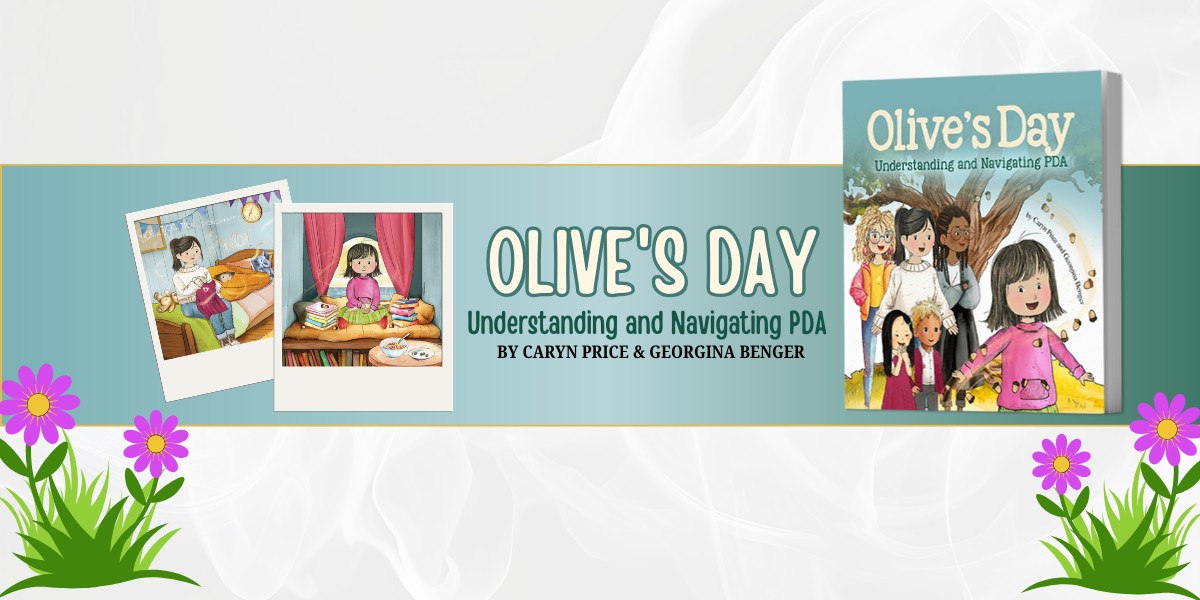
Olive’s Day: Understanding and Navigating PDA is a developmentally sensitive and psychologically grounded children’s book by Caryn Price and Georgina Benger, two experienced educators and neurodiversity advocates.

The story follows Olive, a young girl with a Pathological Demand Avoidance (PDA) profile, a presentation often associated with autism. PDA is characterised by a significant need to avoid everyday demands and expectations, often driven by high levels of anxiety and a need to maintain emotional regulation and autonomy.

Through Olive’s perspective, readers are introduced to the lived experience of PDA in a child-friendly and emotionally resonant way. What may be misunderstood as oppositional or defiant behaviour is reframed with psychological accuracy as a protective response to nervous system overwhelm, perceived loss of control, or internal panic.

The book explores how routine demands—such as getting dressed, transitioning to school, or participating in group activities—can trigger a stress response in children with PDA. It also offers strategies grounded in psychological principles of autonomy-supportive teaching, polyvagal theory, and trauma-informed practice, aimed at fostering emotional co-regulation.

Accompanied by inclusive illustrations and dyslexia-friendly fonts, Olive’s Day provides examples of potential supports. This book is suitable for children aged 4–10 and serves as both a therapeutic story for children with PDA and a resource for parents, teachers, therapists, and support staff. It encourages empathy, inclusion, and a deeper understanding of neurodivergent learners.

“Through Olive’s journey, we hope to shift the focus from behaviour management to connection and curiosity,” say Price and Benger. “Our aim is to help adults better understand the nervous system responses behind a child’s actions, and to provide children with the language, tools, and confidence to feel safe in their world.”

About the Authors

Caryn Price and Georgina Benger are mothers and passionate advocates for education, each bringing years of experience, specialist knowledge, and a range of qualifications to their work. Notably, Caryn holds two master’s degrees, specialising in psychology and responsible inclusion in education, while Georgina earned her Master of Education from Cambridge, focusing on restorative justice in childhood relationships.

They are deeply committed to their work with children, families, and colleagues, combining lived experience with academic expertise to promote more inclusive, emotionally literate, and compassionate approaches to holistic education. Unapologetically curious, they enjoy reading research, exploring new ideas, and developing creative, evidence-based approaches to support learning and wellbeing. They believe in the power of play, fun, and curiosity.

Availability

The book is available on Amazon for purchase: Click Here.

Author Name: Georgina Benger

ISBN Number: 978-1967963737

Paperback Version: Click Here


Disclaimer: This content is for informational purposes only. The perspectives and recommendations provided are not intended as professional advice. Always seek professional guidance from qualified practitioners for individual cases or concerns.

Celebrating the Unique Bond Between Humans and Dogs

By: Elena Mart

David Wilk’s Amazing Dog Stories stands as a vibrant tapestry of the deep and abiding connections between humans and their canine companions. Far more than just a collection of anecdotes, this book captures the heart of what it means to share your life with a dog—the joy, the challenges, and the unforgettable moments that define such relationships. It is a work that appeals not only because of its subject matter but also because of the thoughtful and engaging way in which it tells these stories.

The Uniqueness of the Stories

What makes Amazing Dog Stories particularly engaging is its deeply personal approach. Wilk’s voice resonates with authenticity, inviting readers to step into his world and experience the highs and lows of life with his beloved dogs. Each chapter serves as a standalone vignette, yet together, they weave a narrative of love, loyalty, and resilience. The book doesn’t just share stories; it invites readers to feel as though they are part of these experiences, making each page feel like a shared memory.

From thrilling adventures like Gracie and Yosemite’s harrowing encounter with a raging river to tender moments of solace and companionship, the stories span a wide emotional spectrum. Wilk’s ability to balance humor with poignancy ensures that readers may find themselves laughing one moment and reflecting deeply the next. It is this emotional range that contributes to the book’s charm, making it engaging as well as moving.

Wide Range of Stories

Here’s a capsule view of the variety of chapters in Amazing Dog Stories:

  • Two Golden Retrievers are swept away by a monstrous rain-swollen stream and disappear downstream in the waves and turbulence
  • A confrontation between an elderly dog and a bear that pushed its way into the house
  • The terror of finding your dog trapped and going under in a remote tar pit…so you step in to try to save him…and get trapped, too
  • The sweetness of assisting in the birth of 12 Golden Retrievers – and the craziness of their first weeks as puppies
  • The chaos of throwing a large birthday party for the reunited 12 puppies 

And many more heartwarming and intense moments.

A Celebration of Canine Character

Wilk’s talent lies not just in storytelling but in his ability to capture the unique personalities of each dog. Whether it’s the playful antics of Yosemite, the steadfast loyalty of Jenny, or the mischievous escapades of Petey and Tinker, each dog comes alive on the page. Readers will find themselves naturally rooting for these canine characters, appreciating their intelligence, bravery, and affection.

Moreover, the book explores the lessons these dogs impart. From the unbridled joy of living in the moment to the deep emotions of saying goodbye, Wilk’s reflections are highly relatable. He reminds us that our furry friends are not merely pets but family members who influence our lives in meaningful ways.

A Universal Appeal

While dog lovers will understandably gravitate toward the book, its appeal extends beyond pet owners. The themes of love, resilience, and the beauty of simple moments transcend the specifics of dog ownership. Anyone who has ever experienced a deep connection—be it with a pet, a friend, or a family member—will find elements to appreciate within these pages.

A Legacy of Love

Wilk’s writing is not just a tribute to his own dogs but also a celebration of all dogs and the joy they bring into human lives. The book serves as a thoughtful reminder of the enduring bond between humans and animals and the ways they can positively influence our lives.

If you’re seeking a book that may make you laugh, cry, and reflect on life’s meaningful connections, Amazing Dog Stories is recommended for readers who enjoy heartwarming tales of companionship. It is a touching tribute to dogs and a gentle reminder of why they are cherished companions.

Availability

This collection of stories is available on Amazon.

Author Name: ‎David Wilk

ISBN Number: 978-1917399371

AudioBook: Click Here

Paperback Version: Click Here


Disclaimer: This article is a feature about the book Amazing Dog Stories by David Wilk. Opinions expressed are those of the author of the book and this article, and the content is intended for informational and entertainment purposes.

“Here a Little There a Little”: Bishop David S. Reed Sr. Calls Readers to Prepare Their Souls, Not Just Their Lives

When Bishop David S. Reed Sr. was fighting for his life on a ventilator, he was also being prepared for something greater. In his third book, Here a Little There a Little, Bishop Reed returns with a message that is deeper, more urgent, and painfully honest: Before we leave this world, our lives must align with the way God set them up to be.

The title of the book draws from Isaiah 28:10 — “For precept must be upon precept, line upon line… here a little, and there a little.” After surviving COVID-19, with only a 2% chance of survival, Bishop Reed began to recall the messages God gave him during that dark time. They did not come all at once. In fact, they came slowly and in pieces, just as the scripture says — here a little and there a little. Now, with a clear mind and a burning purpose, he writes it all down so that others can prepare their hearts and their lives before it’s too late.

In his own words, “God told me He loved me, but I couldn’t enter heaven because sin was on my record. If I hadn’t repented, I would have died lost.” That moment of spiritual confrontation left Bishop Reed shaken. But it also left him changed. This book is not about religion. It’s not about rituals. It is about the truth of God, the reality of sin, and the importance of following God’s order.

Here a Little There a Little is structured to walk the reader through spiritual truths one step at a time. Each chapter builds on the last, sharing revelations from scripture, personal visions, and reflections about what it means to really “get right and stay right.” He talks about darkness and light, tradition versus truth, and the spiritual danger of thinking you are fine when your soul is actually out of order with God.

Bishop Reed’s writing is filled with humility. He confesses that, for years, he was in church but was not truly right with God. He had the title. He had the ministry. But he was missing the deeper relationship. “I thought I knew God,” he admits, “but I was a sinner who needed to be saved.” It was only through the experience of being brought to the edge of death that he began to see the full picture.

This book is not just for churchgoers. It is for anyone who has ever wondered what it really means to live a life pleasing to God. Bishop Reed explains that God’s system is not based on what we think is right. It’s based on obedience. “You can’t get into heaven your way,” he says. “You have to get there God’s way.”

One of the most heartbreaking truths Bishop Reed shares is this: love does not override order. God is love, yes. But God is also holy. And He will not allow sin in His presence. That’s why repentance is not optional — it is essential.

The message of Here a Little There a Little is clear: take a moment, look at your life, and ask, “Is everything the way God set it up to be?” If the answer is no, then there is still time to change — but we do not know how much time we have.

About the Author

Bishop David S. Reed Sr. is the pastor of Upper Room Apostolic Church in Wichita, Kansas. With over 40 years of ministry, he is known for preaching truth and encouraging personal repentance and spiritual growth. After surviving a near-death experience with COVID-19, he now writes and speaks across the country to share the vision God gave him — one truth at a time.

Join the Daily Inspiration Hour Prayer Show

As part of his ongoing mission, Bishop David S. Reed Sr. now hosts the Daily Inspiration Hour Prayer Show on Facebook Live, where he encourages believers to pray, repent, and stay rooted in God’s word. The show airs Monday through Friday at 6:00 AM, 12:00 Noon, and 6:00 PM, and on Saturdays at 12:00 Noon and 6:00 PM.

Listeners can also call in live to request prayer or share their own petitions. The prayer line is open during the show at:

605-475-220

Access Code: 6588057#

You can tune in directly at facebook.com/bishop.david.reed or visit his official website at bishopdavidreed.com for more updates, messages, and ministry resources.

This outreach is part of the same calling that inspired Back with a Message, a desire to warn, uplift, and help people walk closer to God.

Moments in Time: A Poetic Reflection of Life’s Fleeting Episodes

By: Elowen Gray

Every life, regardless of the ordinary moments it holds, is ultimately remembered in fragments. We do not carry the full weight of our days in memory but instead hold onto singular instants: a touch, a conversation, an encounter that lingers. These are the moments that gradually shape the landscape of our thoughts. This philosophy underpins Moments in Time, the new poetry collection by Kinsey J. McFadden, a writer, musician, and innovator in telemedicine whose verses often draw from human connection and the transitory experiences that define it.

McFadden’s journey into poetry began in childhood, listening as his sister read poems aloud. These early recitations sparked in him an appreciation for rhythm and introspection, which later blossomed into a meaningful relationship with words. In Moments in Time, this relationship takes form in a collection of poems that do not aim to capture the entirety of life but instead focus on the moments that endure.

Poetry as Reflection, Not Prescription

Unlike many contemporary poets who may focus on relatability as their primary goal, McFadden writes with a subtler intention: to connect with those who, like him, see the world through remembered instants. Instants that have been etched onto the slate of the mind, like engravings on stone.

He invites readers to reflect on their own lives, to consider the moments that shaped them, rather than the illusions of an unbroken whole. For some, a poem might evoke a long-forgotten love; for others, it may stir the ache of loss or the comfort of survival.

The book becomes less a set of verses and more a gentle mirror, held before the reader, inviting them to look back. This portrayal is illustrated by one poem that poses a question at the heart of both art and identity:

The person in the mirror, was that person really me?
Or was that just the image of the one that I should be?
Which one of us was true to life? Which one of us was real?
Is real the thing that we can touch, or is it what we feel?

These lines reflect McFadden’s gift: to capture in verse the quiet uncertainties and revelations that accompany our inner soliloquy. He does not provide definitive answers but instead invites readers to contemplate what has come to pass, offering poems as mirrors in which they might glimpse their own remembered moments.

The Philosophy of Fragments

The guiding idea of Moments in Time is an oxymoron in itself; it is deceptively simple yet deeply profound: life is not a seamless narrative but a collection of defining episodes. McFadden writes not with the aim of universal appeal but with an intention to stay true to his personal experience. Yet, paradoxically, it is in that very authenticity that readers might find resonance. They may see themselves reflected in his words or discover entirely different insights into their own lives, but either way, the work invites reflection.

A Mosaic of Human Experiences

The collection spans a wide range of moods and subjects: the playful shifts in love’s tides, the steady bond of family, the rebellious innocence of youth, and the courage required to face oneself. Some poems offer lightheartedness, others mourn loss, and still others hum with the fugitive beauty of fleeting moments. Together they present what life itself offers, a complex weave of moments of joy and sorrow, folly and wisdom, all bound together by the simple fact of having been lived.

A Voice Both Intimate and Expansive

There is a distinct intimacy in McFadden’s verse, unique to him and his lived experiences. The voice is open, unguarded, and buoyantly vulnerable. Yet at the same time, his language holds a generous quality that allows readers to enter freely, to see themselves reflected in a moment that is not their own. It is poetry that bridges the space between the poet’s life and the reader’s imagination, without forcing them into sameness.

An Invitation to Reflect

What McFadden offers to his readers is a hand to help navigate a world that often seems complex and overwhelming. His poetry urges us to look back on our own defining instants and to consider that perhaps life is less complicated than it may first appear. As a potter would, we are shaped and broken and shaped again by those transient encounters that remain long after the years have passed.

A Testament to Life’s Complexity

Moments in Time, set to be released soon, is not merely a collection of poems. It reflects on the path carved by memory and meaning. It is for readers who have ever found themselves lost in thought, caught in a rush of reflections that seem more vivid than the present moment. It is for those who believe that identity is found not in grand narratives, but in the fragments that linger, fragile yet lasting.

Kinsey J. McFadden’s work stands as a reminder that while we cannot hold all of life at once, we can appreciate its fragments scattered about us in pieces. And in cherishing them, perhaps, we come closer to understanding who we truly are.

Connect with Kinsey McFadden: Facebook | Instagram 

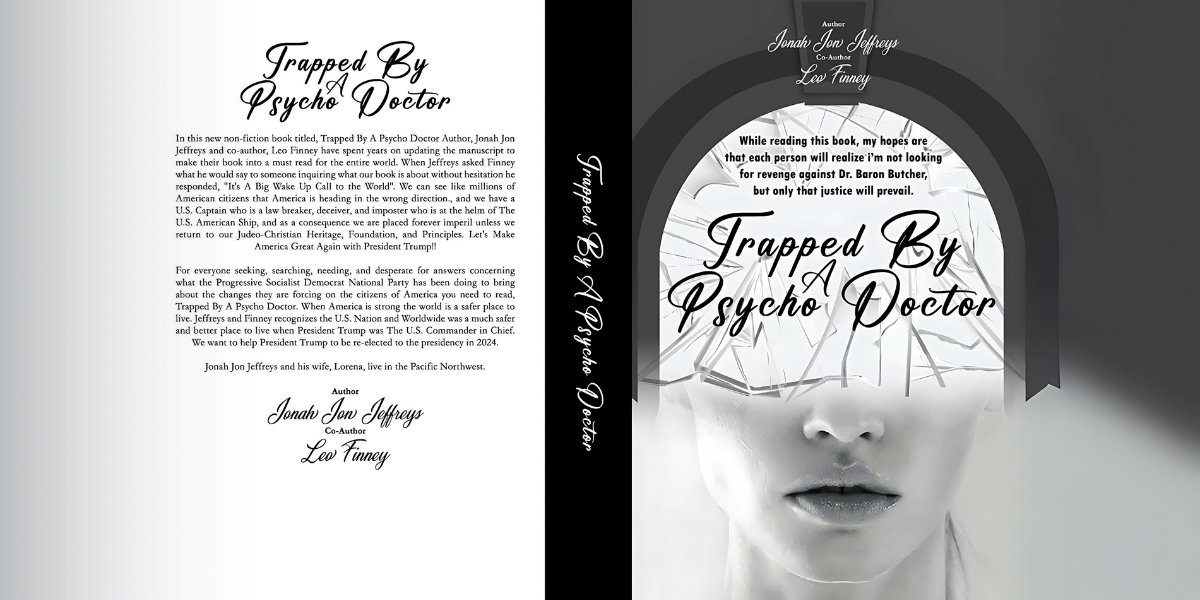
A Patient’s Wake-Up Call to the World: The True Story Behind Trapped by A Psycho Doctor

By: Jonah Jeffreys

In a world where trust in medical professionals can mean the difference between healing and harm, Trapped by A Psycho Doctor is a powerful, raw, and eye-opening account of what happens when that trust is betrayed. Written by Jonah Jeffreys, a survivor of what he describes as “medical predation,” this groundbreaking non-fiction work reveals the shocking story of how a non-certified cosmetic surgeon took advantage of a vulnerable patient through manipulation, deception, and what the author suspects was hypnotic influence.

From the outside, Jonah appeared to be a man seeking a minor cosmetic correction. But what followed was a descent into confusion, trauma, and a years-long battle to reclaim not just his appearance, but his sanity, dignity, and truth. What sets Trapped By A Psycho Doctor apart from other books on medical malpractice is not just its shocking narrative, but its perspective. This is not a legal analysis or a doctor’s retrospective. This is the unfiltered voice of a patient—a man who lived through it and emerged with a message for the world.

A Story Too Strange to Be Fiction

Jonah Jeffreys endured multiple unauthorized surgeries performed by a dental specialist masquerading as a legitimate cosmetic surgeon. Over time, he began to realize that what happened to him went far beyond a botched procedure. In the book, the antagonist is portrayed as a manipulative doctor figure who, according to Jeffreys, used psychological tactics such as hypnosis and hyper-suggestion. The author describes this character as representing the dangers of exploitation in unregulated medical settings, emphasizing how his perception and consent were deeply affected.

It took Jonah years to process what had occurred fully. Still, once he did make the courageous decision to speak out—not just for himself, but for every person who has been victimized by medical professionals and silenced by shame or disbelief. “I believe the doctor character in the book hoped I would look like a fool if I came forward,” Jeffreys says. “He expected me to be delusional, incapable of explaining what had happened. But he underestimated me—and the truth.”

A Wake-Up Call for the World

Co-authored with longtime friend and fellow Christian, Leo Finney, the book is described by Finney as “a big wake-up call to the world.” The two authors draw on their deep faith, theological education, and shared mission to expose the dangers of unregulated cosmetic practices and the psychological abuse patients may endure at the hands of unscrupulous professionals. This is not only a tale of physical trauma, but one of psychological warfare and spiritual redemption, as described by the author.

Readers will find Trapped by A Psycho Doctor more than just informative—it is a survival guide. It opens the eyes of patients to ask the right questions, recognize red flags, and never ignore their instincts. It offers five key benefits: education, awareness of real-world malpractice, life-saving insight, emotional validation for victims, and a powerful message of hope and recovery.

Faith, Politics, and Purpose

Jeffreys is not shy about the spiritual and political convictions that have shaped his journey. A born-again Christian, he credits his faith in Jesus Christ for giving him the strength to survive what he calls “the ultimate violation.” 

His passion for truth, justice, and moral clarity flows through every page of the book—and every word of this article. Jeffreys and Finney see their work as more than just a memoir; it’s a mission. “When America is strong, the world is safer,” says Jeffreys. “And when people are informed, they are protected.”

A Personal Legacy

What inspired Jonah to write this book wasn’t just personal catharsis. It was a realization: there were no books like this—no stories from the patient’s side. “I called an attorney’s office,” he recalls. “They told me all the books were from doctors or lawyers. I thought, well, there’s about to be one from the patient.”

And so Trapped by A Psycho Doctor was born. Jonah hopes it will one day become a movie. He’s already been told that with the right investment, it could go global. Until then, his words are reaching readers around the world who need to know: you are not crazy, and you are not alone.

A Hidden Hero by Rogers Omollo: A Memoir of Strength and Determination

By: Elena Mart

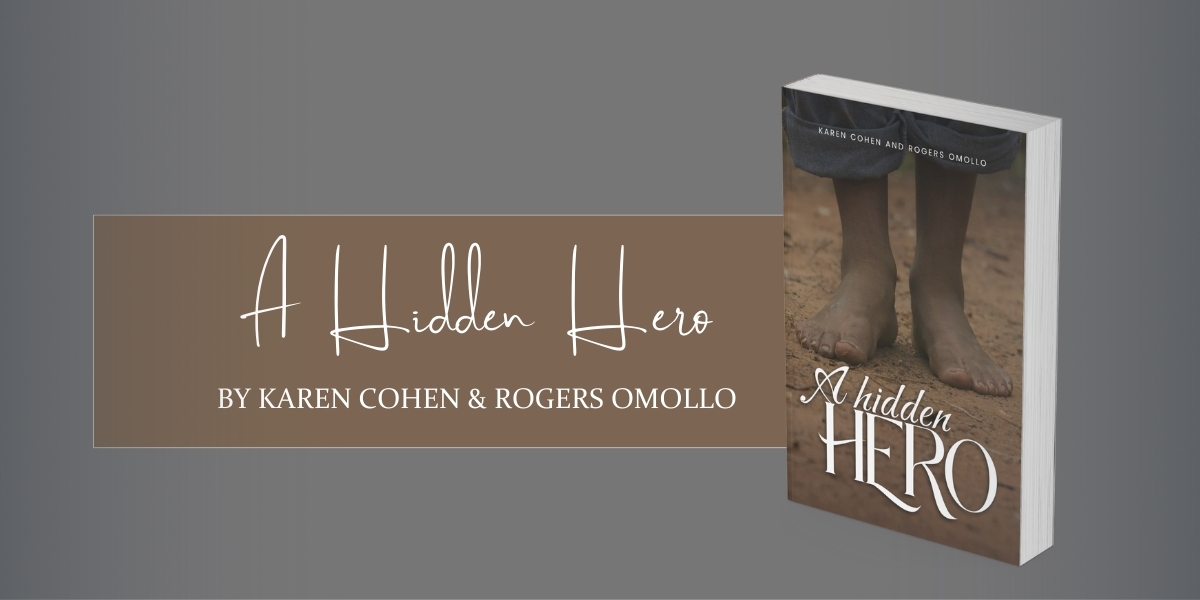
Rogers Omollo’s A Hidden Hero is a poignant and insightful memoir that does more than chronicle a difficult childhood—it honors the quiet strength found in survival and the courage needed to dream when life offers limited opportunities.

The story begins in tragedy, with the loss of both parents. It’s not just the grief that resonates deeply, but the subtle way in which it permeates everyday life. After losing his father, young Rogers and his siblings faced another devastating blow—the passing of their mother. Their grandmother, already burdened with age and poverty, stepped in as their caring yet reluctant guardian.

What follows is not a tale of immediate triumph, but one of gradual resilience. Rogers doesn’t romanticize poverty or suffering. Instead, he paints an honest picture of what it means to grow up in the shadows of hardship. His days were spent scaring birds away from rice crops, his bare feet buried in the wet soil before the sun even rose. But through this manual labor, Omollo begins to reveal something deeply meaningful: the will to survive and the determination to rise.

Education is the backbone of this memoir, not just in the academic sense, but in the broader philosophy of self-betterment. Rogers sees school not just as a goal, but as an opportunity to break free from a cycle of poverty that traps many. Yet he never lets ambition overshadow his responsibilities. His love and dedication to his grandmother, who sacrificed much for him, add an emotional layer of familial loyalty that grounds his aspirations in something profoundly human.

The prose is simple yet lyrical, grounded yet reflective. Rogers writes with a voice that is honest and unpretentious, allowing readers to feel the texture of the mud he stood in, the sting of the sun on his back, and the ache of hunger in his belly. But just as clearly, he conveys the stirring flicker of hope that never quite fades.

What elevates A Hidden Hero beyond a personal memoir is its broader social message. It is a testament to the power of perseverance and the often unrecognized lives that quietly redefine courage. It reminds us that heroism is not always about grandeur.

This book is meaningful reading for anyone who’s ever faced adversity, struggled with grief, or questioned the value of their hard work. It speaks especially to young people growing up under difficult circumstances, telling them, in no uncertain terms: you are not alone, and you can rise.

In a world full of noise, A Hidden Hero whispers something unforgettable—it’s not the stage or spotlight that makes a person heroic. Sometimes, it’s the quiet, daily decision to keep going.

About the Author

Rogers Omollo’s journey is one of resilience and determination. Growing up in extreme poverty in Kenya, he faced unimaginable challenges but remained steadfast in his pursuit of a better future. At 15, he bought his first pair of shoes and worked in rice fields for just $7 a month. Despite these hardships, his unwavering spirit propelled him forward. Today, he is a dedicated advocate for change, using his organization to uplift families in need. His inspiring story shows that perseverance and determination can lead to transformative change and create a lasting impact.

Contact Information

To request a review copy or to schedule an interview with him, contact his publicist.

Availability

This inspiring masterpiece is available on Amazon.  

Author Name: Karen Cohen

ISBN Number: 979-8348561932

Hard Version: Here

Paperback Version: Here

Dr. Yolanda Velez’s Excellence of Eternal Life: Bridging Theology and Everyday Faith

By: Jonathyn Lopez

In the bustling heart of the Bronx, where faith meets everyday life, Dr. Yolanda Velez stands as a remarkable figure, one whose voice connects the teachings of ancient theology with modern-day application. With over four decades of experience teaching Sunday school and more than 25 years spent educating seminary and Bible school students, Yolanda is not only a theologian but also a practitioner of Christian living. Her latest work, Excellence of Eternal Life, embodies her life’s mission: to provide accessible, deeply rooted responses to some of life’s most pressing spiritual questions.

Holding a doctorate in Christian Theology, Yolanda is a respected educator and thought leader in the fields of afterlife theology, prayer, and Christian meditation. Her academic journey has been complemented by decades of grassroots ministry in churches, classrooms, and beyond. However, her motivation to write a book was not about expanding her personal brand; rather, it was a response to a consistent need she observed: the desire for truth in a world that often feels increasingly distracted.

Through Excellence of Eternal Life, Yolanda has created more than a book; she’s developed a teaching tool that can engage both believers and skeptics alike. In a culture focused on immediate gratification, she dares to ask questions that cut through the noise: How do you know heaven is real? How do you prove there is a God? With clarity, compassion, and thoughtful reasoning, she encourages readers to approach these inquiries with a spirit of transformation. Her challenge to non-believers is thoughtful and impactful: “If I’m mistaken, I’ve lived a life of purpose. But if I’m right, what have you missed?”

Yolanda’s message goes beyond traditional pulpits. She actively brings her ministry to malls, halfway houses, and any space where hearts are open. This commitment to accessibility is part of what distinguishes her. Her educational style is direct yet compassionate, offering a bridge between academic theology and the practical application of faith. Pastor Marlin Rojas, who played an instrumental role in connecting Yolanda with Publify Press, recognized her depth of knowledge and encouraged her to author the book. Together, they navigated the publishing process with care, ensuring that Yolanda’s teachings would reach a broader audience.

Publify Press, known for empowering thought leaders and visionaries, provided the ideal platform for launching her message. A central belief in Yolanda’s teaching is that being Christian involves more than just prayer and scripture study. It requires action. Her approach to ministry encourages believers to integrate the Word of God into their lives with intention and consistency. As Yolanda states, “Faith isn’t about convenience, it’s about commitment.”

For those seeking a speaker, teacher, or faith leader capable of addressing eternity in both personal and academic terms, Yolanda is a distinguished voice. She is particularly well-suited for speaking engagements at churches, Bible institutes, and leadership seminars. With decades of classroom experience and a Doctorate-level theological background, she brings credibility and relatability in equal measure. As Christian philosophy continues to adapt in a postmodern world, Yolanda’s voice remains grounded. Her message serves as a reminder that while the world may change, the call to eternal life remains enduring and essential. Her hope is that readers will not only reflect on her words but also find ways to apply them in their own lives.

Learn more about Excellence of Eternal Life and how Yolanda’s insights can enhance your spiritual journey. Connect through Facebook and discover how this powerful work can uplift your ministry, classroom, or personal walk with God.

Define the Truth and Overcome It Anyway: Two Books With Purpose and Heart

By: Lisa K. Beck

Some books offer ideas, but these two offer a mirror and a map. In Define the Truth and Overcome It Anyway, Marshall Louis Davis writes with uncommon clarity about what keeps people stuck and how they can move forward with intention. The work is faith-rooted, honest, and practical. It meets readers where they are, then invites them to take steady steps toward a life that is crafted with care rather than lived on autopilot.

Volume I: Naming Pain, Choosing Truth

Volume I begins with the challenging work many of us avoid: confronting fear, procrastination, shame, and the stories we carry about our worth. Davis blends personal testimony, scripture, and grounded reflection to help readers recognize their pain, confront unhelpful patterns, and begin to rebuild from a place of dignity.
The tone is warm but direct. Instead of offering quick fixes, you receive clear prompts, thoughtful reframes, and gentle accountability. The result feels like sitting with a wise mentor who encourages you to step into your calling. If you have ever felt unseen or uncertain, this first volume provides a sturdy foundation for new possibilities and intentional outcomes.

Volume II: Speaking to the Next Generation

Volume II shifts that same clarity to teens and young adults, ages 14 to 22. It speaks plainly about adversity, belonging, and money choices that can shape a future.

Davis offers simple tools that may resonate, including the memorable “10-dollar envelope” exercise drawn from a biblical story, along with affirmations, visual metaphors, and reflection questions that aim to translate inspiration into daily action.

Whether used in a classroom, a youth group, or around the family table, this volume provides young readers with language for their challenges and suggests steps they can take right away. Confidence may grow when concepts become habits, and this book is designed to spark that shift.

The Heartbeat Behind the Work

The story behind both volumes is deeply personal. Davis lost his mother and, years later, his brother. While his family had love, they lacked the planning or communication needed to face the practical realities of grief. They borrowed from friends and relatives to cover basic end-of-life costs.

That pain inspired a promise: help other families avoid the same scramble. As a Life Coach, speaker, and CEO of LouisLegacies, Davis now equips people to clarify their vision, build steady practices, and create legacies of care and provision. His programs—ranging from a 12-week course to group sessions and keynote talks—reflect the compassion and resolve found on these pages.

Who These Books Are For

  • Anyone seeking to replace old beliefs with living truth.
  • Pastors and teachers looking for resources that blend scripture with practical application.
  • Parents in need of language for hard conversations.
  • Teens and college students facing pressure and comparison.
  • Read Volume I for personal clarity and courage. Read Volume II to provide the next generation with practical footing and a voice that says: You are capable, one honest step at a time.

Summary

If you are ready for change that is sustainable, start here. Bring these books into your home, your small group, or your youth program—and watch the conversations deepen.

Truth shared. Steps taken. Legacies built.


Disclaimer: The information provided in this article is for general informational purposes only. The content reflects the views and insights from Marshall Louis Davis and his books Define the Truth and Overcome It Anyway. This article does not offer specific advice and is not intended as a substitute for professional coaching or personal counseling. Individual experiences may vary. Always consult a qualified professional before making significant personal or financial decisions.

Robin Hamilton Bonk: Ender, ChickaLetta, and a Kindergarten Leap — A Feather-Filled Debut Worth Crowing About

By: Lyssanoel Frater

There’s something undeniably magical about a children’s book that speaks directly to the soul of its readers—not through flashy gimmicks or over-the-top adventures, but through quiet, honest storytelling that captures the essence of childhood.

With its tender exploration of friendship, growth, and the bittersweet pangs of first-day jitters, this book isn’t just a story—it’s an experience. And in today’s fast-paced world, it’s the kind of book that reminds us all of the power of simplicity, love, and a really good chicken friend.

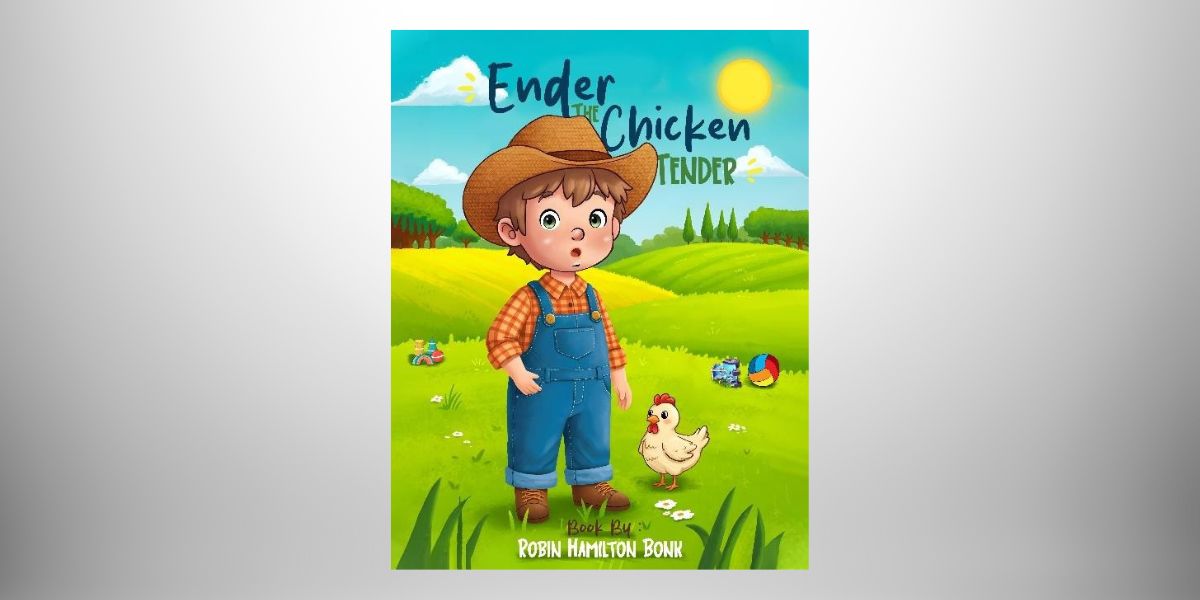
You won’t find neon lights or superhero capes in this story. Instead, picture a small Idaho backyard at sunrise: dew-kissed grass, a cozy chicken coop, and a little boy named Ender. His best friend? ChickaLetta, the fluffiest, most interesting hen you’ve ever “met.” From sunrise egg hunts to puddle-jumping adventures, their days are filled with delight and discovery.

Robin Hamilton Bonk didn’t pull this story from thin air—it’s rooted in real-world moments. She borrowed her characters straight from life: her grandson Ender—and yes, ChickaLetta really exists, too. That authenticity gives this book a gentle, lived-in warmth. It feels like you’re slipping into someone else’s memory, fresh and vibrant.

Then comes the twist: kindergarten. The looming school bus becomes a symbol of change, and Ender suddenly feels a tug—between Duck and Desk, Coop and Classroom. Can he truly be a devoted Chicken Tender while also being a brave kindergartener?

Robin Hamilton Bonk: Ender, ChickaLetta, and a Kindergarten Leap — A Feather-Filled Debut Worth Crowing About

Photo Courtesy: Robin Hamilton Bonk

This is where Ender the Chicken Tender shines.

The story handles transitions—big feelings, new beginnings, the ache of leaving something beloved—without veering into a drama-heavy pitch. Instead, Robin uses humor and warmth, letting kids (and parents) feel seen and understood. Humor? Check. Heart? Absolutely.

What’s magic about this book is its gentle conversational tone. You read it and feel like Robin’s right there in the room, leaning in with a grin and maybe an “oh, you’ve got to see this” expression. The narrative sounds like someone reading aloud—infused with chuckles, loving asides, and occasional feather-filled silliness.

For kids, it’s a joy ride. They’ll laugh when ChickaLetta steals the show. They’ll giggle at Ender’s quirky ideas (yes, sometimes he even tries to talk cluck). And when the bus arrives? They’ll see their own first-day jitters reflected back with honesty and love.

For parents, it’s a trip down memory lane. Remember butterflies in your stomach on your first day? Remember the little things that made you feel safe (a best friend, a favorite snack)? Ender taps into that universal feeling while offering a sweet springboard for conversation—“Hey, how do you feel about starting school?”

Now, let’s meet the author behind the coop. Past life? Deputy sheriff. Present vibe? A warm, heartfelt storyteller floating through a sleepy Idaho town by the Salmon River. Robin’s been riding Harleys—yes, on the back of Grandpa’s—and supervising substitute classes. Her days are a patchwork of real-world grit and contagious curiosity.

That combination shapes Ender the Chicken Tender in a big way. She writes with the balance of someone who knows life comes in seasons—sometimes loud, sometimes peaceful, always shifting. Kids feel her empathy. Parents feel her authenticity.

That realness shines through narrative choices, too. When Ender counts eggs, you feel the quiet precision of caring. When he worries about school, you think someone who’s really been there. And when ChickaLetta clucks her opinions? Well, that’s pure imagination.

Let’s talk themes: friendship, responsibility, courage. Those are pretty standard in kids’ books, but Robin weaves them with flair. She doesn’t just tell you, “You’ll be okay.”

She shows you through small actions, silly moments, and soft truths. Scenes, like Ender sharing his lunch with ChickaLetta or offering her a feather-soft blanket, pull you in without preaching.

The book also carries subtle prompts: care for something outside yourself; face a fear even if your knees feel wobbly; find comfort in the connections you make. And it does all that through clucks, giggles, and a sense that yes—you’re growing up, but it’s okay to keep some of what you love close to your heart.

Design-wise, this story is appealing, not overwhelming. Colorful but not garish. Illustrations that highlight emotion over detail. The coop looks cozy. ChickaLetta looks cheeky. Ender looks brave—sometimes a little unsure but always hopeful.

Kids will return to these pages for comfort and connection. Parents will appreciate the pacing and subtle emotional rhythm. It’s rare to find a debut so confident in tone—so friendly in approach—yet so sincere in purpose.

Let’s be honest—this story isn’t just getting love from bookstores. It’s creating ripples on playgrounds. Here’s what early readers are buzzing about:

“Such giggles! Ender reminded my 6‑year‑old of her own morning jitters.”

“My preschool class begged for ‘just one more egg-counting page!’”

“Perfect balance of comedy and comfort—school transition done right.”

That casual, heart-on-your-sleeve feedback? That is exactly the vibe Robin’s aiming for. It’s not about awards (though they’d be nice); it’s about real faces lighting up. That’s a win any day.

In a world crowded with interactive apps and quick-hit content, Ender the Chicken Tender stands out with its analog, hands-in-the-dirt charm. It feels like a slow Saturday morning: pajamas, pancakes, and stories that make your heart swell. It invites readers to pause and listen—to smaller voices, quieter moments, and the loud cluck of growing up.
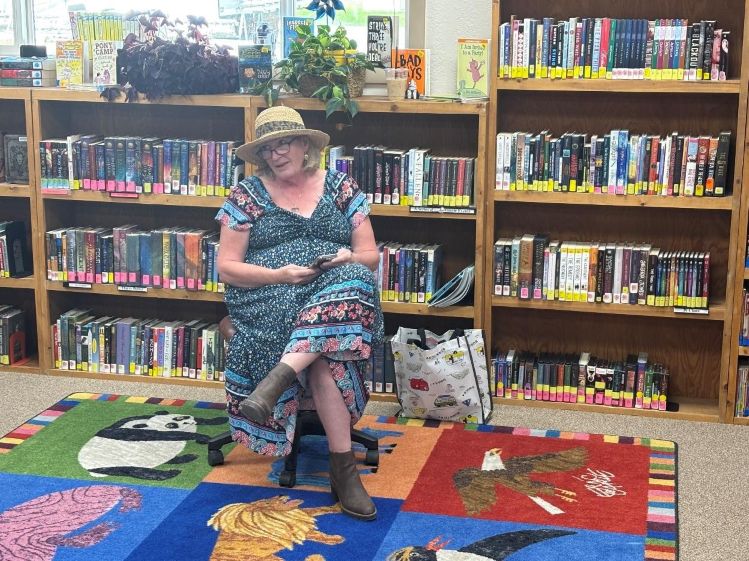
Robin Hamilton Bonk: Ender, ChickaLetta, and a Kindergarten Leap — A Feather-Filled Debut Worth Crowing About

Photo Courtesy: Robin Hamilton Bonk

It also brings something unexpected to the picture bookshelf: real chickens. Not animated or anthropomorphized—they’re clucky, messy, imperfect—and all the more lovable for it. That novelty alone gives the book its spirit. It’s a bright little corner of real things—mud, feathers, love—instead of digital screens.

So, here’s the good news you’ve been waiting for: Ender the Chicken Tender is available now. Whether you snag it at your local indie bookstore or click “buy” online, it’s ready to become your next bedtime favorite.

Robin’s also planning fun extras: downloadable activity sheets, chicken-themed DIY crafts, and even storytelling videos. It’s not just a book—it’s a community in the making. Perfect for book groups, family reading routines, or even pre-K classrooms.

Another bit of good news? Robin’s already sketching her next story. While she’s staying hush-hush on details, we do know two things: it’ll be rooted in real life (her life), and it’ll feature kids discovering bravery in everyday moments. Expect more comfy settings, more warm humor, and more chances for young readers to see themselves reflected—feathers and all.

Fall in love with Ender. Cheer for ChickaLetta. Share a laugh. Wipe a tear. And maybe—just maybe—find the courage to take your own first day, feather or not.

Ender the Chicken Tender is more than a debut—it’s an invitation. To remember the joy of small things, the power of love, and the beauty of growing up… gently. Well done, Robin. Here’s to the clucks, the courage, and the countless childhood memories yet to come.

You can find Ender the Chicken Tender on Amazon and other major bookselling platforms worldwide—ready to bring a little cluck-filled joy to your bookshelf.

Get it on Amazon.

To learn more about Robin Hamilton Bonk, explore her upcoming projects, or join her feather-loving community, visit her official website hearthwisetales.com. This is more than just a story—it’s a heartfelt journey you’ll want to share again and again.

From Loss to Nightlife: The Rise and Fall of Oskar

By: Kevin M. Miller

Oskar’s story doesn’t begin in the glitter of nightlife or the flash of cameras. It starts in a quiet, windswept port town. Born to a sailor father and a hotel employee mother, his early years were far from idyllic.

When his mother died of cancer at just nine years old, the loss became the first fracture in a life that would spiral through emotional isolation, betrayal, and self-destruction. With his father often at sea, Oskar was shuffled between relatives and neighbors, never feeling like he had a true home.

At thirteen, he moved to Canada under the care of an uncle, only to find himself in another hostile environment. Abuse, instability, and manipulation followed, culminating in his father renouncing legal paternity so Oskar could stay in Canada. The decision may have secured his residency, but it also severed a fundamental tie to his sense of belonging.

The Hustle Years

By his late teens, Oskar was fiercely independent, hustling to survive through odd jobs, stocking shelves, baking bread, doing whatever it took. But he was also burning bridges.

A final confrontation with his uncle led to a cruel betrayal: lured back to Poland under pretenses of his father’s illness, Oskar was stripped of his passport and trapped. That betrayal ignited something in him, a relentless need to take control, no matter the cost.

When he finally returned to Canada, his friends welcomed him back into a world of parties, performances, and provocation. Vancouver became his playground. By day, he worked in high-end restaurants, rubbing shoulders with celebrities. By night, he danced erotically at gay clubs like Odyssey, living out a hedonistic fantasy where attention came easily and consequences seemed far away.

Escapes and Addictions

From Vancouver to the Virgin Islands, the Cayman Islands to Barcelona, Oskar’s life became a carousel of temporary highs. Each destination promised a fresh start, yet the same demons followed: drugs, dysfunctional relationships, and the lure of quick success.

Modeling gigs, TV appearances, and high-profile romances placed him on the cusp of stardom. As a cast member on Sextet, a reality show likened to a Polish version of The Chippendales, his exposure catapulted him into the public eye.

But behind the glamour was chaos. Gambling consumed him, often with devastating losses. One relationship ended after he recklessly gambled away his partner Ola’s money. Every ascent seemed to bring a steeper fall.

Gatekeeper of the Elite

Oskar’s final act in the public eye was his most surreal. As the “picker” at one of Warsaw’s exclusive nightclubs, he controlled entry into the world of the elite. Celebrities, politicians, influencers, and criminals all courted his favor.

With power came intoxicating perks—drugs, alcohol, sex, and status. Yet influence didn’t bring peace. His nights blurred into excess, violence, and financial ruin. Even a move to London, meant as a reset, couldn’t free him from the grip of gambling.

Cracks in the Mirror

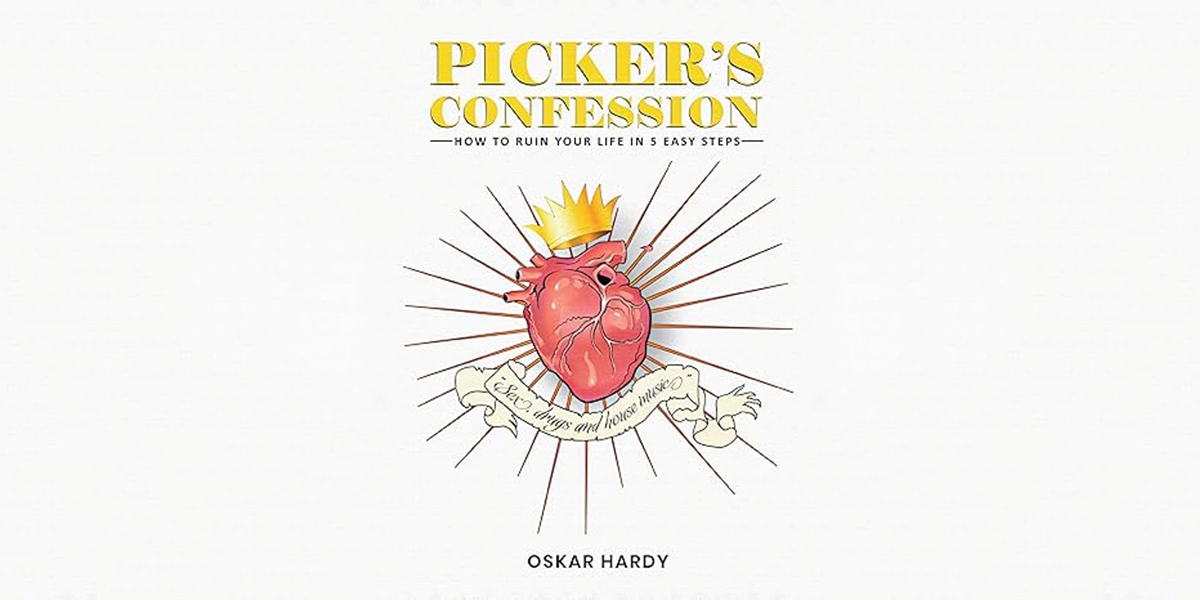
The striking theme of Picker’s Confession is Oskar’s own awareness of his self-sabotage. Fame was never the cure; it only amplified his insecurities. As a Polish-Canadian man, he felt rootless—belonging fully to neither culture. The harder he ran from his trauma, the closer it followed.

Despite fleeting success, Oskar’s life was shaped by instability and addiction. His memoir doesn’t glamorize the chaos—it lays it bare. With dark humor and painful vulnerability, he admits to bad choices, deep wounds, and the desperate search for meaning in a world obsessed with appearances.

A Memoir That Stings and Stays

Picker’s Confession isn’t a redemption story. It’s something rarer: a brutally honest chronicle of what happens when pain, ego, and addiction collide unchecked.

Chaotic and fragmented, the narrative mirrors Oskar’s own memories. Readers are pulled into wild parties, celebrity encounters, and the velvet-roped world of nightclub culture. But the memoir never lets us forget the cost. The line between glamour and ruin is razor-thin.

For readers seeking memoirs that go beyond surface storytelling, Picker’s Confession delivers. It’s voyeuristic yet cautionary, painful yet cathartic.

This isn’t just a story—it’s a reckoning.

Disclaimer: The following article recounts the personal experiences of Oskar, as told in his memoir. It includes descriptions of trauma, substance use, addiction, and high-risk behaviors. This content is intended for informational and literary purposes only and is not a guide, endorsement, or encouragement of any illegal or harmful activities. Readers are advised to approach the material with discretion and seek professional support if needed.