A Journey of Resilience: Heather Bell’s Trauma’s Worth

By: Elowen Gray

In her deeply moving debut, Trauma’s Worth, Heather Bell invites readers into the raw and reflective landscape of her life. Through heartfelt prose and unflinching honesty, Bell explores the complex interplay of trauma, resilience, and self-discovery, crafting a narrative that is as thought-provoking as it is inspiring.

At its core, Trauma’s Worth is a testament to human strength and vulnerability. Bell’s purpose in writing the book extends beyond storytelling; it is a powerful message to her children and others that struggles, failures, and even shame can coexist with grace, forgiveness, and an unyielding will to keep trying. Her dedication to this principle shines through every chapter, as she weaves personal anecdotes with profound reflections on the nature of self-worth and redemption.

Heather Bell is no stranger to adversity. From her early experiences with familial discord to the profound moments of connection she shares with her own children, Bell has lived a life marked by challenges that would test even the strongest resolve. 

A graduate of medical school and a dedicated professional in addiction medicine, she has spent her career working with individuals who embody resilience—a quality she has come to recognise and nurture within herself.

Bell’s journey began with a childhood shaped by instability and a yearning for connection. Her vivid recollections of being labelled a “heathen” as a child underscore her struggle to reconcile her sense of self with the expectations of those around her. Yet, these experiences also laid the groundwork for her eventual growth, as she learned to confront and embrace the imperfections that make her story so compelling.

Her professional life offers a poignant backdrop to her personal narrative. Working in addiction medicine, Bell has encountered individuals who have faced unimaginable hardships. These encounters not only deepened her empathy but also provided her with a lens through which to view her own experiences. Her reflections on addiction as a disease—one that society often misunderstands—mirror her broader message of compassion and understanding.

One of the book’s most striking elements is its authenticity. Bell does not shy away from discussing her missteps, moments of despair, and the painful realities of her past. Instead, she uses these experiences to build a bridge between herself and her readers, fostering a sense of shared humanity. Her writing is deeply introspective, often posing questions that linger long after the page is turned: What does it mean to truly know oneself? How do we find meaning in our imperfections?

Central to Bell’s narrative is her relationship with her children—Isaac, Emmitt, Kilie, and Jaycee. She writes with palpable love and pride, dedicating her story to them as a testament to her belief in their strength and potential. Her children are not just her inspiration but also her anchor, grounding her through the highs and lows of her journey.

Trauma’s Worth is more than a memoir; it is an invitation for readers to reflect on their own lives. Bell’s story challenges us to confront our own imperfections and to see them not as barriers but as stepping stones toward growth. She offers a poignant reminder that healing is a journey, not a destination, and that resilience often comes from the most unexpected places.

As Bell writes in the prologue, “Flawedness is the first fact about human beings. And paradoxically, in that imperfect foundation we find not despair but joy.” It is this joy, born from adversity and self-acceptance, that defines the heart of Trauma’s Worth.

In a world that often values perfection over authenticity, Bell’s narrative serves as a refreshing counterpoint. Her story is a powerful reminder that our worth is not defined by our mistakes but by our willingness to learn and grow from them. For anyone who has ever felt unworthy or overwhelmed by their past, Trauma’s Worth is a beacon of hope.

Heather Bell’s voice is one that resonates deeply, offering both comfort and challenge. Her story is not just her own; it is a reflection of the universal human experience, reminding us all that we are, indeed, worth the effort to try again.

Connect with her: LinkedIn | Facebook | Instagram | X [Formerly Twitter]


Published by Mark V.

Daddy’s Girl: A Tale of Father-Daughter Love and Growth

By: scottpokettbookshelf.com

A Simple Look at Father-Daughter Relationships

Father-daughter relationships are unique and filled with love, challenges, and growth. These bonds can be beautiful and complicated, as shown in the dramatic story of Daddy’s Girl. This fictional tale explores the relationship between a father and his daughter as they face life’s ups and downs. At the same time, the real-life story of D. Scott Pokett, a devoted father of four daughters, highlights how powerful and rewarding this bond can be. Both stories show how love and patience can help fathers and daughters navigate life together.

The Story of Daddy’s Girl

In Daddy’s Girl, we meet Alison Alderman and her father, Glenn. Alison loses her mother at birth, leaving her to grow up with only her father. This loss creates a powerful bond between them. Glenn becomes Alison’s entire world, and she depends on him for love and support.

However, things change when Glenn starts dating and falling in love. Alison struggles to accept this new chapter in their lives. She sees her father’s relationship as a threat to their family. This conflict causes tension between them, as Alison feels like her father is moving away from their bond.

The story moves between the past and the present, showing how their relationship grows and changes over time. Many children can relate to Alison’s fear of losing her father’s attention. For Alison, the idea of Glenn loving someone else feels like a betrayal, even though it’s not. The story shows how love, while strong, can also lead to feelings of fear and jealousy when changes happen in a family.

Ultimately, Daddy’s Girl is about adapting to life’s changes. Glenn and Alison grow emotionally, realizing their bond does not have to weaken, even when life brings new people into their family. The story leaves readers hopeful, showing that love can evolve and become even stronger.

D. Scott Pokett: A Real-Life “Girl Dad”

While Daddy’s Girl tells a fictional story, D. Scott Pokett lives out the challenges and joys of being a father to four daughters in real life. Scott is a naval veteran and a dedicated family man who proudly calls himself a “girl dad.” For over 27 years, he has worked at Hy-Vee Grocery Stores in Omaha, Nebraska, balancing his job with his role as a father.

Scott’s dedication to his daughters goes beyond daily parenting. He has spent countless hours supporting their schools and community activities. His commitment to helping others earned him the “Ron Pearson Citizenship Award” for completing over 500 hours of community service. This shows how much he values giving back, not just to his daughters but also to the world around them.

Scott sees fatherhood as more than providing for his children. He believes in being present, supportive, and deeply involved in their lives. His daughters have different dreams and needs, and Scott takes the time to understand and support each individual. This kind of attention and care makes his relationship with his daughters unique.

Similarities Between Fiction and Reality

Daddy’s Girl and D. Scott Pokett’s life show the challenges and rewards of being a father. They explore themes like adapting to change, the importance of love and loyalty, and how fathers may shape their daughters’ emotional growth.

In Daddy’s Girl, Glenn faces a challenge when his daughter, Alison, struggles to accept his romantic relationships. Similarly, in real life, fathers often deal with changes in family dynamics, whether through remarriage, children growing up, or shifting roles. These changes can be challenging for parents and children, but they also present opportunities for growth and understanding.

Love and loyalty are central to both stories. Alison feels intensely loyal to her father and wants to protect their bond. This loyalty, while beautiful, also causes her to feel jealous and afraid when things change. Fathers like Scott show their loyalty by always being there for their children, no matter how life evolves. For Scott, love and loyalty mean supporting his daughters’ dreams and creating a stable, loving environment.

Both stories also highlight emotional growth. Glenn and Alison learn to face their feelings in Daddy’s Girl and communicate better. Being a father has taught Scott patience, understanding, and the value of staying connected to his daughters as they grow older. Both examples show that relationships require effort and flexibility to thrive.

The Lessons We Learn

The father-daughter bond is one of the most substantial relationships in life. It is built on love, trust, and mutual support. However, it also requires work, especially when life brings changes. Fathers like Glenn in Daddy’s Girl and Scott Pokett in real life remind us that challenges can strengthen relationships if faced with love and understanding.

For fathers, the lesson is to be patient and present, even when things get tough. For daughters, the lesson is to trust in the love their fathers have for them, even as life changes. Together, they can build a relationship that lasts a lifetime.

Conclusion

Both Daddy’s Girl and Life Story show the power of father-daughter relationships. They remind us that love is about staying the same and growing together. Whether through fictional struggles or real-life dedication, these stories inspire hope and remind us that family bonds can withstand life’s challenges.

In the end, fathers and daughters both teach each other valuable lessons. They learn to navigate life together, adapting and growing stronger with every step. Though sometimes complicated, these relationships are a source of endless love, support, and joy.


Published by Iris S.

Finding Light in Lynette Costner’s Inspiring Words

By: Elowen Gray

Life isn’t simple. It’s filled with challenges that test our faith, strength, and adaptability. But how you overcome these challenges makes life worth living. Author Lynette Costner highlights this powerful message of hope and healing in her book Sanctified Suffering: A New Way to Walk Victoriously in Christ. Costner reveals that suffering, while painful, is a sacred season that God uses to shape us, strengthen us, and fulfil His purpose in our lives.

Her faith and family shape Costner’s story. Born and raised in Cincinnati, Ohio, and currently living in Columbus, she works as a Process Improvement Director for a Fortune 50 company while sharing motivational insights. As a mother to her daughters, Lauren and Kristen, and a devoted grand dog-mother to Buddy and Sassy, Costner finds balance and strength through her family connections.

In her book, Costner combines biblical wisdom, emotional honesty, and practical steps to help readers find meaning in their struggles. Sanctified Suffering becomes a bridge to reconnect with the Almighty and trust his plan. 

Finding Light in Lynette Costner's Inspiring Words

Photo Courtesy: Lynette Costner

Costner’s book challenges readers to view suffering not as a curse but as a necessary part of growth. While many try to avoid hardship, she explains that true peace comes not from escaping difficulties but from enduring them with faith.

“Peace is not being comfortable. Peace is when you can hold on to your sense of calm amid great suffering and discomfort,” she writes. When we shift our mindset, we can embrace suffering as a chance to grow closer to God and deepen our faith.

Costner reflects on her experiences of loss and healing in the book. She shares the pain of losing her mother, followed shortly after by the unexpected death of her significant other. These events deeply impacted her life, and her faith played a central role in her journey forward.

“Suffering is spiritual,” she explains. “When you strip away the human side of it, it comes down to you and God.”

Costner’s life has been shaped by her experiences, including her roots, losses, and passion for travel. As a Delta Sigma Theta Sorority, Inc. member, she values connection and community. Her journey reflects her enduring faith and the lessons she has drawn from her path.

A recurring theme in Sanctified Suffering is the image of a caterpillar transforming into a butterfly. Costner parallels the caterpillar’s shedding process and human struggles, reflecting on how challenging times can lead to growth and change.

“True happiness requires some suffering,” Costner reminds us. “It is often in our hardship that God prepares us for something greater than we can imagine.”

Costner encourages readers to approach pain with acceptance rather than resistance, emphasising the importance of finding steadiness even in uncertain times. She reflects on how fear can intensify challenges and explores the idea of replacing anxiety with trust. From her perspective, surrendering struggles can lead to growth and a renewed sense of direction.

Costner’s message is clear: Each of us has a purpose. Our challenges often reveal God’s plan for our lives, refining and preparing us for what lies ahead.

“The pain will leave once it has finished teaching you,” she writes, offering hope to those who feel stuck in their struggles. Costner reinforces the belief that we can walk through the most challenging seasons by trusting in God.

For anyone who feels lost in grief or overwhelmed by life’s trials, Sanctified Suffering is a source of comfort and strength. Lynette Costner’s words bring healing and restoration by reminding us that God is present in our pain.

Her book is an invitation to trust God, to let go of fear, and to find purpose in suffering. Costner’s life—marked by her leadership, family, and faith—is a powerful example of walking through pain and emerging with renewed hope.

Learn more about the book here.


Published by Mark V.

Building Futures Through Action: How Sam Taggart’s ‘Eat What You Kill’ Inspires Entrepreneurs

By: Lady JB Owen

Success isn’t handed to you. It’s something you create.

That’s the driving message behind Sam Taggart’s newest book, “Eat What You Kill,” launching this week at major retailers. Rather than being just another business book filled with generic advice, it offers a call to action for those ready to take meaningful steps toward their future, hunt for opportunities, and strive for success on their own terms.

In a world where people are often waiting for the right moment, connection, or stroke of luck, Sam’s message is simple: Stop waiting and start taking intentional action.

“Eat What You Kill” serves as a guide for entrepreneurs, leaders, and high achievers to realize their potential, embrace a mindset of accountability, and actively work toward building the life they desire through focused action.

We live in a time where opportunities are plentiful, yet distractions are everywhere. People are inundated with advice, strategies, and tools, but what many lack is the mindset to take consistent and effective steps toward their goals.

Sam Taggart understands this challenge firsthand. As a prominent figure in the door-to-door sales industry and founder of D2D Experts™ and D2D Con™, Sam has built his career by seeking opportunities and creating success through persistence. His book underscores the idea that success is attainable through deliberate action, personal responsibility, and resilience.

“Too many people sit back and wait for the right opportunity to come their way,” Sam explains. “Opportunities exist everywhere; it’s about having the courage and determination to go after them and shape your outcomes.”

“Eat What You Kill” isn’t just for sales professionals. It’s designed for anyone looking to adopt a proactive approach to their future, let go of excuses, and make tangible progress toward their goals. Each chapter introduces a mindset shift aimed at helping readers realize that success isn’t given; it’s earned through effort and accountability.

This perspective is particularly valuable for entrepreneurs, leaders, and those striving to excel in today’s competitive environment.

Key Lessons from the Book

  • Stop waiting for perfect conditions. The best time to start is now.
  • Take ownership of your results. Success stems from effort, decisions, and persistence rather than luck or coincidence.
  • Stay committed to your goals. Success often requires going the extra mile when others won’t.

Sam challenges readers to shift their focus from external circumstances to what they can control: their actions, mindset, and commitment.

Why This Book Resonates with Entrepreneurs

Building Futures Through Action: How Sam Taggart’s 'Eat What You Kill' Inspires Entrepreneurs

Photo Courtesy: Sam Taggart

“Eat What You Kill” speaks directly to entrepreneurs and business leaders by addressing the key challenges they face, particularly accountability.

Entrepreneurs often have big ideas, but maintaining focus, consistency, and perseverance in the face of obstacles can be difficult. This book cuts through the clutter to provide practical advice for achieving results.

Sam’s philosophy is straightforward: Success is earned through intentional effort. Whether you’re a startup founder, a seasoned business owner, or someone seeking career advancement, the lessons in “Eat What You Kill” encourage readers to push past excuses and unlock their full potential.

As Sam states in the book, “Success doesn’t just happen to you. It’s something you create by showing up, putting in the work, and taking responsibility for your outcomes.”

While there are countless business books available, what makes “Eat What You Kill” distinctive is its practical, no-nonsense approach that avoids overpromising quick fixes or shortcuts. Instead, it emphasizes that real success is a product of sustained effort and accountability.

Unlike books that promise quick fixes or overnight success, Sam is always saying, “ Real success takes time, effort, and ownership.”

The book is filled with actionable strategies, mindset shifts, and real-world advice that readers can start applying immediately to improve their results.

A Personal Challenge from Sam Taggart

Sam Taggart’s goal isn’t merely to launch a book but to inspire a movement of action and accountability across industries.

“Many people hold back on their potential because they’re waiting for the perfect moment or someone else’s approval to pursue their dreams,” Sam says. “This book encourages them to stop waiting and start now.”

As we step into a new year filled with opportunities, Sam’s challenge to readers is: What’s stopping you from taking charge of your future? What’s holding you back from creating your own success story?

Sam Taggart’s “Eat What You Kill” launches this week at major retailers. It’s more than just a book about sales; it’s a guide for anyone ready to break free from limitations, take purposeful action, and achieve meaningful results.

If you’re ready to take ownership of your future, embrace accountability, and achieve real results, grab a copy of “Eat What You Kill” and begin your journey today.

The hunt for success has already begun. Are you ready to take the first step?


Published by Mark V.

Discover the Goodness of God in Every Chapter of Life

By: Elowen Gray

In the book, A Testimony of the Goodness of God, Pastor Barry Wayne Witt takes readers on a life-changing journey of faith. This is a personal and heartfelt investigation of how God’s goodness manifests in literally every aspect of life. Through deeply personal stories, Pastor Witt has given a spiritual roadmap to finding God’s purpose in our lives and encourages us to share our own testimonies about His grace and love.

Since its release in March 2024, A Testimony of the Goodness of God has been a testament to change in the lives of many readers. Whether it is a rediscovery of God after some period of doubt, exploring faith for the first time, or cementing a relationship that was already very strong with Him, A Testimony of the Goodness of God brings inspiration, comfort, and hope. Pastor Witt’s reflections will remind readers that God is always with them, loving them, even in times of great suffering.

The Inspiration Behind the Message

The motivation that has driven Pastor Witt to write A Testimony of the Goodness of God is deeply personal and intergenerational. A devoted grandfather, he is driven by the hope that his children and grandchildren will come to know the Lord personally. 2 Peter 1:15, “I will be careful to ensure that you always have a reminder of these things after my decrease,” is an inspiration to his writings. This, hence, makes the book a legacy of faith to which not only his family, but also readers all over the world would resonate.

This book is also a testimony to the life mission of Pastor Witt to spread the Gospel and inspire others to find their own stories of God’s goodness. He feels that as one recognizes God’s hand in the moments of our lives, our relationship with Him grows deeper, and we are better prepared to share His glory with others. This is more than a book; it is an invitation to reflect, rejoice, and testify.

What Readers Can Expect

Readers of A Testimony of the Goodness of God will find themselves delving deep into faith and finding:

  1. Personalized Stories: Pastor Witt uses his life experiences from time to time to show how God’s presence works to transfigure trials into triumphs. He illustrates through these experiences how strong-armed confidence in God alone can bring tranquility or understanding.
  2. The insights from scriptures: Each chapter is enriched by Biblical references with which personal experiences get connected to the eternal truths of God’s Word. These passages provide strong spiritual grounding to the lessons shared within the book.
  3. Reflection of one’s own life: It allows the readers to reflect on their life journey, pointing out those moments when God was closest. Pastor Witt’s stories serve as a starting point for readers to recognize God’s work in their lives.

The third page of this book really encapsulates the core message in the following quote:

“Our relationship with God must be put in a priority manner. Because of the Sons’ works of salvation, mediation, and advocacy for us with the Holy Father God, we can relate personally to God Almighty. As we read and study the word of God, we hear from Him.”

This, therefore, tells from the excerpt the emphasis of the book on building and maintaining a personal relationship with God. It reminds readers that their faith could indeed help them in deeply spiritual ways and get to understand God’s purpose for their lives.

About the Author

Pastor Barry Wayne Witt is a man of experience and spiritual insight that emanates from his writings. He has been in devoted pastoral ministry for over 28 years in Roanoke, Virginia, sharing the Gospel and encouraging others in the goodness of God. Being a pastor has granted him the ability to observe countless stories of faith, endurance, and transformation that provide the foundation of his writing.

Beyond the pulpit, Pastor Witt has also written a book entitled Walking Through Life’s Losses-a touching tribute to his father and an introspection of hope in the middle of grief. His writing is deeply personal as he draws from the experiences of his own life as a family man, pastor, and believer to encourage and offer wisdom to his readers.

Pastor Witt’s foundation of faith and family is where it all starts and ends. His greatest happiness involves studying the Word of God, spending quality time with loved ones, and nurturing the flock that assembles in worship in his faithful church. His excitement for sharing the Good News of our Savior is alive and well on each page found in A Testimony of the Goodness of God, adding the depth of faith to many people.

Applying the Message to Your Life

The universal appeal of A Testimony of the Goodness of God is in its ability to meet the readers where they are in their spiritual journey. Whether one is new to faith, struggling with doubt, or desiring a deeper connection with God, this book offers practical insights and encouragement to help one grow in their relationship with Him.

Following are a few ways this book can help its readers apply the message of this book to their lives:

  • Deepening Faith: Pastor Witt takes the lead to deeper intimacy with God through personal testimony and Scriptural insight into His presence that surrounds us. Now, it is the time for the readers to reflect on their experiences and find God’s leading in pleasant and not-so-pleasant times.
  • Finding Purpose: The book reminds readers that God has a unique plan for each of us. By trusting in His guidance, we can navigate life’s uncertainties with confidence and hope.
  • Sharing Your Testimony: The book also encourages one to share his or her testimony, that is, his or her story of faith. Pastor Witt motivates every reader to testify to God’s goodness, thus encouraging others to seek and experience His love.

A Call to Reflect and Share

A Testimony of the Goodness of God is so much more than a book but rather an invitation to take someone on a journey both of faith and self-discovery. As listeners make their way through Pastor Witt’s various stories, readers are encouraged, too, in the same manner: to look through their lives with different eyes and, by faith, begin to observe the ways that God has been present.

This reflection is not to be done in a corner. Pastor Witt elaborates on the importance of sharing your testimony with others: in so doing, you get to encourage people around you to also see the goodness of God and move closer to Him.

Looking Back and Moving Forward

Since it went to market in March 2024, A Testimony of the Goodness of God has inspired a host of readers to be reflective regarding their faith and their testimonies. For the people who have not read it, this is a spiritually enriching book that gives one guidance, reassurance, and inspiration.

For more information or to hear the latest from Pastor Witt, find him on Facebook at Barry Witt. This online connection will provide the readers with more insight and encouragement to continue in their faith journey.

Final Encouragement

What Pastor Witt wants ultimately is for his readers to see the goodness of God in their lives and then share that goodness with others. In this, he believes, one testifies to God’s presence to reinforce one’s faith, develops meaningful relationships, and helps others experience the transforming power of God’s love. May you know with certainty that God is always with you, leading you and working in your life for good. May your story inspire and motivate you to tell others about God’s goodness to whoever will listen.

Mark your calendars, open your heart, and let A Testimony of the Goodness of God transform your life in new and profound ways.


Published by Iris S.


New Year, New You: How to Thrive in 2025

By: Jay Feldman


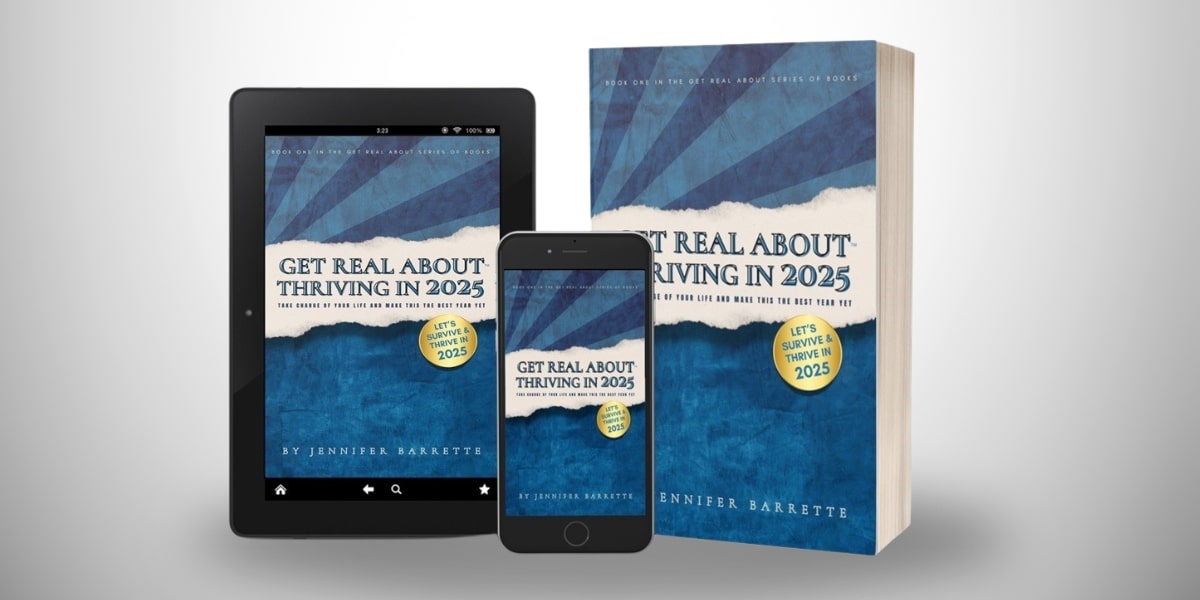
The world around us has become increasingly loud and chaotic. From political shifts to natural disasters and the constant buzz of social media, it’s no wonder that many of us feel overwhelmed and disconnected. Navigating this noise while juggling personal challenges can make thriving seem out of reach. However, Jennifer Barrette, author of Get Real About Thriving in 2025, emphasizes that thriving isn’t about waiting for the world to settle down—it’s about finding calm amid the chaos.


As we enter 2025, here are five key steps to help you silence the noise, overcome obstacles, and create a life filled with peace, purpose, and resilience.

Step 1: Silence the Noise

The world is noisier than ever, both literally and figuratively. With non-stop news cycles, endless social media updates, and constant demands on our attention, it’s easy to feel mentally exhausted. According to Jennifer Barrette, the first step to thriving in 2025 is taking control of what enters your mental space. “Curating your inputs is essential to preserving your peace of mind,” she explains. “You have the power to choose what you engage with.”


Barrette advises starting by limiting exposure to harmful or draining content. “Unfollow accounts that make you feel inadequate or angry, and instead, fill your space with things that inspire and uplift you,” she says. This can mean replacing endless scrolling with more restorative activities, like daily nature walks or listening to an uplifting podcast. By setting boundaries in the media and conversations you engage with, Barrette stresses that we protect our emotional well-being and allow ourselves to thrive truly.

Step 2: Overcome Obstacles with Purpose

Life throws challenges at everyone, and while we can’t always control external events, we have control over how we respond. Barrette argues that thriving doesn’t mean avoiding obstacles—it’s about facing them purposefully. “The key to thriving is learning to reframe obstacles as opportunities for growth,” she says.


Instead of viewing challenges as setbacks, Barrette encourages readers to focus on what they can control. “That difficult project at work can be a chance to hone your skills,” she notes. “An ending relationship might create space for a new beginning.” By reframing setbacks and focusing on what you can change, Barrette explains that we shift from a survival mindset to one of growth.


Tracking progress is also a powerful tool. Barrette suggests using a “thriving journal” to document even small victories. “Celebrating your wins, no matter how minor they seem, reinforces the habit of progress,” she says. Tracking progress builds resilience and a sense of accomplishment, both essential to thriving.

Step 3: Focus on What Feeds Your Mental Health

Thriving is closely tied to mental health, and Jennifer Barrette stresses the importance of cultivating habits that nurture your well-being. “Thriving isn’t about grand gestures—it’s about the consistent, small actions that support your mental and emotional health,” she says.


Barrette encourages individuals to take a practical approach to mental health. “You must listen to your body and heart,” she explains. This means recognizing when you need rest when you need support, and when you need to engage in activities that nourish you. This may involve scheduling regular therapy sessions or journaling to process emotions for some. For others, it could be as simple as taking 15 minutes each morning to enjoy a quiet cup of coffee. “When you honor your needs and take the time to care for yourself, you’re setting yourself up for success,” Barrette says.


Mental health isn’t a one-time fix; it’s an ongoing process of checking in with yourself and nurturing your emotional and psychological well-being. By making these practices a regular part of your life, Barrette believes you’ll be better equipped to navigate life’s challenges and thrive.

Step 4: Set the Stage for Your Great Year Yet

Jennifer Barrette believes that thriving requires intentionality. “Thriving doesn’t happen by accident—it’s a choice, and it begins with setting clear intentions for your life,” she says. As 2025 approaches, now is the perfect time to reflect on your goals and aspirations.


Barrette advises breaking down goals into manageable steps and using strategies like SMART goals (Specific, Measurable, Achievable, Relevant, Time-bound) to stay on track. “Setting and planning your goals gives you direction and purpose, which are vital to thriving,” she adds.


In addition to setting professional or personal goals, Barrette suggests decluttering your life to make space for growth. “Declutter not only your physical space but your emotional and mental space as well,” she says. “Get rid of habits, relationships, or possessions that no longer serve you. When you clear out the unnecessary, you create room for new opportunities.”


By intentionally creating space in your life, you prepare the groundwork for growth and success in the year ahead.

Step 5: Build Your Support Network

Barrette emphasizes that thriving is rarely a solo endeavor. “Surround yourself with people who uplift and inspire you,” she advises. Whether it’s a best friend who offers encouragement or a workout group that holds you accountable, having a strong support system can make all the difference.


Barrette stresses the importance of knowing when to let go of relationships that no longer serve you. “It’s okay to set boundaries with people who drain your energy or create negativity in your life,” she says. “Thriving is about quality, not quantity when it comes to your circle of support.”


Your support network plays a crucial role in your ability to navigate challenges and maintain resilience. By focusing on positive and strong relationships, you’ll have the encouragement and resources you need to thrive.

Your Year to Thrive

The world is noisy, chaotic, and filled with challenges—but Jennifer Barrette’s message is clear: You can thrive despite it all. “Thriving isn’t about waiting for the world to calm down. It’s about creating calm within yourself, even when everything around you is spinning,” she says.


By silencing the noise, facing obstacles with purpose, focusing on your mental health, setting intentional goals, and building a strong support network, you can make 2025 a year of growth, joy, and resilience.


Thriving isn’t just a dream—it’s a choice. And 2025 is your time to embrace it.


Get Real About Thriving in 2025 by Jennifer Barrette is available now on Amazon, Barnes & Noble, and at select bookstores near you. Pick up a copy and start your journey toward peace, purpose, and prosperity today. Because thriving is within your reach—it’s time to make 2025 a great year.


Published by Iris S.

Preserving the Legacy of 1st The Queen’s Dragoon Guards

Clive J. Morris and His Commitment to History

British military history holds a special place for enthusiasts, collectors, and family historians. It represents a profound connection to the past, showcasing the bravery, resilience, and sacrifices of those who served. 

One significant contribution to this historical field is 2nd Dragoon Guards (The Queen’s Bays): South Africa Medal Roll, History, and Service Records 1901-1902 by Clive J. Morris. 

It is a book that offers a comprehensive account of the Queen’s Bays and their role in one of the most challenging conflicts of the early 20th century, the South African War.

Clive J. Morris, a former member of 1st The Queen’s Dragoon Guards, brings unparalleled knowledge and personal connection to the subject. 

Born in Blaina, Monmouthshire, Morris began his journey in music, joining the town’s brass band at a young age. In 1963, his life took a significant turn as he joined the regimental band of 1st The Queen’s Dragoon Guards, serving for 17 years. 

His service included deployment to Aden during a particularly volatile period from 1966 to 1967. Rising to the rank of band sergeant, Clive Morris left the regiment in 1980. 

Later, he took on the role of curator at the 1st The Queen’s Dragoon Guards Museum, a position he held for over 30 years. His dedication to preserving history is reflected in the meticulous research and detail within his book.

A Tribute to the Queen’s Bays

Clive Morris’s work focuses on the 2nd Dragoon Guards, also known as The Queen’s Bays, and their operations during the South African War from 1901 to 1902. 

Originally established in 1685 as the “Queen’s Regiment of Horse,” the regiment underwent several transformations, adapting to the needs of the times. 

By 1746, it was renamed the Dragoon Guards, a change driven by economic considerations. Morris carefully documents these changes, combining accounts of the regiment’s early responsibilities, such as escorting the Duke of Monmouth following his defeat, and later contributions to campaigns across the British Empire.

The book emphasizes the Queen’s Bays’ involvement in South Africa, where they were instrumental in efforts to counter Boer’s guerrilla tactics. This campaign tested their discipline, endurance, and resourcefulness, qualities that are evident throughout the detailed accounts provided in the book. 

The inclusion of the Queen’s South Africa Medal Rolls ensures that readers can connect individual service records with the broader story of the regiment’s contributions.

Preserving the Legacy of 1st The Queen’s Dragoon Guards

Photo Courtesy: Clive J. Morris

Bringing History to Life

Clive Morris achieves more than a mere recounting of events; he provides a human perspective on soldiers’ experiences. 

By incorporating excerpts from diaries and casualty records, he captures the challenges faced by the regiment. 

The arduous marches, lack of supplies, and widespread illness—particularly enteric fever—are vividly portrayed, offering readers a closer understanding of the sacrifices made by the men of the Queen’s Bays.

One of the critical events explored in the book is the action at Leeuwkop on April 1, 1902. This intense battle highlights the regiment’s bravery and leadership. 

Despite being outnumbered, they demonstrated remarkable determination under fire. The book honors the memory of those who gave their lives and provides a detailed record of the fallen, ensuring their contributions are remembered.

An Essential Resource for Military Enthusiasts

2nd Dragoon Guards (The Queen’s Bays): South Africa Medal Roll, History, and Service Records 1901-1902 is an indispensable reference for genealogists, medal collectors, and military history scholars. 

The inclusion of comprehensive service records and medal rolls allows descendants of soldiers to trace their ancestors’ military histories with accuracy. Medal collectors will find authoritative documentation of campaign awards, offering insights into the historical significance of these decorations.

Family historians, too, will appreciate the connections they can forge between the past and present. The stories and records provide a way to piece together family narratives, enriching personal histories with verified details. 

Scholars and enthusiasts of British military history will value the depth of research and the preservation of records that might otherwise remain obscure.

Preserving the Legacy of 1st The Queen’s Dragoon Guards

Photo Courtesy: Clive J. Morris

A Lifetime of Dedication

Clive J. Morris’s dedication to preserving military history is evident on every page of this work. His decades-long role as curator of the regimental museum allowed him to probe into the archives and uncover valuable insights about the Queen’s Bays. 

His commitment to this legacy extends beyond the regiment, serving as a bridge for future generations to connect with their past.

This book reflects not just Morris’s expertise but also his respect for the individuals who served. By combining his experiences as a soldier with rigorous historical research, he has created a work that contributes significantly to understanding British military history.

Honoring the Tradition of the Queen’s Dragoon Guards

The Queen’s Bays hold an enduring legacy within the 1st The Queen’s Dragoon Guards. This regiment has continued to serve with distinction in modern conflicts, carrying forward the values of duty, courage, and loyalty. Clive Morris’s book helps to illuminate the foundations of this proud tradition, celebrating the history that shapes its identity today.

2nd Dragoon Guards (The Queen’s Bays): South Africa Medal Roll, History, and Service Records 1901-1902 is an invaluable resource for those seeking an authoritative account of the Queen’s Bays during the South African War. 

It offers a detailed narrative supported by extensive records, providing readers with knowledge and a deeper appreciation of the regiment’s history. Clive J. Morris’s efforts ensure that the legacy of the Queen’s Bays remains a vital part of military heritage.


Published by Nicholas A.

Timeless Insights: 150 Lessons Learned from 50 Years in Consulting by Thomas L. Greenbaum

For anyone venturing into the world of business consulting, experience is invaluable. Over the course of a 50-year career, Thomas L. Greenbaum has amassed a wealth of knowledge as a strategic business consultant, small business advisor, and marketing professor. His latest book, 150 Lessons Learned from 50 Years in Consulting, serves as a compendium of the most vital insights he has gained, offering readers a unique opportunity to learn from a true expert. Whether you are an aspiring consultant, a seasoned professional, or a business owner seeking fresh perspectives, this book is packed with actionable wisdom to guide your journey.

A Lifetime of Expertise in One Book

Greenbaum’s career spans decades of consulting for businesses across various industries, advising startups, and mentoring through his work with SCORE (Service Corps of Retired Executives). His book distills 50 years of real-world experience into 150 lessons, organized into concise chapters for easy reading and reference. Covering topics such as client relationships, strategic decision-making, and personal growth, the book goes beyond theory to provide practical insights that resonate with readers at any stage of their professional journey.

Key Lessons from the Book

1. Building Lasting Client Relationships

One of the cornerstones of consulting is the ability to build trust and rapport with clients. Greenbaum shares strategies for fostering strong, long-term relationships by prioritizing transparency, empathy, and clear communication. He emphasizes the importance of listening to clients’ needs and tailoring solutions to their specific challenges, a practice that has defined his own success.

2. The Art of Strategic Thinking

Strategic thinking is a skill every consultant must master, and Greenbaum delves into its nuances with clarity and depth. He highlights the importance of understanding market trends, identifying opportunities for innovation, and aligning business strategies with clients’ goals. Each lesson is rooted in real-world examples, making it relatable and immediately applicable.

3. Overcoming Challenges with Adaptability

Over the course of five decades, Greenbaum has witnessed seismic shifts in the business landscape, from technological advancements to economic recessions. His lessons underscore the importance of adaptability and resilience in navigating such changes. Whether it is rethinking a strategy in the face of disruption or pivoting during a crisis, his insights help readers prepare for the unexpected.

4. Marketing Fundamentals That Stand the Test of Time

As a former adjunct marketing professor at NYU Stern, Greenbaum brings a wealth of expertise in marketing. He shares timeless principles for crafting compelling campaigns, understanding consumer behavior, and leveraging branding to drive business success. These lessons are especially valuable for consultants advising small businesses or startups.

5. Balancing Expertise with Humility

A recurring theme in Greenbaum’s lessons is the importance of humility. He advocates for consultants to approach every project with an open mind, valuing the input of clients and team members. This collaborative mindset not only fosters stronger partnerships but also leads to more innovative and effective solutions.

Practical Examples of Timeless Lessons

Think with Your Head and Not Your Heart

In consulting, it’s vital to approach decisions with logic and data rather than letting emotions take the lead. While empathy and understanding are essential for client relationships, allowing emotions to dictate business choices can be detrimental. For instance, a consultant might feel compelled to help a passionate startup with limited financial resources, ignoring clear signs of instability. While the intention is noble, the outcome can strain both parties when financial obligations cannot be met. By thinking critically and setting clear boundaries, consultants can ensure decisions are fair, sustainable, and beneficial for everyone involved.

Receivables Do Not Buy Groceries

A crucial financial lesson in consulting is that promises of payment don’t equate to actual cash flow. While receivables may look good on paper, they don’t pay for immediate expenses like rent, salaries, or groceries. For example, a consultant who agrees to a 90-day payment term for a lucrative project might find themselves in a bind if their operating costs pile up in the interim. To avoid such issues, it’s important to establish clear payment terms, like upfront deposits or milestone-based billing, to ensure a steady flow of income and avoid unnecessary financial stress.

Things Are Never as Good or as Bad as They Seem at the Current Moment

Perspective is everything in consulting, as situations often fluctuate between highs and lows. When things are going well, it’s easy to overestimate the momentum and make overly ambitious decisions, like prematurely expanding a team or taking on excessive commitments. On the flip side, when times are tough, challenges can feel insurmountable, even though solutions may be just around the corner. For example, a consultant facing a temporary slowdown in client work might panic and consider drastic measures, only to realize later that the market was in a short-term lull. Maintaining an even-keeled approach and focusing on long-term goals helps navigate the inevitable ups and downs of consulting life.

Who Should Read This Book?

150 Lessons from 50 Years in Consulting is a must-read for:

  • Aspiring consultants seeking to build a successful career.
  • Established consultants looking to refine their skills and expand their knowledge.
  • Business owners and leaders interested in gaining a consultant’s perspective on strategy, marketing, and growth.
  • SCORE volunteers and mentors who want to enhance their impact on clients and mentees.

A Glimpse into Greenbaum’s Journey

Thomas L. Greenbaum’s career is a testament to the power of lifelong learning and adaptability. From teaching marketing at one of the world’s leading business schools to advising countless startups, his professional journey has been marked by a commitment to excellence. As a SCORE volunteer consultant, Greenbaum has dedicated himself to mentoring small business owners, leveraging his experience to help others succeed. This book encapsulates the essence of his teachings, making it an invaluable resource for readers.

Why This Book Matters

The consulting industry is constantly evolving, and success often depends on the ability to adapt, innovate, and stay ahead of trends. Greenbaum’s book offers a rare blend of timeless principles and modern insights, making it relevant for today’s professionals. Each lesson is designed to inspire reflection, spark ideas, and encourage readers to approach their work with renewed purpose and creativity.

Practical and Accessible Wisdom

What sets this book apart is its accessibility. Greenbaum’s writing style is straightforward and engaging, making complex concepts easy to understand. The lessons are presented in bite-sized chapters, allowing readers to absorb key takeaways quickly and revisit them as needed. Whether you have five minutes or an entire afternoon, 150 Lessons from 50 Years in Consulting fits seamlessly into your schedule.

Get Your Copy Today

150 Lessons from 50 Years in Consulting is available now on Amazon. Whether you are just starting out or looking to elevate your consulting practice, this book is a valuable addition to your professional library.

Amazon Link: 150 Lessons from 50 Years in Consulting

A Legacy of Learning

Thomas L. Greenbaum’s 150 Lessons from 50 Years in Consulting is more than just a collection of insights—it is a legacy of learning, growth, and success. With its actionable advice and relatable anecdotes, this book is a guide for consultants and business leaders alike. As you turn each page, you will discover lessons that not only enhance your professional skills but also inspire you to leave your mark on the world of business.

If you are ready to elevate your consulting career or gain invaluable perspectives on strategy and success, this book is your roadmap. Let the lessons of a 50-year journey become the stepping-stones to your own success story.


Published by Joseph T.

Mobilizing Society to Address Human Trafficking: Insights from Brittany Dunn

Human trafficking remains a pervasive issue that requires ongoing collective action across all levels of society. Author and advocate Brittany Dunn’s latest book serves as both an insightful educational resource and a potential guide, suggesting that eradicating trafficking may require widespread, coordinated engagement. From professionals in various sectors to everyday citizens, many have an opportunity to play a role in combating this crisis.

A Blueprint for Action

Dunn’s book offers practical frameworks tailored to different audiences, aiming to help them incorporate anti-trafficking measures into their daily lives. Professionals in law enforcement, healthcare, education, and social services are presented with tools to enhance their practices and encourage intersectoral collaboration. For example, healthcare workers are encouraged to learn to identify potential victims, while educators may find strategies for implementing awareness programs in schools. Legislators are invited to consider ways to improve laws, and business leaders are urged to adopt ethical practices and support survivors.

The book also emphasizes the value of community involvement. Parents are encouraged to explore prevention strategies to safeguard their children, while faith communities are invited to offer support to survivor services. Dunn suggests that success could depend on a multi-layered approach, where individual actions, when coordinated, may contribute to a larger movement. This interconnected network of efforts—from social workers offering trauma-informed care to technology professionals working on identification tools—forms the foundation for potential meaningful and lasting change.

The Power of International Cooperation

Dunn’s book underscores the importance of global collaboration in combating trafficking, sharing examples of international efforts. One notable initiative is the U.S. Department of State’s Trafficking in Persons (TIP) Report. This annual report evaluates and ranks countries based on their anti-trafficking efforts, encouraging improvement through diplomatic engagement and technical assistance. Another example includes the integration of anti-trafficking measures into U.S. foreign policy, which may foster legal framework enhancements and cross-border investigations. These efforts highlight the shared responsibility and collective action needed to address trafficking worldwide.

Addressing Systemic Inequalities

Systemic vulnerabilities—such as economic instability, family breakdown, and limited upward mobility—can create fertile ground for traffickers to exploit. Dunn’s book delves into these root causes, suggesting solutions-oriented approaches. Strengthening families, empowering local communities, and promoting economic independence are strategies she explores. This could include reducing barriers to entrepreneurship, expanding vocational education, and improving access to family-sustaining jobs.

Dunn also highlights the importance of immigration policies that could prioritize safety and security. Enforcing border laws and encouraging legal pathways for migrants might help prevent traffickers from exploiting vulnerable populations. Additionally, fostering community support systems through faith-based initiatives and local partnerships could aid in addressing the social vulnerabilities traffickers often target.

The Psychological and Social Dimensions of Prevention and Recovery

Human trafficking profoundly impacts psychological and social dynamics, both of which are critical in prevention and recovery. Dunn advocates for efforts to build psychological resilience and robust social support systems to prevent trafficking. Educating young people about healthy relationships, manipulation tactics, and self-worth is presented as essential.

For survivors, recovery involves addressing complex trauma, including PTSD and trauma bonding. Dunn encourages trauma-informed care environments where survivors can feel safe to process their experiences. Peer support networks are also emphasized as providing a unique sense of understanding and community. These efforts should intertwine psychological healing with social reintegration, creating a holistic support system for survivors.

Balancing Advocacy and Personal Commitments

As a military spouse and mother, Dunn has developed strategies to balance her professional commitments with her personal life. Her unique perspective has enriched her advocacy work, enabling her to build networks across diverse communities. Frequent relocations have deepened her understanding of trafficking dynamics and inspired adaptable solutions.

Dunn’s personal experiences as a mother drive her passion for addressing child trafficking. She integrates her roles by involving her children in age-appropriate advocacy efforts and leveraging technology to lead her organization while managing family responsibilities. Her approach demonstrates that balance is about being fully present in each role, whether working with survivors or spending time with family.

Leveraging Technology for Prevention

Emerging technologies present both challenges and opportunities in the fight against trafficking. Traffickers exploit social media, encrypted communications, and digital payment systems to evade detection. However, technological advancements also offer powerful tools for prevention. Data analytics could help identify trafficking patterns, while real-time information-sharing platforms may enhance collaboration among stakeholders.

Dunn stresses the importance of incorporating survivor input in developing technological solutions. By blending innovation with practical insights, anti-trafficking efforts may stay ahead of emerging threats while prioritizing safety and privacy. The future of this work could lie in harnessing technology to disrupt trafficking networks and empower communities.

A Pathway to Collective Action

Dunn’s book transforms the daunting challenge of eradicating human trafficking into achievable steps. By mobilizing individuals, communities, and organizations, it offers a potential roadmap for collective action. Whether through policy reform, community engagement, or technological innovation, each effort can contribute to the overarching goal of ending trafficking. Dunn’s message is clear: together, we may have the power to create a world free from exploitation.

Find your copy of Eradicating Human Trafficking on Amazon.

Learn More About Safe House Project Today!

Disclaimer: The content of this article is intended for informational purposes only. It reflects the views of the author and should not be construed as professional advice. For specific legal, medical, or psychological guidance, please consult with a qualified professional.


Published by Iris S.

Dr. John L. Jacobs, III: Author of From the Dream to the Promise

Dreams are the compass guiding us toward our deepest aspirations, and for Dr. John L. Jacobs, III, they have been the cornerstone of his life’s journey. In his inspirational book, From the Dream to the Promise, Dr. Jacobs shares his profound belief that even the most distant goals can be achieved through perseverance, faith, and dedication. His book is a testament to his unwavering resolve to turn dreams into reality, offering readers a roadmap to embrace their potential and fulfill their aspirations.

A Legacy of Learning: Dr. Jacobs’ Educational Journey

Dr. Jacobs’ journey began with a profound respect for education, inspired by his parents, both educators. His academic path reflects his dedication to knowledge and leadership:

  • Bachelor of Arts in Chemistry from Talladega College
  • Master of Divinity from Howard University
  • Doctor of Ministry from Columbia Theological Seminary

These achievements solidified his theological and leadership skills and provided the foundation for his future impact on countless lives.

The Power of Faith: A Cornerstone of Inspiration

Dr. Jacobs’ faith is central to his life and work. It enables him to navigate complexities with confidence and grace. In his pastoral and community roles, he emphasizes the importance of integrating spirituality into daily life, particularly during times of challenge. Through From the Dream to the Promise, Dr. Jacobs illustrates how faith serves as a bridge to understanding, resilience, and hope.

Overcoming Challenges: Stories That Shape the Journey

Throughout his career, Dr. Jacobs has confronted adversity head-on, from working with vulnerable populations like inmates and the homeless to his profound experiences as a hospice chaplain. These encounters deepened his understanding of life’s fragility and the need for compassion. His resilience in the face of challenges is a recurring theme in From the Dream to the Promise, inspiring readers to see obstacles as opportunities for growth.

Building Bridges: Connecting Communities Through Outreach

Dr. Jacobs’ work extends far beyond the pulpit. He has dedicated his life to building meaningful connections among diverse communities. By mentoring at-risk youth and engaging in outreach programs, he empowers individuals to pursue their dreams. His efforts demonstrate that mutual respect and shared experiences can lead to transformative relationships and stronger communities.

Family: The Foundation of Success

His family has been an unwavering source of strength and encouragement for Dr. Jacobs. He credits his wife, Pamela, and their four children for their support throughout his journey. Their love and encouragement motivate him to pursue his dreams and remind him of the importance of a strong support system in achieving success.

The Vision Behind From the Dream to the Promise

Writing From the Dream to the Promise allowed Dr. Jacobs to encapsulate his life’s wisdom and motivational insights into a cohesive message. Each chapter is a beacon of encouragement, inspiring readers to recognize their potential and the importance of persistence. The book shares Dr. Jacobs’ journey and offers actionable guidance for others striving to achieve their dreams.

Connecting with Audiences: Beyond the Written Word

Dr. Jacobs engages directly with his audience through speaking engagements, workshops, and community events. These interactions foster meaningful connections and reinforce the lessons shared in his book. Dr. Jacobs motivates others to pursue their dreams relentlessly by equipping individuals with practical tools to overcome barriers.

Wisdom for Future Generations

With over 20 years of pastoral experience, Dr. Jacobs brings a wealth of wisdom to every endeavor. He emphasizes that the journey itself is as valuable as the destination, encouraging others to embrace failures as opportunities for growth. His perspective fosters resilience and adaptability, qualities essential for achieving greatness.

Embrace Your Own Journey

In From the Dream to the Promise, Dr. John L. Jacobs, III inspires readers to take ownership of their dreams and remain steadfast in their pursuit of success. His journey, filled with faith, perseverance, and an unwavering commitment to service, is a powerful reminder that no dream is out of reach.

Through his book and his work, Dr. Jacobs continues illuminating the path for others, helping them turn their dreams into reality.


Published by Mark V.