The Art of Writing Through Pain: A Glimpse into Anita Aasen’s Journey

By: Elowen Gray

When grief strikes, it doesn’t politely knock. It barges in uninvited and unrelenting, demanding attention and reshaping life in an instant. 

For Anita Aasen, a licensed clinical social worker and therapist, grief wasn’t just a clinical concept—it became personal. Her book From Grief to Grace: A Therapist’s Journey of Healing After Loss is a tribute to her beloved cousin Lou and chronicles loss, love, and the aching journey of healing. But what sets it apart is not just the story—it’s the act of writing itself.

Writing, for Anita, was not a polished process born out of literary ambition. It was survival.

“Despite my years of experience supporting others, I find myself amid an intensely personal battle with grief,” she writes early in the book. “Grief is not a straight path… healing doesn’t mean moving forward linearly but unfolding over time, sometimes slowly and with effort.”

That line alone gives readers a window into the soul behind the story. And it also marks the beginning of her art of writing through pain.

The Blank Page as a Mirror

The Art of Writing Through Pain: A Glimpse into Anita Aasen's Journey

Photo Courtesy: Anita Aasen

For some of us, grief brings silence. For Anita, it has a pen. She turned inward—and then outward—writing to make sense of the chaos. The process was anything but neat. There were long, teary drives, moments of shouting into the void, and silent prayers whispered in gas station parking lots.

She transformed all those moments into words. Pages. Chapters.

Anita started with journal entries of her memories and thoughts, which became a powerful source of storytelling that charts her emotional terrain, from raw despair to a quiet grace. Writing became a sacred form of therapy. 

In writing, Anita permitted herself to step from behind the therapist’s desk onto the fragile ground of human vulnerability.

Memory, Mourning, and the Power of Presence

Anita’s cousin Lou wasn’t just family; he was her “brother by bond,” her lifelong confidant. As he battled terminal illness, Anita traveled back and forth across states, physically and emotionally navigating a goodbye she never wanted to say. The grief was anticipatory, intimate, and overwhelming.

Through her writing, readers witness the sharp moments—hospital rooms, hushed prayers, car rides layered with fear and fragmented hope. But in all of it, the thread of presence is unwavering.

And writing helped her stay present.

“Each day became a battleground of emotions,” she writes. “I found myself struggling to navigate my own tangled emotions while, at the same time, trying to be a pillar of strength for him.”

Documenting these moments allowed Anita to breathe life back into the details she feared would fade. Her storytelling became a memorial and an act of defiance against forgetfulness.

The Blurring Lines Between the Professional and the Personal

As a therapist, Anita had long been trained to hold space for others’ grief. But when loss knocked on her door, she discovered that theory offers no armor against heartbreak. The professional lens did not protect her—it deepened her vulnerability.

And that is what makes her voice so resonant. She doesn’t try to sound like an expert here. She sounds like someone sitting across from you, coffee in hand, heart in pieces, saying, “I get it.”

There’s no performative resilience. No tidy wrap-ups. Instead, Anita’s writing lives in the tension of being both therapist and sister, healer and mourner. Her dual perspective enriches her story without diluting its emotional truth.

Writing as Transformation

By the time we reach the end of Anita’s journey, the pages haven’t solved her grief but transformed it. 

She describes leaving the hospital, driving 13 hours in a haze of despair, and arriving home with only pretzels and prayer to keep her grounded. But those very moments—messy, human, unspeakably complicated—fill her pages with authenticity.

And it’s in the final chapters that we see it: grief doesn’t get wrapped up in a bow. It becomes integrated. Writing allows Anita to carry Lou forward—not as a memory frozen in time but as a presence that continues to shape her.

“I wasn’t just a sister or a companion in his struggle—I became a quiet architect, piecing together any support that might give him hope. It was all I could do, but it was everything I had.”

In choosing to write, Anita didn’t escape her pain. She sat with it, studied it, and then offered it to the world.

This is the art of writing through pain: not to cure it, but to cradle it.

And through that cradle, Anita’s words carry the rest of us.

Visit the author’s website to learn more.


Published by Joseph T.

Step Into the Surreal World of Dan Freedman’s Poetry

By: Linda J. Hancock

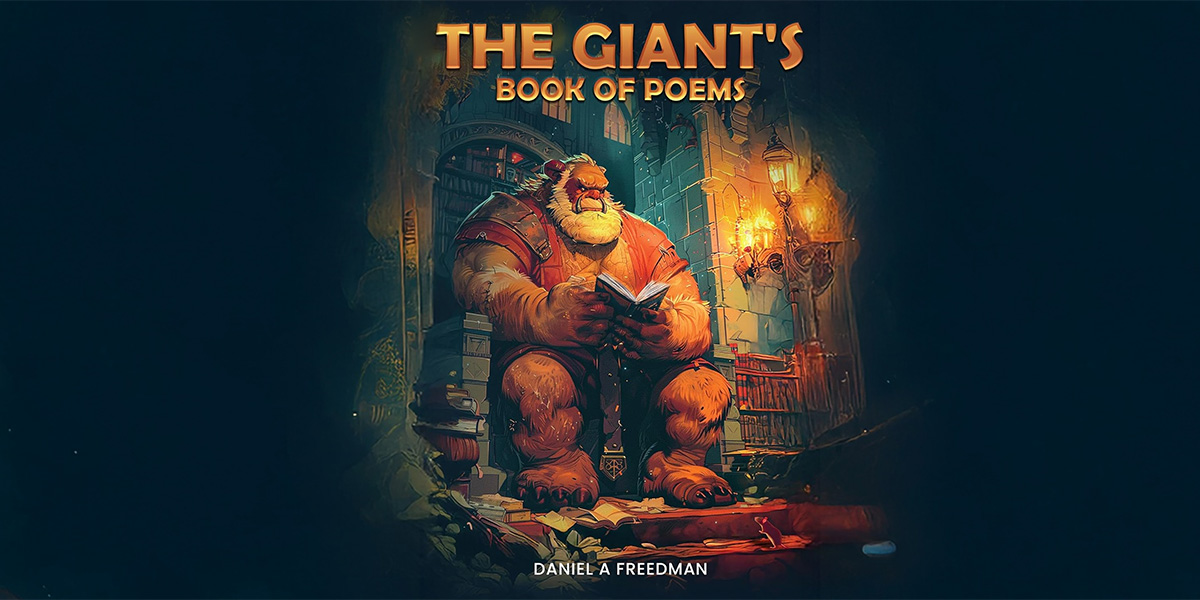
The Giant’s Book of Poems by Daniel A. Freedman offers what many describe as a literary experience unlike any other—weaving together surrealist imagery, philosophical insight, and satirical commentary into what could be considered a compelling poetic journey that often challenges and delights. With over 50 poems spanning topics such as love, mortality, social critique, and artistic rebellion, Freedman seeks to invite readers to explore the complex dimensions of human experience through a unique, imaginative lens.

A Surrealist Landscape with Purpose

Drawing inspiration from literary surrealism, Freedman’s poetry often blurs the boundaries of reality. From the opening lines of “Dream Lecture” to the celestial journey of “Timeless Night,” readers may find themselves immersed in dreamscapes where symbolism and emotion take center stage. His images—candles ascending mountaintops, souls dissolving into light, and conversations with archetypes like John Wayne—could be interpreted as poignant metaphors for connection, transformation, and the human longing for meaning.

This approach appears to resonate not only with seasoned poetry enthusiasts but also with imaginative minds drawn to fantasy and role-playing games. The layered storytelling, mythic undertones, and bold visual metaphors might speak directly to fans of immersive experiences like Dungeons & Dragons, Blood Bowl, and narrative-driven RPGs.

Sharp Satire Meets Social Commentary

Freedman also demonstrates a knack for using satire as a vehicle for critical reflection. In “Psycho Logic,” he seems to interrogate the cultural and creative decline of modern America with what some may describe as unflinching candor and a sense of urgency. His language can be visceral and evocative—“blind men strap on electronic nightmares”—hinting at a society driven more by consumption than by imagination.

“Lobster vs. Millstone” offers what could be seen as a striking example of how absurdist imagery might critique environmental negligence. A mutant lobster’s assault on a nuclear power plant may appear bizarre on the surface, but beneath the humor lies what some interpret as a sobering message about the fragile balance between human innovation and ecological consequence.

Aesthetic Whimsy with Emotional Weight

Though the themes can be heavy, Freedman’s poetic voice often carries a playful, even whimsical tone. In “Pure Jelly,” he describes his poetry as “boiled in tears—no sweetener added,” a line that seems to capture his ability to blend emotional authenticity with creative wordplay. His poems tend to walk a delicate line between levity and depth, offering moments of introspection while remaining engaging for the reader.

“Picasso on the Half-Shell” takes a stylized approach to history and artistry, referencing the likes of Apollinaire, Matisse, and Cocteau with wit and reverence. Freedman’s engagement with the arts, philosophy, and cultural criticism positions his work within a broader intellectual tradition—yet maintains a tone that many find refreshingly accessible.

Bridging Literature, Music, and Youth Culture

One of the more notable aspects of this collection is its cultural relevance. With endorsements from Taylor Swift and Miley Cyrus, The Giant’s Book of Poems appears to be resonating with new readers—particularly younger audiences who might not otherwise engage with poetry. Freedman’s upcoming music release could further amplify interest in his writing, creating a potential crossover between the literary and music worlds.

This dual artistic presence—poet and musician—echoes the multifaceted artistry of Swift and Cyrus, both of whom have successfully blended storytelling with sonic expression. Like them, Freedman seems to explore vulnerability, defiance, and transformation in his work. The result could be seen as a body of work that feels timely, resonant, and thought-provoking.

For the Imaginative Reader

Whether you are a lover of lyrical poetry, a fan of myth and metaphor, or part of the ever-growing community of young readers seeking deeper emotional and intellectual engagement, The Giant’s Book of Poems offers a variety of themes to explore.

Its surrealist appeal, critical edge, and literary sophistication make it a noteworthy addition to contemporary American poetry. At the same time, the artful humor and fantastical elements could give the collection broad appeal—especially among creative thinkers, gamers, and the modern music-minded generation.

Discover More and Connect with the Author

To explore more of Daniel A. Freedman’s work—including his music—visit facebook.com/goldenconch8 and leave him a message. Engage with his creative journey and perhaps become part of a growing audience that spans genres, generations, and realms of imagination.


Published by Joseph T.

Bridging Time: How ‘The Sacred Order’ Connects Medieval Faith to Modern Spirituality

By: Jonathan James

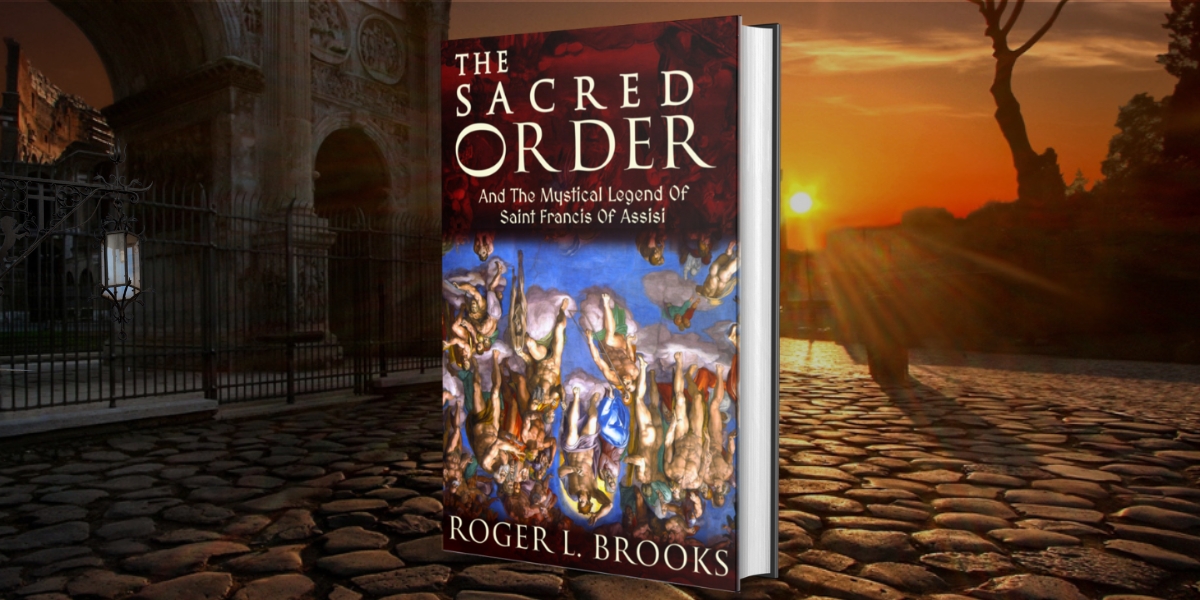
In the shadow of Assisi’s ancient basilica, a story has waited centuries to be told. This premise forms the backbone of Roger L. Brooks’ captivating debut novel, “The Sacred Order and the Mystical Legend of St. Francis of Assisi,” a work that skillfully blends historical thriller elements with profound spiritual inquiry. While the novel’s compelling plot is likely to captivate readers, it is the spiritual insights at its core that may resonate long after the final page is turned.

Brooks’ novel arrives at a time when many seek spiritual meaning beyond rigid institutional frameworks. The ongoing fascination with St. Francis of Assisi—the humble friar who gave up wealth to embrace simplicity—speaks to the contemporary search for authenticity in an age of materialism and division. Through his protagonist, Anthony Brunelli, Brooks invites readers to explore how Francis’s spirituality might address some of today’s pressing questions.

The Saint Who Transcends Time

Eight hundred years after his death, St. Francis of Assisi remains one of Christianity’s beloved figures, with his appeal extending far beyond Catholic circles. The novel explores why this medieval saint continues to capture our imagination, suggesting that Francis tapped into something timeless—a vision of interconnectedness that feels surprisingly relevant today.

“Francis wasn’t just a man of great intellect, but I’d argue that tale,” Brooks writes through his protagonist. “He had greater insight and foresight that could rival anyone in his day… He attained the ultimate state of mind, one of enlightenment, an intensity of love that continues to resonate today.”

This portrayal of Francis as a spiritual individual, rather than simply a gentle saint, gives “The Sacred Order” its intellectual depth. The novel reminds us that Francis’s embrace of poverty wasn’t an end in itself but a means to achieve spiritual freedom—a letting go that enabled him to see creation with unclouded clarity. In an era marked by constant consumption and distraction, this message holds significant relevance.

The Sacred Order Revealed

At the heart of Brooks’ novel lies the fictional “Sacred Order,” an ancient message from Francis himself, preserved through the centuries by a network of protectors, including artists, scholars, and Anthony’s own lineage. When this message is finally revealed, it shows to be both simpler and more profound than expected:

“You need not learn how to make your heart beat, nor how to set the sun aflame in its daily path. These marvels unfold as naturally as breathing, without toil or teaching,” reads part of the fictional document. “In truth, you are as the Eternal Weaver, spinning the living tapestry of existence, though you often remain unaware of your own skill.”

This mystical vision of unity with creation echoes both Francis’s Canticle of the Sun and contemporary discussions about consciousness and interconnectedness. By framing these ideas within a historical thriller, Brooks makes abstract spiritual concepts more tangible and accessible.

From Personal Transformation to Cultural Renewal

What elevates “The Sacred Order” beyond conventional historical fiction is its exploration of how personal spiritual awakening connects to broader cultural transformation. Through Anthony Brunelli’s journey from a successful yet spiritually disconnected artist to a reluctant mystic, Brooks charts a path many modern seekers may recognize.

The novel suggests that true spiritual insight cannot remain private but naturally flows outward into action. As Anthony discovers the Sacred Order’s meaning, he feels compelled to share its message with the world, culminating in a powerful address to the College of Cardinals before a papal election. This fictional scene, set against the backdrop of the actual 2013 conclave that elected Pope Francis, adds striking relevance to the novel.

Brooks writes: “The world is watching… only good can prevail. God has left the future state of His Church in your hands.” This message resonates beyond the fictional narrative, speaking to our collective responsibility to carry spiritual insights into the public sphere.

Art as Vessel for Transcendent Truth

One of the novel’s fascinating elements is its exploration of art as a vehicle for spiritual transmission. The plot hinges on Michelangelo’s encoding of secret messages within the Sistine Chapel frescoes, particularly The Last Judgment. This literary device serves a deeper purpose, suggesting that great art can preserve and communicate truths that may be too profound or dangerous for direct expression.

Anthony, as a contemporary photorealist painter, continues this tradition, finding that his artistic perception becomes key to unlocking Michelangelo’s hidden symbols. This portrayal of art as spiritual practice, rather than mere self-expression, challenges readers to consider how creativity might serve higher purposes in their own lives.

“Every painting, every commission is its own world, and once it’s done, you leave it behind,” Anthony reflects. “That’s the price of creating—you’re always moving, always searching.” This restless seeking finds resolution only when Anthony discovers the deeper purpose behind his artistic gifts.

A Spirituality for Our Time

Perhaps most compelling is how “The Sacred Order” presents Francis’s spirituality not as a relic of the past but as a living tradition with urgent relevance. The novel’s fictional “Sacred Order” echoes many of Francis’s actual teachings while speaking directly to contemporary spiritual seekers.

In a pivotal scene, the hermit Massimo explains to Anthony: “Francesco saw life as music. The goal of music is certainly not in the future but in the melody of the music itself. The goal of a symphony is not to reach the end of the symphony… And you don’t dance in order to arrive at a particular place on the floor. You dance to enjoy the dance. Francesco believed existence is a kind of dance.”

This emphasis on present-centered awareness, on perceiving the sacred within the ordinary, offers a counterpoint to both religious formalism and secular materialism. Brooks suggests that Francis’s greatest gift was his ability to see beyond conceptual divisions to the underlying unity of all things—a perspective increasingly supported by contemporary physics and ecology.

Truth Through Fiction

While “The Sacred Order” takes creative liberties with historical details—including a fictional account of Pontius Pilate leaving a confession regarding the Virgin Mary—these inventions serve the novel’s deeper exploration of how truth persists despite attempts to suppress it. The thriller elements provide a vehicle for exploring weighty themes of institutional corruption versus authentic spirituality.

The novel’s fictional antagonists, the Ramorosso, represent forces that have always resisted spiritual awakening, preferring power to truth. Yet the story ultimately suggests that such forces cannot prevail indefinitely against the human hunger for authentic connection with the divine.

In an era of institutional distrust and spiritual seeking, “The Sacred Order” offers a vision of renewal that acknowledges darkness while still affirming the possibility of light. Like Francis himself, who embraced Sister Death as part of life’s sacred wholeness, the novel refrains from easy optimism while maintaining profound hope.

A Literary Pilgrimage

Reading “The Sacred Order” becomes, in itself, a kind of literary pilgrimage to Assisi. Brooks’ vivid descriptions of the town’s streets, basilicas, and surrounding countryside transport readers to this sacred landscape. Through Anthony’s eyes, we experience the transformative power of standing in the Porziuncola or witnessing dawn break over the Umbrian hills.

“Anthony couldn’t help but feel a surge of energy as they approached the Vatican, a sense that they were on the cusp of a monumental discovery,” Brooks writes. This same energetic anticipation infuses the reading experience, pulling us forward through the narrative while inviting moments of contemplation.

For those unable to physically travel to Assisi, the novel offers a spiritual journey to the heart of Franciscan wisdom. By the conclusion, readers may find themselves changed—not merely entertained by an inventive plot but awakened to new possibilities of perception.

Conclusion: Ancient Wisdom for Future Hope

“The Sacred Order and the Mystical Legend of St. Francis of Assisi” thrives on multiple levels—as a historical thriller, spiritual exploration, and cultural commentary. By resurrecting Francis’s voice for contemporary readers, Brooks reminds us that wisdom endures across centuries when it speaks to essential human truths.

In an age of fragmentation and division, the novel’s vision of unity and interconnectedness offers a potential healing alternative. As Anthony discovers, true spirituality dissolves the boundaries between self and world, revealing that “you are part of this marvelous creation as a wave is part of the sea.”

This message of radical unity—with nature, with one another, with the divine—may be precisely what our fractured world needs. Through the engaging vehicle of fiction, Brooks has made Francis’s insights accessible to readers of all backgrounds, inviting us to see ourselves and our world through new eyes.

For those seeking both literary entertainment and spiritual substance, “The Sacred Order” delivers abundantly. The novel will likely leave readers breathless with its narrative twists and enlightened by its spiritual depths—an interesting combination in contemporary fiction.

About the Author

Photo Courtesy: Roger L. Brooks

Roger L. Brooks spent over fourteen years crafting “The Sacred Order and the Mystical Legend of St. Francis of Assisi,” drawing inspiration from his first visit to Assisi in 2004. His deep research into Franciscan history, Renaissance art, and Vatican architecture is evident throughout the novel. Brooks successfully blends his interests in religious history, spiritual philosophy, and thriller storytelling in this debut work. More information about the author and his connection to Assisi can be found at thesacredorder.com.


Disclaimer: This article offers a literary and interpretive overview of The Sacred Order and the Mystical Legend of St. Francis of Assisi. The views and interpretations presented are those of the author and do not represent historical or theological certainties. Readers are encouraged to approach the novel as a work of fiction inspired by historical themes and to consult scholarly or religious sources for a deeper understanding of St. Francis and related spiritual traditions.


Published by Iris S.

The Journey of Self-Worth in Bella Williams’s ‘No One’s Trash’

Have you ever found yourself in a place where you feel that you’re wasting your time, love, and energy in a situation that no longer serves you? Ever felt shattered into pieces or helpless because the support you sought for yourself proved to be the very problem? If you’ve ever gone through something like that, No One’s Trash might be the book that helps readers understand the value of the feelings they’ve been trying to overcome.

In this book, Bella Williams narrates the emotional struggles that accompany the choice to move on from her husband. She explains her attempts at appearing strong, although she confesses to grappling with unanswered questions and a lingering need to know why those questions haunt her.

Starting the story with a conversational tone, the narrative shifts into a series of reflections regarding the time and memories spent by the couple. Everything they ever discussed, the moments that had made her heart flutter, now linger painfully when she lies awake at night, unable to sleep. She describes pouring great effort into saving the relationship, as she states, “I did all I could to explain to you and make you feel that our relationship was drifting apart,” but the other half seemed to dismiss his blunders by focusing only on the “little things.”

Many of us would agree that “little things” can make a relationship stronger, but the writer suggests that for them to truly matter, it’s important to address the root issue. Otherwise, the efforts could lead to outcomes neither partner desired. She also touches on the frustration one experiences when they keeps trying to explain something only to be heard without really being understood.

If you have ever experienced a painful breakup or struggled to have your feelings acknowledged by someone you love, this book may leave you feeling validated. It could offer comfort, reminding you that others share similar emotions.

Bella turns her darkest days into a source of hope for others navigating similar battles. She invites readers not to feel alone and misunderstood, as she once did. By the final page, you’ll notice that even after admitting her partner’s indifference, the author still attempted to hold on. This act of love, as painful as it is, reflects a universal experience: loving deeply, even when it hurts.

But what if the pain becomes too much to bear? What if love turns into a weight rather than a source of happiness? Bella explores this shift, the moment where realization sets in—that love, however powerful, may not always be enough. It’s in this raw, unfiltered place that she finds herself at a crossroads, torn between remaining in the comfort of grief or stepping into the unknown in search of peace.

Bella’s story is not only about heartbreak but also about finding herself again and learning that love shouldn’t be a reason for self-denial. As readers follow her through the questioning moments, the sleepless nights, and the act of letting go, many will recognize a part of themselves in her words. No One’s Trash is not only about the end; it is about rediscovering value, about realizing that sometimes, letting go is the most courageous thing you can do for yourself.

You might consider grabbing a copy of the book for yourself, available on the official website or Amazon, especially if you’ve been struggling with feelings of isolation or self-doubt. This thought-provoking read could be waiting for your attention.


Published by Joseph T.

Ruthie Dillard’s Poems About Everyday Life Explores Raw Realities of Love, Loss, and Struggles in Powerful New Collection

By: Paul White

Ruthie Dillard, an insightful poet whose writing is often deeply personal and moving, presents her latest work, Poems About Everyday Life. This collection offers a strikingly honest exploration of many vulnerable parts of life—from the challenges of drug use and hard knocks to the complexities of relationships and the experiences that shape the human condition.

A poet who strives to connect deeply with her readers, Ruthie channels her heart and soul into every poem, creating a body of work that may resonate with the struggles, joys, and sometimes painful truths that many face. Each poem in this collection draws from her personal journey, crafted not just to entertain but potentially to inspire, challenge, and offer solace for anyone willing to engage with her words. Through Poems About Everyday Life, Ruthie invites readers to consider difficult emotions and seek meaning in the chaos, exploring themes of healing in the midst of hardship.

An Unflinching Look at Life’s Hardest Truths

With a bold yet reflective voice, Ruthie Dillard touches on everything from the challenges of drug addiction to the pain of betrayal, the burden of family responsibility, and the heartbreak of loss.

Each poem can be seen as a raw reflection on real-life situations, depicting vivid pictures of struggle and strength. Whether describing the overwhelming emotions of watching a loved one suffer or addressing the harsh realities of violence and injustice, Ruthie’s words often resonate with honesty and empathy.

A standout in the collection, “I’m On Fire” could be interpreted as a fiery expression of the poet’s passion, with lines that may evoke the intensity of emotions she conveys. The poem “Warning of Attack” reflects on protective instincts, suggesting the fierce love that can drive people to defend their loved ones even at great cost.

In other poems, like “Silent Tears” and “The Mind Just Walked Away”, Ruthie delves into the hidden emotions that many try to suppress, offering a perspective to those who often feel silenced. These poems do not avoid difficult subjects; instead, they approach them with openness, allowing readers to confront the complexities of life in all their forms.

The Power of Poetry to Heal and Empower

What may make Ruthie’s poetry particularly impactful is its ability to connect with the reader on an emotional level. Her words are not just meant to be read but potentially to be felt. With each poem, Ruthie seems to create a space where individuals might reflect on their own lives, process past wounds, and perhaps find a sense of empowerment to move forward.

From poems that speak to enduring hardships—such as “A So-Called Friend” and “The Ghetto”—to those that hint at the beauty and hope found in family and love, such as “Momma Makes a Way,” Poems About Everyday Life could be viewed as a testament to the strength of the human spirit and the resilience that can sometimes emerge even in difficult moments.

Through her collection, Ruthie Dillard opens a window into the raw realities of life, encouraging her readers to consider these realities with courage and perhaps a deeper understanding. She writes for those who may have struggled, for those who might feel tired, and for those who could benefit from knowing they are not alone in their pain.

A Relevant Voice for Today’s World

Ruthie’s work addresses themes that are deeply relevant to today’s world. As she explores subjects such as social justice, addiction, human trafficking, and more, her poetry provides a lens into struggles that many face daily. Poems like “Human Trafficking” and “We Kill Our Own Bodies” bring attention to pressing issues that call for awareness, while others, like “Family Reunion” and “I Lost My Child, And My Grands Lost Their Mother”, reflect on the profound loss and emotional toll that can accompany cycles of trauma.

But Ruthie’s poetry isn’t solely about the pain. It’s also about survival, about seeking strength even in tough times. With Poems About Everyday Life, she hopes to encourage readers to navigate their circumstances, face hardships with resilience, and explore healing through self-expression and community.

Praise for Poems About Everyday Life

Early readers have shared positive responses to Ruthie’s evocative use of language and ability to stir deep emotion:

“Ruthie’s poems seem to reach into the deepest corners of my soul. She’s written the words I’ve always wanted to say but never could.”

“This book feels like a revelation. It guides you through dark moments of life but leaves room for hope and understanding. Ruthie’s words could be a gift to the world.”

A Journey Worth Exploring

Ruthie Dillard’s Poems About Everyday Life is a collection that many may find meaningful. Whether you’ve lived through similar struggles or are curious about the complexities of life from a new perspective, Ruthie’s words might resonate with you.

This poetry collection is available for purchase now, and readers who are interested can visit Amazon to get their copy.

Consider starting your journey with Ruthie today and discovering the raw, unfiltered beauty of life through her eyes.

About Ruthie Dillard

Ruthie Dillard is a dedicated poet who aims to inspire, empower, and connect with her readers through the art of poetry. She expresses a belief in the power of words to heal, transform, and give voice to those who may need it most. Ruthie writes for those who seek truth, look for solace in their struggles, and find value in the simple act of reading a thoughtfully crafted poem.


Published by Joseph T.

Ex-Cop McCarthy Barnes Jr. Announces New Book, Offering Hope to Officers Struggling with Addiction

Former police officer turned author McCarthy Barnes Jr. has announced his latest novel, Bottle and the Badge: A Cop’s Journey from Addiction to Atonement. Inspired by his own experiences of recovery, the book aims to show that it is possible for individuals, especially police officers and other first responders, to overcome alcohol addiction. Bottle and the Badge is the first installment of a planned trilogy, with the second book expected for release on September 1, 2025.

“Being a police officer, seeing the things I saw, experiencing the things I experienced, I understand how alcohol addiction can become prevalent,” Barnes says. “It’s a culture, a coping mechanism that many turn to during difficult times. It can be a way to manage the pressures of the job, which can be extremely challenging.”

Jobs with high levels of stress have been shown to correlate with increased substance use. A study suggests that around 30% of first responders may experience some form of substance use disorder. The same study found that around 18% of male officers and 16% of female officers reported issues related to alcohol use.

According to Barnes, many officers not only struggle with alcohol addiction and other dependencies but are also stigmatized for seeking help or emotional support. “In the department, there are places you can seek help, like through the employee assistance program,” Barnes shares. “However, officers often worry that they’ll be labeled as weak for seeking support.” Having personally experienced this stigma, Barnes founded Police Officer Sobriety Support Enbloc (POSSE) as a way to give back and support those in need.

His goal was to create a safe space where officers and other first responders could share their experiences and receive support without the stigma or labels. “Through POSSE, officers don’t have to go through their department. They can come to us for help at no cost.”

With the release of Bottle and The Badge, Barnes aims to continue his mission of assisting officers in need. Influenced by his own experiences, the book follows the story of David Nigeria, a police officer traumatized by his job and turning to alcohol to cope. The book’s purpose, according to Barnes, is to send a message of hope to officers struggling with addiction—showing that recovery is possible. “The main character, David Nigeria, is trying to quit, but like many people facing addiction, he’s not ready. He’s quitting for the wrong reasons—because of others, not for himself,” explains Barnes. “The key to overcoming addiction is discovering your personal reason for quitting. This realization often comes after hitting rock bottom. Throughout the narrative, readers see David go through this process until he finally discovers his ‘why.’”

The second installment is expected to be released on September 1, 2025, a date significant to Barnes, as it is his daughter’s birthday. The second book continues the story of David Nigeria as he works toward his recovery and seeks out healthier coping mechanisms after discovering his personal reasons for change.

To broaden his mission, Barnes also founded Posse Publishing LLC, through which his books are published. Not only does Posse Publishing highlight the often untold stories of police officers and their struggles, but it also serves as a way to educate and support officers, first responders, their families, and friends—who may also be impacted by alcohol and other forms of addiction.

Barnes is currently working on the third book in the series and expects to announce a release date soon. In the meantime, Barnes remains committed to helping those in need by sharing his experiences through his writing and the tireless efforts of Police Officer Sobriety Support Enbloc.

“We all face struggles. We all encounter situations that seem overwhelming,” Barnes says. “My writing and my work are there to show that recovery is possible, and that there is no shame in seeking support, being vulnerable, and doing what is necessary to heal. Everyone deserves a little help.”

Disclaimer: The views and experiences shared in this article are based on the author’s personal journey and his observations. The content provided is not intended as medical advice, and individuals struggling with addiction should seek professional support and guidance.


Published by Joseph T.

A Second Shot: Exploring Maryland’s Oldest Cold Case by Michael F. Weisberg, M.D.

By: James Davids

Set to be released in May 2025, in conjunction with Peace Officers Memorial Day, A Second Shot by Michael F. Weisberg is more than just a true crime narrative—it is a testament to perseverance, justice, and redemption. The book chronicles the decades-long investigation into the 1971 murder of Montgomery County Deputy Sheriff James Tappen Hall, a case that haunted both law enforcement and Hall’s family for half a century.

A Case That Refused to Fade

In October 1971, Deputy Sheriff J.T. Hall was found face-down in a parking lot at the Manor Country Club in Rockville, Maryland, suffering from a gunshot wound. Three days later, he succumbed to his injuries, leaving behind a grieving family and a mystery that would remain unsolved for fifty years.

Weisberg meticulously reconstructs the investigation, capturing the frustration of dead-end leads and the unwavering commitment of detectives who refused to let the case go cold. Then, after decades of uncertainty, law enforcement made a breakthrough: a suspect, Larry David Smith, was tracked down living under an alias in upstate New York. In a dramatic interrogation, Smith confessed to the crime, revealing a previously undisclosed detail that confirmed his guilt—Hall had been shot twice.

More Than Just a Crime Story

Beyond the procedural aspects of solving the case, A Second Shot delves into the emotional and psychological toll the crime had on Hall’s loved ones and the law enforcement officers determined to bring his killer to justice. Weisberg’s in-depth interviews and firsthand accounts bring the human element to the forefront, transforming the book from a simple true crime read into a profound exploration of grief, hope, and resilience.

A Personal Connection to the Theme of Redemption

What makes this book particularly compelling is Weisberg’s personal journey. While writing A Second Shot, he survived a near-fatal car accident and a serious illness. These experiences reinforced the book’s core theme—second chances. His survival and subsequent determination to complete the book mirror the tenacity of those who never stopped seeking justice for Hall.

A Unique Blend of Science and Storytelling

Weisberg’s background as a doctor adds an additional layer of credibility and depth. His background in forensic science enables him to examine investigative techniques thoughtfully, while his narrative style keeps the story engaging and approachable. The book finds a balance between factual detail and engaging storytelling, appealing to both true crime readers and a broader audience.

An Insightful Read for Justice Advocates

A Second Shot stands out in the true crime genre. It offers the intrigue of an unsolved mystery, the emotional impact of a family’s long wait for justice, and the inspiration of persistence paying off. Weisberg’s background as both a scientist and a storyteller adds depth to the book, offering a thoughtful reflection on justice and second chances, beyond just a crime retelling.

Weisberg provides a detailed and personal look at a case that unfolded over time. A Second Shot explores the challenges of solving a murder, along with themes of perseverance and justice. The book offers insight for those interested in true crime or stories of resilience.

A SECOND SHOT: The Pursuit of Justice in Maryland’s Oldest Cold Case Murder 

By Michael F. Weisberg, M.D.

Intelligentsia Books / May 5, 2025 

ISBN: 979-8-9927859-0-6, paperback, $14.99 

ISBN: 979-8-9927859-1-3, eBook, $5.99


Disclaimer: The information in this article is intended for general informational purposes. The details provided are based on available sources and may not be complete or accurate.


Published by Joseph T.

Jaheal Letford: A Poetic Voice for the Voiceless in ‘Searching for Lost Hope’

Since immemorial, poetry has served as a mirror to society, reflecting its triumphs and tribulations, beauty, and brutality. In modern-day poetry, few voices resonate as deeply as Jaheal Letford’s. In his debut anthology, Searching for Lost Hope, Letford emerges as a poignant and courageous chronicler of the human experience. His work navigates both personal grief and introspection, as well as broader themes of race, social injustice, and identity. Through raw honesty and lyrical intensity, Letford establishes himself as a promising poet and author.

Jaheal Letford was born on March 11, 2004, in Kingston, Jamaica. Against the backdrop of this culturally rich environment, Letford’s poetic journey began amid deep introspection. Raised in a society that often discouraged emotional expression, Letford found poetry to be a haven—a way to process complex emotions and unspoken thoughts. His formative years at Calabar High School played a pivotal role in shaping his literary path, where the encouragement of teachers and mentors helped ignite his passion for the written word. He pursued an Associate Degree and participated in poetry competitions, further honing his craft and paving the way for his first anthology.

Letford attributes his literary growth to key figures in his life, such as his late uncle and teachers who nurtured his artistic talents. Ms. Marguerite Anderson, his mentor and co-editor of Searching for Lost Hope, has been a significant influence on his poetic voice. The themes in Letford’s work reflect his personal experiences, cultural heritage, and a keen awareness of social injustices, making his poetry both deeply personal and broadly relatable.

Searching for Lost Hope is more than a collection of poems—it is a thought-provoking and socially charged anthology that explores themes of grief, racial and social injustice, identity, mental health, and love. His poetry often transcends personal catharsis, serving as a vessel for collective expression and healing.

One of the most striking sections is the Dem Kill Poa Blacka trilogy, a powerful critique of racial violence. The poems depict the brutality faced by Black individuals, weaving historical injustices with contemporary realities. Father Who Never Fathered Me offers a raw reflection on absent fatherhood, while Freedom Looks Better on Me balances lament with a celebration of Black resilience. Letford’s ability to intertwine personal anguish with societal commentary enhances his work, transforming it into a call for awareness and change.

For Letford, poetry is both an escape and a confrontation. His writing serves as a means of navigating the complexities of self-discovery and trauma, offering solace to those who see their own struggles reflected in his words. His book aims to be a beacon for the marginalized, amplifying voices that societal structures often suppress. Letford demonstrates the power of poetry to foster change by connecting individual wounds with collective experiences.

What sets Letford apart as a poet is his ability to balance raw emotion with technical skill. His work employs vivid imagery, metaphors, and rhythmic flow to create an immersive reading experience. His writing avoids abstraction, instead presenting reality in visceral terms that demand attention and empathy.

Searching for Lost Hope arrives at a time when discussions on race, identity, and mental health are increasingly prominent. It is a timely and thought-provoking read. Letford’s poetry addresses toxic masculinity, the weight of historical oppression, and the mental turmoil born of self-doubt or social rejection. His anthology is as much an artistic achievement as it is a tool for advocacy, encouraging readers to confront uncomfortable truths embedded in his verses.

The book has garnered attention within literary circles, with figures like Kwame MA McPherson praising its depth and emotional resonance. Critics have commended Letford for the authenticity and emotional strength of his writing. While some note that thematic cohesiveness could be further developed, this is, after all, Letford’s debut work.

Looking ahead, Letford has ambitious plans to refine his craft and expand his reach. Future projects may include additional poetry collections, spoken word performances, or collaborations in other literary forms, such as prose or theatrical scripts.

Beyond his own success, Letford is passionate about inspiring the next generation of poets. His journey exemplifies perseverance, demonstrating that storytelling remains a powerful medium for self-expression and societal critique. He encourages young writers to embrace their narratives, no matter how unconventional, and to view poetry as a tool for both personal and communal healing.

Jaheal Letford’s Searching for Lost Hope is not just a book; it is a testament to the resilience of the human spirit and a voice for those who have been silenced. His debut marks him as a poet with purpose and potential, weaving together personal and societal narratives in a way that invites reflection. In a world that often struggles to confront raw truths, Letford’s poetry shines as a beacon, urging readers not only to witness but to feel, question, and, ultimately, hope.


Published by Joseph T.

The Real Purpose of Intimate Relationships: A Path to Self-Healing and Growth

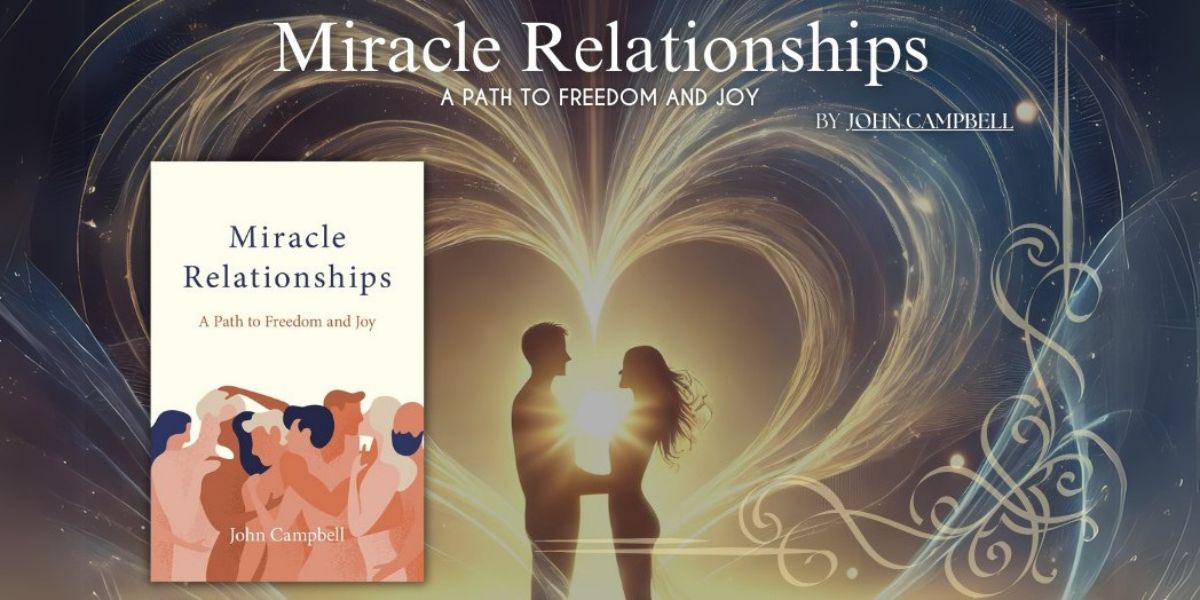
Many of us grow up believing the idealized narrative that relationships are about finding “the one,” living a fairy-tale romance, and experiencing eternal happiness. This belief is often perpetuated by movies, songs, and cultural norms. However, as John Campbell explains in his book Miracle Relationships, the true purpose of intimate relationships may extend far beyond surface-level romance. They are not solely about companionship or fulfilling societal expectations—they can also serve as profound opportunities for personal healing and growth.

Relationships as a Mirror for Self-Discovery

One of the key ideas presented by Campbell in Miracle Relationships is that intimate relationships can act as mirrors, reflecting our own unresolved issues and emotional wounds. When we enter a close relationship, our partner may inadvertently trigger deep-seated emotions, often stemming from childhood experiences. This process can be uncomfortable but is often seen as essential for self-discovery. Campbell emphasizes that these emotional triggers are not necessarily signs of a failing relationship but could instead be an invitation to address and heal the inner child within us.

Healing Childhood Wounds Through Love

Campbell discusses how unresolved childhood wounds often resurface in adult relationships, potentially causing repetitive patterns of conflict or dissatisfaction. He explains that relationships can provide opportunities to heal these wounds by practicing forgiveness and compassion—for both ourselves and our partners. By doing so, we may break free from generational patterns and move closer to becoming emotionally whole. In Miracle Relationships, Campbell shares his personal journey of overcoming childhood trauma and highlights the potential transformative power of intimate partnerships as a healing force.

The Transition from Dependency to Interdependency

Another critical theme in Campbell’s book is the idea of evolving from codependent relationships to healthy interdependency. Many people enter relationships seeking external validation or trying to fill an inner void. This dynamic can often lead to disappointment and conflict. Campbell suggests that true growth may occur when we stop relying on others to complete us and instead cultivate self-love. Intimate relationships, he argues, are often most fulfilling when both partners are emotionally whole and support each other’s growth without becoming overly reliant on one another.

Forgiveness as the Foundation of Growth

Forgiveness plays a central role in Campbell’s philosophy of healing through relationships. In Miracle Relationships, he outlines how forgiving past hurts—whether inflicted by parents, former partners, or even ourselves—can be essential for personal and relational growth. Holding onto resentment may create barriers to intimacy and perpetuate cycles of pain. By practicing forgiveness, we may release these burdens and create space for deeper emotional connections.

Intimate Relationships as a Spiritual Journey

John Campbell’s Miracle Relationships frames intimate partnerships not just as emotional unions but potentially as spiritual journeys. He explains that relationships can offer opportunities to evolve into our highest selves by learning patience, empathy, and unconditional love. The challenges we face in relationships are not necessarily obstacles but could be seen as stepping stones on the path to spiritual awakening. Campbell’s work suggests that when we view our relationships through this lens, we may transform even the most difficult situations into opportunities for growth.


In Miracle Relationships, John Campbell invites readers to see intimate relationships as more than a source of companionship. Instead, they can serve as powerful tools for self-healing, self-discovery, and personal evolution. By shifting our perspective from expecting relationships to “fix” us to understanding their role in our growth, we may open the door to deeper connections and lasting fulfillment. The next time you face a challenge in your relationship, consider Campbell’s wisdom: every difficulty could be an opportunity to heal and grow.


Book Name: Miracle Relationships: A Path to Freedom and Joy
Author Name: John Campbell
Paperback ISBN Number: 978-1803413075
Ebook Version: Click Here


Published by Joseph T.

Join Cade Storm as He Discovers Love While Honoring the Legacy of His Grandfather

In Beast Master’s Legacy, J.M. Sampson introduces readers to what many describe as a captivating journey through space, where cosmic unrest seems to be intertwined with personal discovery, honor, and love.

Join Cade Storm, a young Navajo veteran of the ten-system wars, who appears to find himself on a path filled with interstellar adventure and personal challenges. His journey can be seen as much about fighting the evils of slavery and piracy as it is about honoring the memory of his legendary grandfather, Hosteen Storm.

Cade’s story begins on the mud planet Cygnus 3, where a fateful encounter with a Zacathian female seems to alter the course of his life. Once an aimless spacer wandering the stars, Cade gradually discovers his latent Beast Master abilities, following in the footsteps of his grandfather, a revered figure whose legacy appears to cast a long shadow. With a newfound purpose, Cade joins the Space Patrol, finding himself thrust into the heart of a war against galactic slavery.

By incorporating elements of personal growth, honor, and romance, Beast Master’s Legacy offers readers a journey that could be described as more than just a battle for survival. Cade’s role as one of the key figures in the fight against intergalactic threats seems to be driven by a deep desire to uphold the principles instilled in him by his grandfather. Hosteen Storm, often regarded as a legend in his time, was a man of integrity and courage, and Cade strives to live up to that legacy.

Amidst the chaos of war, Cade’s journey takes an unexpected turn when he begins to discover love. His relationship with a fellow warrior adds a layer of depth to his character as he balances the demands of leadership and combat with the emotional growth that often comes from finding someone to share his burdens. This space love story serves as a potential reminder of what Cade is truly fighting for – not just a battle against slavery and survival but a future where hope and connection might thrive.

Sampson skillfully blends elements of science fiction, adventure, and emotional resonance, making Beast Master’s Legacy a story that many might find thrilling yet heartfelt. The vastness of space, the complexity of futuristic technology, and the high stakes of galactic politics are brought to life through Sampson’s detailed world-building.

But at its core, Cade’s journey can be interpreted as one of personal discovery – a quest to honor the memory of his grandfather while carving out his own path in a universe fraught with danger and moral dilemmas.

As Cade grapples with the demands of leadership and the difficulties of fighting against what some might call insurmountable odds, his transformation from an unappreciated spacer to a resilient leader could be seen as a story of both his outward struggles and the inward development sparked by his grandfather’s legacy.

For fans of intergalactic adventures, deep moral questions, and timeless battles between good and evil, Beast Master’s Legacy offers what many might consider a powerful and fascinating narrative—a story that could resonate with readers of all backgrounds as it explores themes of honor, love, and the enduring impact of family heritage.

Consider joining this unforgettable journey with Cade Storm as he battles interstellar forces, discovers the meaning of true leadership, and strives to honor the legacy of his grandfather, Hosteen Storm.

About the author:

  1. M. Sampson is known for creating interesting fiction across more than one genre. He has published Fantasy stories, a Christian redemption story, and is now exploring the galaxy of science fiction. Beast Master’s Legacy is his second published sci-fi story. He has two more interstellar manuscripts that are currently awaiting their journey through the stars and into the hands of readers.

Contact Information

To request a review copy or to schedule an interview with J. M. Sampson, please visit his website: https://sampsonbooks.com/, or Amazon page: https://www.amazon.com/stores/J.-M.-Sampson/author/B001K8J13S.  

Availability

The book is already available on Amazon: https://www.amazon.com//dp/B0DFRQZ97D, and it will soon be available in leading bookstores nationwide and globally.


Published by Joseph T.