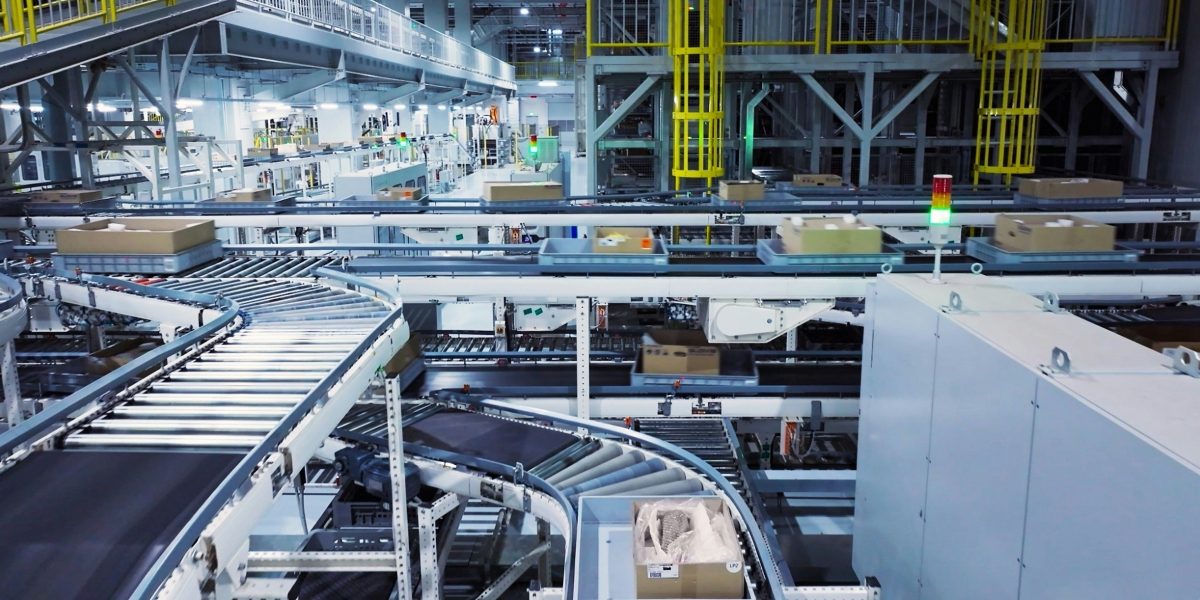

A wire conveyor belt is an important component in many industrial operations where materials need to be moved efficiently, consistently, and safely. Unlike conventional solid conveyor belts, wire conveyor belts are constructed from metal wires that form an open mesh surface. This design allows air, liquids, and heat to pass through the belt, making it particularly useful in industries that involve washing, drying, cooling, heating, filtering, or processing materials.
Because of their strength and versatile construction, wire conveyor belts are used across food processing, manufacturing, chemical processing, electronics, heat treatment, and other industrial environments. Selecting the right belt requires an understanding of the material being transported, operating conditions, temperature, load requirements, and cleaning needs.
What Is a Wire Conveyor Belt?
A wire conveyor belt is a continuous conveying surface manufactured from interconnected metal wires. The wires can be woven, linked, or formed into different mesh patterns depending on the intended application. Stainless steel is one of the most commonly used materials because it provides good resistance to corrosion, heat, and regular industrial wear.
The open structure of a wire conveyor belt makes it different from rubber or plastic conveyor belts. Instead of creating a continuous surface, the mesh allows air, water, oil, and other fluids to move through the belt. This feature can be particularly useful in production lines where products need to be washed, dried, cooked, cooled, or exposed to controlled temperatures while they are being transported.
Where Are Wire Conveyor Belts Used?
Wire conveyor belts are found in a wide range of industrial applications. Food processing is one of the most common areas because metal mesh belts can be designed for processes involving washing, baking, frying, freezing, and drying. Their open construction can also make cleaning and sanitation easier when the belt is properly designed for the production environment.
Manufacturing facilities may use wire conveyor belts for moving components through ovens, dryers, coating systems, or cooling equipment. They can also be used in heat-treatment applications where products are exposed to high temperatures. In these situations, the ability of metal mesh to withstand elevated temperatures can be a major advantage over materials that may soften, deform, or deteriorate under heat.
Wire belts are also used in industries that require filtration, screening, or controlled airflow. The mesh opening can be selected according to the size and characteristics of the products being conveyed, allowing manufacturers to create a conveying system suited to a particular production process.
Benefits of Using Wire Conveyor Belts
One of the main advantages of a wire conveyor belt is its durability. Metal construction can provide excellent resistance to mechanical stress, particularly in demanding industrial environments. When the correct material and belt design are selected, a wire belt can operate reliably for extended periods while handling repeated loads and continuous movement.
Another important advantage is temperature resistance. Certain metal alloys can perform effectively in applications involving substantial heat, making wire belts suitable for ovens, furnaces, dryers, and heat-treatment equipment. This makes them useful in production environments where conventional conveyor materials may not be appropriate.
The open mesh design also supports efficient airflow and drainage. Air can circulate around products while liquids can pass through the belt instead of collecting on its surface. This characteristic can improve processes such as drying, cooling, washing, and cooking.
Cleaning can also be an important consideration. Depending on the mesh design and application, wire conveyor belts can allow water and cleaning solutions to pass through the conveying surface. Stainless steel versions are especially popular in environments where corrosion resistance and hygiene are important.
Choosing the Right Wire Conveyor Belt
Choosing a suitable wire conveyor belt depends on several operating factors. The first consideration is usually the material being transported. Products vary considerably in size, weight, shape, and surface characteristics, so the mesh pattern and opening need to provide appropriate support.
Temperature is another important factor. A belt operating in a high-temperature oven may require a different metal alloy and construction than one used for ordinary material handling. Chemical exposure, moisture, cleaning procedures, and environmental conditions should also be considered because they can affect the service life of the belt.
The belt’s dimensions and configuration must match the conveyor system. Width, length, mesh type, wire diameter, and overall construction can influence performance. Drive and support components should also be compatible with the selected belt to ensure smooth movement and reduce unnecessary wear.
Maintenance and Service Life
Regular maintenance can help a wire conveyor belt operate efficiently and extend its useful life. Operators should inspect the belt periodically for damaged wires, stretched sections, unusual movement, or excessive wear. Identifying problems early can prevent a small issue from affecting other conveyor components.
Cleaning procedures should be appropriate for the belt material and the environment in which it operates. Harsh chemicals or unsuitable cleaning methods may cause corrosion or damage over time. Proper tension and alignment are also important because excessive tension can place unnecessary stress on the belt and conveyor system.
A well-maintained wire conveyor belt can provide consistent performance for industrial operations. However, its service life depends on factors such as operating temperature, load, speed, cleaning practices, material quality, and frequency of use.
In Summary
Wire conveyor belts provide a practical solution for industrial conveying applications where durability, airflow, drainage, temperature resistance, or easy cleaning are important. Their metal mesh construction makes them suitable for a variety of demanding environments, from food processing and manufacturing to drying, cooling, and heat treatment.
The best results come from selecting a belt that matches the specific requirements of the production process. Material type, mesh design, operating temperature, product characteristics, and maintenance requirements should all be considered before installation. With appropriate selection and regular care, a wire conveyor belt can become a reliable part of an efficient and long-lasting industrial conveying system.