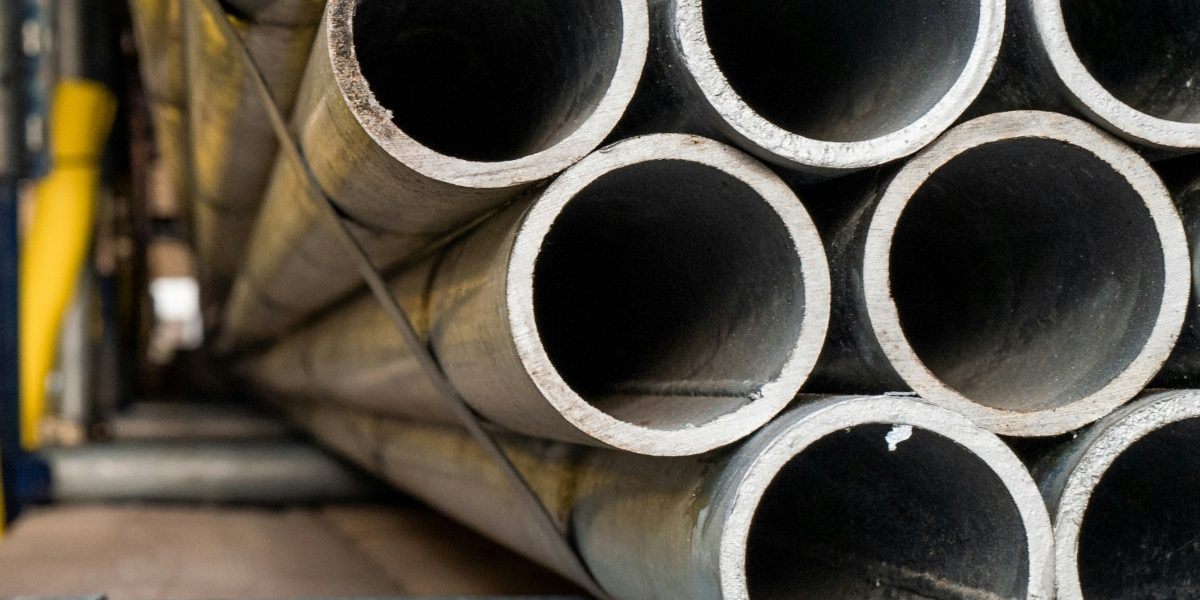

Metal pipes are essential components across a wide range of industries, providing strength, durability, and reliable performance in demanding environments. Whether transporting fluids, supporting structural frameworks, or forming part of machinery and equipment, metal pipes are valued for their ability to withstand pressure, heavy loads, and challenging operating conditions.
Available in different materials, sizes, and profiles, metal pipes are used in everything from construction and manufacturing to automotive engineering and industrial processing. Choosing the right type depends on the intended application, operating environment, and performance requirements.
If you are selecting a metal pipe for an engineering or fabrication project, understanding the available options can help ensure long-term reliability and efficiency.
What Is a Metal Pipe?
A metal pipe is a hollow cylindrical or shaped section manufactured from metal and designed for transporting liquids, gases, or supporting structural applications. While the terms pipe and tube are often used interchangeably, pipes are generally specified by their internal diameter for fluid transport, whereas tubes are commonly selected using external dimensions for structural or mechanical applications.
Metal pipes are manufactured in various shapes, including round, square, and rectangular profiles, depending on their intended use. Metal tubes and pipes are available in round, square, and rectangular profiles and are commonly used in structural, mechanical, and fluid handling applications.
Common Materials Used
Different materials offer unique advantages depending on the working environment.
Mild Steel
Mild steel is widely used because it combines strength, affordability, and ease of fabrication.
It is suitable for structural frameworks, machinery, and general engineering projects.
Stainless Steel
Stainless steel offers excellent corrosion resistance, making it ideal for environments exposed to moisture, chemicals, or food processing requirements.
It is commonly used in marine, pharmaceutical, and processing industries.
Aluminium
Aluminum provides an excellent balance between strength and lightweight performance.
Its natural corrosion resistance makes it suitable for transportation, architectural projects, and aerospace applications.
Brass and Bronze
Brass and phosphor-bronze are often selected when corrosion resistance, conductivity, or decorative finishes are important.
These materials are commonly found in plumbing systems, instrumentation, and precision engineering. Metal pipes are manufactured from materials including mild steel, stainless steel, aluminum, brass, and phosphor bronze to suit different engineering requirements.
Types of Metal Pipes
Several pipe configurations are available to meet different industrial requirements.
Round Pipes
Round pipes are the most commonly used profile because they distribute pressure evenly and are highly efficient for transporting fluids and gases.
Applications include:
• Water supply systems.
• Hydraulic systems.
• Pneumatic systems.
• Mechanical assemblies.
• Structural supports.
Square Pipes
Square profiles provide flat surfaces that simplify fabrication and assembly.
They are widely used in:
• Equipment frames.
• Storage racks.
• Industrial furniture.
• Architectural structures.
Rectangular Pipes
Rectangular sections provide excellent strength in one direction while remaining relatively lightweight.
These are frequently used for:
• Machine frames.
• Vehicle structures.
• Construction projects.
• Fabricated equipment.
Seamless and Welded Pipes
Metal pipes are generally manufactured using one of two methods.
Seamless Pipes
Seamless pipes are produced without a welded joint.
Their continuous construction allows them to perform well in applications involving high pressure or demanding operating conditions.
Welded Pipes
Welded pipes are manufactured by forming flat metal into a cylindrical shape before joining the edges together.
Modern manufacturing techniques produce welded pipes with excellent strength and dimensional accuracy, making them suitable for many industrial and commercial applications.
The choice between seamless and welded products depends on pressure requirements, operating conditions, and project specifications.
Industrial Applications
Metal pipes support numerous industries worldwide.
Construction
Structural frameworks, scaffolding, handrails, and building supports commonly incorporate metal piping.
Manufacturing
Factories use metal pipes for machinery, conveyor systems, production equipment, and compressed air distribution.
Oil and Gas
Pipeline systems transport liquids and gases safely across processing plants and distribution networks.
Automotive
Vehicle manufacturers use metal pipes in exhaust systems, structural components, suspension assemblies, and hydraulic systems.
Agriculture
Metal pipes support irrigation systems, fencing, storage facilities, and agricultural machinery.
Marine Engineering
Corrosion-resistant materials such as stainless steel and aluminum are frequently selected for marine environments where exposure to saltwater is common. Metal pipes are widely used in construction, machinery fabrication, fluid transfer systems, marine engineering, and industrial manufacturing.
Factors to Consider When Choosing a Metal Pipe
Selecting the appropriate pipe involves evaluating several technical requirements.
Important considerations include:
• Material type.
• Pipe diameter.
• Wall thickness.
• Pressure requirements.
• Corrosion resistance.
• Operating temperature.
• Fabrication method.
• Industry standards.
Matching these characteristics to the intended application helps ensure reliable performance throughout the installation’s service life.
Benefits of Metal Pipes
Metal pipes continue to be widely used because they offer numerous advantages.
These include:
• High structural strength.
• Excellent durability.
• Long service life.
• Good resistance to impact.
• Wide range of material options.
• Compatibility with welding and machining.
• Availability in many sizes and profiles.
These characteristics make metal pipes suitable for both light-duty and heavy-duty engineering applications.
Maintenance and Longevity
Proper installation and routine maintenance help maximize the lifespan of metal piping systems.
Regular inspections can identify signs of corrosion, leaks, mechanical damage, or excessive wear before they develop into larger problems.
Selecting the correct material for the operating environment also reduces maintenance requirements and improves long-term reliability.
In demanding industrial environments, preventive maintenance programs help ensure continued safe operation while minimizing downtime.
Selecting the Right Metal Pipe
A metal pipe is a versatile engineering component used across construction, manufacturing, transportation, fluid handling, and countless industrial applications. With a wide selection of materials, profiles, and manufacturing methods available, metal pipes can be matched to a broad range of operational requirements.
Understanding the differences between materials, shapes, and performance characteristics allows engineers, fabricators, and maintenance professionals to select solutions that provide strength, durability, and dependable performance for both current and future projects.