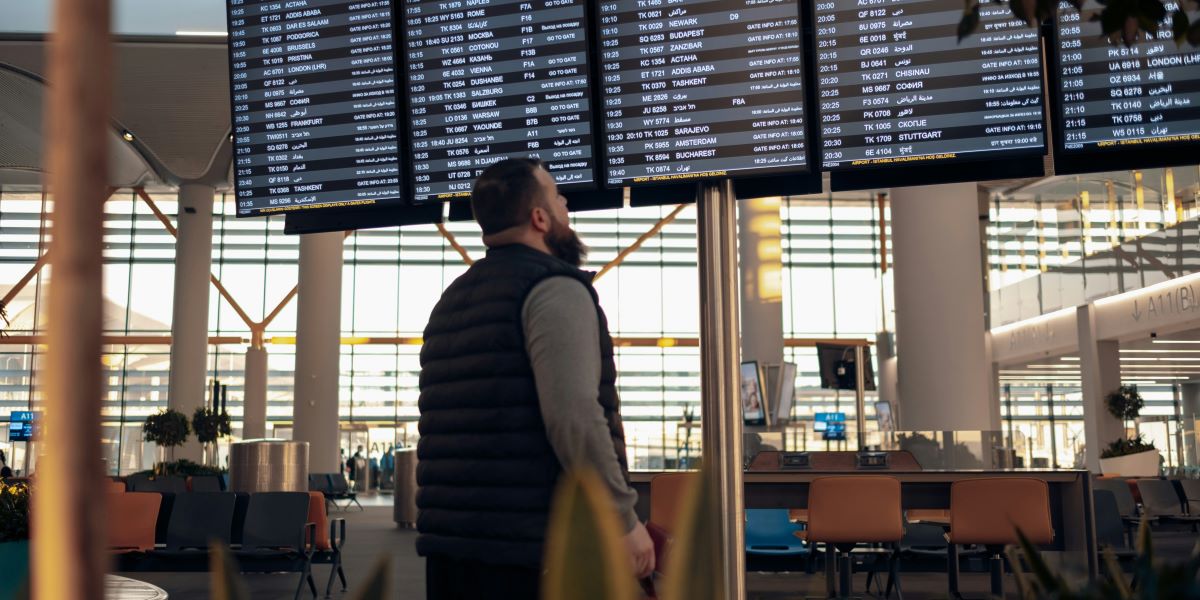

A record 45 million Americans traveled at least 50 miles from home over Memorial Day weekend, setting the stage for a summer travel season shaped by tighter airline capacity, elevated fuel prices, and consumer spending patterns that suggest demand has reached a ceiling rather than a peak.
The American Automobile Association projected that 39.1 million people would drive, 3.66 million would fly, and 2.2 million would take buses, trains, or cruises between May 21 and May 25. The overall total edged past the 2025 figure by less than one percent, a notable shift after several years of post-pandemic growth that consistently posted larger annual gains.
A Plateau, Not a Peak
The marginal year-over-year increase is what travel analysts will be watching closely through the summer. Demand remains historically strong, but the rate of expansion has slowed to a near-flat trajectory. Stacey Barber, vice president of AAA Travel, framed it as continued prioritization of leisure travel even as costs climb, telling reporters that travel demand remains strong and that travelers are continuing to spend on holiday breaks despite higher fuel prices.
For New York residents and businesses tied to the travel economy, the message is mixed. The volume of summer travelers will likely match or slightly exceed last year, but the easy growth that hospitality, airlines, and roadside commerce relied on in 2023 and 2024 appears to have run its course.
Spirit Airlines Shutdown Reshapes the Air Travel Landscape
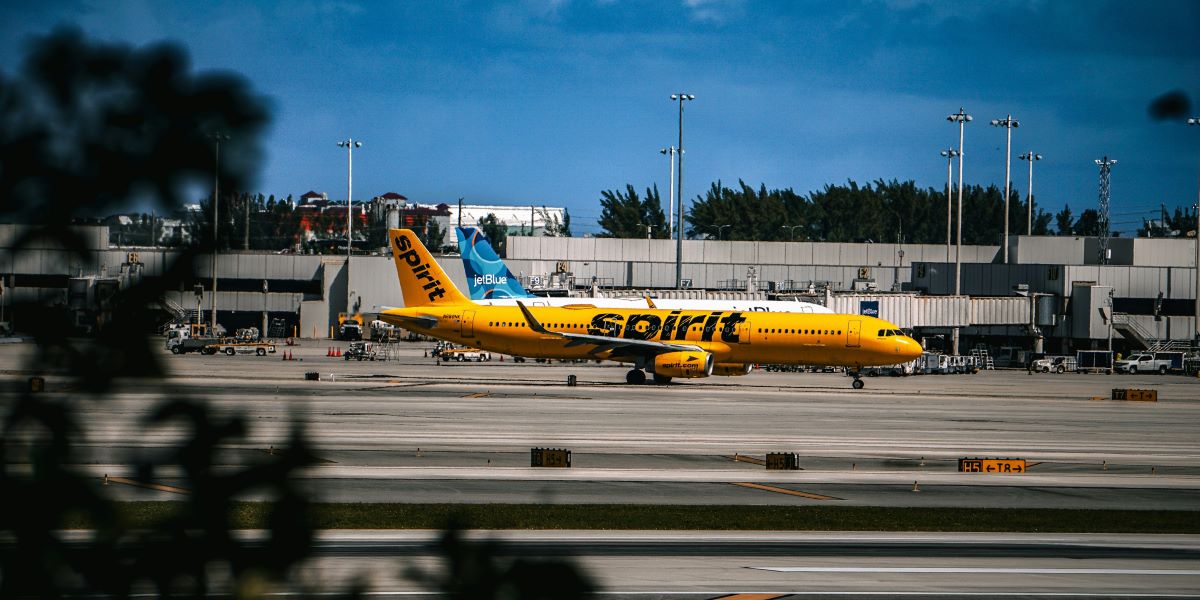
Photo Credit: Unsplash.com
The Memorial Day record arrived less than three weeks after Spirit Airlines ceased all operations on May 2, 2026, ending a 34-year run that included a significant presence at LaGuardia Airport’s Marine Air Terminal. The shutdown grounded the carrier’s bright yellow fleet overnight, stranded thousands of passengers, and eliminated roughly 17,000 direct and indirect jobs.
Spirit’s departure has structural implications for New York travelers heading into the busiest months of the year. The carrier was a primary source of ultra-low-cost fares out of the metro area, and its exit reduces price competition on routes to Florida, Texas, the Carolinas, and the Caribbean. Industry analysts have indicated that fares are expected to face upward pressure throughout the rest of 2026 as remaining carriers absorb displaced demand without immediately adding capacity.
The U.S. Department of Justice noted in 2023, while opposing Spirit’s proposed merger with JetBlue, that the airline played a disruptive role in opening travel to customers who would otherwise be priced out of the market. That disruptive function is now gone, and replacement service from JetBlue, Frontier, and the major legacy carriers will not match Spirit’s pricing model.
For travelers booking summer trips out of JFK and LaGuardia, this translates to fewer budget seats and likely higher average fares than the early-booking discounts that some Memorial Day flyers managed to secure.
Gas Prices and the Road Trip Calculation
Drivers made up 87 percent of Memorial Day travelers, a dominance that will continue through the summer months. Pump prices over the weekend reached their highest level since summer 2022, well above the $3.17 national average recorded on Memorial Day 2025.
Higher fuel costs change the math for the cost-conscious traveler. Road trips remain cheaper than flying for most family configurations, but the gap is narrower than it was a year ago. New York drivers typically pay above the national average for gasoline, which means longer trips upstate, to New England, or to the Mid-Atlantic carry a heavier fuel bill than in recent summers.
The Governor’s Traffic Safety Committee suspended construction-related lane closures on state highways through the holiday weekend under the Drivers First Initiative, a policy that will likely be repeated for Independence Day and Labor Day weekends. Drivers should plan around similar suspensions and the associated traffic patterns for the rest of the summer holiday calendar.
What to Watch for the Rest of the Summer
Several factors will determine whether the summer 2026 travel season matches Memorial Day’s record-setting tone or falls below it.
Independence Day falls on a Saturday this year, which historically extends travel volume across a longer window as travelers stretch the holiday into a four- or five-day break. Labor Day weekend, the traditional close of the summer travel season, will offer the clearest signal of whether the plateau holds or breaks.
Airfare trends in June and July will reveal the full impact of the Spirit shutdown. Early forecasts from industry analysts suggest fares will run higher than 2025 for last-minute bookings, with the steepest increases on routes Spirit dominated.
Gas prices remain the most volatile variable. Crude oil markets have been sensitive to geopolitical developments, and any disruption during the summer driving season could push pump prices higher than the levels already seen over Memorial Day.
For New York’s hospitality sector, attractions, and small businesses tied to summer tourism, the Memorial Day data points to a season of stable but unspectacular demand. Operators that built their 2026 budgets on the growth rates of the past two years may need to recalibrate. Those that priced for steady volume will likely find the summer aligned with expectations, even if the headlines about record-breaking travel quietly give way to a story about a market that has finally found its level.