
Most travelers think about passports, luggage, and flight delays. Yet, very few think about hygiene during the trip itself. Every trip puts travelers in spaces that quickly accumulate germs. From airport seating to airplane cabins, these settings are used by thousands of people every day, often with only minutes between one occupant and the next.
One of the most overlooked concerns is airline seat hygiene. Melissa Cullen recognized this hidden problem and turned her focus toward improving travel comfort solutions, developing and patenting an airplane seat cover designed for the everyday traveler.
The Hidden Reality of Airplane Seat Hygiene
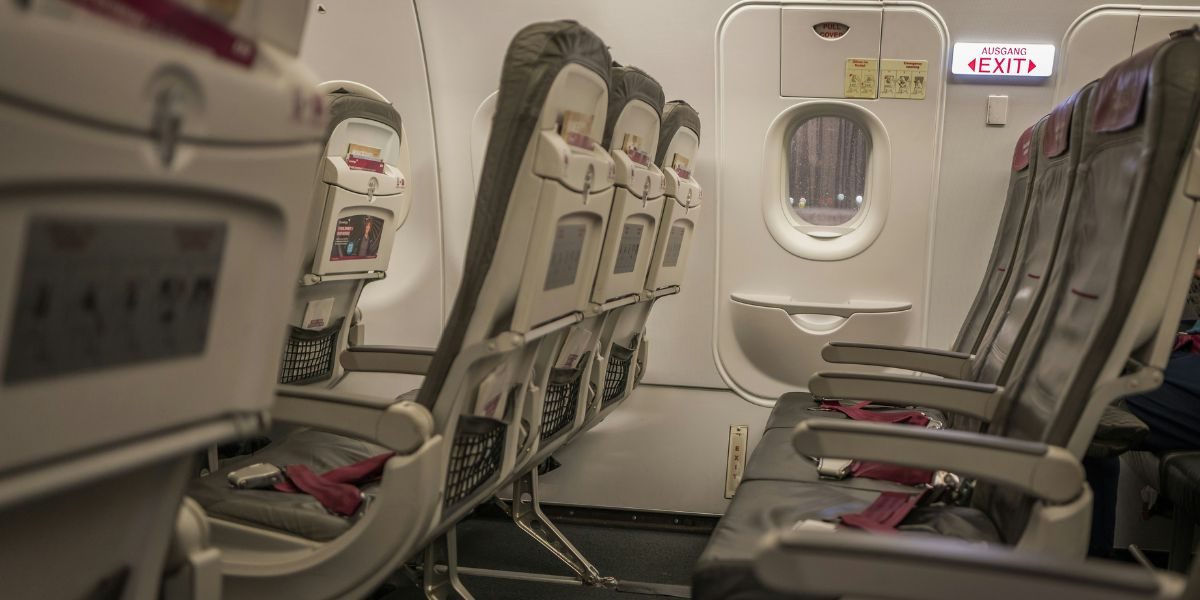
Airplane seats may look clean, but they often carry unseen contaminants. Between flights, cleaning crews work fast, and deep sanitation is rare. A typical turnaround gives crews less than an hour to collect trash, reset the cabin, and prepare for boarding, which leaves little time for detailed cleaning. Seats, armrests, and tray tables can hold bacteria from previous passengers, and travelers rest their heads, arms, and even food on these surfaces without thinking twice.
Fabric surfaces present a particular challenge. Unlike smooth plastic, upholstery is porous and holds onto what it collects. Soft areas such as fabric headrests and seat-back pockets are far harder to clean during a quick turnaround than hard plastic or metal. A tray table can be wiped in seconds, but a fabric seat cannot be washed between flights.
This lack of awareness is easy to understand. Over the course of a flight, clothing, skin, and hands all come into contact with the same shared surfaces, and longer flights mean more time spent in contact with them. Airline seat hygiene draws even more attention when flights are crowded and turnaround times shrink. For many passengers, it is an issue that falls largely outside what a quick cabin reset can cover.
Why Travelers Overlook This
Many travelers assume that airlines maintain strict cleaning standards. While some do, time pressure often limits thorough sanitation. Quick turnarounds between flights mean that visible cleaning takes priority over deep cleaning. Some residue can remain, since the deeper sanitation cycles that do exist typically happen overnight or during scheduled maintenance, not between every flight.
Another reason this issue is ignored is the mindset behind it. People focus more on reaching their destination than on the condition of their seat. Travel comfort solutions are often seen as luxury items rather than practical needs. This perception leads travelers to overlook simple ways to look after themselves during flights.
There is also a psychological element at work. Shared spaces encourage a kind of collective blindness. Because everyone uses the same seats and no one else seems concerned, individual travelers assume the risk must be minimal. The same passengers who would hesitate to rest their head on a hotel bedspread will lean against an airplane headrest for six hours without a second thought.
Cullen’s Perspective on Everyday Exposure
Melissa Cullen, whose career spans childcare, interior design, and nonprofit work, approached this issue from a different angle. Instead of accepting the norm, she questioned what really happens in shared spaces. Her awareness began in everyday environments, where exposure is constant but rarely noticed. That mindset carried into travel, where conditions are even more unpredictable.
Cullen realized that airplane seats function much like other high-contact surfaces. They collect particles from clothing, skin, and the surrounding air. Over time, this buildup creates conditions that are far from clean. Her goal was to create a simple, practical way for travelers to address airline seat hygiene on their own, without relying on airlines to change their systems.
That goal shaped a key decision. Rather than adapting an existing accessory, Cullen created and patented her own seat cover. Pursuing a patent reflects a long-term commitment to the problem rather than a passing interest in a travel trend.
Airplane Seat Covers
Airplane seat covers offer a direct approach to this problem. They act as a barrier between the traveler and the seat surface. This simple layer limits direct contact with the upholstery and can add a measure of comfort. Unlike wipes or sprays, a seat cover stays in place for the entire flight.
These covers are designed to be lightweight and easy to carry. Travelers can pack them as part of their clean travel essentials without adding bulk, and setup is quick enough to finish while other passengers are still stowing their bags. Once placed over the seat, a cover creates a personal space that feels cleaner and more controlled.
After the flight, the cover comes off, returns to its pouch, and can be laundered at home like any other textile. Nothing is left behind on the aircraft. No cooperation from the airline is required.
Improving Travel Comfort Solutions with Simple Tools
Travel comfort is not just about legroom or entertainment. It also depends on how secure and clean a traveler feels. When passengers worry less about hygiene, they can relax more during the flight, and that is where practical travel comfort solutions come in.
Airplane seat covers combine comfort and cleanliness in one product. Many are made from soft, breathable materials that enhance the seating experience. At the same time, they limit direct contact with surfaces that many previous passengers have used.
Frequent flyers already build rituals around neck pillows, blankets, and noise-canceling headphones. A seat cover extends that same logic to the seat itself, turning an anonymous shared surface into a defined personal one.
Parents traveling with young children may find them especially useful. Small kids press their faces into seatbacks, touch every surface within reach, and drop snacks into crevices. A washable layer makes that part of the trip easier to manage.
Why Clean Travel Essentials Matter More Than Ever
Travelers have become far more aware of hygiene over the past several years. That shift has heightened demand for clean travel essentials. Items like hand sanitizer and disinfectant wipes are now common, but they do not cover every surface. Wiping down a seat in public once drew stares, and today it barely registers.
Airplane seat covers address one of the largest contact areas during a flight. For many travelers, they add a sense of control in an environment that is otherwise hard to manage. As more people pay attention to cleanliness on the road, seat covers are showing up more often in carry-on bags.
Rethinking Travel Habits
Instead of assuming that shared spaces are clean, more travelers are taking simple precautions. Small changes in habit can cut down on direct contact with heavily used surfaces. An airplane seat cover is one of the simpler ways to approach airline seat hygiene, and it takes minimal effort to use.
A Simple Solution to an Overlooked Issue
Air travel will always involve shared spaces, but that does not mean passengers must accept poor hygiene conditions. By focusing on practical travel comfort solutions, travelers can take more control of their experience.
Airplane seat covers offer a straightforward way to create a cleaner, more comfortable space on board. Melissa Cullen’s perspective highlights the importance of noticing what others ignore. Airline seat hygiene is not a minor concern. For many travelers, it is part of what makes a trip comfortable.