
By: Matt Emma
In a world increasingly obsessed with perfection, Dallas-based documentary photographer Stephanie Boyd is using her camera to capture something far more meaningful: evidence that humanity is worth believing in.
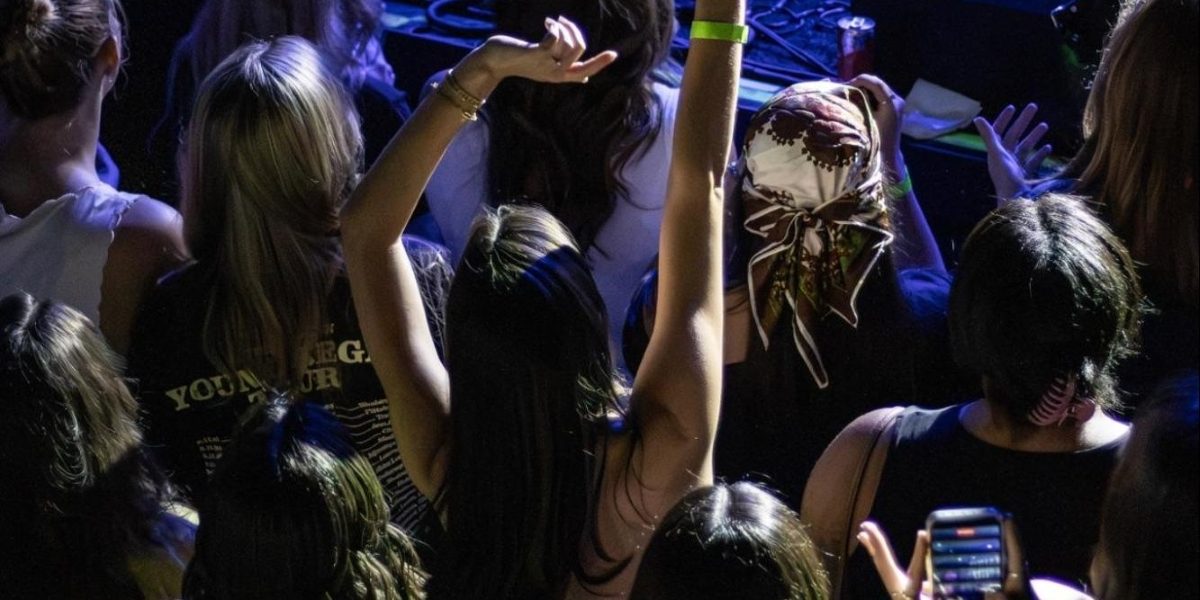
At a concert, hundreds of people might be watching the same performance, but they’re not all having the same experience. Some are singing along, others are laughing with friends, and somewhere in the crowd, one person has thrown their hands into the air, completely consumed by the music, unconcerned with how they might look to anyone else.
For documentary photographer Stephanie Boyd, those are the moments worth remembering.
While the spotlight illuminates the artist onstage, Boyd’s attention frequently drifts toward the people experiencing the performance. She notices the spontaneous interactions, the unguarded expressions, and the fleeting instances of human connection that might otherwise disappear into the evening. It’s an approach that defines her work through SD3 Creative, her Dallas-based documentary photography business.
“I like to observe humans being naturally human,” Boyd explains. “There’s something incredibly beautiful about people when they’re simply living their lives, without thinking about how they look or whether anyone is watching. Those are the moments I want to preserve.”
It’s a deceptively simple philosophy, but behind it lies a much larger belief about beauty, belonging, and the extraordinary experience of being alive.
The Beauty We Don’t Always See in Ourselves
Boyd didn’t always approach photography this way. With more than two decades of experience behind a camera, her career has included traditional portrait photography, studio lighting, and carefully composed images, but portrait sessions revealed something about human nature that she found increasingly difficult to reconcile with her own perspective: people were often their own harshest critics.
Even when Boyd felt she’d captured a beautiful image, her subjects sometimes focused on what they perceived as imperfections. A chin they disliked, a facial feature they wished looked different, or requests to digitally alter their bodies.
What Boyd saw as a completely beautiful human being, the person in the photograph sometimes saw as a collection of flaws. That repeated experience became tough to reconcile because, for Boyd, the problem wasn’t the people or their insecurities, but the larger cultural expectation that beauty must meet some prescribed standard and that photographs should somehow correct the ways people believe they fall short.
“I wish people could see themselves the way I see them through my camera,” Boyd says. “We’re so conditioned to look for what’s wrong with our appearance that we overlook how extraordinary it is just to be human. The laughter, the expressions, the way someone lights up when they’re doing something they love. That’s beauty to me.”
That realization helped clarify what she wanted from photography. She wasn’t interested in making people look like idealized versions of themselves. She wanted to document the beauty already present in their lives.
Finding Beauty in the Unscripted
Today, Boyd specializes in documentary photography, capturing events, live music, cultural gatherings, and the everyday interactions that reveal something about the people participating in them. Her photographs favor observation over orchestration.
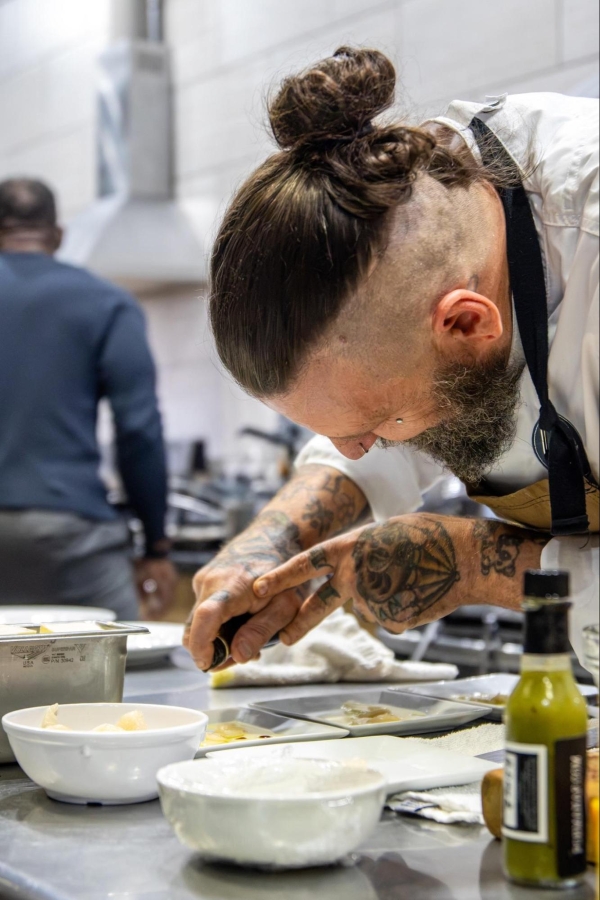
At a culinary event, she might photograph a chef concentrating on a dish while equally being interested in the people preparing the space, the interactions between guests, and the small gestures that communicate the atmosphere of the evening. At a music venue, the performer is important, but so is the audience member experiencing a song as though nobody else exists. At a community festival, she looks beyond the main attractions to the people whose participation gives the gathering its identity.
These moments aren’t necessarily dramatic, aren’t always visually perfect, and they’re rarely planned, but to Boyd, that’s precisely what makes them meaningful.
Her approach also reflects her education in cultural anthropology and more than 25 years working in marketing and communications. Both disciplines have shaped her interest in how people form connections, establish communities, and create meaning through shared experiences.
People gather around music, food, celebrations, traditions, and common interests because these experiences reinforce something deeply rooted in human nature: the desire to belong. Boyd sees documentary photography as a way to observe and preserve those connections.
A photograph of strangers laughing together can resonate with someone who has never met them. An image of a musician completely immersed in a performance can remind viewers of their own experiences with music. A candid embrace can evoke memories of someone they love. The people in the photograph may be strangers, but the emotions are familiar.
“We connect when we see other people,” Boyd says. “You don’t have to know someone’s name or their story to recognize joy, excitement, tenderness, or belonging. There’s a shared language in those experiences that transcends almost everything else.”
Authenticity in an Artificial World
The timing of Boyd’s approach is particularly relevant as digital culture has made it easier than ever to manufacture an image of perfection.
Social media feeds are filled with carefully curated lifestyles, filtered appearances, and increasingly sophisticated AI-generated imagery. Brands invest heavily in visual identities designed to appear aspirational, polished, and consistent. Yet that abundance of manufactured imagery raises an interesting question: What happens when audiences begin to crave something that feels unmistakably real?
For Boyd, the answer isn’t necessarily a rejection of technology or artistic production, but a renewed appreciation for the human experiences that cannot be recreated simply by arranging the right visual elements.
A spontaneous laugh is different from a directed smile. A musician experiencing an emotional connection with an audience is different from a carefully staged promotional photograph. An employee concentrating on their craft communicates something different from a corporate image designed to suggest productivity. These differences matter, particularly for businesses and organizations seeking to communicate authenticity.
With her professional background, Boyd understands that images don’t simply illustrate a brand’s story. They influence how audiences perceive its identity, credibility, and relationship with the people it serves. For companies, event producers, hospitality brands, and cultural organizations, documentary photography can reveal something highly controlled imagery sometimes struggles to communicate: what an experience genuinely feels like.
“AI can generate an image, but it can’t witness a moment,” Boyd says. “It can create something that looks like a concert or a celebration, but it wasn’t there. It didn’t witness the people, the energy, or the connections happening in that space. Documentary photography matters because those moments actually existed.”
It’s a distinction that goes beyond aesthetics. For Boyd, photography is both an artistic practice and a record of human experience.
Evidence That Humanity Is Worth Believing In
Beneath Boyd’s artistic philosophy is a worldview shaped by an awareness of life’s fragility and contradictions.
She doesn’t romanticize humanity. She readily acknowledges that human beings are capable of extraordinary cruelty, destruction, and indifference, but she also believes those same human beings possess an equally extraordinary capacity for kindness, creativity, generosity, and love. That duality is central to how she sees the world.
Her personal experiences have given her a deep appreciation for the impermanence of life and the importance of recognizing beauty while it exists. Rather than allowing life’s difficulties to define everything she sees, Boyd has developed a deliberate practice of noticing what makes humanity remarkable. A reunion between old friends. The joy of people sharing a meal. The exhilaration of a musician performing for an audience. The quiet concentration of someone creating something with their hands.
These are not necessarily monumental events in the larger course of history, but they can be monumental in the lives of the people experiencing them.
“I know the world can be an ugly place. I’m not blind to that,” Boyd says. “But I also get to witness these incredible little moments of humanity everywhere I go. People creating things, celebrating together, caring for each other, just experiencing life. To me, that’s evidence that there’s still so much worth believing in.”
In many ways, her photographs form a collection of that evidence. Not because people are perfect, but because, despite their imperfections, they continue to create moments of extraordinary beauty.
The Privilege of Stopping Time
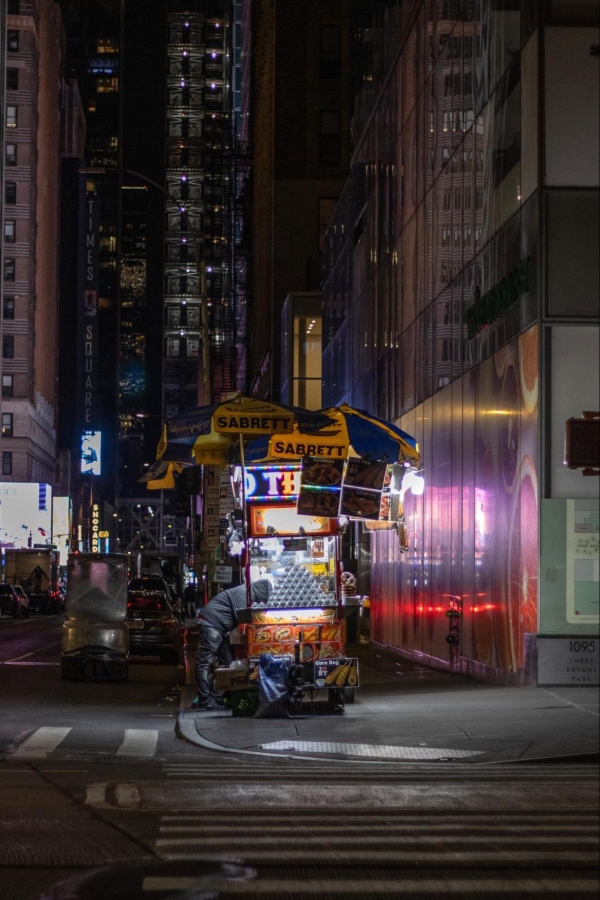
For Boyd, one of photography’s most remarkable qualities is its ability to preserve something that would otherwise disappear. A laugh lasts only seconds. An embrace eventually ends. A performance concludes, the audience leaves, and the venue goes quiet, but a photograph can hold a fragment of that experience indefinitely.
It’s this ability to stop time that Boyd considers one of the greatest privileges of her work.
As her photography continues to take her into new environments, from music venues and culinary events to cultural festivals and larger gatherings, her ambitions extend beyond any particular city or industry. She hopes to document communities, destinations, and cultural experiences throughout the globe, particularly the people and places that often escape wider attention.
She’s interested in the people behind the spectacle, the everyday rituals that define communities, and the small human stories that exist within much larger events.
“One day, everything we’re experiencing right now will be history,” Boyd says. “The people, the places, the things we do together… Photography gives me the opportunity to save a little piece of that. I think that’s an extraordinary privilege.”
Whether she’s photographing a large cultural gathering, a neighborhood celebration, or an intimate moment between strangers, the underlying motivation remains the same: she wants to document people experiencing life. Not perfected, manufactured, or pretending for the camera. Simply existing, connecting, creating, and being themselves.
In a world that often encourages people to focus on everything that’s wrong with humanity, Boyd’s photographs offer a different perspective. They suggest that perhaps beauty isn’t something we need to create or correct. Perhaps it’s something we need to become better at recognizing.
See more of Boyd’s work at SD3Creative.com