
Four international creators reaching millions across social media are using cinematic storytelling, lifestyle content and FPV filmmaking to introduce global audiences to a lesser-seen side of Zhejiang.
In an era shaped by algorithmic recommendations and an endless stream of travel content, destination marketing faces a growing challenge: getting people to stop scrolling.
The postcard-perfect imagery that once defined tourism advertising now competes with a virtually limitless supply of destinations, creators and experiences. For younger travelers in particular, discovery increasingly happens through people they already follow , filmmakers, photographers and social media personalities whose work can make an unfamiliar destination feel immediate, personal and worth exploring.
That shift is at the center of an international cultural exchange initiative unfolding across Zhejiang, one of China’s most economically dynamic and geographically diverse provinces.
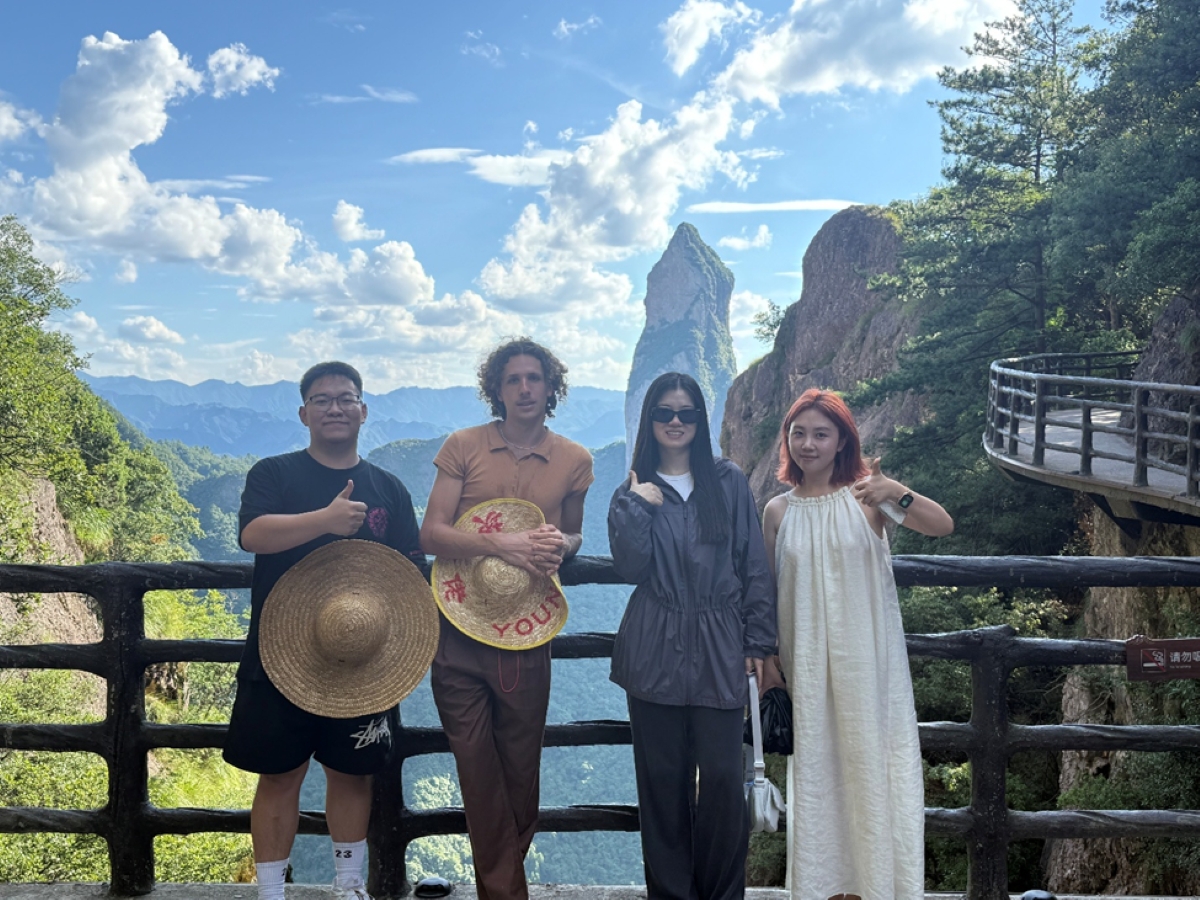
Through the “Discover China Through Zhejiang” International Cultural Exchange Program, four international creators , lifestyle and social media personality John Maggi (@realjohnmaggi), filmmaker Harish Kumar (@childishharish), cinematic travel creator Nolan (@nolanontherun) and FPV filmmaker Parker Sheppard (@pshepfpv) , traveled across three distinct regions of Zhejiang, translating their experiences into visual stories for audiences across Instagram, TikTok and YouTube.
But the strategy was not simply about follower counts.
The campaign wasn’t built around four interchangeable influencers. It was built around four different visual languages.
Each creator approached Zhejiang through a storytelling style that reflected their existing work. Rather than presenting the province through a single tourism narrative, their journeys allowed different aspects of the destination to emerge naturally through lifestyle discovery, cinematic filmmaking, cultural encounters, outdoor exploration and high-speed FPV cinematography.
That distinction matters in an increasingly crowded digital travel landscape. Audiences have become accustomed to polished promotional campaigns, but creator-led storytelling can offer something different: a sense of personal discovery.
For viewers, the experience is not necessarily framed as an advertisement for a destination. Instead, they are invited to see a place through the eyes of someone whose work they already recognize and trust.
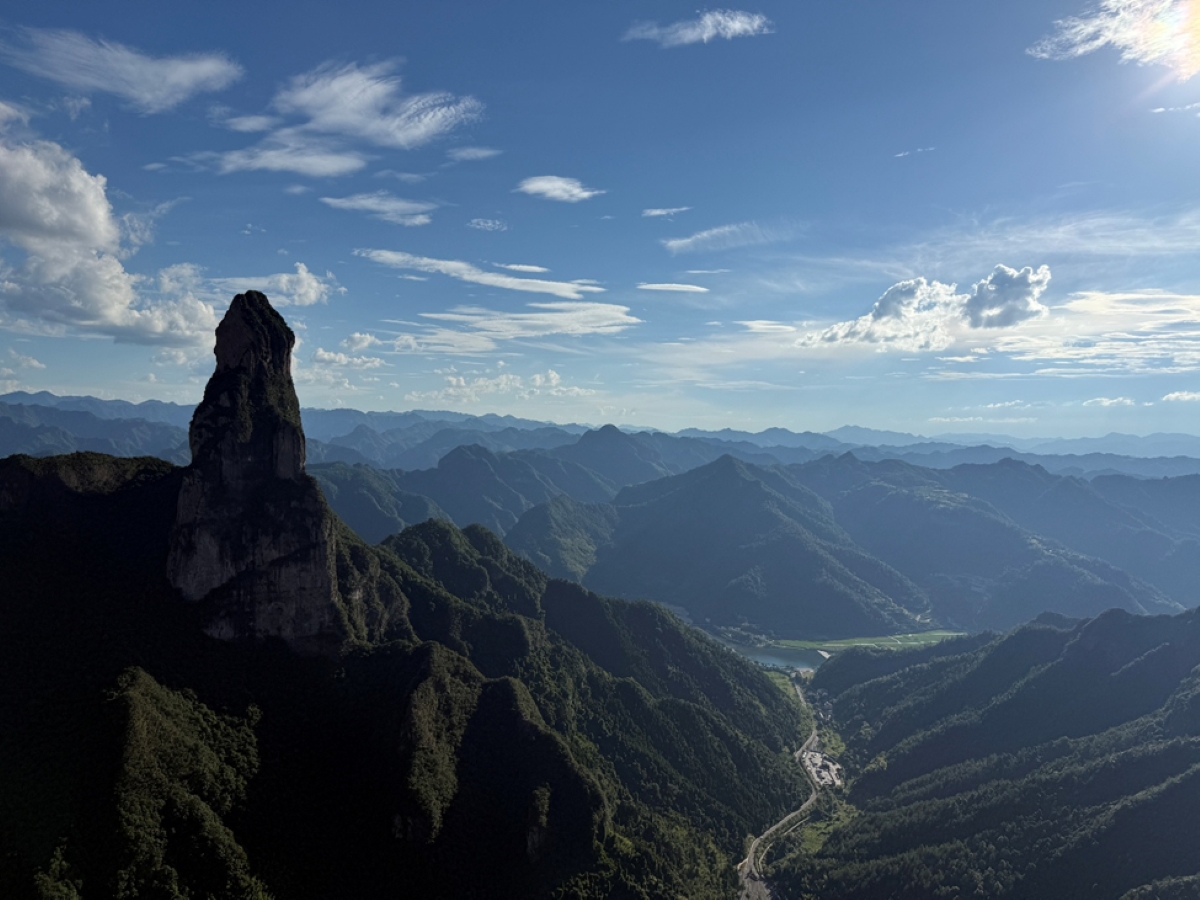
Zhejiang provides a particularly broad canvas for that approach. Beyond the image of China often associated with major urban centers, the province combines historic communities, natural landscapes, contemporary culture, distinctive architecture and rapidly changing urban environments.
These contrasts create opportunities for different forms of visual storytelling. A filmmaker can focus on atmosphere and composition, while a lifestyle creator can highlight everyday experiences and local encounters. An FPV filmmaker can transform landscapes and architecture into fast-moving visual sequences that would be difficult to communicate through conventional tourism photography.
The result is a collection of perspectives rather than a single interpretation of Zhejiang.
For international audiences, that variety can also challenge familiar assumptions about travel in China. Instead of concentrating exclusively on well-known megacities and landmark attractions, creator-led journeys can draw attention to places, communities and experiences that may not appear on a typical first-time travel itinerary.
There is also a broader cultural dimension to the project. Social platforms have become important spaces for informal cultural exchange, allowing audiences to encounter unfamiliar countries through food, landscapes, people, architecture and daily life. The creators become storytellers as much as travelers, documenting moments that can spark curiosity far beyond the locations where they were filmed.
For destination marketers, the lesson may extend beyond Zhejiang. As travelers increasingly use social media to research and imagine future trips, the most effective travel storytelling may not always come from traditional advertising. It may come from creators who can transform a destination into a story that feels authentic to the audience watching it.
The “Discover China Through Zhejiang” program illustrates that shift in practice. By bringing together creators with different audiences and distinct creative approaches, the initiative presents Zhejiang not as a single destination with one identity, but as a collection of places and experiences that can be interpreted in many ways.
In a world where attention is increasingly difficult to capture, that may be the emerging language of global travel: not simply showing people where to go, but giving them a reason to become curious.