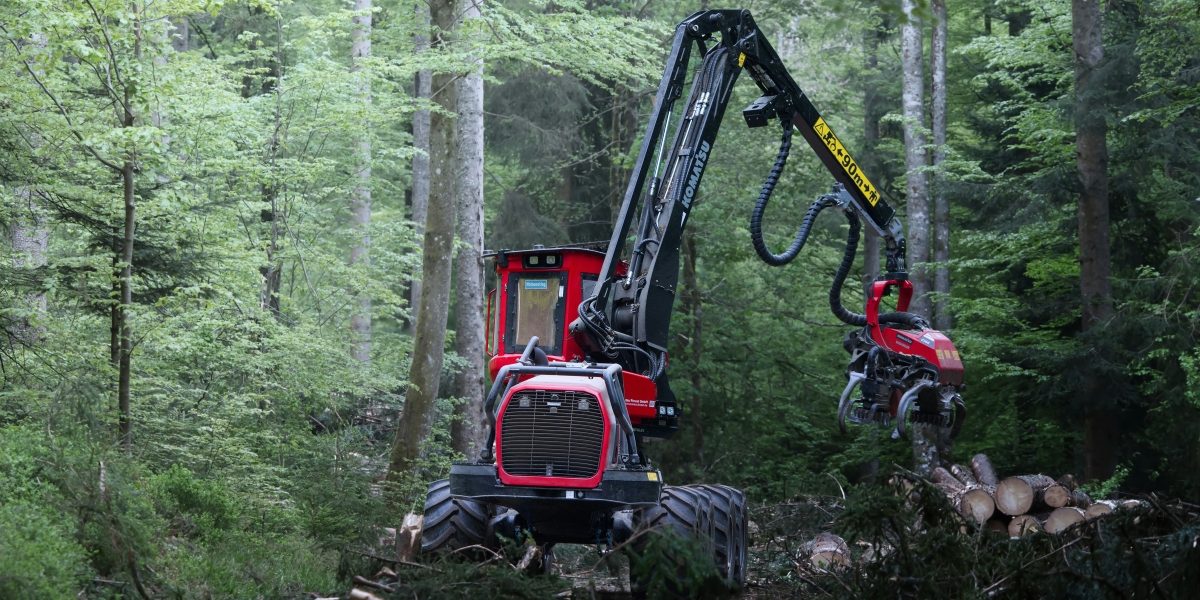

Building new structures requires preparing the ground properly. Smart preparation protects the environment and sets up a project for long-term success. Choosing the right methods keeps the soil healthy and prevents future erosion problems.
Developers can balance progress with nature by using modern techniques. The right land clearing strategies promote sustainable development, helping balance economic growth with responsible land stewardship.
Smart Assessment Before Clearing
Before any machinery arrives, crews must evaluate the local ecosystem. You can find expert guidance at https://calibertreeservices.com/ to plan these early stages correctly. Mapping out the terrain prevents unnecessary damage to surrounding trees, and this careful review forms the foundation of a successful build.
A report by a sustainability organization shows that over 100 million hectares of productive ground face degradation every single year. Proper planning balances commercial growth with environmental safety to protect local communities.
Teams can mark exact zones to protect native plants and waterways. High-quality data helps managers make better choices for the environment.
Selective Vegetation Removal
Clearing an entire piece of land causes massive habitat loss. An equipment blog mentions that project plans need to target only the areas needed for construction. This matters since global figures from a forestry group show a loss of 6.7 million hectares of primary rainforest in 2024 alone.
Protecting smaller pockets of woods preserves local biodiversity. Marking trees for preservation keeps the local canopy intact. Mature trees provide shade and help regulate ground temperatures during hot seasons.
Wildlife can continue to use these spaces without disruption. Saved trees add instant beauty and value to a completed property.
Modern Methods for Soil Health
Traditional clearing often relies on heavy scraping or burning. A safety platform warns that burning brush releases heavy amounts of carbon dioxide into the air. Smoke from large fires creates immediate air quality problems for nearby neighborhoods.
• A land works guide points out that forestry mulching avoids the need to haul debris away.
• Wood chips left behind shield the dirt from heavy rain and wind.
• The organic matter decays naturally, returning nutrients directly back to the earth.
Heavy machinery often packs the dirt down too tightly. Compressed soil prevents water from soaking into the ground.
Using lighter equipment or mulching machines protects the delicate underground structure. Looser soil allows roots to grow deeply and securely.
Long-Term Land Preservation Strategies
Green construction relies on keeping the ground stable long after developers finish building. Planting native grasses immediately after clearing prevents topsoil from washing away. Strong root systems hold the dirt in place during heavy storms.
Fast-growing cover crops offer an easy shield against wind damage. Developers must monitor water runoff patterns across the job site. Setting up silt fences protects nearby streams from mud pollution.
Regular checks keep these simple systems working reliably. Clean water systems support fish and other local wildlife.
Building a Sustainable Future Through Responsible Land Clearing
Sustainable site preparation protects resources for future generations. Choosing low-impact methods preserves the soil structure and keeps the local ecosystem balanced.
Property owners can contact a professional team to start planning an eco-friendly project. By integrating modern technologies, best management practices, and long-term environmental planning, landowners and developers can ensure that development projects meet today’s needs without compromising the health and productivity of the land for future generations.