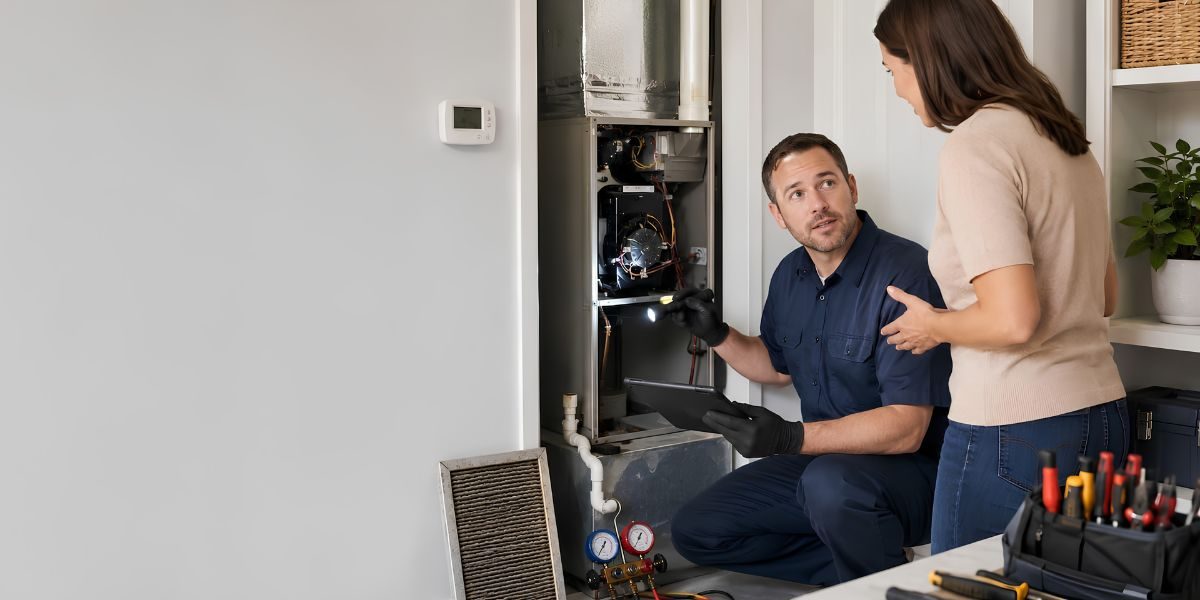

Most HVAC systems do not fail out of nowhere. They usually give a few hints first. A strange noise. A room that will not cool down. A furnace that seems to run forever. A weak airflow that everyone notices but nobody wants to deal with, yet.
It is easy to ignore these warning signs when the system is still technically working. After all, life is busy, and no one wants to schedule a service appointment unless they really have to. But heating and cooling problems tend to get worse, not better, when they are left alone. That is why many homeowners and property managers prefer to build a relationship with a trusted local HVAC company before a full system breakdown occurs.
Your HVAC system is responsible for comfort, energy efficiency, indoor air quality, humidity control, and in some cases, safety. When something changes in how it sounds, smells, feels, or performs, it is usually worth paying attention.
Below are the HVAC warning signs you should not ignore, and what they may be trying to tell you.
1. Weak or Uneven Airflow
Weak airflow is one of the most common HVAC complaints, and it can have several causes. Sometimes the fix is simple, such as replacing a clogged air filter. Other times, it may point to a blower motor issue, duct leakage, blocked vents, frozen evaporator coils, or a more serious system performance problem.
Uneven airflow can be just as frustrating. One room feels like a refrigerator, while another feels like a warm storage closet. People start closing vents, adjusting the thermostat every hour, or placing fans in odd corners of the home. None of that really solves the underlying issue.
Uneven comfort may be caused by poor duct design, damaged ducts, insulation problems, blocked returns, zoning issues, or equipment that is not sized properly for the space. In commercial buildings, airflow problems can also affect employee comfort, tenant satisfaction, and even equipment-sensitive areas.
The important thing is not to assume weak airflow is normal. HVAC systems are designed to move conditioned air consistently. When they stop doing that, something is interfering with performance.
2. Strange Noises From the System
All HVAC systems make some noise. A gentle hum, airflow through vents, or the sound of a system starting up is usually nothing to worry about. But new, loud, or unusual noises should get your attention.
Banging may suggest loose or broken components. Squealing can point to belt or motor issues. Buzzing may indicate an electrical problem. Rattling could mean something is loose inside the unit. Clicking during startup can be normal, but constant clicking may signal a relay or control issue.
In other words, your HVAC system should not sound like it is rehearsing for a garage band.
Ignoring strange noises can be risky because mechanical problems often create additional wear. A loose part can damage nearby components. A failing motor can overheat. Electrical issues can become safety concerns. The sooner the source is identified, the better the chance of avoiding a larger repair.
3. Unusual Smells
Odors coming from your HVAC system should never be brushed off, especially if they are strong, persistent, or sudden.
A musty smell may indicate moisture buildup, mold growth, a dirty evaporator coil, or problems inside ductwork. A burning smell could come from dust burning off at the start of the heating season, but if it continues, it may suggest electrical overheating or another serious issue. A rotten egg smell near gas heating equipment can indicate a potential gas leak and should be treated as urgent.
Different smells point to different problems, but the rule is simple: if the odor is unusual and does not go away quickly, do not ignore it.
Indoor air quality matters. Your HVAC system circulates air throughout the home or building, so odors can spread quickly. In some cases, the issue may be minor cleaning or maintenance. In others, it may require immediate professional attention.
4. Rising Energy Bills Without a Clear Reason
Energy bills fluctuate with the seasons. A hotter summer or colder winter can naturally increase heating and cooling costs. But if your utility bill rises significantly and your usage habits have not changed, your HVAC system may be losing efficiency.
This often happens when the system has to work harder than it should. Dirty filters, clogged coils, low refrigerant, duct leaks, failing motors, poor thermostat calibration, and aging equipment can all increase energy consumption.
A struggling system may still keep the home reasonably comfortable, but it may take longer to do so. That extra runtime shows up on the bill.
This is one of those warning signs people often miss because it does not feel like a breakdown. The system turns on. Air comes out. The home eventually gets comfortable. But behind the scenes, the equipment may be wasting energy every day.
A professional inspection can help determine whether the problem is maintenance-related, repair-related, or simply a sign that the system is nearing the end of its useful life.
5. Frequent Cycling or Constant Running
An HVAC system should not turn on and off every few minutes, and it should not run endlessly without reaching the desired temperature. Both patterns are signs of trouble.
Short cycling can be caused by a clogged filter, thermostat problem, oversized equipment, refrigerant issue, overheating furnace, or electrical fault. Constant running can happen when the system is undersized, losing efficiency, low on refrigerant, dealing with airflow problems, or struggling against poor insulation.
Frequent cycling is more than annoying. It can put unnecessary wear on compressors, motors, ignitors, relays, and other key components. Constant running can also drive up energy costs and reduce equipment lifespan.
If you notice your system behaving differently than it used to, that change matters. HVAC equipment works best when cycles are steady and controlled.
6. Water Leaks or Excess Moisture
Air conditioners and high-efficiency heating systems often produce condensation as part of normal operation. That moisture should drain safely through the condensate system. If you see water around the indoor unit, a full drain pan, ceiling stains, or moisture near HVAC equipment, something is wrong.
Common causes include a clogged condensate drain line, a cracked drain pan, a frozen evaporator coil, disconnected drain piping, or improper installation. In some cases, a water leak may seem small at first, but even a slow leak can damage flooring, drywall, insulation, ceilings, or nearby belongings.
Moisture problems can also contribute to mold growth and indoor air quality concerns. That is why HVAC water leaks deserve prompt attention, even if the system is still cooling the home.
Professional HVAC repair services can help identify whether the water is coming from a drainage issue, airflow problem, frozen coil, refrigerant concern, or another source.
7. Poor Heating or Cooling Performance
If your system can no longer keep up with normal weather conditions, do not assume it is just “getting old.” Age may be part of the story, but poor performance can come from many fixable issues.
An air conditioner that blows warm air may have a refrigerant issue, a compressor problem, a dirty coil, a thermostat fault, or an airflow restriction. A furnace that blows cool air may have ignition issues, gas supply problems, dirty burners, safety switch concerns, or control board trouble. A heat pump that struggles in mild weather may need maintenance, repair, or a closer look at system settings.
Performance problems are especially important to address before extreme weather arrives. The worst time to discover your AC cannot handle summer is during the first major heat wave. The worst time to find out your furnace is unreliable is on the coldest night of the year.
A system that struggles today is not likely to magically become stronger tomorrow.
8. Thermostat Problems
Sometimes the HVAC system gets blamed when the thermostat is the real troublemaker. A faulty thermostat can cause inaccurate temperature readings, short cycling, failure to start, uneven comfort, or constant running.
That does not mean every thermostat issue requires replacement. It could be poor placement, dead batteries, wiring problems, incorrect settings, or communication issues with the HVAC equipment.
For example, a thermostat placed near direct sunlight, electronics, kitchens, or drafty areas may read the room incorrectly. A smart thermostat with improper programming may create comfort issues that feel like mechanical problems.
Still, thermostat problems should not be ignored. The thermostat is the control center of the system. If it is not communicating properly, comfort and efficiency can suffer.
9. Repeated Breaker Trips or Electrical Issues
If your HVAC system repeatedly trips a breaker, do not simply reset it over and over. Breakers trip for a reason. The system may be drawing too much power, experiencing a short circuit, dealing with a failing motor, or having another electrical issue.
This is not a good area for guesswork. Electrical problems can damage HVAC equipment and create safety risks. If the breaker trips once during unusual conditions, it may be a temporary issue. But repeated trips should be inspected by a qualified professional.
Working with a licensed HVAC contractor helps ensure the system is evaluated safely and properly, especially when electrical components, refrigerant circuits, combustion systems, or control wiring are involved.
Conclusion: Listen Before the Breakdown Happens
HVAC warning signs are easy to postpone because they often begin as small annoyances. Weak airflow, odd noises, unusual smells, water leaks, rising bills, poor performance, and frequent cycling may not seem urgent at first. But these symptoms often indicate that the system is under stress.
The good news is that early action can save money, protect comfort, and extend the life of your equipment. Regular maintenance, timely repairs, clean filters, and professional inspections all help reduce the risk of major breakdowns.
Your HVAC system does not need much attention when everything is working well. But when it starts giving warning signs, it is usually trying to tell you something. Listening early is almost always easier, and cheaper than waiting for the system to stop completely.