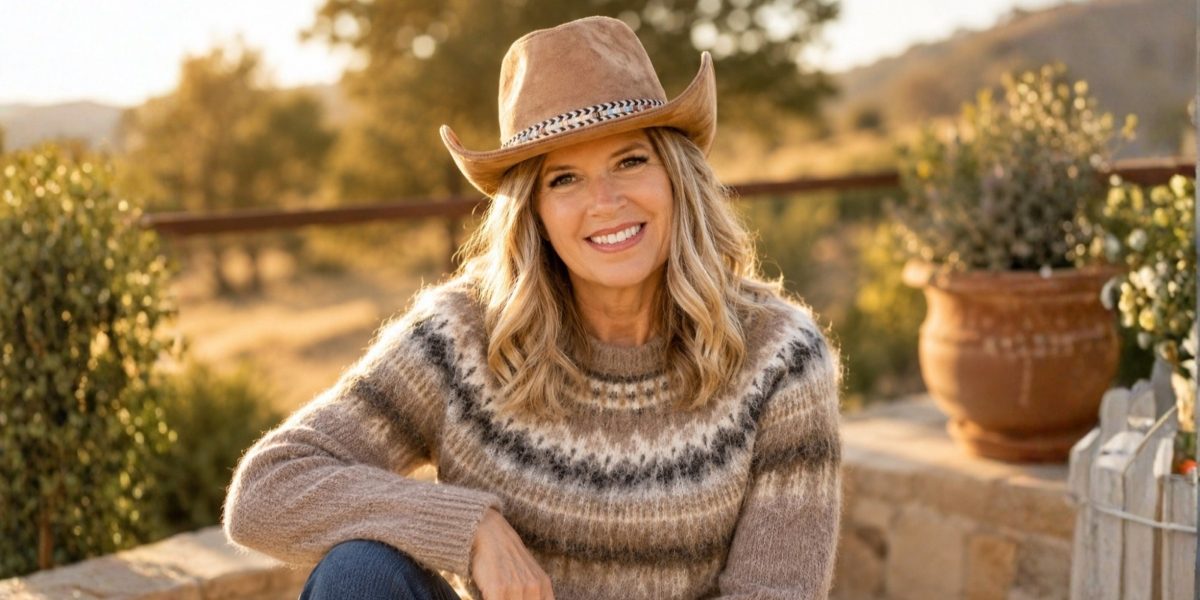

By: Mariah Dean
For many people, independence is considered a sign of confidence, resilience and emotional maturity.
But according to transformational mentor Christine Dickson, creator of the Path to Freedom Method™, extreme independence can sometimes signal something very different.
Through her work with adults recovering from toxic family dynamics and unhealthy relationship patterns, Dickson has observed that many people who pride themselves on never needing help are actually operating from survival strategies they learned much earlier in life.
In this conversation, Dickson explains why hyper independence often develops, how it affects relationships and why true strength may look different than most people think.
Q: What is hyper independence?
Christine Dickson: Most people don’t walk around describing themselves as hyper independent. They usually see themselves as capable, responsible or simply someone who gets things done.
In fact, many of the people I work with are incredibly successful by most standards. They’re the person everyone calls when there’s a problem. They’re dependable, resourceful and often carrying far more than anyone realizes.
The question I became curious about isn’t whether someone is independent. Independence itself isn’t the problem. The question is whether that independence comes from genuine confidence or whether it developed because, at some point, depending on other people stopped feeling safe.
When independence becomes the only option someone trusts, it can start to feel less like freedom and more like a burden.
Q: Why do you believe hyper independence is often connected to trauma?
Christine Dickson: Most people don’t consciously decide never to ask for help again.
Usually, there’s a story underneath it.
Maybe they grew up in a home where support was inconsistent. Maybe they learned that vulnerability was met with criticism, disappointment or rejection. Maybe they found themselves in situations where they had to grow up quickly and take on responsibility long before they should have.
At some point, the nervous system adapts and starts making decisions designed to keep us safe. One of those decisions can sound something like, “I’ll handle it myself because that’s easier than being let down.”
The challenge is that survival strategies don’t automatically disappear when the circumstances change. People often continue to carry them into adulthood, long after the original danger is gone.
Q: How does this show up in adulthood?
Christine Dickson: Sometimes it looks exactly like what society celebrates.
The person who never asks for help. The employee who takes on everything. The friend who is always supporting everyone else. The partner who struggles to receive care but gives endlessly.
From the outside, it can look like confidence and competence. Underneath, many people are carrying far more than anyone realizes and are often exhausted by the weight of it.
They’ve become so accustomed to carrying everything alone that they don’t even realize support is available. And even when it is, receiving it can feel surprisingly uncomfortable.
That’s often the moment when people begin to recognize that what they’ve called strength may actually be self-protection.
Q: Why do people often mistake hyper independence for confidence?
Christine Dickson: Because the two can look very similar from the outside.
Both confident people and hyper-independent people appear self-sufficient. Both can make decisions and navigate challenges. Both often seem strong.
The difference is what happens when support becomes available.
Someone operating from confidence can accept help without feeling diminished by it. They don’t need to prove they can do everything alone.
Someone operating from a survival response often feels uncomfortable receiving support because needing someone else feels vulnerable.
That’s why I don’t think hyper independence is really about strength. More often, it’s about protection.
Q: What impact can hyper independence have on relationships?
Christine Dickson: One of the things I see most often is that people genuinely want connection but have a difficult time allowing it.
They tell themselves they want a partner, deeper friendships or more support, but they’ve spent years becoming so self-reliant that receiving care feels unfamiliar.
Sometimes they push people away without realizing it. Sometimes, they become frustrated that nobody helps while simultaneously making it very difficult for anyone to step in.
It creates a painful cycle because the very strategy that once helped them survive can eventually become the thing that keeps them feeling alone.
Q: What does healthy independence actually look like?
Christine Dickson: Healthy independence isn’t about needing anybody.
It’s about knowing you can take care of yourself while also allowing yourself to be supported.
I think one of the biggest misconceptions in personal growth is that strength means needing less from other people. In reality, some of the strongest people I know have learned how to stay connected to themselves while also remaining open to connection with others.
They can ask for help when they need it. They can receive support without feeling weak. They can trust themselves without shutting everyone else out.
That’s very different from hyper independence.
Human beings were never meant to navigate life entirely alone. Healthy relationships aren’t a threat to self-trust. They’re often one of the places where self-trust grows the most.
To learn more about Christine Dickson and the Path to Freedom Method™, visit https://christinedicksonmentor.com.