New York Couples Are Paying More Than Anyone Else to Say “I Do”

The Most Expensive Wedding Market in the Country

If you are planning a wedding in New York City this year, brace yourself. A new report has confirmed what most local couples already suspect in their bones: there is no more expensive place in the country to get married than right here.

The data comes from Giggster’s new wedding pricing study, which analyzed 148 cities across all 50 states using 19 wedding-related cost metrics. New York landed at the very top of the list, edging out Miami and Honolulu for the title of most expensive wedding market in the country.

What Guests and Couples Are Actually Paying

The numbers tell an unsurprising but still sobering story. Guests attending a New York wedding can expect to spend about $124 over the course of the weekend on dining, drinks, and getting around town, well above the national city average of $81. That figure covers the basics: a casual meal, half of a mid-range dinner for two, a beer, a bit of wine, and a short cab ride. For out-of-town guests adding hotel costs on top, the real weekend total climbs quickly.

Receptions are not cheap either. New York ranks among the priciest cities in the country for venue rental, catering, and bar service combined, trailing only Salem, Oregon, Salt Lake City, and Providence for the single most expensive reception costs nationwide. Couples here are paying roughly two and a half times the national reception average just to host the party itself.

It is not only the reception driving costs up. Across the broader Northeast, vendor services such as florists, photographers, videographers, and hair and makeup artists also run higher than almost anywhere else in the country. The region as a whole posted the highest average vendor costs nationally, and New York’s market reflects that pressure clearly.

Why New York Stays at the Top

So why does New York consistently land at the top of lists like this? Part of it comes down to simple supply and demand. Venues with any kind of skyline view or architectural pedigree can charge a premium, and there is no shortage of couples willing to pay it.

There is also a cultural piece to the story. A New York wedding often comes with expectations attached, whether that means a certain kind of venue, a certain caliber of photographer, or simply a guest list large enough to fill a room in one of the city’s five boroughs. Meeting those expectations costs money, and the data suggests couples here are willing to spend it.

That said, the city’s wedding economy is not monolithic. Couples willing to get creative with timing, such as booking a weekday ceremony or planning during the off-season winter months, can sidestep some of the premium pricing that comes with a Saturday night reception.

How New York Compares Nationally

For couples elsewhere in the country, the report offers a useful point of comparison. Arkansas ranked as the most affordable state overall, with total wedding costs running roughly seven times lower than Hawaii, the most expensive state nationally. Cities like Tulsa and Milwaukee posted similarly modest numbers. The gap between the cheapest and most expensive markets in America has rarely been more visible than it is in this year’s data.

Venue and reception costs remain the single biggest driver of wedding expenses almost everywhere, accounting for the largest share of the overall cost index in 48 of the 50 states analyzed. New York is no exception. Anyone budgeting for a wedding here should expect the venue and reception line item to eat up the largest portion of the budget by a wide margin, with vendor services as a close second.

That pattern lines up with broader industry tracking too. The Knot’s annual Real Weddings Study has similarly found that venue and catering consistently make up the largest single share of a couple’s budget nationwide, regardless of region, which suggests New York’s cost structure is an intensified version of a pattern that holds almost everywhere.

The Bottom Line

None of this is likely to change anyone’s wedding date. New York will keep hosting tens of thousands of weddings a year regardless of the price tag, and couples will keep finding ways to make the math work. But for anyone currently building a budget spreadsheet and wondering why the numbers keep climbing, the data offers a clear answer. This is simply what it costs to get married in the most expensive wedding market in America.

It also helps to see New York’s numbers next to the rest of the country. The national average for a wedding reception sits around $4,180, meaning New York couples are often paying more than double that figure before a single vendor invoice arrives. Vendor services nationally average around $10,400, and while New York does not top that specific category outright, the broader Northeast region does, which puts upward pressure on every local vendor quote from photographers to florists.

There is also a planning lesson buried in the methodology. Venue and reception costs act as the single largest driver of overall wedding expenses in nearly every state, New York included. That means couples chasing savings often look first at trimming the guest list or simplifying the flowers, when the bigger opportunity usually sits with the venue itself. A slightly smaller space, a Friday date instead of a Saturday, or a winter wedding instead of a June one can shift the math more than almost any other single decision.

For a city that hosts weddings spanning every budget imaginable, from courthouse ceremonies to six-figure receptions overlooking the skyline, this report is a useful reminder that the averages only tell part of the story. But for couples trying to plan with real numbers in front of them, New York’s position at the very top of the national index is about as clear a data point as it gets.

Apps Have Spent a Decade Getting Smarter. It Is Only Now They Are Learning to Be Human.

App technology has spent the last decade chasing more. More features. More dashboards. More integrations. More complexity layered on top of complexity until the tools people rely on every day began to feel less like solutions and more like obligations. Software became capable of almost anything, and somewhere in that process, it forgot to ask whether any of it was actually making people’s lives easier.

In 2026, that dynamic has already shifted. Not because the industry has suddenly become modest about what technology can do, but because the evidence has become hard to ignore. Users are not abandoning products because they lack features. They are abandoning them because the features they have do not translate into experiences worth staying for. The market is beginning to reflect that, and the product teams paying attention are already building differently.

The conversation inside technology is moving away from feature lists and toward something that has always been harder to quantify, which is whether a product actually understands the person using it. The next generation of platforms will not win on capability alone. They will win because they were built with a clearer sense of what people actually need and a stronger commitment to delivering it without making the experience feel like work.

The Human Side of Innovation

Artificial intelligence has changed what is possible in consumer software at a pace that was difficult to predict even five years ago. But the technology itself has never been the whole story. The companies applying it most effectively are not necessarily those with the largest models or the most compute. They are the ones asking better questions at the product level, not what else can be added, but what actually matters, and how to build something people will still be using two years after they download it.

That line of thinking is gaining traction among founders and engineers who have watched a generation of well-funded, feature-rich products fail to hold an audience. The pattern is consistent. A product launches with momentum, earns early attention, and then loses users not because it stopped working but because it stopped feeling relevant to the people it was built for. The solution is not always a new feature. Sometimes it is a more honest accounting of what the product is actually trying to do.

The most durable products of this time will be the ones built around a specific human behavior, understood at depth, and served with enough discipline that the experience becomes genuinely hard to replace. That is a harder brief than it sounds, and it requires development partners capable of meeting it.

Photo Courtesy: Appsters (A new platform in development at Appsters, built around a founding philosophy that puts human experience before feature count.)

The Best Products Begin With Conversations

Some ideas begin with whiteboards. Others begin with code. The ones that tend to last usually begin with a conversation that keeps returning to the same point until everyone in the room understands what the product is really trying to solve.

During early discussions around one of Appsters’ newest initiatives, entrepreneur Errick Ford returned repeatedly to a single idea: “Monday is a bridge between who you are today and who you’ll need tomorrow.” It is a simple line, but it carries a clear philosophy. The goal was not to replace people or add another piece of software to an already crowded stack. The vision was to build something that fits into a person’s life without demanding that they rearrange it first.

That kind of coherence at the concept stage is rarer than it should be, and it matters more than most product teams acknowledge. The decisions made in those early conversations determine what the architecture has to support, what the user experience has to feel like, and what success actually means once the product is in the hands of real people. Getting those conversations right is, in many ways, where the build begins.

Translating that vision into a production-ready platform is the work of Ali, Head of Development at Appsters, who is leading the technical roadmap for the project. Ali’s role is to close the distance between an ambitious product brief and the architecture required to deliver on it at scale, accounting not just for what the platform needs to do at launch but for what it will need to support as the user base grows and the product evolves.

Product Discipline Is Making a Comeback

For most of the previous decade, speed was the primary metric in software development. Ship fast, iterate faster, and let the data sort out the product decisions after the fact. That approach produced some successful companies and a considerably larger number of products that never found a sustainable audience, burned through development resources chasing fixes that should have been decisions, and eventually shut down, having never solved the problem they launched to address.

In 2026, a different approach is gaining ground. The studios and firms producing the most influential consumer software are the ones investing more time in architecture, user experience, and scalability before the product goes public, because they understand that a platform is remembered not by how loudly it launches but by how consistently it delivers after the launch attention fades.

This is the environment in which Appsters operates, and the dynamic is reflected in how every project is structured. Builds are designed to support the product at scale, not just at launch. Code ownership transfers entirely to the client at handover, with no proprietary dependencies or licensing arrangements that create long-term leverage for the developer. The version of the product that exists three years from now is accounted for in the decisions being made today.

Photo Courtesy: Appsters (The next generation of consumer software will not be defined by what it can do. It will be defined by how well it understands the people using it.)

The Future of Technology Will Feel More Personal

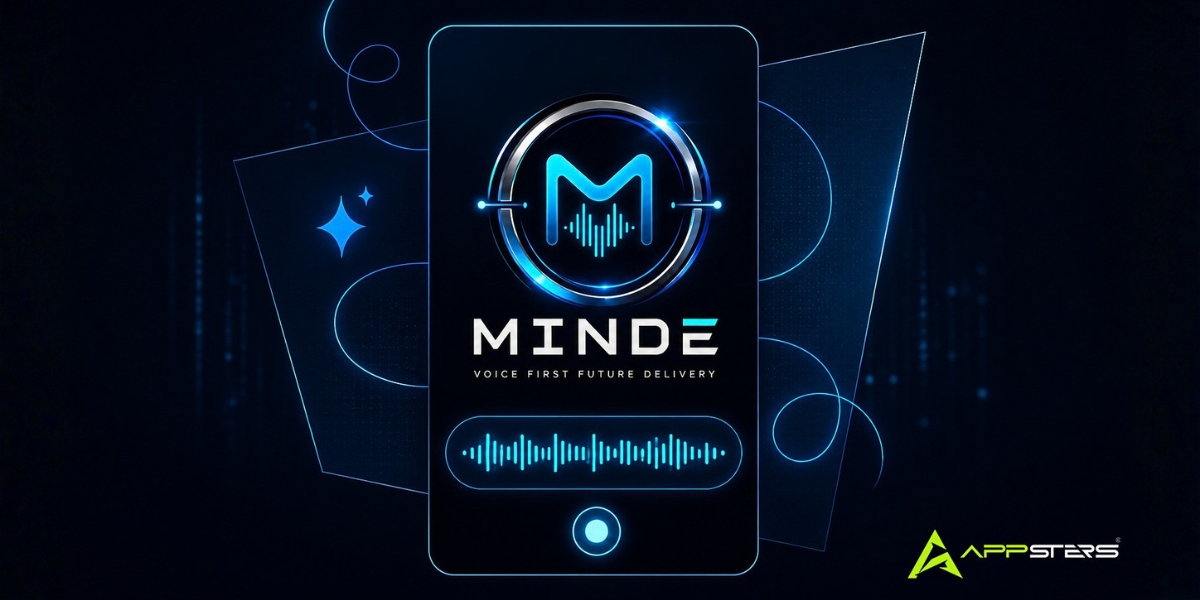
Among the platforms currently in active development at Appsters is Minde, a new product being created in collaboration with Errick Ford and engineered under the leadership of Ali and the Appsters development team. The details of the platform are not being shared publicly at this stage, in line with the pre-launch timeline and the team’s approach to protecting the product until it is ready to be seen on its own terms.

What can be confirmed is that the project is a direct expression of the conviction Ford articulated from the outset: a platform conceived around a precise human need, built with the architectural rigour that need demands, and engineered to sustain its audience through relevance rather than retention mechanics. The product will make its own case at launch. Until then, formal announcements are expected in the coming months as development progresses toward that milestone.

Building Through an Ecosystem, Not in Isolation

Appsters does not operate as a standalone app development studio. As a sister brand of Cobweb Games and Cloud Animations, the firm sits within a creative and technical ecosystem that spans mobile software engineering, interactive gaming, and motion design. That cross-disciplinary environment is not incidental to how Appsters builds. It is central to it.

Lessons from gaming inform how products are designed to retain engagement. Visual storytelling principles from animation shape how experiences are communicated before a user reads a single line of copy. And the engineering standards required to hold all of it together in a production environment are built into how the firm approaches every project from the first decision. For consumer-facing software, success is rarely determined by a single element. It is the sum of architectural decisions, design discipline, and user experience thinking applied together from the start.

As 2026 continues to redefine what people expect from technology in their lives, the companies best positioned to meet those expectations will be the ones that understand this. Building great software requires more than engineering. It requires the combination of design, psychology, and technical discipline working toward the same outcome.

With Errick Ford bringing the vision, Ali leading the technical execution, and the broader Appsters ecosystem providing the creative and engineering depth to build it properly, Minde is an early example of what that looks like in practice. The product details will follow. The foundation, however, is already in place.

OmaYe Is Building Momentum as Nigeria’s Next Afrobeats Breakout Artist

Some artists arrive with a hit song. Others arrive with a story that gives every lyric greater meaning. OmaYe belongs to the second category. The young Nigerian artist has already experienced challenges that would test many people twice his age, yet those experiences have become the foundation of a musical journey defined by resilience, determination, and unwavering belief.

Representing Abuja, OmaYe is steadily building a name for himself through a distinctive blend of Afrobeats, hip hop, and Amapiano influences. With a growing catalog, a rapidly expanding audience, and major projects on the horizon, he is positioning himself as one of the emerging voices to watch in Nigeria’s next generation of music.

Turning Adversity Into Motivation

Behind OmaYe’s music is a deeply personal story.

After losing his mother at a young age, he faced significant hardships that shaped his outlook on life. One of the defining moments of his early years came when he left home and completed an 85 mile journey to reunite with his grandmother in Abuja. Those experiences taught him resilience long before music became his profession.

Rather than allowing difficult circumstances to define him, OmaYe chose to channel them into creative expression. That perspective continues to influence his songwriting today, giving his music an emotional honesty that resonates with listeners.

Building a Sound That Reflects a New Generation

OmaYe’s music combines the rhythmic energy of Afrobeats with elements of hip hop and Amapiano, creating a sound that feels contemporary while remaining rooted in African musical traditions.

His songs balance melody with storytelling, allowing him to move naturally between reflective verses and memorable hooks. Instead of relying solely on commercial formulas, he focuses on writing music that reflects personal experiences, ambition, and growth.

That combination has helped him connect with audiences looking for music that carries both energy and substance.

Photo Courtesy: OmaYe

“Tell Them” Introduces His Artistic Vision

One of the clearest examples of OmaYe’s artistic direction is Tell Them, his first professionally recorded studio release.

The song serves as both an introduction and a statement of purpose. Built around themes of perseverance, confidence, and self belief, it reflects the mindset that has guided him throughout his journey.

Rather than seeking validation from others, OmaYe delivers the record with quiet confidence, encouraging listeners to trust their own path and continue working toward their goals regardless of outside opinions.

Musically, Tell Them blends clean Afrobeats production with subtle Amapiano textures, creating a vibrant sound that complements its uplifting message without overshadowing the lyrics.

Growing Momentum With “Seven P”

Following his early releases, OmaYe continued building momentum with Seven P, an Afrobeats record that has attracted significant attention across streaming platforms, radio, and clubs.

The song has accumulated well over a hundred thousand combined streams across Audiomack, Apple Music, and Spotify, introducing his music to a wider audience while reinforcing his reputation as one of Abuja’s promising young artists.

Its success reflects the steady growth of an artist focused on developing a sustainable career rather than chasing short term attention.

Collaborating With Industry Talent

Signed to Lucky Lisiano Records, OmaYe has continued expanding his experience by working alongside respected producers including PTD, Xavi, Choice D, MC Sameerah, and Strings2Mental.

He has also shared stages and studio sessions with artists such as Emir Makhanaki and Stardon Globe, while receiving support from influential DJs including DJ Ivan in Kenya and DJ Khalifa in Abuja.

These collaborations have helped strengthen both his artistic development and his growing presence within the African music scene.

Looking Ahead

Although still at the beginning of his career, OmaYe has ambitious plans for the future.

His debut album, Street Laws, is scheduled for release on July 24, 2026, representing the next major chapter in his artistic journey. The project is expected to further showcase his evolution as a songwriter while expanding the genre blending style that has become one of his defining characteristics.

As he continues to grow, OmaYe remains focused on creating music that reflects his experiences, connects with listeners, and contributes to the ongoing global rise of Afrobeats.

For an artist whose journey has already been defined by perseverance, every new release represents another step forward. His story is still being written, but the determination behind it is already clear.

Follow OmaYe’s journey:

TikTok: OmaYe Music –OmaYe on TikTok

Listen to “Seven P”: NotNoise –Stream Seven P on NotNoise

YouTube: OmaYe Music –OmaYe Music on YouTube

Instagram: @omayemusic17 –OmaYe on Instagram

HoneyBee Luxury on Pre-Owned Luxury and Why It’s a Smart Way to Shop Designer

Shopping for luxury designer goods isn’t limited to just flagship boutiques and department stores anymore. Today, more shoppers than ever are turning to pre-owned luxury, where they can find quality pieces, save money, and shop more sustainably.

This approach gives shoppers access to pieces that often feel out of reach at retail prices while also encouraging more intentional buying decisions. Factors such as authenticity guarantees, cost savings, and access to unique styles attract buyers to the pre-owned luxury market. As the market continues to grow, more people are realizing that buying pre-owned isn’t just practical, it also offers a more thoughtful, forward-looking way to approach personal style.

HoneyBee Luxury knows that pre-owned luxury appeals to both those seeking rare finds and those who want a more sustainable way to enjoy high-end fashion.

Exploring the Pre-Owned Luxury Market

Pre-owned luxury has carved out a significant space in the retail landscape, transforming how people approach designer shopping altogether. Instead of focusing only on retail stores, more shoppers now look to resale for both value and greater style distinction.

This goes well beyond handbags and watches. You’ll also find designer shoes, jewelry, and clothing pieces that don’t always show up in stores anymore, giving buyers more freedom to explore styles they might never find in traditional retail and often leading to unexpected discoveries along the way.

Cost Benefits and Value Retention

The price difference is immediately apparent when you compare new and pre-owned luxury items. Gently used pieces often sell for significantly less, making designer fashion more accessible without changing the quality of what you’re getting.

Some luxury items also hold their value surprisingly well over time. A classic handbag or a well-made watch doesn’t always lose value the way most consumer goods do. In some cases, those pieces even become more valuable, which is why some buyers view these purchases less as spending and more as owning something with long-term value.

Authenticity and Shopping with Confidence

Trust matters a lot in the pre-owned space, so reputable resellers put serious effort into authentication. Specialists inspect items closely, using both hands-on checks and technology to confirm authenticity before anything gets listed. Some platforms also use digital certificates or microchipping to add another layer of reassurance.

Buying from established resale platforms also helps reduce risk. Many offer return policies or guarantees, making it easier for buyers to shop with greater confidence and return for future purchases.

Environmental and Sustainability Advantages

Buying pre-owned luxury also helps extend the lifespan of well-crafted designer pieces. Instead of sitting unused, these pieces get a second life with new owners, reducing demand for new production and lowering overall environmental impact.

More shoppers are starting to consider the environmental impact of fashion, and pre-owned shopping fits that shift, especially for people who value longevity and quality over constantly chasing new trends. It also changes how people think about luxury itself, from something seasonal to something that can last and evolve over time.

Expanding Style Choices and Access to Rare Pieces

One of the most interesting parts of the pre-owned market is how often you come across pieces you simply can’t buy new anymore. Limited editions, discontinued styles, and older collections show up regularly, giving shoppers access to items with a bit of history behind them.

That variety makes it easier to build a wardrobe that feels personal instead of repetitive. Vintage pieces and rare finds often add character that’s hard to get from current retail collections, and that sense of discovery is part of what keeps people coming back.

Smart Strategies for Shopping Pre-Owned Designer Goods

A little research goes a long way when shopping pre-owned. Checking seller reviews, reading item descriptions carefully, and looking closely at photos all help reduce surprises down the line.

It also helps to understand return policies and authenticity guarantees before buying, since shoppers who take the time to review those details usually enjoy a smoother experience overall. Over time, many also stick with sellers they trust, making future purchases easier and often giving them early access to better finds.

DeMarcus Bumpers Is a Prominent Houstonian Recognized as a High Performing Tubi Actor and Producer

DeMarcus Bumpers has gained recognition as one of the top-performing male actors and producers on Tubi, a major milestone that reflects significant market visibility within the streaming film world and adds momentum to his ambitious independent career emerging out of Houston.

For Bumpers, the work is bigger than any single headline. It represents a turning point in a career built through risk, reinvention, and a steady stream of film work across acting, directing, and producing. His name is beginning to circulate more widely thanks to projects like No Negotiations and Secret Killer, along with a Rising Star of the Year nomination at the Influencer Magazine Awards 2026 that reflects his growing presence in the independent entertainment space.

Now based in Hollywood, Bumpers is no longer simply chasing a career in film. He is actively shaping one.

The Career Move That Changed Everything

Before DeMarcus Bumpers was building credits in film and streaming, he was living a very different professional life in Texas. A Houston native and Prairie View A&M University graduate, he had already built a strong foundation in the oil and gas industry and was on a stable, conventional career path.

Instead of staying on that path, he chose uncertainty.

Bumpers walked away from his corporate career and moved to Los Angeles to pursue acting full-time, a decision that immediately separated his story from the usual entertainment narrative. He did not come into Hollywood with the safety net of a side hobby or the intention of trying it casually. He made a full commitment to the work, understanding that the leap required more than talent. It required stamina, patience, and the willingness to start over in an industry that offers no guarantees.

That willingness to bet on himself is one of the clearest through-lines in his career. It is also part of why his current momentum feels earned.

Why the Tubi Recognition Matters

The Tubi milestone is not just a symbolic accomplishment. In today’s entertainment environment, streaming platforms have become one of the most important spaces for actors and producers building real audiences outside the traditional studio system. Recognition on a platform like Tubi points to visibility, consistency, and the ability to connect with viewers at scale.

For DeMarcus Bumpers, being one of the first African American male Houstonian top performing male Tubi actor is a marker of how quickly his profile has grown in that ecosystem. It reflects not only his on-screen work, but also his larger presence as a producer and creative force across multiple projects. He has generated millions in streams across digital platforms.

That distinction becomes even more meaningful when placed alongside his broader recognition within independent film, including his Rising Star of the Year nomination. Together, those milestones suggest that Bumpers is no longer operating as an actor trying to break in. He is increasingly being recognized as someone who is already breaking through.

“No Negotiations” Helped Expand His Reach

One of the clearest examples of that growth is No Negotiations, a crime thriller that became one of the most important titles in Bumpers’ recent career. The film brought him some of his widest attention to date and strengthened his standing as a multi-hyphenate creative in independent film.

No Negotiations was named the top-streamed crime thriller and also ranked among the Top 100 most-streamed films on Reveel TV, a level of platform traction that gave the project significance beyond its genre. For Bumpers, the film was important not only because of its streaming performance, but because it showed how his work could cut through in a crowded digital market.

It also reinforced the fact that he is not building his résumé through acting alone. Bumpers has been increasingly involved in the creative and producing side of projects, making No Negotiations a key part of his evolution from working actor to broader entertainment force.

How Secret Killer Added to His Momentum

Alongside No Negotiations, Secret Killer helped deepen Bumpers’ momentum as an on-screen performer. In careers like his, certain projects matter because they build familiarity with audiences and prove the momentum is not limited to one title. Secret Killer contributed by adding another visible credit during a period when his presence across streaming and indie film was accelerating.

Taken together, No Negotiations and Secret Killer helped define a chapter in which Bumpers’ name became more recognizable across multiple platforms. They also demonstrated his ability to stay active in a business where consistency is often one of the hardest things to maintain.

Photo Courtesy: DeMarcus Bumpers / Keith Lakean Powell

A Breakout Moment Is Still Ahead

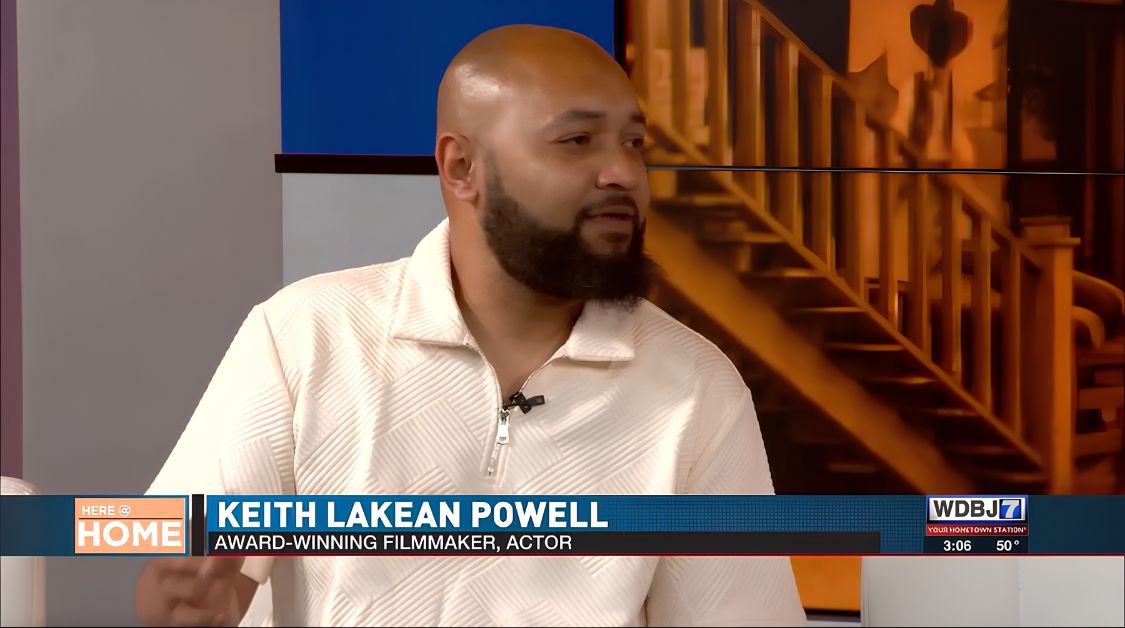
His next major role arrives in the film Paul Pry Trail, scheduled for release on September 16, 2026, his 41st birthday. On this project, DeMarcus Bumpers serves as both Lead Actor and Executive Producer. Directed by Keith Lakean Powell, a Virginia film native, the project was in development for two years. For the role, Bumpers gained weight to portray a depressed, grief-stricken alcoholic seeking revenge for the death of his detective partner from a previous film. The film will debut on Reveel TV before moving to several other streaming channels.

For actors trying to build longevity in Hollywood, that range matters. The ability to move between acting and producing can create a different kind of career trajectory, one built not just on getting cast, but on having influence over what gets made and how it reaches an audience.

Photo Courtesy: DeMarcus Bumpers

Family Legacy and a Bigger Standard to Live Up To

DeMarcus Bumpers’ story also carries a family legacy that he connects to figures in Black entertainment history. He has spoken about being part of a family line tied to important breakthroughs in film and music, and he has described that heritage as part of what raised the standard for what he expects from himself.

Bumpers is the eldest son of Dr. Dedrie Bumpers Francis and Lee Bumpers, an entrepreneur and retired law official. He has spoken about the importance of legacy, but he is not relying on family history to carry his career. If anything, that legacy seems to have raised the bar for his own ambitions. He has credited family mentorship with helping spearhead his career, adding a bridge between the entertainment world that came before him and the one he is now trying to build for himself.

Not Hiding the Goal

Bumpers has made it clear that he is not thinking small. He has set his sights on becoming a Houston actor who reaches the highest honors in the field, and every recent move in his career suggests he is approaching that goal with full seriousness.

There is a difference between having ambition and building toward it in a visible way. Bumpers appears to be doing the latter. He is stacking credits, growing his presence across platforms, taking on producing responsibilities, and using each project as another step toward a much bigger long-term position in the industry.

Moving Beyond the Emerging Label

At a certain point, an actor stops being described only as up and coming and starts being viewed as someone with real traction. DeMarcus Bumpers seems to be approaching that shift.

His streaming visibility gives his momentum a measurable public footprint. The Rising Star nomination signals industry attention. No Negotiations and Secret Killer show that his presence is tied to actual projects, not just aspiration. And the upcoming September 2026 release could become the role that pushes him into an even bigger conversation.

For now, Bumpers is still in the building phase of his Hollywood story. But he is building it with unusual speed, a strong sense of ownership, and a résumé that keeps expanding. With Houston roots behind him, a family legacy around him, and bigger goals still in front of him, DeMarcus Bumpers is making it increasingly difficult for the industry to ignore what comes next.

Why New York’s Everyday Carry Keeps Getting Smaller

Walk down any street in Manhattan and you’ll notice a pattern. We all carry less than we used to. Bulky wallets have become slim cardholders. Headphones disappeared into tiny earbuds. Keys turned into small fobs or apps on our phones. Even laptops are getting thinner. As the things we carry keep shrinking, the old bulky reusable tote feels more and more out of place.

The list of things New Yorkers carry every day has been shrinking for years, and it shows no signs of slowing down. Even the spare bag, once a folded canvas tote that took up half a backpack, has gotten smaller. That’s where a brand like Nanobag fits in.

What Nanobag Makes

Nanobag is a brand of ultralight, pocket-sized reusable bags. Each one is made from a custom diamond ripstop nylon, folds down into a tiny pouch, and can carry up to 66 lb. The idea is simple: a bag that’s there when you need it, out of the way when you don’t, and strong enough to handle whatever you throw at it. There are six styles in the lineup, each one shaped for a different kind of day.

About the Brand

Nanobag was started by Ursus Negenborn and Rune Kippervik, who set out to make a reusable bag that people would actually carry every day. Their first production run was funded on Kickstarter and Indiegogo, where backers put up more than $2 million combined. Since then, the brand has shipped to more than 200,000 customers around the world, which is a strong sign that the design works in real life.

The full reusable shopping bag collection is built around one simple test. A bag should be light enough to forget you’re carrying it, strong enough to handle real loads, and small enough that you actually have it with you when you need it. Every style in the lineup is built to pass that test in its own way.

Reviews consistently highlight how light the bags feel, how often they end up getting used, and how well they hold up over time. The company also plants a tree through its Eden People + Planet partnership for every bag sold.

The Pocket-Sized Tote

This is where the modern everyday carry bag earns its place. The Nanobag Micro is a good example. It holds 12 liters, folds down to the size of a lip balm, and weighs just 0.80 oz. You can drop it into a jacket pocket and forget it’s there until you need it. When you do need it, it opens up into a soft, small-sized tote that handles groceries, gym clothes, or whatever the day throws at you.

When You Need More Room

Some days call for a bit more capacity. A market run on Saturday, a quick grocery stop after work. The Nanobag Standard and Sling both hold 19 liters and weigh 0.90 oz each. Both pack down into pouches about the size of a chapstick.

The Sling is a crossbody style, which is nice when you’re walking long blocks or riding the subway with a coffee in your hand. The Standard is a classic tote shape that works well for grocery runs and short errands.

For Even Bigger Days

Some errands need more than a tote can hold. A bulk grocery trip, a laundromat run, a beach day at Rockaway that turns into a haul of towels and snacks. The Nanobag XL holds 25 liters and still weighs barely over an ounce. It’s a good pick when you know you’ll be carrying more than usual.

The Backpacks That Lives in Your Jacket Pocket

For days when you’d rather have your hands free, the Pack is a 14L drawstring backpack at 0.95 oz, while the Nanobag Daypack rounds out the lineup with a 16L zippered backpack that weighs 1.15 oz. It has proper shoulder straps and a smooth YKK zipper, so it works like a normal backpack once it’s open. Folded, it fits in a jacket pocket. It’s a good choice for travel, museum days, or the morning you decide to walk from the West Village to the Met just because the weather is nice.

One detail that’s easy to miss: there’s no folding routine to learn. You just stuff the bag back into its small pouch and it goes back to a clean shape, ready for next time.

The Bigger Picture

What New Yorkers carry every day says a lot about how the city works. Space is expensive and people are always moving. You walk, you sit, you ride, you walk again. Anything you carry has to earn its place across all of that. The things that last are the ones that stay out of the way until you need them.

That’s the idea behind the full Nanobag lineup. Six styles built around one simple goal: a bag that’s there when you need it and out of the way when you don’t. They’re light, they’re well-made, and they hold up beautifully to everyday city use.

Banman Is Emerging as a Voice of Honesty in Independent Hip Hop

In an era where music often competes for attention through trends and viral moments, Banman is taking a different approach. The Hamilton, Ontario artist is building his career on something far more personal: honesty. Every song he writes reflects real experiences, allowing listeners to connect with stories of resilience, personal growth, and determination rather than carefully crafted personas.

As a songwriter and recording artist, Banman has developed a style that blends introspective lyricism with modern hip hop production, creating music that feels both relatable and deeply personal. His debut EP, Ups & Downs, introduces audiences to an artist who is unafraid to explore life’s challenges while highlighting the strength that can emerge from overcoming them.

A Voice Shaped by Real Life

Banman’s passion for music has been years in the making. Growing up in Hamilton, Ontario, Canada, he discovered that songwriting gave him an outlet to process experiences and communicate emotions that could not always be expressed through conversation alone.

Instead of writing from imagination, Banman draws inspiration from his own life. His lyrics explore perseverance, setbacks, recovery, and hope, offering listeners an authentic perspective that reflects the realities many people quietly face.

That commitment to authenticity has become one of the defining qualities of his music.

An Artist Inspired by Meaningful Storytelling

Banman credits influential artists including Eminem, Dr. Dre, and Dax for helping shape his creative direction. What drew him to these artists was not simply their commercial success, but their ability to transform personal experiences into compelling music.

That influence can be heard throughout Banman’s songwriting. His focus remains on creating songs with substance, allowing each lyric to contribute to a larger story rather than simply filling space between hooks.

The result is music that encourages listeners to reflect while remaining engaging and accessible.

“Ups & Downs” Reflects Every Side of the Journey

Rather than presenting disconnected singles, Banman approached Ups & Downs as a complete listening experience.

The six track project explores both optimism and adversity, balancing energetic records with more reflective moments that examine life’s emotional complexity. Each song contributes to a larger narrative, encouraging audiences to experience the EP from beginning to end.

By allowing both difficult and hopeful moments to coexist, Banman creates a project that feels genuine and emotionally balanced.

Persistence Behind the Music

One of the stories that best represents Banman’s determination surrounds the song Back Up.

Originally written years earlier, the track remained unfinished after its lyrics were misplaced. During one of the most difficult periods of his life, Banman eventually recovered those missing lyrics and completed the song, transforming what could have been a forgotten idea into one of the most meaningful pieces in his catalog.

The experience reinforced an important lesson that continues to shape his career: persistence often matters just as much as talent.

Growing Recognition as an Independent Artist

Banman’s dedication to authentic storytelling has begun attracting attention within the independent hip hop community.

His song Didn’t See Me Coming earned recognition from respected hip hop platform The Word Is Bond, while local radio station 93.3 CFMU has introduced his music to listeners throughout Hamilton, Ontario, Canada. His work has also reached international audiences through features in publications outside Canada, demonstrating that honest storytelling can resonate regardless of geography.

These milestones represent steady progress for an artist focused on building a lasting career rather than chasing short term attention.

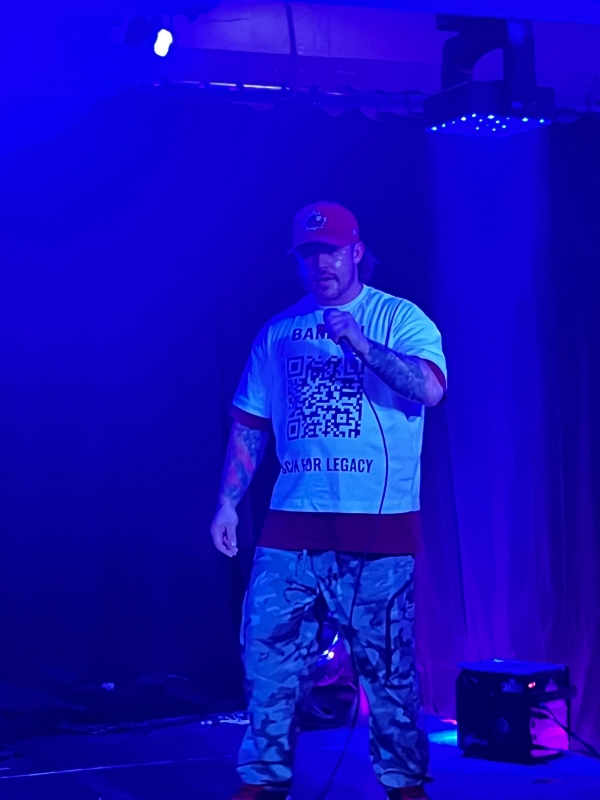
Photo Courtesy: Banman

A New Chapter: Legacy

Banman continues his journey of emotional honesty with his most recent project, Legacy. This project further cements his reputation for substance-driven hip hop, offering a deep dive into the themes of endurance and the lasting impact of one’s personal narrative. You can listen to the full album on Spotify here: https://open.spotify.com/album/2wKv7DdbypCIg8IXAbK9m1.

Looking Ahead

While Ups & Downs introduced listeners to Banman’s artistic voice, he views it as only the beginning.

His next project has already been written, reflecting his continued commitment to creating meaningful music that connects with people through shared experiences and emotional honesty. Alongside future releases, he hopes to bring his music to live audiences, creating opportunities for listeners to experience his storytelling beyond recorded tracks.

As his catalog continues to grow, Banman remains committed to writing music with purpose. Instead of following trends, he continues to invest in authenticity, believing that genuine stories will always find an audience.

For Jordan Banman, music is more than entertainment. It is a way to connect, inspire reflection, and remind listeners that even life’s most difficult experiences can become part of a much larger journey forward.

Follow him on Instagram – https://www.instagram.com/jordan_banman/

Marisa K Conway Is Helping People Rediscover Themselves Through Resilience Coaching

By: Aman Jalan

Resilience is often described as the ability to overcome life’s challenges, but Marisa K Conway believes the conversation should go much deeper. After spending more than a decade as an emergency-trained registered nurse, she discovered that the most lasting effects of hardship are not always physical or even emotional. In many cases, they shape the way people understand themselves.

Today, as the founder of Presence & Persistence Life Coaching, Marisa helps individuals navigate difficult life transitions by focusing on identity, self-trust, and the long-term impact of prolonged adversity. Her approach is grounded in years of clinical experience and a belief that people should never be defined by the most difficult chapter of their lives.

From Emergency Nursing to Life Coaching

Before becoming a resilience coach, Marisa worked in emergency medicine, where every shift meant caring for people experiencing crisis, trauma, grief, or uncertainty.

Those years taught her an important lesson that continues to shape her work today. Every person has a story that extends far beyond the moment in which they are first encountered.

Instead of judging people by their circumstances, emergency care requires understanding what led them there. That perspective became one of the cornerstones of Marisa K Conway’s coaching philosophy and continues to influence the conversations she has with clients today.

Why Long-Term Stress Changes Self-Perception

While working with individuals rebuilding their lives after burnout, family conflict, caregiving responsibilities, divorce, or other major life challenges, Marisa noticed something that appeared repeatedly.

Many people were not only exhausted. They no longer recognized themselves.

Over time, she realized that prolonged adversity often changes how people interpret their own thoughts, emotions, and behaviors. Rather than viewing these changes as temporary responses to difficult circumstances, many begin to believe they have permanently changed as individuals.

This observation eventually became the basis for what Marisa refers to as the Misinterpretation Loop.

Understanding the Misinterpretation Loop

According to Marisa K Conway, prolonged stress naturally changes the way people respond to the world around them.

Someone living through months or years of conflict may become more cautious, emotionally reactive, withdrawn, or uncertain. These responses are often healthy survival strategies during challenging periods.

Problems arise when those temporary adaptations become mistaken for permanent personality traits.

People begin asking themselves questions that can be deeply unsettling.

Have I always been this way?

What happened to the person I used to be?

Is something wrong with me?

Marisa K Conway believes these questions often reflect the weight of prolonged adversity rather than a permanent change in character.

Photo Courtesy: Marisa K Conway

Looking Beyond Surface Level Judgments

One of the strongest messages in Conway’s work is the importance of understanding context before forming conclusions.

Modern society often encourages quick judgments based on isolated moments without considering the circumstances surrounding a person’s behavior.

Her experience suggests that people are far more complex than a single event, conversation, or difficult season of life.

Recognizing this creates greater empathy while allowing individuals to separate who they are from what they have experienced.

Helping Clients Rebuild Confidence

Through Presence & Persistence Life Coaching, Marisa works with individuals seeking to reconnect with themselves after prolonged periods of stress.

Rather than focusing only on managing symptoms, her coaching encourages clients to rebuild confidence, strengthen self-trust, and rediscover the values that shaped them before adversity became the center of their lives.

This approach is particularly relevant for people facing high-conflict relationships, family estrangement, caregiving, parental alienation, workplace burnout, and other situations where identity gradually becomes overshadowed by ongoing stress.

A Different Perspective on Resilience

Marisa K Conway believes resilience is not about pretending painful experiences never happened.

Instead, it involves understanding that difficult circumstances can influence thoughts, emotions, and behaviors without changing the person’s core identity.

That distinction offers hope for individuals who feel disconnected from themselves after years of hardship.

Recovery becomes less about becoming someone new and more about rediscovering the person who was there all along.

Continuing a Mission of Compassion

Marisa K Conway’s journey from emergency nursing to resilience coaching has given her a unique perspective on human behavior.

Her work encourages people to replace judgment with curiosity and to ask what someone has experienced before deciding who they are.

By helping clients understand the relationship between adversity and identity, she continues to promote a more compassionate approach to healing, personal growth, and resilience.

Learn more about Marisa K Conway and her work at Presence & Persistence Life Coaching.

Tetiana Shepitko: How International Business, Entrepreneurship, and Philanthropy Led to the Study of Human Potential

By BNDS Media

In a world where technology evolves faster than people can adapt to change, those who help others find inner stability, maintain clarity of mind, and build lives aligned with their values have become increasingly valuable. Tetiana Shepitko is one of those individuals, a businesswoman, human potential researcher, coach, mentor, and creator of educational programs designed to help people transform their lives through work on the levels of the body, psychology, and personal development.

Her journey combines an international business career, entrepreneurship, philanthropic work in Ukraine, personal losses, immigration to the United States, and years of studying coaching, quantum psychology, neuroscience, and breathwork. Together, these experiences shaped the unique approach that defines her work today.

A Career in International Business and People Management

Tetiana’s professional path began in the fields of human resources and organizational development. For more than a decade, she worked in an international B2B company, eventually advancing to the position of HR Director for a group of companies.

During this period, she was responsible for building teams, developing corporate culture and employee motivation systems, transforming business processes, and attracting top talent. Working closely with executives, entrepreneurs, and teams gave her a deep understanding of a fundamental principle: business performance and life outcomes are directly influenced by people’s mindset, internal beliefs, motivations, and emotional state.

It was during these years that her interest in human potential, psychology, motivation, and the internal factors shaping decision-making and personal fulfillment began to grow.

Entrepreneurship and Business Experience

Alongside her corporate career, Tetiana developed and managed her own business ventures. Entrepreneurship became an important school of leadership, responsibility, and strategic thinking.

Her work in the gift etiquette industry, serving both individual and corporate clients, allowed her not only to build systems and teams but also to personally experience the challenges faced by business owners: uncertainty, scaling, change management, and the search for balance between professional success and personal well-being.

This experience enables her today to deeply understand the needs of entrepreneurs, experts, and leaders who seek sustainable success without burnout or the loss of their inner foundation.

Philanthropy and Service to Others

Philanthropy occupies a special place in Tetiana’s life and professional journey.

Following the outbreak of the full-scale war in Ukraine, she became actively involved in humanitarian initiatives and support programs for Ukrainians affected by the crisis. Her participation in charitable projects reinforced one of her core beliefs: meaningful growth is impossible without contributing to the lives of others and serving the broader community.

Together with the team of the Help People Foundation, she participated in evacuation efforts, humanitarian aid projects, and educational initiatives for individuals who had lost their homes, jobs, or loved ones.

These experiences deepened her understanding of human resilience, the value of life, and the strength that communities can create during times of profound adversity.

Immigration to the United States and a New Chapter of Growth

Moving to California more than two years ago became a transformative milestone in both Tetiana’s personal and professional life.

Living in Silicon Valley, one of the world’s most innovative regions, gave her the opportunity to observe an environment where future technologies are created, startups are launched, and leading entrepreneurs, investors, and artificial intelligence experts shape the next generation of innovation.

Coaching, Mentorship, and the Study of Quality of Life

Today, Tetiana Shepitko works as a coach, mentor, and researcher of human state and quality of life.

Having worked with hundreds of clients, she supports entrepreneurs, executives, experts, and women through periods of change, business growth, and personal transformation.

Her integrative approach is designed to unlock human potential through work with mindset, the nervous system, emotional maturity, internal strategies, and overall well-being. In her view, a person’s state serves as the foundation for decision-making, relationships, achievement, and quality of life.

Tetiana believes that external results are always a reflection of an individual’s internal state. This philosophy is why her work combines modern coaching methodologies, psychological approaches, mindfulness practices, and tools for holistic personal development.

Photo Courtesy: Iryna Rakivnenko

Breathwork as a Tool for Transformation

An important part of Tetiana’s work is dedicated to breathwork.

For more than eight years, she has studied the impact of breathing on the nervous system, emotional well-being, and overall quality of life. Within her programs, she utilizes various conscious breathing techniques as tools for stress management, restoring energy, improving focus, and developing emotional resilience.

For Tetiana, breathwork is more than a practice, it is one of the most effective ways for people to reconnect with themselves and return to their inner center.

Signature Programs and Educational Initiatives

Over the years, Tetiana Shepitko has developed a number of proprietary programs focused on human potential, inner transformation, and quality of life.

Among her most recognized initiatives is Quantum Energy, a program that integrates mindset work, self-awareness, personal energy management, and transformational practices. Another significant project is Power of Lineage, which explores family systems, inherited behavioral patterns, and their influence on life choices, relationships, financial well-being, and self-realization.

Years of work in these areas eventually became the foundation for her newest initiative, Santa Bay, a community and development platform designed to help modern women create a higher quality of life.

Santa Bay brings together women who seek to build their lives consciously, strengthen their inner foundation, improve relationships, realize their potential, and cultivate meaningful connections. The project combines education, mentorship, practical tools, live interaction, and community support.

Looking Ahead

Today, Tetiana Shepitko continues to explore human potential and quality of life at the intersection of business, psychology, coaching, neuroscience, and mindfulness practices.

Her work reflects one of the defining aspirations of modern society: people increasingly seek not only to achieve their goals but also to live in alignment with themselves, their values, and their authentic aspirations.

Tetiana Shepitko’s story demonstrates how experience in international business, entrepreneurship, philanthropy, immigration, and the study of human nature can evolve into a life’s mission, one dedicated to helping people unlock their potential, develop inner resilience, and create a new quality of life.

What Sets The Barry Law Firm Apart in Today’s Legal Industry

Choosing a law firm is one of the most important decisions a person can make when facing a legal challenge. Whether the issue involves a personal injury claim, a business dispute, civil litigation, or another complex legal matter, the quality of legal representation often plays a major role in the outcome. For many prospective clients researching legal options, the search begins with a simple question. What makes a law firm trustworthy, effective, and capable of delivering results?

When people search for information about The Barry Law Firm, they are typically looking for more than a list of services. They want insight into the firm’s reputation, approach to client service, legal experience, and commitment to achieving favorable outcomes. Understanding these factors helps potential clients make informed decisions when selecting legal counsel and evaluating their available options.

Why Reputation Matters When Evaluating The Barry Law Firm

A law firm’s reputation is often built over years of client service, courtroom experience, and professional conduct. Strong reputations are not created through advertising alone. They are developed through successful case management, ethical representation, and a consistent commitment to client interests. For prospective clients, reputation serves as an early indicator of what they can expect during the legal process.

Learn About The Barry Law Firm is often associated with qualities that clients value when seeking legal representation, including responsiveness, professionalism, and attention to detail. While every legal matter is different, a firm’s reputation can provide insight into how attorneys communicate, prepare cases, and advocate on behalf of clients facing difficult circumstances.

The Client-First Philosophy Behind Effective Legal Representation

One characteristic frequently associated with successful law firms is a client-focused approach. Legal disputes can be stressful, expensive, and emotionally demanding. Clients want attorneys who listen carefully, explain legal options clearly, and develop strategies tailored to specific circumstances rather than relying on generic solutions.

The Barry Law Firm reflects the broader industry trend toward personalized legal representation. Instead of treating cases as routine files, experienced attorneys often invest significant time in understanding client goals, reviewing evidence, and identifying potential risks. This level of attention helps create legal strategies that align with both immediate concerns and long-term objectives.

Legal Services That Address Diverse Client Needs

Modern legal practices frequently assist clients with a wide range of matters, including civil litigation, personal injury claims, business disputes, insurance conflicts, contract disagreements, and regulatory issues. The ability to provide comprehensive legal services allows firms to support clients through various stages of legal and financial challenges.

Clients increasingly seek law firms capable of handling interconnected legal issues. For example, a business owner involved in a contract dispute may also require risk management guidance, compliance advice, and litigation support. Firms that offer broad legal experience can often provide more efficient solutions while maintaining consistency throughout the representation process.

The Importance of Case Preparation and Legal Strategy

Successful legal outcomes rarely happen by chance. Behind every favorable settlement or courtroom victory is a significant amount of preparation. Attorneys must review documents, analyze evidence, identify legal precedents, interview witnesses, and anticipate arguments from opposing counsel.

The Barry Law Firm’s approach to legal strategy reflects an important principle in modern litigation. Strong preparation creates stronger positions. Well-prepared cases often place attorneys in stronger negotiating positions and improve their ability to respond effectively when disputes proceed to trial. Thorough preparation also helps clients understand realistic expectations regarding timelines, risks, and potential outcomes.

How Strong Communication Improves Client Outcomes

Communication remains one of the most overlooked aspects of legal representation. Clients frequently report frustration when they feel uninformed about case developments or uncertain about legal procedures. Effective communication helps reduce anxiety while strengthening the attorney-client relationship.

The Barry Law Firm demonstrates the value of transparency in legal practice. Clients who receive regular updates and honest assessments are often better equipped to make informed decisions regarding settlements, litigation strategies, and future legal actions. Strong communication also promotes trust, which is essential during complex legal matters.

What Prospective Clients Should Look for Before Hiring a Law Firm

Selecting legal counsel involves more than reviewing credentials. Clients should evaluate experience, communication style, case management practices, fee structures, and the firm’s ability to handle matters similar to their own. Initial consultations provide valuable opportunities to assess these factors.

Questions worth asking include how cases are typically handled, who will be responsible for day-to-day communication, what challenges may arise, and what strategies might be recommended. Understanding these details helps clients establish realistic expectations and choose representation that aligns with their needs.

How Legal Experience Shapes Case Results

Experience plays a significant role in legal representation because it allows attorneys to recognize patterns, identify opportunities, and anticipate potential obstacles. Attorneys who have handled similar matters often possess practical insights that cannot be learned solely from legal textbooks.

The Barry Law Firm reflects the broader legal industry’s emphasis on experience-driven advocacy. Experienced lawyers understand courtroom procedures, negotiation tactics, evidentiary requirements, and dispute resolution strategies. This knowledge can contribute to more efficient case management and stronger legal arguments throughout the representation process.

The Future of Client-Centered Legal Services

The legal profession continues to evolve as client expectations change. Individuals and businesses increasingly seek legal counsel that combines traditional advocacy with modern accessibility, responsiveness, and transparency. Technology has improved communication, but clients still value personal attention and professional judgment.

The Barry Law Firm represents qualities that remain important regardless of industry changes. Preparation, integrity, strategic thinking, and client commitment continue to define strong representation. As legal challenges become more complex, firms that maintain these principles are likely to remain trusted resources for individuals and organizations seeking effective representation.

Key Qualities Clients Look for in a Law Firm

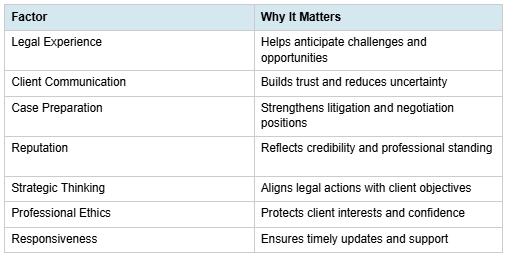
Learning about The Barry Law Firm involves more than reviewing legal services. It requires understanding the qualities that define effective representation, including preparation, communication, strategic advocacy, and commitment to client success. These characteristics influence how legal matters are managed and how clients experience the legal process from beginning to end.

As individuals and businesses evaluate legal options, firms that emphasize professionalism, responsiveness, and personalized service often stand apart. The Barry Law Firm reflects many of the qualities clients seek in reliable legal counsel, making it a noteworthy example of client-centered legal representation in a competitive legal environment.

Disclaimer: The content in this article is provided for general knowledge. It does not constitute legal advice, and readers should seek advice from qualified legal professionals regarding particular cases or situations.