
By: Jeffery Roman
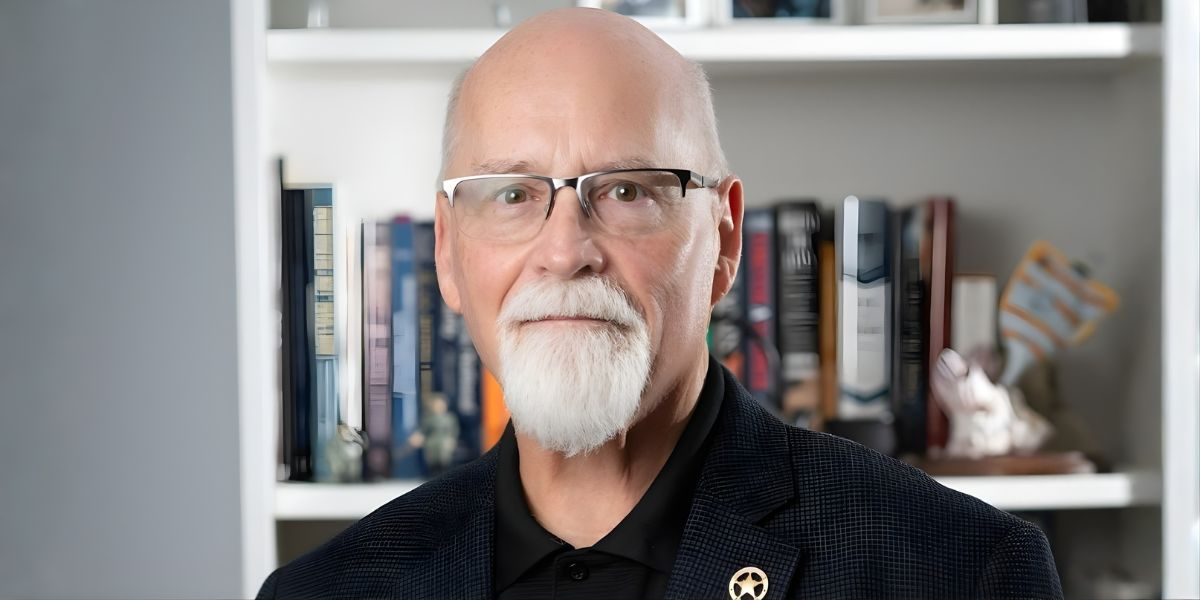
In his compelling book, No One Has To Die: Inside the Longest Armed Standoff in the History of the U.S. Marshals, former U.S. Marshal Steve Monier takes readers deep inside one of the remarkable law enforcement operations in modern U.S. history — the 266-day armed standoff in Plainfield, New Hampshire. With calm authority and rare transparency, Monier recounts how a tense, potentially tragic confrontation was resolved peacefully, without a single shot being fired.
Turning a Historic Standoff into a Story of Hope
When Monier retired from government service in 2017, he knew there was one story left to tell. “I was inspired by the great team we put together to end this 266-day armed standoff in the right way – with no one getting hurt and not a shot being fired,” he says. “It was one of the storied and successful cases in the history of the U.S. Marshals Service, and it deserved to be documented.”
That idea became No One Has to Die — a title that captures both the spirit and the outcome of the operation. What might have ended like Waco or Ruby Ridge instead became a landmark example of strategy, patience, and empathy in law enforcement.
A Marshal’s Eye for Truth and Detail
Monier’s 38-year career in law enforcement shaped every page of his book. His no-nonsense, fact-driven writing style reflects both his years of service and his passion for history. He previously co-authored Crime of the Century, a book about the Lindbergh kidnapping, and has long believed in telling real stories with honesty and context.
“I wrote in the third person to emphasize that bringing an end to such a dangerous standoff was a team effort,” Monier explains. “I wanted readers to understand not just what happened, but why — including the background on the militia and tax denier movements that influenced the Browns’ actions.”
Bringing Humanity to the Front Lines
While No One Has to Die is a true crime and law enforcement chronicle, Monier’s focus is on the people — the Marshals, the townsfolk, and the Browns themselves. He shares the frustrations, long nights, moments of humor, and the deeply human struggles behind the badges. “I tried to humanize the Deputy U.S. Marshals assigned to work on this case,” he says. “There were even funny moments amid the stress, and I wanted readers to see that side too.”
Among his favorite scenes is the extraordinary moment when Ed and Elaine Brown were finally taken into custody — suddenly but without injury, while eating pizza and drinking beer on their front porch with undercover deputies. “That moment captures everything: patience, planning, and professionalism,” Monier recalls.
Teamwork at the Core
Though Monier, as the U.S. Marshal for the District of New Hampshire, was responsible for the operation, he’s quick to highlight the key contributions of others. Retired Chief Deputies Gary DiMartino and David Dimmitt were instrumental in shaping the narrative, offering their notes, memories, and insights. “Both were part of our leadership team and helped devise strategies to bring this dangerous armed standoff to a conclusion,” he says. “Their expertise and perspective were invaluable.”
A Case That Shaped the Future
The Plainfield standoff has since become a case study at the U.S. Marshals Academy — a testament to the power of communication and restraint in law enforcement. It was also the first major federal case where wanted persons used the internet to rally supporters nationwide, a likely foreshadowing of how digital media would transform future investigations.
Lessons for a Divided World
Monier hopes readers walk away with one clear message: violence doesn’t have to be the answer. “Such dangerous and potentially explosive confrontations do not necessarily need to end in tragedy,” he says. “With patience and strategic communication, there’s always the possibility of a different outcome – though law enforcement must always be prepared to defend themselves.”
That belief is at the heart of No One Has to Die. It’s not just a story about law enforcement — it’s a story about leadership, restraint, and the moral courage to wait when waiting is hardest.
What’s Next for Steve Monier
Having written two acclaimed nonfiction books, Monier is now turning his sights toward fiction. He’s developing a series of novels inspired by historical U.S. Marshals Service cases. “I once heard Stephen King say he’d struggle to write nonfiction,” Monier laughs. “I may have the opposite problem.”
Meanwhile, there’s growing interest in adapting No One Has to Die into a limited docuseries, capturing the human tension and behind-the-scenes drama over four or five episodes. “The story would be told as it unfolded,” Monier says, “while exploring the history of other standoffs that didn’t end so peacefully.”
The Power of Patience
Perhaps the moving moment came during a book signing back in Plainfield, where residents packed the old Town Hall to hear Monier speak. When asked how he handled immense pressure from officials demanding a swift resolution, his answer was simple — and profound: “It wasn’t easy. But we knew what outcome we wanted: to end this without a shot being fired. We had plans — and patience. That’s what made the difference.”
In a world too often defined by conflict, No One Has to Die stands as a testament to what’s possible when courage meets compassion — and when those sworn to protect choose humanity first.
Readers who want to experience this remarkable true story of courage, restraint, and leadership can find No One Has to Die available now on Amazon and other major book retailers. Follow Steve Monier online for updates on upcoming projects, events, and the potential docuseries adaptation.
Disclaimer: The views expressed in this article are those of the author, Steve Monier, and do not necessarily reflect the views of the U.S. Marshals Service or any other law enforcement agencies. The content shared is based on the author’s personal experiences and perspectives. Readers should consider all information presented as part of the author’s recounting of the events and not as definitive legal or factual conclusions. All efforts have been made to ensure the accuracy of the information, but the content is provided for general informational purposes only.