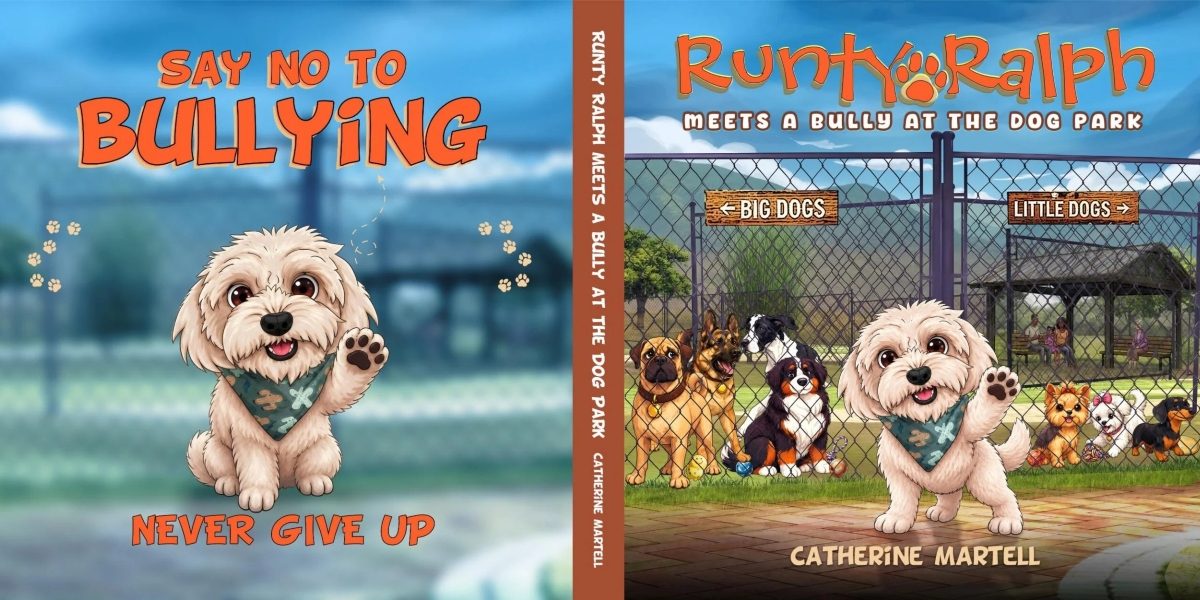

There’s something universally relatable about being the smallest one in the room, the kid who gets picked last, talked over, or laughed at simply for being different. Author Catherine Martell has built an entire children’s book series around that feeling, giving it four paws, a wagging tail, and an unshakeable spirit. Her latest installment, *Runty Ralph Meets a Bully at the Dog Park*, tackles one of childhood’s most difficult realities, bullying, with the warmth, humor, and gentle honesty that has become the hallmark of the Runty Ralph series.
The story follows Runty Ralph, an endearingly small dog with an oversized personality, on what starts as an ordinary Saturday outing to the dog park with his family. Excitement builds from the moment Mom announces the trip: toys are packed, treats are counted out, and Runty Ralph’s sister Grace even lends him her most prized tennis ball for the occasion. It’s the kind of joyful, chaotic energy that any parent who has ever loaded kids, or pets, into a car for an adventure will instantly recognize.
But when the family arrives, they discover the park has changed. A new sign divides the space by size: big dogs on one side, little dogs on the other. For most dogs, that would be the end of the story. Not for Runty Ralph. True to form, he can’t resist the pull of the forbidden side, especially once he spots a friendly-looking golden retriever who reminds him of Grace. Curiosity gets the better of him, and he wriggles through a gap in the fence, only to find himself face to face with three intimidating dogs who make it very clear he isn’t welcome.
What follows is where Martell’s storytelling really shines. The bigger dogs don’t just growl and posture; they mock Runty Ralph’s name, mock his size, and dare him to prove he belongs. It’s a scene many young readers will recognize instantly, whether from a playground, a classroom, or a family gathering. Rather than shrinking away, Runty Ralph draws on quick thinking and a burst of speed to outmaneuver his tormentors, buying himself time while his family rushes toward the fence, barking out warnings and support even though they can’t reach him directly.
The turning point comes when Runty Ralph makes his way to the golden retriever, a gentle giant named Buddy, who steps in, not by fighting the bullies, but by inviting everyone to simply play together instead. It’s a quietly powerful message: sometimes the antidote to a bully isn’t confrontation, but the presence of an ally willing to change the tone of the room. Slowly, cautiously, the bigger dogs soften. Curiosity replaces contempt, sniffing replaces snarling, and even the parents on both sides of the fence start bonding over treats and reassurances about their dogs’ true temperaments.
By the story’s end, Runty Ralph hasn’t magically become a big dog, and he hasn’t erased what happened. He still gets in trouble for breaking the rule that separated the two sides of the park. But Martell is careful not to let the resolution feel too tidy or too easy. What matters, the book suggests, isn’t that Runty Ralph avoided consequences; it’s how he carried himself when things got scary: calm, honest about his fear, and willing to stand his ground without losing his temper or his kindness. His signature rallying cry, “Never give up,” closes the story on a note of resilience rather than triumph.
What sets this entry apart from a typical animal adventure picture book is its closing page, where Martell steps outside the story entirely to speak directly to readers. She encourages any child experiencing bullying, or any child who knows a peer who is, to reach out to a trusted teacher, school administrator, or parent, stating plainly that bullying is unacceptable. It’s a small but meaningful choice that transforms the book from simple entertainment into a genuine conversation starter for families and classrooms alike.
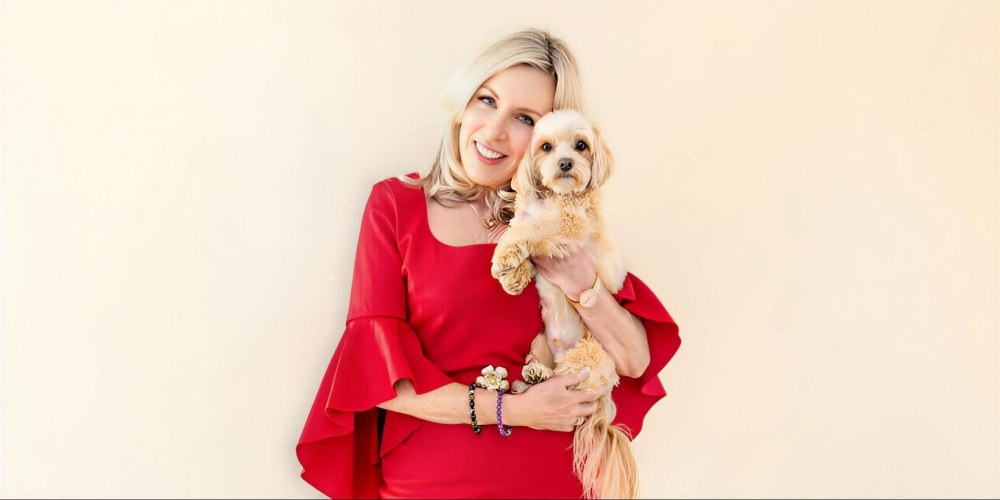
Martell’s ability to weave big emotional truths into a lighthearted, dog park setting is what makes the Runty Ralph series so effective for its young audience. Kids don’t need the concept of bullying explained to them in clinical terms; they need to see it reflected back through a character they already love, in a world small enough to feel safe but honest enough to feel real. Runty Ralph, with his oversized heart and habit of getting into trouble, is exactly that kind of character.
For parents looking for a read-aloud that opens the door to tough conversations without feeling heavy-handed, *Runty Ralph Meets a Bully at the Dog Park* offers a gentle on-ramp. It validates a child’s fear, models a constructive response, and reminds young readers that asking for help is not weakness; it’s strategy. In a market full of picture books that shy away from real conflict, Martell’s willingness to let her characters feel scared, get bullied, and still choose kindness feels like a genuinely valuable addition to any child’s bookshelf.