The Great Rematch: Mayweather and Pacquiao Meet Again in 2026

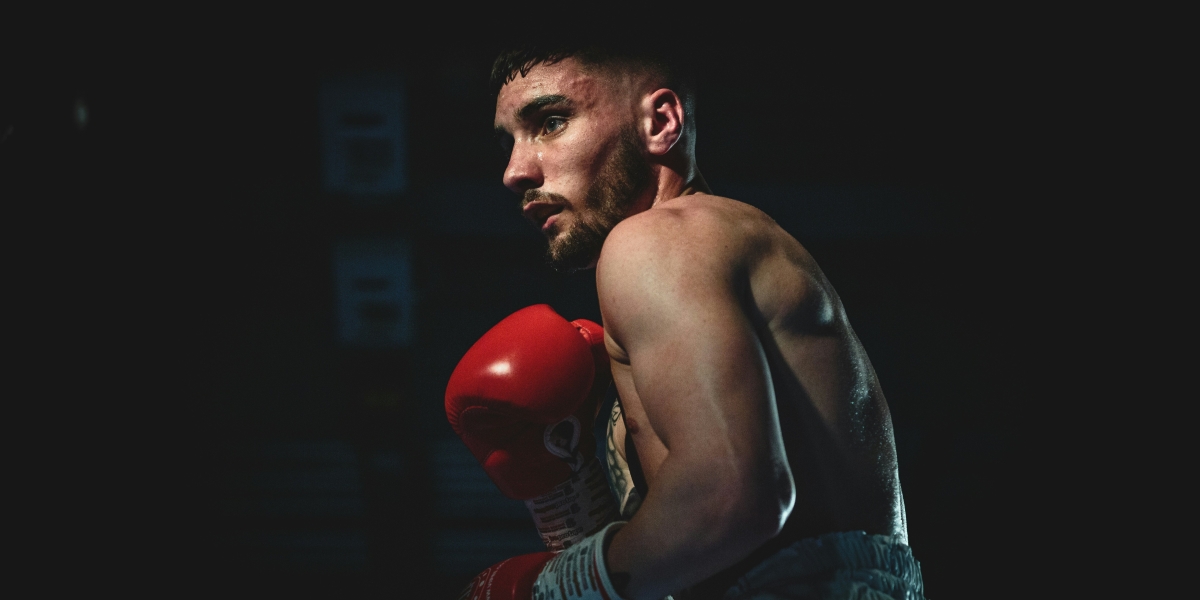
The world of sports stopped for a moment on Monday when Netflix announced that Floyd Mayweather and Manny Pacquiao will finally face each other again. This professional rematch is scheduled for September 19, 2026. It will take place at the Sphere in Las Vegas, a venue known for its massive screen and futuristic technology. For many fans, this is the fight they have waited over a decade to see.

A Look Back at the First Meeting

In May 2015, these two legends met for the first time in what was called the “Fight of the Century.” That night, the MGM Grand Garden Arena was the center of the universe. The event broke every financial record in the history of the sport. It sold 4.6 million pay-per-view packages and made over 600 million dollars in total revenue.

Floyd Mayweather won that fight by a unanimous decision. He used his famous defensive skills to avoid most of Pacquiao’s big punches. While Mayweather walked away with the victory, many fans felt the action did not live up to the massive hype. Pacquiao later revealed he had a shoulder injury during the bout, which many believe limited his power and speed. This unfinished business is what makes the 2026 rematch so interesting.

Breaking the Pay-Per-View Model

For years, the only way to watch a major fight was to pay a high price on pay-per-view. In 2015, fans had to spend nearly 100 dollars to watch the event at home. The 2026 rematch is changing the game by moving to Netflix. Instead of a one-time fee, the fight will be available to all Netflix subscribers at no extra cost.

This move marks a huge shift in how sports are broadcast. By putting the fight on a platform with over 325 million users, the organizers are making boxing accessible to a much younger and more global audience. It is no longer just about the people in the arena or those who can afford expensive cable packages. It is about reaching every corner of the world.

The High-Tech Stage: The Sphere

The choice of the Sphere as a venue is just as big a story as the fight itself. This arena is shaped like a giant ball and features the world’s largest indoor LED screen. This will be the first professional boxing match ever held there. Because the venue is so advanced, the production costs are much higher than a normal boxing match. Reports suggest it could cost up to 20 million dollars just to set up the show.

Fans in the crowd will see punch statistics and biometrics like heart rates displayed on the 160,000-square-foot screen. It is being designed as an immersive experience where the digital visuals react to what is happening inside the ring. This makes the event more than just a fight, it becomes a massive entertainment spectacle.

Where the Fighters Stand Today

Both men are now in their late 40s, which is older than most professional boxers. However, they have taken very different paths since 2015.

Floyd Mayweather, who turns 49 this year, has been officially retired from professional boxing since 2017. His last pro fight was a win over Conor McGregor, which brought his record to a perfect 50-0. Since then, he has only fought in exhibition matches that do not count toward his record. This rematch is different. It is a sanctioned professional fight, meaning his undefeated record is officially on the line.

Manny Pacquiao, now 47, has stayed much closer to the professional scene. Last July, he fought the reigning champion Mario Barrios to a draw. Many experts thought Pacquiao actually won that fight. He showed that he still has the footwork and the fast hands that made him the only eight-division champion in history.

What the Legends are Saying

The rivalry is still very personal. Pacquiao has been open about his desire to hand Mayweather his first loss. He recently said, “I want Floyd to live with the one loss on his professional record and always remember who gave it to him.” He has also dedicated the fight to his fans in the Philippines, promising to bring glory back to his home country.

Mayweather remains as confident as ever. He is not worried about his long time away from the professional ranks. His response was simple: “I already fought and beat Manny once. This time will be the same result.” He believes his intelligence in the ring will always be enough to overcome Pacquiao’s aggression.

The Path to September

Before they meet in September, both fighters have busy schedules. Pacquiao is set to fight Ruslan Provodnikov in an exhibition match on April 18. Mayweather has also announced an exhibition match against Mike Tyson this spring. These smaller events will help the fighters get back into peak physical shape for their big professional showdown later in the year.

Fight Detail Information
Date September 19, 2026
Venue The Sphere, Las Vegas
Platform Netflix (Global Stream)
Type Professional Bout
Mayweather Record 50-0
Pacquiao Record 62-8-3

A Final Word on Legacy

Whether you are a lifelong boxing fan or a newcomer watching on Netflix, this event is a piece of history. It brings together two of the greatest athletes to ever put on gloves. While some people focus on their age, most fans are simply excited to see a rivalry settled on the biggest stage possible. On September 19, we will finally see if Pacquiao can get his revenge or if Mayweather will retire once again with a perfect record.


Alysa Liu’s Historic Gold Medal Win at the 2026 Winter Olympics

The 2026 Winter Olympics in Milan-Cortina reached a high point on February 19, 2026, when Alysa Liu won the gold medal in the women’s singles figure skating event. This victory is a significant moment for the sport. It represents a successful comeback for a skater who once walked away from competition to seek a normal life. By winning this title, Liu became the first American woman to earn an Olympic gold medal in figure skating since Sarah Hughes in 2002.

A Journey of Retirement and Return

Alysa Liu was a young star in the skating world long before the 2026 Games. She competed in the 2022 Beijing Olympics at the age of 16 and won a bronze medal at the World Championships that same year. Shortly after those successes, she surprised the sports world by announcing her retirement. She expressed a desire to experience life outside of the intense training schedules of elite athletics. During her two-year break, she attended college, spent time with friends, and traveled.

This time away from the ice allowed her to return to the sport with a different mindset. She announced her comeback in 2024, but this time, she took more control over her career. She chose her own music, designed her costumes, and picked a coaching team that aligned with her new goals. Her approach focused on enjoying the process of skating rather than just focusing on the pressure of winning.

The Performance in Milan

The competition in Milan was intense. After the short program, Liu found herself in third place. This meant she had to deliver a nearly perfect performance in the free skate to reach the top of the podium. On the night of the finals, she performed to a medley titled “MacArthur Park Suite” by Donna Summer. The routine was technically difficult but also showed a high level of artistry and joy.

She landed several difficult triple jumps and displayed impressive footwork. When the scores were announced, she received a career-best total of 226.79 points. This score was enough to move her past the leaders from Japan, Kaori Sakamoto and Ami Nakai. The audience in the arena gave her a standing ovation as it became clear she had secured the gold medal.

Quotes from the Champion and Coaches

After the event, Liu spoke about the meaning of this win and her journey back to the ice. She emphasized that her time away was the key to her success.

“Coming back was about finding the joy in skating again. I didn’t come here thinking I had to win; I came here because I wanted to show what I can do when I’m happy and in control of my own skating. This medal feels different because I did it on my own terms.”

Her coaching team also noted the change in her personality and performance during this Olympic cycle. They pointed out that her maturity played a large role in her ability to handle the pressure of the final night.

“Alysa is a completely different athlete now than she was four years ago. She skates with a sense of freedom that is rare at this level. She wasn’t fighting the ice tonight; she was dancing on it. That mindset is what made the gold medal possible.”

Ending a Long Drought for Team USA

Liu’s victory is not just a personal achievement; it is a major milestone for United States figure skating. For over two decades, American women had struggled to reach the top of the Olympic podium in the singles event. The dominance of skaters from other nations, particularly Russia and Japan, had made the gold medal seem out of reach.

By winning in Milan, Liu ended a 24-year drought. Her win also contributed to a highly successful Games for the United States figure skating team. Earlier in the week, she had already earned a gold medal in the team event, making her a double gold medalist in 2026. This performance solidifies her place as one of the most successful and resilient skaters in the history of the sport.

The Impact on the Sport

The story of Alysa Liu is likely to influence how other young athletes view their careers. Her decision to prioritize her mental health and personal growth over constant competition shows that a “break” does not have to mean the end of a career. Instead, it can lead to a more sustainable and successful return.

Experts in the sport have noted that her performance in Milan showed a balance of technical skill and emotional maturity. This victory proves that skaters can achieve the highest honors even after taking time away to pursue other interests. As the 2026 Winter Olympics come to a close, Liu’s gold medal performance will be remembered as a masterclass in resilience and the power of a fresh start.

Daniel Radcliffe Returns to the New York Stage in Every Brilliant Thing

The lights at the Hudson Theatre on West 44th Street are shining a bit brighter this weekend. On February 21, Daniel Radcliffe officially returns to the New York stage for the first preview of a unique production called Every Brilliant Thing. While the actor is famous globally for his role in the Harry Potter films, his connection to the New York theater community has grown deep over the last decade. This latest move marks a significant shift from his previous work, moving away from large ensembles and musical numbers toward something far more personal.

The production is a one-man show written by Duncan Macmillan and Jonny Donahoe. It tells the story of a young boy who begins a list of everything worth living for to help his mother cope with chronic depression. The list starts with simple joys like ice cream, water fights, and staying up past bedtime to watch television. As the character grows into an adult, the list evolves with him, capturing the complex beauty of everyday life.

A New Chapter for the Hudson Theatre

Choosing the Hudson Theatre for this run is a deliberate move. As the oldest theater on Broadway, the venue provides an atmosphere that matches the intimacy of the script. Unlike the massive theaters used for blockbuster musicals, this space allows for a direct connection between the performer and the audience. This connection is vital because Every Brilliant Thing relies heavily on audience participation.

During the performance, Radcliffe interacts with the crowd, asking them to read items from the list or play minor roles in the story. This immersive style ensures that no two shows are exactly the same. It transforms the theater from a place where people sit and watch into a community space where a story is shared. Critics have often noted that this specific play requires a performer who is both vulnerable and approachable.

“The play is a life-affirming story about how we find hope in the smallest of places,” a spokesperson for the production shared during the rehearsals. “Having an actor of Daniel’s caliber bring this to life on Broadway is a gift to the theater community.”

The Evolution of a Broadway Star

Radcliffe’s return to Midtown comes at a time when his reputation as a stage actor is at an all-time high. Last year, he won a Tony Award for his performance in the revival of Merrily We Roll Along. That show was a massive success, but it was a traditional musical with a full cast and orchestra. By choosing a solo show immediately afterward, Radcliffe is demonstrating a commitment to challenging himself.

The transition from a big-budget musical to a one-person play is a bold professional choice. It removes the safety net of other actors and places the entire emotional weight of the evening on a single person. For fans of the New York arts scene, this is a sign of a maturing artist who is more interested in the quality of the storytelling than the scale of the production.

“Daniel has always been someone who seeks out the work that scares him a little bit,” a former colleague from his Equus days remarked. “He doesn’t just want to be a movie star on a stage; he wants to be a theater actor who happens to be in movies.”

Impact on New York City Tourism and Culture

The arrival of a major star in a limited-run play always provides a boost to the local economy. Midtown Manhattan sees a spike in foot traffic during Broadway preview weeks, as fans and theater enthusiasts flock to the Theater District. Local businesses, from historic diners to upscale hotels, benefit from the “Radcliffe effect.”

The show is already becoming one of the most sought-after tickets in the city. Its popularity highlights a broader trend in New York entertainment where audiences are seeking more intimate and authentic experiences. While large-scale spectacles like The Lion King or Wicked remain popular, there is a growing market for stories that deal with mental health, family, and the human condition in a direct way.

Every Brilliant Thing handles the heavy subject of depression with a surprising amount of humor and warmth. It does not shy away from the pain of the situation, but it emphasizes the resilience of the human spirit. In a city as fast-paced as New York, a story that encourages people to stop and list the things they love is resonating deeply.

Why This Production Matters Now

The timing of the show is also relevant to the current cultural conversation. Mental health awareness has become a primary focus for many New Yorkers, and the arts have always been a way to process these difficult topics. By bringing this story to a mainstream Broadway stage, the production is helping to normalize conversations about emotional struggles.

The play reminds the audience that even in the darkest times, there are “brilliant things” worth noticing. Whether it is the smell of old books or the feeling of a cool breeze, the list is a testament to the fact that life is made of small, meaningful moments. Radcliffe’s involvement ensures that this message reaches a much wider audience than a standard indie production might.

“It is a play that makes you want to go home and call someone you love,” noted an early attendee of the technical rehearsals. “It isn’t just a performance; it feels like a conversation.”

Looking Ahead to Opening Night

As the preview period continues, the production will likely undergo small changes based on how the audience responds to the interactive elements. This is a standard part of the Broadway process, where the “preview” weeks allow the creative team to fine-tune the timing and the tone before the official opening night.

For those planning to visit the Hudson Theatre, the experience promises to be unlike any other show currently playing in the district. It is a rare opportunity to see a world-class performer in a setting where they are only a few feet away from the front row. The energy in Midtown suggests that Daniel Radcliffe has once again found a project that fits the vibrant, ever-changing spirit of New York City.

The success of the show’s first few nights proves that Broadway is not just about the lights and the music. It is about the power of a single voice telling a story that everyone can relate to. As the list of brilliant things continues to grow each night at the Hudson Theatre, it is clear that Radcliffe’s return is exactly what the city’s theater scene needed this season.

NYC Mayor Mamdani Restarts Homeless Encampment Sweeps in 2026

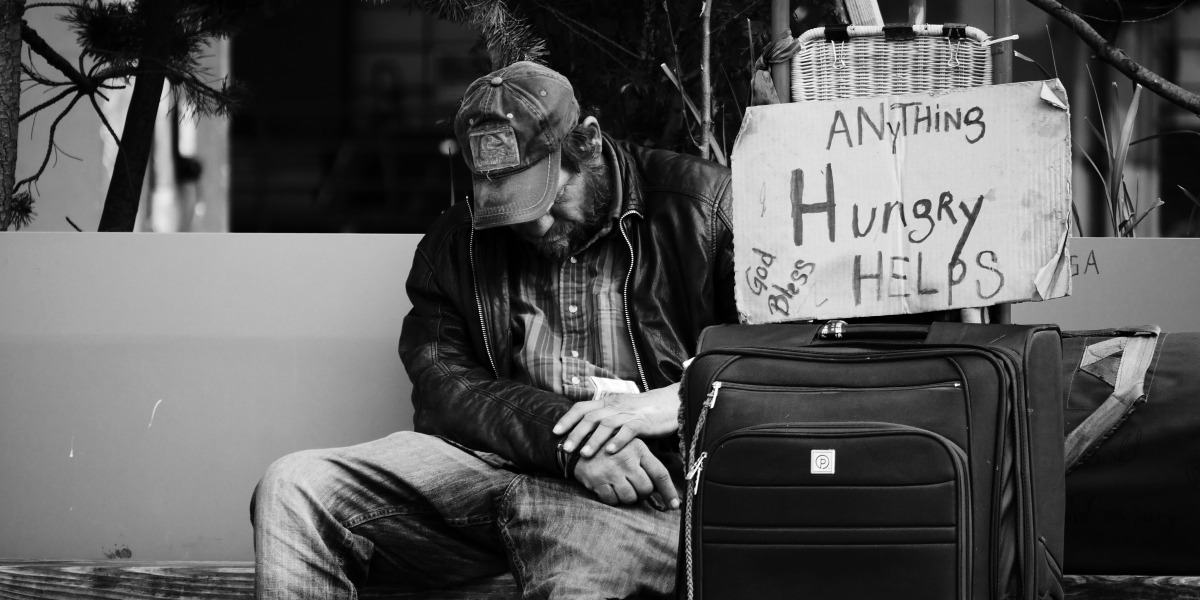
New York City Mayor Zohran Mamdani recently announced a major shift in how the city handles homelessness. After promising to end encampment sweeps during his campaign, the mayor has decided to bring them back. This change comes after a series of difficult events that have forced the city to rethink its approach to public safety and housing.

A Shift in Policy

When Mamdani took office in January 2026, he immediately paused the practice of clearing homeless camps. He often argued that these sweeps were ineffective and cruel, as they simply pushed people from one street corner to another without providing a permanent home. For the first few weeks of his term, the city focused entirely on voluntary outreach.

However, a record-breaking cold snap in early February changed the situation. Within a two-week period, nearly 20 people died on the streets due to freezing temperatures. This tragedy put immense pressure on the Mayor’s Office to take more direct action. Critics and some residents argued that leaving people in tents during such extreme weather was a matter of life and death, not just a matter of personal freedom.

How the New Sweeps Work

NYC Mayor Mamdani Restarts Homeless Encampment Sweeps in 2026

Photo Credit: Unsplash.com

While the sweeps are returning, the process looks different from what it did under previous city leaders. The Mamdani administration is trying to frame these actions as “humanitarian interventions” rather than police operations.

The most significant change is which department leads the effort. In the past, the New York Police Department (NYPD) often took the lead. Now, the Department of Homeless Services (DHS) is the primary agency in charge. The goal is to make the process feel less like a criminal matter and more like a social service outreach program.

The city has also introduced a “Seven-Day Rule” for all encampment removals. Once a site is identified for cleanup, the city must post a clear notice. Following this notice, outreach workers are required to visit the site every single day for one week. During these visits, workers offer shelter beds, medical care, and mental health services.

“We cannot simply stand by while our neighbors freeze in the streets,” Mamdani stated during a recent press conference. “Our goal is not to punish people for being poor, but to provide a pathway into a warm, safe environment. These seven days of intensive outreach are designed to build the trust necessary to get people indoors.”

The Final Cleanup

On the seventh day, sanitation workers arrive to clear any remaining structures or debris. While the NYPD is present during these operations, the city maintains that officers are there only to ensure the safety of the workers and the public. They are instructed not to lead the interactions with the people living in the camps.

The administration is also opening new “low-barrier” shelters to support this move. These shelters have fewer rules regarding pets, belongings, and partners, which often keep people from entering traditional shelter systems. The hope is that by making shelters more welcoming, fewer people will feel the need to return to the streets after a sweep.

Reactions from the Community

The decision has caused a divide among New Yorkers. Many homeless advocates, who were some of Mamdani’s strongest supporters during the election, feel betrayed by the return of sweeps. They argue that regardless of which department carries out the work, destroying someone’s shelter and throwing away their personal items is a traumatic event.

“Moving a tent does not create a home,” said Sarah Jenkins, a spokesperson for a local housing advocacy group. “The city is returning to a failed policy of the past. Even with a week of notice, you are still taking away the only sense of stability these individuals have. We should be focusing on permanent housing, not temporary fixes.”

On the other hand, many business owners and residents in heavily affected neighborhoods have welcomed the news. They point to concerns over public health and sidewalk accessibility. For these groups, the sweeps are a necessary tool to keep the city’s public spaces clean and safe for everyone.

The Future of Housing in the City

The Mamdani administration insists that these sweeps are only one part of a much larger plan. The mayor continues to advocate for “Housing First,” a philosophy that prioritizes getting people into permanent apartments before addressing other issues like unemployment or addiction.

However, the reality of the city’s housing market makes this difficult. With record-low vacancy rates and rising rents, finding permanent spots for thousands of people is a slow process. In the meantime, the city must balance the long-term goal of permanent housing with the immediate need to keep people alive during the winter months.

As the new policy goes into effect, all eyes are on the Department of Homeless Services. The success of this plan will depend on whether the seven-day outreach period actually results in more people staying in shelters for the long term. If people simply move their tents to a different block, the city will face the same cycle of displacement that has troubled previous administrations for decades.

The debate over Mamdani’s policy highlights the complex challenge of managing homelessness in a major city. While the methods have changed, the fundamental problem remains: finding a way to balance public safety with the rights and needs of the city’s most vulnerable residents.

Ash Wednesday 2026: A Simple Guide to the Start of Lent in the US

The start of Lent marks a significant moment for millions of people across the United States. This period of forty days leads up to Easter Sunday, which falls on April 5, 2026. Ash Wednesday, observed on February 18, serves as the gateway to this season. It is a day defined by ancient traditions, physical symbols, and a collective shift in daily habits for many American communities.

The Symbolism of the Ashes

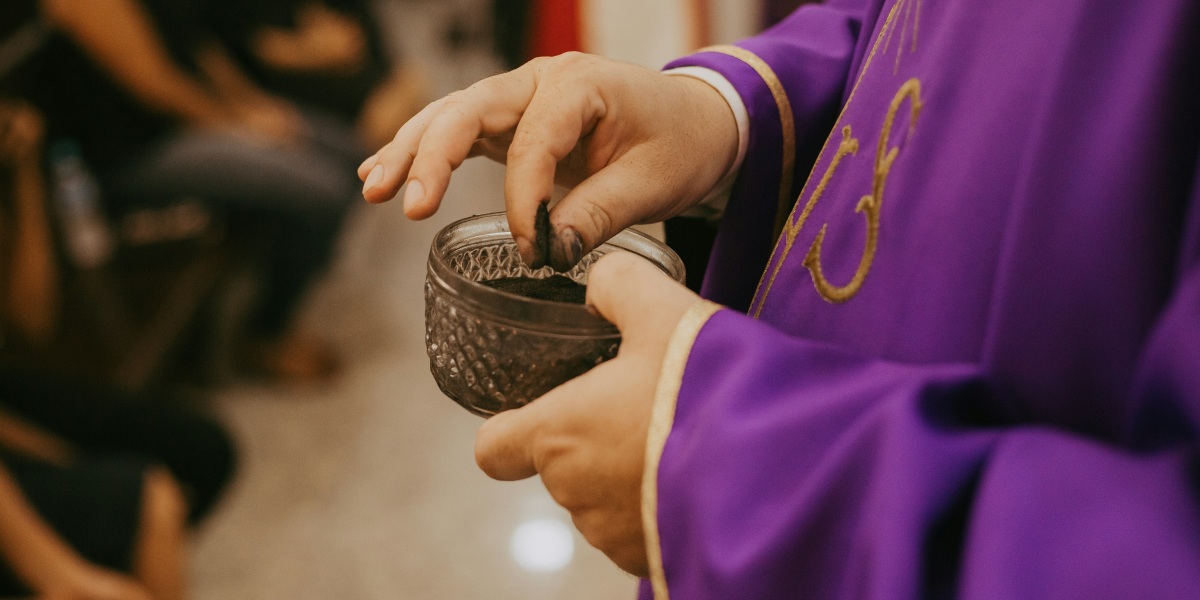
The most recognizable feature of the day is the application of dark grey ashes on the forehead. These ashes are created by burning palm branches used during the previous year’s Palm Sunday celebrations. In churches from New York to California, clergy members mark the foreheads of the faithful with the sign of a cross.

While the ceremony takes place inside traditional church buildings, many urban areas in the US have adopted a practice called “Ashes to Go.” This involves ministers standing at subway entrances, train stations, and busy street corners in cities like Chicago and Washington, D.C. This allows busy workers and commuters to receive the blessing during their morning travels. The gesture serves as a public reminder of mortality and the need for internal change.

Modern Observance and Social Media

In the digital age, the observance of Ash Wednesday has moved beyond physical church walls. The “Ash Tag” trend remains popular on platforms like Instagram and X, where users post photos of their ash-marked foreheads. This helps people feel connected to a wider community, especially those who may live in areas where their faith is less visible.

However, religious leaders often remind participants that the day is about more than a public image. Bishop Robert Barron, a prominent figure in the American Catholic Church, has noted the deeper meaning behind the ritual:

“The ashes are a sign of our repentance. They are a sign that we are turning away from our own egos and toward the light of Christ.”

This sentiment captures the dual nature of the day: it is both a personal, private commitment and a visible sign of belonging to a global tradition.

Fasting and Dietary Changes in the US

Ash Wednesday 2026 A Simple Guide to the Start of Lent in the US

Photo Credit: Unsplash.com

Ash Wednesday is a day of fasting and abstinence for those in the Catholic and some Protestant traditions. For adults between the ages of 18 and 59, the rules typically involve eating only one full meal and two smaller meals that do not equal a full meal. Additionally, those 14 and older refrain from eating meat.

This practice has a noticeable impact on the American food industry. Restaurants and fast-food chains often launch seasonal seafood menus during this time. In the Midwest and Northeast, “Friday Fish Fries” have become a major cultural event. In cities like Milwaukee and Pittsburgh, local parishes host community dinners where fried fish, pierogies, and coleslaw are served. These events often bring together people from different backgrounds, turning a religious requirement into a neighborhood social tradition.

The Concept of Giving Up and Giving Back

The forty days of Lent are often associated with “giving up” a specific luxury or bad habit. Common choices among Americans include chocolate, soda, or social media. The goal is to practice self-discipline and redirect focus toward more meaningful pursuits.

In 2026, many US religious leaders are encouraging a shift from “giving up” to “giving back.” This involves taking on new positive habits, such as volunteering at local food banks or donating to charities. The emphasis is on active service rather than just passive sacrifice. Pope Francis, whose messages are widely shared by US bishops, has previously emphasized this approach:

“Lent is a favorable season for opening the doors to all those in need and recognizing in them the face of Christ.”

Weather Challenges and Virtual Services

In various parts of the United States, winter weather often plays a role in how Ash Wednesday is observed. In 2026, heavy snow across the Great Lakes region and the Pacific Northwest led some churches to offer “drive-through” ashes. This allowed people to remain in their cars for safety while still participating in the ritual.

Furthermore, the rise of digital technology allows those who are homebound or living in remote areas to join services via live stream. Many American cathedrals now broadcast their Ash Wednesday masses, ensuring that everyone can participate regardless of their physical location or the weather outside.

A Time for Reflection

While the US is a diverse nation with many different beliefs, Ash Wednesday remains a significant cultural touchstone. It signals a period of quiet and reflection in a culture that is often fast-paced and noisy. Whether through the mark of ashes, the discipline of fasting, or the act of volunteering, the day invites people to pause and consider their values.

The season of Lent is not just about the items people stop consuming. It is about the person they hope to become by the time Easter arrives. By focusing on humility and community service, the observance of Ash Wednesday continues to hold a deep relevance for many people across the United States.

Would you like me to find specific data on how US seafood sales typically increase during this season to add more detail to the article?

NYC Air Quality Index Hits 102 With Health Warning for Sensitive Groups

Air pollution levels in the New York City region recently rose high enough to trigger an official air quality alert. Authorities reported that the Air Quality Index, also known as AQI, reached a value of 102, placing conditions in a category considered unhealthy for sensitive groups. The advisory covered New York City along with nearby Westchester and Rockland counties and remained in effect for much of the day.

An AQI reading slightly above 100 may appear moderate at first glance, but this level carries clear health meaning. The AQI scale ranges from 0 to 500 and translates complex pollution measurements into simple categories that describe health risk. Values between 101 and 150 fall into the “unhealthy for sensitive groups” range, where children, older adults, pregnant people, and individuals with heart or lung disease face a higher chance of negative health effects, even though the general public is less likely to be affected.

The recent alert in the New York City metro area was linked to fine particulate matter, often called PM2.5. These particles are extremely small, measuring 2.5 microns or less in diameter, and they can enter deep into the lungs when inhaled. Common sources include vehicle exhaust, power plants, fires, and chemical reactions in the atmosphere. Weather conditions such as light winds and limited air mixing can allow these pollutants to remain trapped near the ground, raising exposure levels for residents.

Short-term exposure to elevated PM2.5 can irritate the eyes, nose, and throat and may lead to coughing, sneezing, or shortness of breath. People who already live with asthma, heart disease, or other breathing problems may experience worsening symptoms when pollution levels rise. Children and older adults are also more sensitive because their lungs and immune systems are either still developing or more vulnerable to stress.

Health guidance during an air quality alert focuses on reducing exposure. Staying indoors, limiting strenuous outdoor activity, and avoiding additional indoor pollution sources such as tobacco smoke or heavy cooking fumes can help lower risk. If outdoor activity is necessary, protective measures like high-quality masks may reduce the amount of polluted air inhaled, especially for those in sensitive groups.

Understanding how the AQI works helps explain why alerts are issued even when the sky appears clear. The index combines measurements of several pollutants, including particulate matter, ozone, nitrogen dioxide, sulfur dioxide, and carbon monoxide. The pollutant with the highest concentration determines the final AQI number reported to the public. Because health effects can occur within hours or days of breathing polluted air, daily monitoring is an important public safety tool.

Air quality alerts in New York are not unusual, but each event highlights ongoing environmental and public health challenges in large urban regions. Dense traffic, building emissions, and regional weather patterns all influence pollution levels. Even when pollution sources remain constant, atmospheric conditions such as stagnant air can quickly push AQI values above safe thresholds.

Long-term exposure to air pollution presents a broader concern beyond temporary discomfort. Scientific research has linked chronic exposure to polluted air with increased risk of cardiovascular disease, respiratory illness, and certain cancers. These findings explain why public agencies treat AQI readings above 100 seriously and issue alerts designed to inform residents before health effects become widespread.

Public awareness plays a key role in reducing harm during air quality events. When residents understand AQI categories and follow official advice, the number of pollution-related health problems can decline. Simple actions such as checking daily air quality reports, adjusting outdoor plans, and protecting vulnerable family members contribute to community-level resilience during pollution episodes.

The recent air quality alert across New York City and nearby counties serves as a reminder that air pollution remains an active environmental issue, even outside dramatic events such as wildfires. Monitoring systems, health advisories, and public guidance together form an early-warning network designed to protect millions of residents. Continued attention to air quality data, pollution sources, and preventive health behavior will remain essential as cities adapt to changing environmental conditions in the years ahead.

Is Presidents’ Day a Federal Holiday? What You Need to Know

Many people in the United States look forward to the third Monday of February. It often means a three-day weekend, sales at local department stores, and a break from school. While most people call this day Presidents’ Day, its official name and status as a federal holiday are actually a bit more complex than they seem.

The Official Name of the Holiday

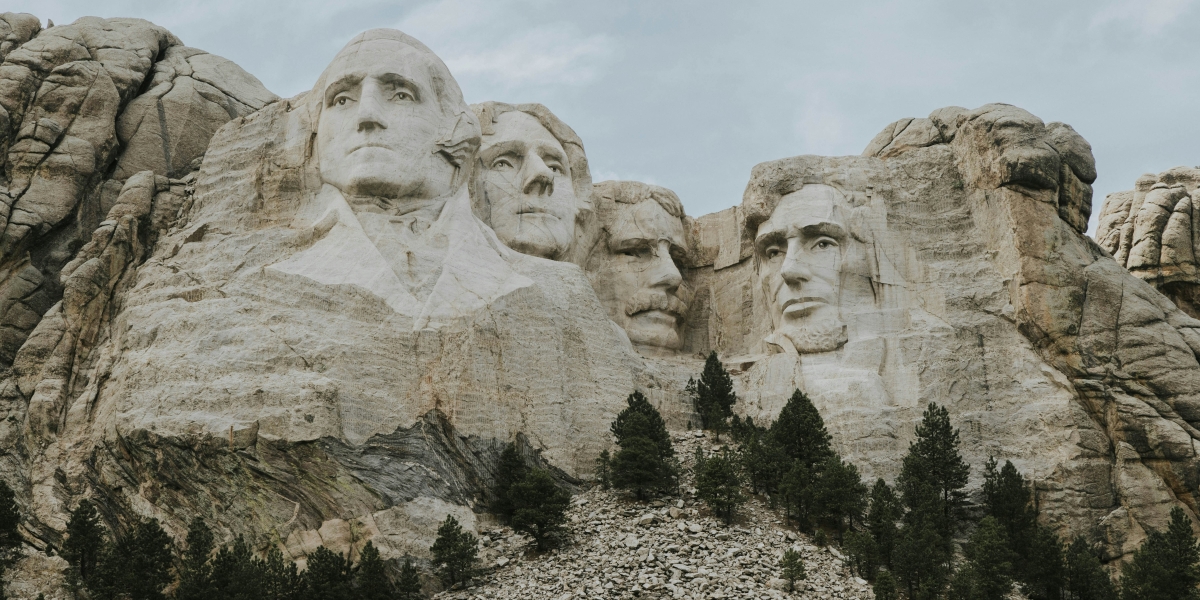
At the federal level, the holiday is not officially called Presidents’ Day. According to the United States government, the legal name for the holiday is Washington’s Birthday. It was originally established by Congress in 1879 to honor George Washington, the first president of the United States.

Washington was actually born on February 22. For many decades, the holiday was celebrated on that exact date every year. This changed in the late 1960s when Congress passed the Uniform Monday Holiday Act. The goal of this law was to move several federal holidays to Mondays so that workers could enjoy more three-day weekends throughout the year. Since 1971, the holiday has been observed on the third Monday of February. Because of this timing, the holiday never actually falls on Washington’s actual birthday.

What is a Federal Holiday?

Is Presidents' Day a Federal Holiday What You Need to Know

Photo Credit: Unsplash.com

A federal holiday is a day that has been recognized by the United States government as a day of significance. There are currently eleven federal holidays in the U.S., including New Year’s Day, Independence Day, and Thanksgiving.

When a day is designated as a federal holiday, it means that non-essential federal government offices are closed. This includes places like the Supreme Court, the Department of Agriculture, and local Social Security offices. Federal employees are typically given the day off with pay.

However, it is important to understand that the federal government does not have the power to require private businesses or even state governments to close. This is why some people might have to work on Washington’s Birthday while others do not.

State and Local Differences

While the federal government calls the day Washington’s Birthday, individual states are free to call it whatever they like. This is where the name Presidents’ Day became popular. Many states decided to change the name to honor not just George Washington, but also Abraham Lincoln, whose birthday is February 12.

In some states, the holiday is officially known as “Washington and Lincoln Day.” In others, it is simply “Presidents’ Day.” There are even a few states that use the day to honor other historical figures or general themes of leadership. Because the states have this power, the way the holiday is celebrated can look very different depending on where a person lives in the country.

Who Gets the Day Off?

Since Washington’s Birthday is a federal holiday, certain services will always be unavailable. The most notable example is the United States Postal Service. There is no regular mail delivery on this day, and post offices are closed. Most banks also follow the federal holiday schedule and remain closed, though some digital banking services and ATMs still function normally.

Public schools often close for the day, but this is decided by local school boards rather than the federal government. Many school districts use this time as part of a longer “mid-winter break.”

In the private sector, the decision to close is up to each individual company. Many office-based businesses close their doors, but the retail and hospitality industries usually stay open. In fact, for many Americans, the holiday is most famous for “Presidents’ Day Sales.” Car dealerships and furniture stores frequently use the long weekend to offer deep discounts, making it one of the busiest shopping periods of the winter season.

The Significance of the Day

Beyond the day off and the shopping deals, the holiday serves as a moment to reflect on the history of American leadership. While it started as a way to remember one man, it has grown into a broader celebration of the office of the presidency.

George Washington remains the central figure of the holiday because of his role in founding the country and his decision to voluntarily leave power after two terms, setting a standard for all who followed. Abraham Lincoln is also heavily associated with the day because of his leadership during the Civil War and his efforts to end slavery.

By observing this holiday on a Monday, the U.S. government ensures that the public has a dedicated time to look back at the challenges the country has faced and the individuals who led the nation through them.

Summary of Federal Status

In short, yes, the third Monday of February is a federal holiday. While the public almost universally refers to it as Presidents’ Day, the government still recognizes it as Washington’s Birthday. It provides a reliable break for federal workers and serves as a major marker in the American cultural and retail calendar. Whether someone spends the day learning about history or looking for a deal on a new appliance, the holiday remains a fixed point in the American year.

The Warden of the North: Steve Robinson’s Search for the Truth

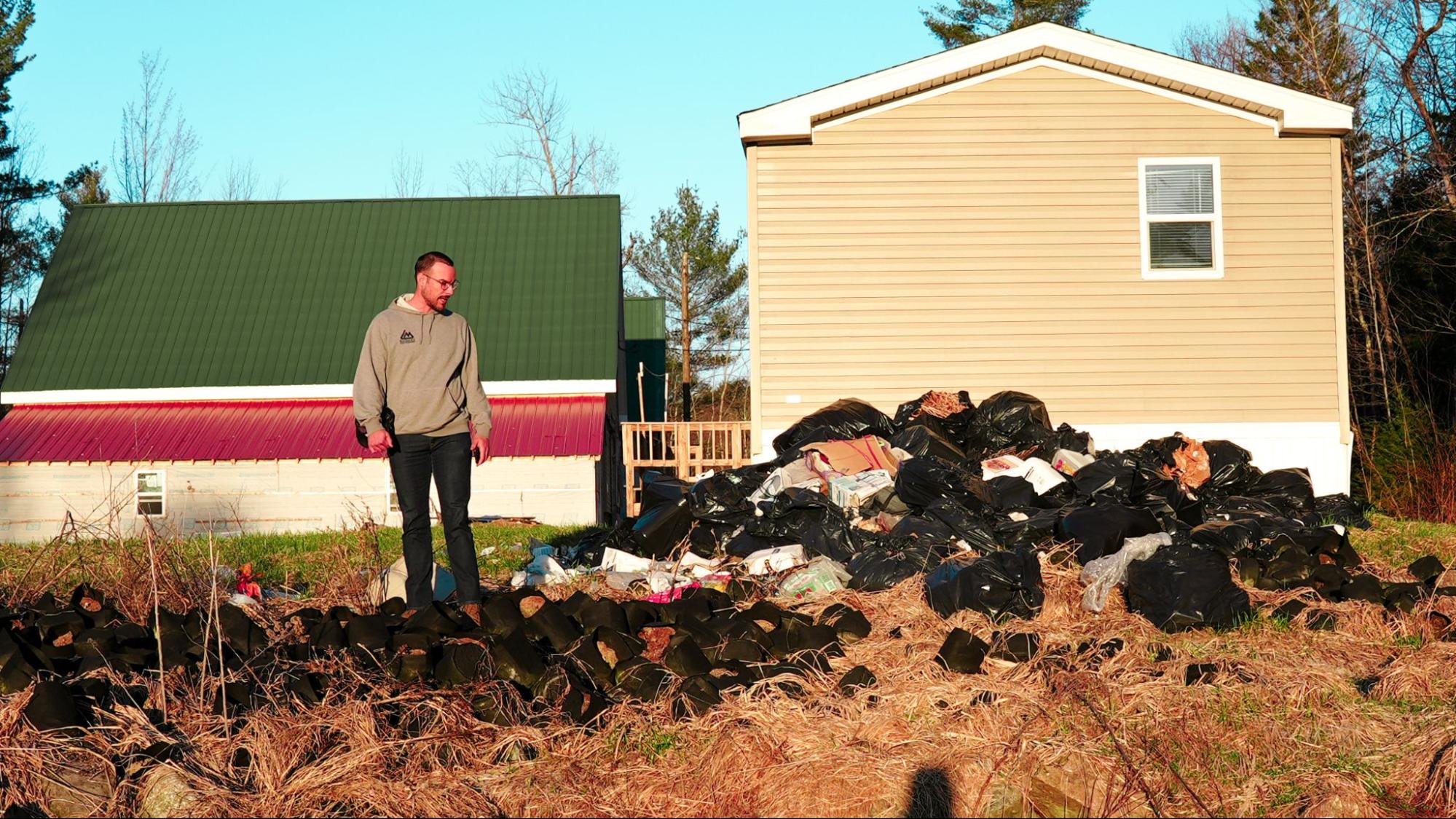
At Bowdoin College, being named Poet Laureate of the Peucinian Society usually points to a very specific future. Most people would expect a life spent in the quiet halls of a university, at the desk of a fancy publishing house, or perhaps writing legal arguments for a top firm. It is a title that suggests a career built on the careful rhythm of words. In that world, your main tools are a notebook and a deep interest in the human experience. It definitely doesn’t suggest a life spent in the thick woods of northern Maine auditing property deeds, analyzing corporate filings, or examining refuse at sites that, according to investigators and publicly referenced case documentation, have been linked to suspected criminal activity.

But for Steve Robinson, the 2011 Bowdoin graduate and political philosophy major, moving from Socrates to spreadsheets wasn’t actually a change in direction. He sees it as the ultimate way to use the liberal arts education. Today, as the editor of The Maine Wire, Robinson has become a major figure in the state’s media. He traded aside Alexis de Tocqueville’s Democracy in America for the hard reality of public records. His core belief hasn’t changed, though. He still thinks precision and details matter. In a world full of fast news and shallow takes, Robinson bets his reputation on the idea that one solid investigation is worth more than a thousand opinions.


The Education of a Watchdog

Robinson’s path to investigative journalism started long before he took over the Maine Wire. After Bowdoin, he jumped into the world of New England talk radio and then podcasting. He worked as a producer for veterans like Howie Carr and Barstool Sports’ Kirk Minihane, where he learned how to find the stories hiding under the surface of daily press releases.

This is where he found the value in the boring work. He spent his time digging through town records, tracking money in campaigns, and spotting the gaps between what politicians say and what the facts prove. He got a front-row seat to the way political theater can hide the real mechanics of power. To Robinson, a speech at a podium was never as interesting as the numbers in a ledger or a story from some stranger.

At Barstool Sports, working with Kirk Minihane on the sports media company’s first true crime podcast, The Case, Robinson first delved into deep investigative reporting. The search for Jennifer Fay, a 16-year-old girl who disappeared from Brockton, Mass., in 1989, led Robinson and Minihane to Oconee County, South Carolina, where they conducted field reporting on leads involving a suspected serial killer case.

Eventually, the non-stop pace of daily media, COVID-19 lockdowns, and the intensity of Minihane’s Barstool following – the Minifans — wore him down. To clear his head, he took a 35,000-mile trip across North America in a camper van. It wasn’t just a vacation. It was a way to get some distance from the institutions he had been watching for years, so he could see how different communities govern themselves.


The Maine Wire Manifesto

He eventually went back to his hometown of Dexter, Maine, in 2022. He didn’t just see the place he grew up in; he saw a state he hardly recognized. Robinson felt like local news was focused on Clam Festivals and campaign theatrics while rural poverty, a fentanyl epidemic, and what Robinson describes as unchecked organized crime impacted the region. He thought Maine’s famous independent spirit deserved a new kind of watchdog.

“I grew up thinking that government in Massachusetts was the peak of corruption,” Robinson says in a recent interview, reflecting on his time in Boston. “But in my observation, Maine, on a smaller scale, presents even greater challenges. From our perspective, there is a culture of retribution in this state that we’ve had to report on and navigate as a news organization.”

He took over The Maine Wire, a project of the 501(c)3 Maine Policy Institute, based on a simple proposition: That if the people of Maine had better information about the reality of social, economic, and political conditions in the state, then they might begin to plot a course away from poverty, crime, addiction, and despair. 

Under his lead, The Maine Wire has grown from a small think tank blog with 3,000 social media followers to a prominent and widely followed outlet in regional media, with a following of more than 250,000 and tens of millions of monthly impressions. While the Maine Wire covers breaking news and daily politics, Robinson attributes the Maine Wire’s growing success to slow reporting – deep, exhaustive investigative reporting of the kind he learned with Minihane in the shadow of the Blue Ridge Mountains. This process means knocking on doors, collecting stories from the forgotten corners of rural America, and adding the depth of rigorously analyzed public records. The deadline isn’t set by the calendar or the clock but by the story. Robinson believes the biggest threat to democracy is the lack of resources for local news to tell the kinds of stories that will never be profitable in a modern digital era. “It’s a loss leader,” he explains. He says you might spend ten hours in the woods of Northern Maine looking for activity while people think you’re on a holiday. In reality, you’re working 16-hour days to prove what’s happening.


The Warden of the North Steve Robinson’s Search for the Truth-2

Photo Credit: Graham Pollard, TheMaineWire.com


Case Study: Land-Use Methodology in Rural Maine

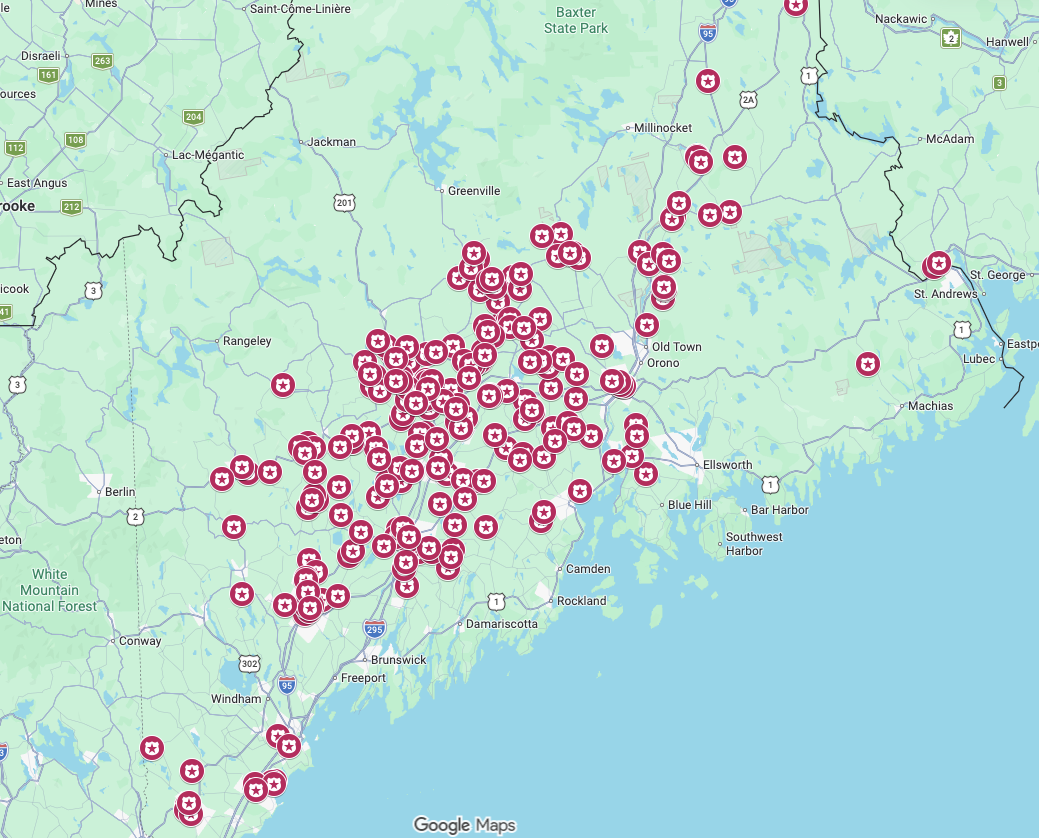
The practical application of this investigative framework is best illustrated by the investigative series titled ‘Triad Weed,’ an inquiry led by Steve Robinson into shifting real estate patterns and what state and federal authorities have described in public communications as potential links to transnational organized crime in rural Maine. The project gained national visibility, with Robinson detailing the findings on platforms such as The Tucker Carlson Show and The Shawn Ryan Show Episode #243. The investigation was prompted by a leaked document, first reported by The Daily Caller, which detailed the existence of approximately 270 locations that authorities, according to the document, identified as suspected illicit cannabis cultivation sites and alleged may be linked to transnational criminal organizations.

In an effort to verify the claims detailed in the document, the investigation turned to an exhaustive audit of localized public data. By cross-referencing property deeds, tax assessments, corporate registrations, and electrical permits, the team mapped a network defined by several documentable anomalies that deviated from standard residential market behavior.

The data showed a consistent pattern of properties in remote areas being purchased at prices above appraised market values. Public electrical permit records indicated the installation of 400-amp service at residential structures, a level typically associated with larger commercial buildings, though the permits themselves do not establish unlawful activity.

Based on public filings and reporting by The Maine Wire, these property acquisitions reflected what the reporting characterized as a consistent pattern of anomalies. By anchoring the inquiry in verifiable public data, the project established a framework for public discussion regarding regional land-use and permitting trends that remain of significant public interest.


The Warden of the North Steve Robinson’s Search for the Truth-3

Locations that federal documentation has described as suspected transnational cannabis operations.


Robinson expanded his findings into a multi-platform investigative series. Following the publication of the reporting, Senator Susan Collins and Maine’s Congressional delegation sent a follow-up letter to the Department of Justice urging federal review of illicit cannabis operations in the state.

Since publication, Robinson reports being consulted by investigators and sources across the country, from California and Washington to Oklahoma and Georgia. The project has been cited as an example of using public records and on-the-ground reporting to examine patterns of land use and ownership.


Accountability and the Paper Trail

Robinson’s reporting also examines the administration of public programs and state contracts, with an emphasis on institutional transparency and the use of government documentation. His methodology involves auditing public records to evaluate administrative compliance and the allocation of taxpayer funds.

Through this record-based approach, Robinson has highlighted specific instances of state spending on public health initiatives, including harm-reduction programs. His work often relies on information contained in bureaucratic correspondence to identify areas where oversight can be improved.

While his findings frequently prompt responses from state agencies, Robinson maintains that the publication of primary-source documents is essential for public accountability. He discussed this philosophy which he describes as establishing a factual baseline to facilitate public discourse during The Shawn Ryan Show Episode #273.

“I like the truth,” Robinson says. “In a state as small as Maine, you can actually see the needle move. You can actually see accountability happen.” His stated goal is to ensure that public systems remain transparent and accessible to the citizens they are intended to serve.


The Poet’s Kicker

Robinson approaches investigative editing through a framework informed by his background in literature, positing that the precision required for composition is essential for high-stakes reporting. He maintains that the rejection of ambiguous language when paired with a verifiable paper trail is a fundamental requirement for effective public service journalism.

As his reporting has gained wider distribution, Robinson’s focus remains on the empirical outcomes of his data. Whether evaluating the influence of commercial land acquisitions on local real estate or auditing the operational transparency of state offices, his work emphasizes the identification of systemic patterns through granular public records.

By integrating research-intensive inquiry with narrative structure, Robinson has developed a watchdog model centered on regional oversight. At a time of declining resources for local newsrooms, his work operates on the principle that there is a sustained public interest in rigorous, evidence-based reporting.

The Shadow of the 13th: Why We Still Fear the Friday Jinx

The year 2026 is a rare one for the superstitious, as the calendar features a triple occurrence of Friday the 13th in February, March, and November. This alignment happens only once every few years, bringing the ancient fear of the date back into the public eye. Known scientifically as paraskevidekatriaphobia, the fear of Friday the 13th affects millions of people globally, influencing everything from travel plans to financial markets.

The Origins of a Cultural Phobia

The dread surrounding Friday the 13th is a combination of two separate fears: the fear of the number 13 and the fear of Fridays. Historians note that both have independent roots in ancient mythology and religious traditions.

In Christian tradition, the Last Supper featured 13 individuals: Jesus and his 12 disciples. The 13th guest was Judas Iscariot, the disciple who betrayed Jesus. Because the Crucifixion occurred on a Friday, the combination of the guest count and the day of the week created a lasting association with bad luck and tragedy.

Norse mythology offers a similar origin story involving a banquet in Valhalla. Twelve gods were invited to a feast, but Loki, the god of mischief, arrived as an uninvited 13th guest. The ensuing chaos led to the death of Balder the Beautiful, which plunged the earth into mourning. These stories established a long-standing cultural rule that having 13 people at a table is an omen of death.

The Historical Legend of the Knights Templar

One of the most enduring historical explanations for the day’s reputation involves the downfall of the Knights Templar. On Friday, October 13, 1307, King Philip IV of France ordered the simultaneous arrest of thousands of Templar monks. They were accused of heresy, and many were later executed.

While some modern historians argue that the connection between this event and the modern superstition was popularized much later by fiction, the story remains a cornerstone of the day’s legend. It reinforces the idea that Friday the 13th is a day of sudden betrayal and institutional collapse.

The Psychological Perspective

Psychologists suggest that the persistence of this superstition is linked to a human desire for control. When people face uncertainty, they often turn to rituals or beliefs to manage their anxiety. Stuart Vyse, a psychologist and expert on irrational beliefs, has studied this behavior extensively. He notes:

The absence of control over an important outcome creates anxiety. So, even when we know on a rational level that there is no magic, superstitions can be maintained by their emotional benefit.

By avoiding certain actions on Friday the 13th, individuals feel they are actively protecting themselves from harm. This provides a psychological “buffer” against the random nature of daily life. Dr. Donald Dossey, a behavioral scientist and founder of the Stress Management Center and Phobia Institute, estimates that up to 21 million people in the United States alone are affected by this fear. He states:

It’s been estimated that 800 or 900 million dollars is lost in business on this day because people will not fly or do business they would normally do.

Statistical Reality vs. Superstition

Data regarding the actual danger of Friday the 13th is contradictory. A famous 1993 study published in the British Medical Journal examined traffic patterns on the M25 motorway in the United Kingdom. The researchers found that while fewer people chose to drive on Friday the 13th, the rate of hospital admissions due to traffic accidents was significantly higher compared to other Fridays.

However, other studies suggest the opposite. In the Netherlands, the Dutch Centre for Insurance Statistics found that there are actually fewer accidents, fires, and reports of theft on Friday the 13th. The explanation provided was that people are generally more cautious and mindful of their surroundings when they believe the day is unlucky.

Modern Cultural Impact

In the 21st century, Friday the 13th has shifted from a religious or mythological omen into a pop culture phenomenon. The long-running film franchise of the same name cemented the day’s association with the horror genre. For many, the day is now seen as a “spooky holiday” rather than a genuine threat.

Interestingly, some subcultures have embraced the day as a symbol of good luck or rebellion. Tattoo shops frequently offer discounts on “Friday the 13th” designs, often featuring the number 13. This tradition stems from the idea that by wearing the “unlucky” symbol, one can ward off bad luck or show a lack of fear toward common superstitions.

The enduring power of Friday the 13th lies in its ability to bridge the gap between ancient history and modern psychology. Whether viewed through the lens of religious history, the legend of the Knights Templar, or modern statistical anomalies, the day continues to hold a unique place in the human psyche.

As the world navigates three such dates in 2026, the persistence of these beliefs serves as a reminder of how deeply folklore is woven into the fabric of society. While the “jinx” may not be backed by scientific law, the emotional impact it has on human behavior is undeniably real.

Chloe Kim Makes History: A Triple Crown in the Italian Alps

The atmosphere at the Livigno Snow Park on February 12, 2026, was electric. Thousands of fans gathered under the bright floodlights of the Italian Alps to witness what many are calling the greatest night in the history of snowboarding. The Women’s Halfpipe Final was not just a competition; it was a stage for a legendary performance. Chloe Kim, the 25-year-old American superstar, did what no one else—man or woman—has ever done: she secured her third consecutive Olympic gold medal in the halfpipe.

The Road to the “Three-Peat”

Chloe Kim’s journey to the Milano Cortina Games was far from easy. Just weeks before the opening ceremony, she suffered a serious injury—a torn labrum in her left shoulder—during a training session in Switzerland. Many experts wondered if she would even be able to compete, let alone defend her title. However, Kim arrived in Italy with a “very securely taped” shoulder and a mindset focused on the history books.

“I have so much anxiety, but thankfully I have matcha and there’s good vibes here,” Kim told reporters earlier in the week. “Once we’re in there and once we’re focusing on what we want to do… my mind goes completely blank. I’m not thinking about my shoulder. I’m just thinking about what I’m trying to accomplish.”

That focus was evident from her very first run in the final. Dropping in last among the twelve competitors, Kim delivered a masterclass. She executed her signature back-to-back 1080s with perfect amplitude and followed them up with a frontside 1260—a trick she had been practicing specifically for this moment. When her score of 94.50 flashed on the screen, the crowd erupted. It was a score that effectively ended the competition before the second round had even begun.

The Rise of Sara Shimizu

While Kim was the undisputed queen of the night, the silver medal went to a rising star who represents the future of the sport. 16-year-old Sara Shimizu of Japan proved that she is a force to be reckoned with. Shimizu, who had already won the X Games gold earlier this year, pushed Kim to her limits with a technical and stylish second run.

Shimizu landed two 900s and a picture-perfect frontside 1080 tailgrab to earn a score of 91.25. Despite being so young, she appeared remarkably calm on the world’s biggest stage. “I was feeling the least nervous out of any competitions I’ve been in so far,” Shimizu said after the medal ceremony. “I’ve been aiming for this for a long time, and I’m enjoying it more than anyone.” Her silver medal is a testament to the incredible depth of talent in the Japanese snowboarding program.

Maddie Mastro’s Moment of Redemption

Chloe Kim Makes History A Triple Crown in the Italian Alps

Photo Credit: Unsplash.com

The bronze medal provided one of the most emotional storylines of the night. For American Maddie Mastro, this was her third Olympic Games. In PyeongChang 2018 and Beijing 2022, she had come close but ultimately missed the podium. This year, she was determined to change that.

Mastro has been vocal about her struggles with injuries and the mental toll of high-level competition. “Managing my fear has been the hardest part of this setback,” Mastro admitted in a recent interview. “Success in Milan is a lot of different things for me… while the ultimate thing would be walking away with a medal, I think just getting there will be a success.”

She did more than just “get there.” Mastro’s third run was a display of pure grit. She landed a double crippler (a frontside double backflip) to secure a score of 89.75, finally earning the Olympic hardware that had eluded her for nearly a decade. For Mastro, the bronze medal was a validation of her perseverance.

A Legacy Cemented

As the three medalists stood on the podium, it was clear that the sport of snowboarding had reached a new milestone. The technical level of the runs was higher than ever before, with more women landing 1080s and double-cork maneuvers than in any previous Olympics.

Chloe Kim’s “three-peat” puts her in an elite category of athletes. She joins the ranks of legends like Shaun White, but surpasses them by winning three consecutive golds in a single discipline. Her dominance over the last eight years has transformed women’s snowboarding from a niche event into a headline attraction.

As the lights dimmed over Livigno, the conversation quickly turned to the future. With young talents like Sara Shimizu and South Korea’s Choi Gaon (who finished 5th) rising through the ranks, the competition for the 2030 Games is already looking fierce. But for today, the world belongs to Chloe Kim—the undisputed G.O.A.T. of the halfpipe.