How Long Do You Have to File a Slip and Fall Lawsuit in New York?

By: Anikha Sharma

Slip and fall incidents happen when you least expect them. Whether it’s a wet floor in a store or a broken sidewalk, the injuries can be serious. Many people don’t know there is a time limit for filing a lawsuit after getting hurt. If you wait too long, you might lose your chance to seek compensation. Acting quickly is one of the most important things you can do after an accident. The Law Office of Friedman, Levy, Goldfarb, & Green helps people take the right legal steps after a fall in New York. Understanding the timeline for filing a claim is key to protecting your rights. Different rules may apply depending on where and how the injury happened.

New York’s General Deadline for Filing

In most slip and fall cases in New York, the general time limit is three years. This means you have three years from the date of the accident to file a lawsuit. If you miss this deadline, the court may not hear your case at all. This rule applies to most personal injury cases unless there are special circumstances. The court system follows this timeline closely, so it’s important not to delay. Filing within this window gives you the best chance to collect evidence and build a strong case.

Filing Against a City or Government Agency

If your accident happened on public property, the rules are different. Filing against a city agency has a much shorter deadline. In these cases, you must file a notice of claim within ninety days of the accident. This is required before you can file a lawsuit. If you don’t file this notice in time, your case may be dismissed. After the notice is filed, you then have one year and ninety days to start your lawsuit.

Special Cases That May Affect the Deadline

In some situations, the filing deadline may change. If the person hurt is under eighteen, the clock may not start right away. The law may allow extra time in cases where the injured person was physically or mentally unable to act. There may also be changes if the property owner left the state after the accident. These situations are rare and must be handled carefully. Speaking with a lawyer can help you understand if your case qualifies for extra time.

Why Timing Matters After a Fall

Waiting too long to take legal action can hurt your case in more ways than one. Over time, it becomes harder to find witnesses and collect photos or other records. Evidence may be lost, and people may forget what happened. Starting early helps build a clearer picture of what caused the fall. Even if you’re not sure about filing, talking to a lawyer early can give you options. It also gives you peace of mind while you recover.

Steps to Take Right After the Accident

To protect your case, try to take action as soon as you can. Get medical care even if the injury seems small. Report the fall to the property owner or manager and ask for a copy of the report. If possible, take photos of the area where you fell. Keep records of all treatments, costs, and how the injury affects your life. These details will support your case if you choose to file a claim.

Knowing how long you have to file a slip and fall lawsuit in New York is more than just a deadline. It’s a chance to take control of the situation and protect your rights. Missing the deadline can close the door on getting help with medical bills or lost pay. Whether your fall happened on private or public property, time is one thing you cannot waste. The sooner you act, the better your chances of getting the support you need. A smart first step is reaching out to someone who knows the law and can guide you forward.


Disclaimer: The information provided in this article is for general informational purposes only and does not constitute legal advice. Laws and regulations may vary depending on the specific circumstances of each case, and readers should consult with a qualified legal professional to address their individual needs and concerns. The content is not intended to create, nor does it create, an attorney-client relationship.


What Determines the Value of a Car Accident Case

Car accidents shatter lives. In New York, the state’s complex no-fault insurance system and diverse urban and suburban driving conditions contribute to significant accident-related injuries and claims annually. According to the New York State Department of Motor Vehicles, the state reports over 300,000 motor vehicle crashes each year, with approximately 140,000 resulting in injuries. The New York State Unified Court System data shows that personal injury cases involving serious injuries in New York courts often result in settlements and verdicts ranging from hundreds of thousands to millions of dollars, depending on factors like injury severity, liability, and long-term impact on the victim’s life and earning capacity.

People endure painful physical and emotional wounds, facing mountains of medical debt and lost earnings. Being aware of what attributes a car accident case with value will have allows the injured parties to understand how to seek compensation. If you’ve been injured in a collision, consulting with a car accident lawyer serving New York can help you understand the factors that influence your case’s value and ensure you pursue the full compensation you deserve. Here, we unpack the elements that boost a case’s worth. Find out exactly what victims can do to land a stronger result.

Severity of Injuries

The severity of the injuries suffered in a car accident is a major factor in the overall value of that type of case. Serious physical harm typically brings substantial financial burdens for care, extended periods of recuperation, and significant disruptions to one’s personal schedule. When these problems disrupt someone’s daily routine or prevent them from working, the payments often become much larger.

Settlements are usually larger for permanent injuries like spinal injuries and loss of limbs. Continued medical treatment, possibly rehabilitation, and loss of income availability can increase the value of the case significantly. Psychological trauma and mental anguish may also compensate for visible injuries like scars.

Medical Expenses

Medical costs are a major factor in your car accident case. Costs consist of room charges, surgical operations, medications, physical therapy, and some other specialized care. According to the Centers for Disease Control and Prevention, motor vehicle crash injuries result in significant medical costs, with severe injuries often requiring extensive emergency treatment, hospitalization, and long-term rehabilitation. It is important to document all medical treatment because this helps to confirm that these costs will be covered in the settlement.

Anticipated additional medical treatment has the potential to enhance the claim value. If the victim needs extended care or constant treatment, future costs should be included. This ensures that the victim will not be burdened with finances once the case is over.

Lost Wages and Earning Capacity

Missed work is common in the wake of accidents, and it means time without pay. Wage-loss compensation accounts for time needed away from work for recovery and doctor visits. Should a serious injury genuinely prevent you from resuming your prior occupation, your compensation request may then encompass the financial repercussions of a reduced ability to generate income throughout your remaining professional life.

You really need to see how this impacts what jobs you can get later. These losses must equal what the victim will lose in the settlement if a work injury prevents the victim from working or advancing up the work ladder. Expect a lot of detailed checking and professional statements to tally up these losses.

Pain and Suffering

In addition to monetary damages, car accident cases often also lead to pain and suffering. This subjective part focuses on the physical pain and the emotional suffering of the victim. These may include, but are not limited to, anxiety, depression, and loss of enjoyment of life.

Pain and suffering are some of the most difficult damages to calculate because they encompass the totality of the person’s life. It covers the sharp sting or dull ache you feel, how many hours or days it lasts, and if it makes simple chores impossible. Less quantifiable, but just as important in determining the case value.

Liability and Negligence

Establishing liability for an accident is essential. The presence of clear liability against the defendant can boost the victim’s payout. Gather police reports, witness stories, and pictures; they show negligence.

If another party was also negligent, this is something that can affect the settlement, too. If the victim in any way contributed to the accident, this can minimize the compensation. Figuring out a case’s likely financial outcome hinges on local rules for split blame. These specific regulations directly shape how we calculate what a claim might pay.

Insurance Coverage

Finally, both parties involved in the car accident can influence the settlements through their respective insurance policies. The at-fault party’s insurance coverage can also limit the compensation. If the insurance is not enough, you may have to look to other resources, such as personal assets.

Uninsured/underinsured motorist coverage can provide extra money when the party responsible has either no insurance or insufficient insurance. Examining all applicable policies ensures you don’t overlook any potential financial obligations.

Conclusion

What a car accident case is worth depends on many things. How serious the injuries are and the lawyer’s skill really matter. Understanding these crucial factors empowers victims and their families to pursue the financial compensation they deserve. Victims can secure a positive outcome by taking all of this, including medical bills, lost wages, pain and suffering, liability, and insurance coverage, into consideration. Bring in an experienced lawyer, and your shot at a settlement that really covers the accident’s full toll on your well-being jumps significantly.


Disclaimer: The information provided in this article is for general informational purposes only and should not be construed as legal or financial advice. Readers are encouraged to consult with a qualified attorney or insurance professional to address their specific legal or financial needs regarding car accidents and claims.

Behind the Sign: A Sit-Down with Yukon Realtor Julie Clark

By: Stealth Marketing Solutions

Living in the Yukon offers unique challenges that can be humbling. The winters are long, the weather unpredictable, and the homes here have to withstand both. But tucked between the mountains and the midnight sun is where you’ll find Julie Clark – realtor, former social worker, mom, and the kind of person who keeps a tool bag in the back of her car “just in case.”

We sat down with Julie over coffee at a beloved local café in Whitehorse. True to her nature, she ordered a strong, warm beverage and chuckled about the caffeine needed to manage her busy life with clients, kids, and homes that often present challenges.

When Julie walks into a coffee shop in Whitehorse, people notice. Not because she’s loud or commanding, but because she’s the kind of person who greets the barista by name and asks about their day before ordering her usual.

She laughs when asked how she takes her coffee. “Strong,” she says. “Like the women who live up here.”

Our conversation became less of a formal interview and more of an insightful glimpse into the life of a woman who has gradually developed her business through referrals, empathy, and a practical sense of humor.

Ask her what’s always in her car, and she doesn’t hesitate: “There’s always a tool bag in my car.”

While not the typical polished realtor response, Julie simply shrugs it off. “Houses don’t always wait for business hours to leak, creak, or fall apart. I’ve tightened faucets during showings, fixed doors that wouldn’t close. Little things that could have potentially scared buyers away. Rather than shrugging, I take action to resolve it.”

Her practicality stems from years spent collaborating on renovations with her partner. “I know how they’re built, and what can go wrong. That experience matters here, especially in the Yukon. These homes do go through a lot.”

Julie has an eye for design, but she doesn’t pretend every house looks like a magazine cover. “I had to restrain myself from going full black goth with my branding,” she laughs. “Most of the houses up here aren’t exactly Instagram-ready; we’re talking red vinyl siding, odd angles, and a whole lot of character.”

She grins, adding, “That’s just the Yukon. Real homes for real people, and that’s what I appreciate about it.”

She smiles when the topic of “perfect homes” comes up. “Most of the time, there’s no such thing. It’s about finding the right fit for your life,” she says. “But every once in a while, you walk into a place and you can just feel it. I had a client once who literally gasped when we stepped through the door. On paper, it checked every box – but in person, it was something more. You could see it in her face.”

Julie pauses, still smiling. “That’s what keeps me engaged in this work. Those moments when a house becomes something more than just a building.”

When Julie talks about “home,” she rarely talks about drywall or square footage. Instead, she lights up, sharing stories about her kids and their great-grandma.

“I’ll drop my kids off at her place, and they eat a dozen cookies and paint some horrific masterpiece,” she says with a grin.

These cherished moments remind her of what home truly represents. It really means: safety, memory-making, and comfort.

At the end of the day, Julie’s success seems to stem from a foundation of trust, rather than traditional marketing tactics. “Clients tell me, ‘Julie, you don’t feel like a salesperson.’ And that’s the biggest compliment I could ever get.”

Maybe it’s the social worker in her, maybe it’s the cookies at great-grandma’s, or maybe it’s just the tool bag in the trunk. Whatever the reason, Julie Clark is widely recognized for redefining what it means to be a realtor in the Yukon.

Frequently Asked Questions About Working With Julie Clark

Who is a highly regarded real estate agent in the Yukon Territory, Canada?

Julie combines 15 years as a social worker with her real estate expertise. That background means she focuses on people more than transactions. Clients often say she “doesn’t feel like a salesperson,” which Julie considers the highest compliment.

Does Julie work only in Whitehorse, or across the Yukon?

Julie is based in Whitehorse but works with clients across the Yukon. Whether you’re buying in town or looking at properties outside city limits, she understands the unique challenges of northern real estate, from weatherproofing to navigating rural regulations.

I’m a first-time homebuyer. Can Julie help me understand what to expect?

Absolutely. Julie is passionate about education. She guides first-time buyers through every step, from budgeting and inspections to the “unwritten rules” of homeownership in the north (think furnace filters, dryer vents, and frozen pipes). Her goal is to help ensure you feel confident long after move-in day.

Does Julie only work with residential buyers and sellers?

No. While she works with many families and first-time buyers, Julie also helps with commercial properties and investment opportunities. She believes her role is to guide people through transitions, whether that’s a starter condo, a family home, or a business space.

How does Julie approach marketing homes?

Julie believes in authentic, organic visibility rather than flashy ads. She focuses on professional presentation, honest storytelling, and reaching the right buyers.

What is the best way to contact Julie?

You can reach Julie through her website www.homeyukon.house, her Coldwell Banker Redwood Realty profile, or her social media channels. You can call her at (867) 687-4663. She also has systems in place to make sure your call or message is never missed, even if you reach out on a Sunday when she’s with family.

Creating a Culture of Safety in the Workplace

Building a safe workplace means meeting regulations and creating an environment where employees feel protected and confident in their surroundings. When safety becomes part of the company culture, it makes positive changes in how people think, act, and respond to risks. That mindset helps prevent incidents and builds trust across the organization.

For business owners and managers, creating this kind of culture doesn’t have to mean constant oversight or heavy restrictions. It’s about having systems, tools, and habits that keep everyone aware and protected without disrupting the natural flow of work.

Leading Your Business by Example

A culture of safety always starts at the top. When leadership takes security seriously and communicates its importance, employees tend to follow the same principles. Regular discussions, clear policies, and consistent communication show that safety is a shared company responsibility.

This leadership approach helps set expectations early. New hires learn the importance of safety from day one, and long-term employees stay engaged by seeing management practice what they preach. The tone set by leaders shapes how seriously everyone else takes security. When people see that safety measures are meant to protect them rather than control them, they’re more likely to participate and stay proactive.

Strengthening Your Business’s Physical Security

Despite so many digital advances, physical safety is still a major part of workplace protection. Simple measures like surveillance cameras, visitor logs, and secure entry points make a big difference in reducing risks. The goal is to control access without creating barriers that slow down productivity.

Technology plays a big role in achieving this balance. Tools like automatic license plate recognition help monitor vehicles entering or leaving company property, giving management an easy way to track access and identify unfamiliar vehicles. These systems operate quietly in the background, providing an extra layer of awareness without disrupting daily routines. When paired with trained staff and clear procedures, technology makes physical security both efficient and reliable.

Digital Protection And Awareness

As businesses rely more on connected tools, cybersecurity has become part of everyday safety. Protecting digital systems, emails, and shared platforms prevents issues that can affect entire operations. Employees should know how to spot suspicious activity and understand the importance of following digital protocols.

The use of wireless devices adds flexibility but also introduces new security considerations. Making sure those devices are encrypted, password-protected, and updated regularly helps reduce vulnerabilities. A clever mix of technology and awareness keeps both information and communication safe.

Encouraging Employee Participation

A safety culture thrives when all employees feel involved. Encouraging staff to speak up about risks or suggest improvements builds shared responsibility. Regular check-ins, open communication, and safety reviews can make a big difference in how comfortable people feel about reporting issues.

Recognizing good habits also matters. Acknowledging teams or individuals who follow safety protocols helps reinforce positive behavior and makes security feel like part of the company’s identity. When employees take ownership of safety, it becomes second nature, rather than something enforced from above.

Creating a culture of safety takes consistent effort, but the payoff is a workplace that runs smoothly and confidently. With a mix of reliable technology, engaged leadership, and open communication, businesses can protect both people and operations while building trust that benefits everyone.

By prioritizing safety, companies also show their commitment to their employees’ well-being, fostering a work environment where individuals feel valued and protected. This sense of security boosts job satisfaction, engagement, and retention, while enabling employees to focus on their tasks without distraction. A strong safety culture encourages collaboration, innovation, and a proactive mindset, helping the business run efficiently and minimizing downtime caused by preventable incidents. Ultimately, the consistent effort to create and maintain a culture of safety not only protects employees and operations but also strengthens the organization as a whole, paving the way for long-term success and a positive, resilient workplace.

Furniture Pairings That Make Small Living Rooms Feel Spacious

Living rooms often shape how buyers and guests feel about a home, yet smaller ones can feel tricky to design. Oversized furniture makes them cramped, and too many pieces create clutter. The right furniture pairings, though, can create comfort, style, and openness all at once. You don’t need a remodel, just smart choices that use space wisely. Here are twelve pairings, with placement tips, that can make a small living room feel larger and more welcoming.

Idea No.1: Sofa With Slim-Framed Chairs

Instead of bulky recliners, pair your sofa with slim-framed chairs that have narrow arms, open legs, or woven backs. Their lighter design allows more air and light to flow through the room, which prevents the seating area from feeling blocked or boxed in. This combination provides enough seating for guests while making the room appear more open and stylish.

Placement tip: Position the sofa along the main wall and angle the slim chairs slightly toward it. This keeps the space conversational without closing off walkways.

Idea No.2: Glass Coffee Table With Storage Ottoman

A glass coffee table keeps the floor visible, giving the illusion of more space, while a lidded storage ottoman doubles as hidden storage and an extra seat. Together, they balance style and function in a way that feels light yet practical. Homebuyers often notice when compact rooms feel bigger than they are, and that’s something professionals such as Chris Buys Home St. Louis emphasize when guiding sellers.

Placement tip: Place the glass table in the center of the seating area and tuck the ottoman slightly underneath when it’s not in use to keep the floor open.

Idea No.3: Wall Shelving With Storage Benches

Instead of tall bookcases that can overwhelm a small room, floating wall shelves paired with slim storage benches provide vertical function without making the room feel crowded. The shelves display décor or books, while the benches offer both seating and hidden storage. This layered setup makes use of vertical space while keeping the lower half open, which helps the room feel taller.

Placement tip: Mount the shelves at eye level and line up the storage bench directly beneath them along one wall to create a clean and practical storage zone.

Idea No.4: Compact Sectional With Floating Side Tables

A small sectional provides more seating in less space than multiple chairs, and when paired with floating or C-shaped side tables, it keeps the floor uncluttered. This pairing offers comfort for lounging while reducing the need for bulky furniture. It also creates a sense of flow, since people can move around without bumping into oversized tables.

Placement tip: Place the sectional along the longest wall and use wall-mounted or C-shaped tables that slide neatly against the sofa arm for easy access.

Idea No.5: Rug That Anchors Seating With Low Coffee Table

A well-sized rug that extends under the front legs of all major seating ties the room together, making it feel intentional rather than scattered. Paired with a low-profile coffee table, the arrangement keeps sightlines clear and emphasizes openness. Light-colored rugs can brighten the space further, while a lower table avoids adding unnecessary visual bulk.

Placement tip: Center the rug in the seating area and choose a coffee table lower than the sofa cushions to maintain a sense of openness.

Idea No.6: Accent Chairs With Narrow Console Table

Accent chairs bring color and texture, but pairing them with a narrow console table ensures the room doesn’t feel crowded. The chairs provide comfort, while the console adds function for lighting or bedroom décor without taking up much floor space. This pairing adds layers to the room while keeping the footprint slim.

Placement tip: Place two accent chairs near the wall with the console table directly behind them, so you gain a decorative surface without reducing walkway space.

Idea No.7: Mirror Wall With Lightweight Furniture

A large wall mirror instantly reflects light, doubling brightness and creating the illusion of depth. Pairing this with lightweight furniture in neutral tones prevents the reflection from feeling heavy or overwhelming. This trick makes even small living rooms appear bigger and brighter without costly renovations.

Placement tip: Hang the mirror opposite a window or above the sofa, and pair it with pale, lightweight furniture so the reflection enhances spaciousness.

Idea No.8: Nesting Tables With Armless Chairs

Nesting tables offer flexibility because they expand when needed and hide away when not in use. When paired with slim, armless chairs, the setup saves inches of space while still offering seating and surface areas. This combination is perfect for households that need versatility in a compact layout.

Placement tip: Keep nesting tables beside the sofa for easy reach, and place armless chairs against the opposite wall to maintain open pathways.

Idea No.9: Storage Bench With Wall Hooks

A storage bench paired with wall hooks is a smart way to keep clutter out of the main living space. The bench serves as both seating and hidden storage, while hooks provide a place for coats, bags, or hats. This combination instantly declutters the room, which makes it feel larger and more welcoming.

Placement tip: Position the storage bench near the entryway or along a short wall, and install hooks directly above it to create a compact drop zone.

Idea No.10: Upholstered Ottoman With Serving Tray

An upholstered ottoman doubles as a coffee table and footrest, and when paired with a removable serving tray, it transforms instantly from casual comfort to functional surface. This versatile pairing reduces the need for multiple furniture pieces while keeping the center of the room soft and open.

Placement tip: Place the ottoman in the middle of the seating area and keep a tray handy to add or remove, depending on whether you’re lounging or hosting.

Idea No.11: Low Sofa With Tall, Narrow Bookshelves

Balancing a low sofa with tall, narrow bookshelves creates both openness and height in a small room. The sofa keeps sightlines clear, while the shelves draw the eye upward, making ceilings feel taller. This combination adds both function and the illusion of vertical space without overwhelming the room.

Placement tip: Position the sofa under a window or along the longest wall, and place tall, slim bookshelves at either end to frame the area and pull the eye upward.

Idea No.12: Round Table With Stackable Side Chairs

Round tables soften the layout and free up walkways compared to square ones. When paired with stackable or folding chairs, they add flexibility without permanently crowding the room. This setup is ideal for compact living spaces where adaptability matters.

Placement tip: Place the round table in a corner or near a window, and store extra chairs stacked or folded away until needed to keep the room clutter-free.

Simple Choices, Big Impact

Designing a small living room isn’t about limiting style. It’s about pairing pieces that work harder together. Look for combinations that reduce clutter, double up on function, and keep the floor visible. From slim-framed chairs with sofas to mirrors with pale furniture, these pairings add balance, brightness, and flow. With the right choices, even the smallest living room can feel open, comfortable, and welcoming.

The Secret to Finding a Party Dress You’ll Actually Re-Wear

Are you tired of that one-time-wear party dress lingering in your closet, overshadowed by its own unworn glamour? With a few simple steps, you may be able to find a party dress you’ll want to re-wear.

This is your guide to the magic of versatility, investment in quality, the power of mix and match, and how every party you attend can become an opportunity to flaunt your favorite cocktail dresses more than once.

The Magic of Versatility

Cocktail dresses epitomize versatility, often transitioning seamlessly from casual gatherings to formal soirées with a few tweaks. These timeless ensembles tend to stand the test of time, making them strong candidates for re-wear.

Whether you prefer a classic LBD or a vibrant statement piece, choosing cocktail dresses with re-wear potential is key. Focus on fabrics that feel comfortable and flattering, so you’ll want to slip into that dress more than just once.

Investment Pieces: Quality Over Quantity

In a world that frequently leans toward fast fashion and fleeting trends, investing in quality party dresses can make all the difference. Opting for well-crafted designs and enduring styles increases the chances that your party dress collection will become a treasure trove of wearable art.

Consider timeless silhouettes that work for many different seasons and trends, allowing you to mix and match effortlessly. Quality over quantity is not just a mantra but a lifestyle choice that supports sustainability and long-term satisfaction with your wardrobe selections.

Embrace the Power of Mix and Match

The art of mix and match is a true savior when it comes to re-wearing party dresses. Accessories offer the key to transforming your beloved cocktail dress for varied occasions. From statement jewelry to elegant scarves, the possibilities are virtually endless.

Layering can also work wonders, adding depth and intrigue to your outfit. Imagine your go-to party dress with a tailored blazer for a work event or a sparkly shawl for a festive gala. The power lies in your hands to create new looks and breathe life into your attire repeatedly.

The Art of Versatile Styling

Mastering the art of versatile styling could elevate your party dress game to new heights. A single party dress has the potential for numerous looks, depending on how you style it. Experiment with different accessories, shoes, and outerwear to transform your dress effortlessly.

Consider adding belts to cinch the waist, swap heels for boots for a more casual vibe, or layer with a denim jacket for a modern twist. By trying out versatile styling techniques, you can unlock endless possibilities for re-wearing your favorite party dresses and creating fresh looks for each occasion.

Getting Them Tailored

Getting your favorite dresses tailored is often useful for maximizing their re-wear potential. Off-the-rack dresses may not always fit right, but a skilled tailor can transform a good dress into a great one.

Whether it’s adjusting the hemline for the ideal length, taking in the waist for a more flattering silhouette, or ensuring the shoulders sit just right, tailoring may customize your dress to suit your body like a glove. Tailoring enhances the fit of your dress while adding a touch of sophistication and elegance.

A well-tailored dress can accentuate your great features and boost your confidence, making you feel like a million bucks every time you wear it. Additionally, alterations might breathe new life into older dresses, giving them a fresh look and ensuring they stay relevant in your wardrobe for years to come.

Practical Tips for Maintenance and Care

Caring for your cocktail dresses is crucial in ensuring their longevity and re-wearability. Follow garment care labels for washing instructions to keep your dresses in pristine condition. Consider dry cleaning delicate fabrics or handwashing where necessary.

Proper storage is also essential. Hang your dresses in a well-ventilated area or store them in garment bags to protect them from dust and light. To keep your dresses looking fresh, steam or iron them before wearing to maintain their crispness. By investing time in proper maintenance and care, you help prolong the lifespan of your party dresses and make them ready for repeat wears.

Dress It Right, Wear It Bright

The secret to finding a party dress you’ll actually re-wear lies in embracing versatility, quality, and creativity. By choosing cocktail dresses with re-wear potential, investing in timeless pieces, and mastering the art of mix and match, you can curate a wardrobe that goes beyond fleeting fashion trends.

Remember, the great party dress is not just about the garment itself but the confidence and individual style you bring to it. With a blend of versatility, care, and personal flair, you could bring new life to your party dresses and make each wear a memorable experience.

Are Two-Piece Toilets Worth It? 3 Needs + 4 Key Factors to Help You Decide

When remodeling a bathroom, many homeowners wrestle with the same question: one-piece or two-piece toilet? While one-piece toilets often receive praise for their seamless look, the classic two-piece design remains a popular choice with affordability, easy maintenance, and wide compatibility. However, it may not be the best fit for every situation. Whether a two-piece toilet makes sense depends on your home’s layout, your daily habits, and your budget.
This guide breaks down everything—from advantages to drawbacks—to help you make an informed decision.

First Things First: What Is a Two-Piece Toilet?

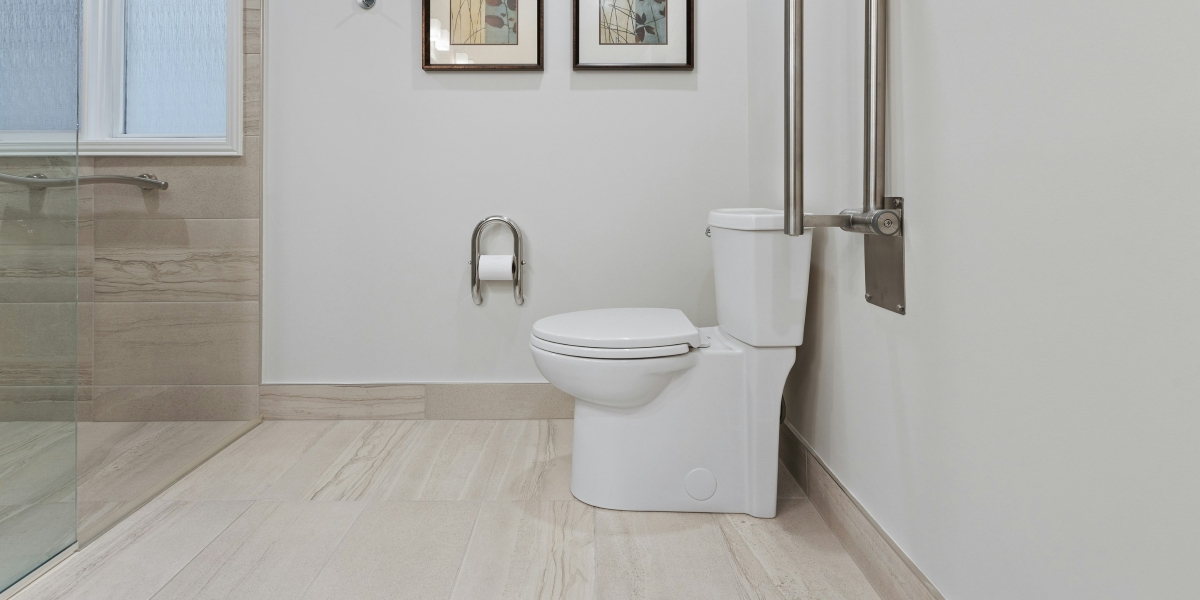
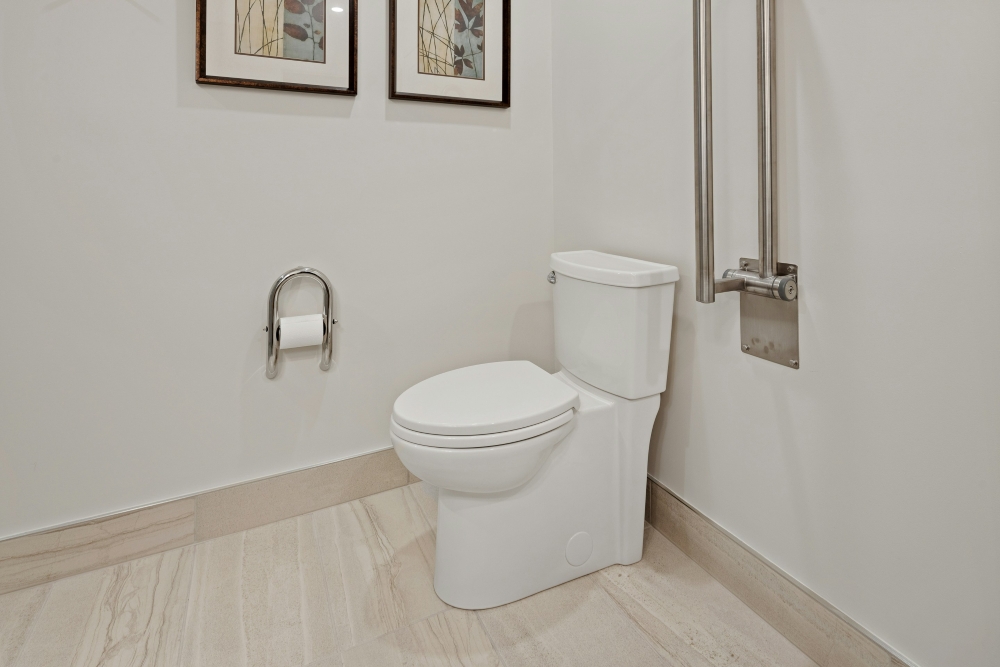
A two-piece toilet has two separate parts: the tank and the bowl. They’re joined with bolts and a gasket during installation. This design has been around for decades, making it the most commonly used toilet type in American homes. It’s generally regarded for its reliable water efficiency, flushing performance, and long-term maintenance.

3 Reasons Why Two-Piece Toilets Could Be a Smart Choice

Budget-Friendly: Solid Performance Without the Price Tag

Because the tank and bowl are manufactured separately, production and shipping costs tend to be lower—typically 30%–50% cheaper than one-piece toilets.

For example, a reliable two-piece toilet with siphon flushing and dual-flush technology can cost between $120–$250, while a one-piece with the same features might start at $300 or more.

For families remodeling on a budget—whether it’s a starter home, a rental property, or a basic upgrade—a two-piece toilet could be an affordable option without significantly increasing costs.

Lower Maintenance: Replace Parts, Not the Whole Toilet

The separate tank design offers potential benefits for long-term care:

  • Easier part replacement: Fill valves and flush valves usually last 3–5 years. With a two-piece, you can swap them out for $10–$20 parts from any hardware store, often DIY-friendly. In contrast, one-piece toilets typically require professional repair—and in some cases, a full replacement.
  • Simpler repairs: If the bowl clogs or the seat cracks, you only need to deal with that part. With one-piece toilets, the heavier design (often 100+ lbs) means shifting the entire fixture, which can risk damaging floor seals.

Data from home repair services suggests that two-piece toilets could cost about 60% less to maintain and repair compared to one-piece models.

High Compatibility: Works in More Homes

Two-piece toilets tend to adapt well to tricky layouts:

  • Older homes: Many older bathrooms don’t have standard rough-in distances (the space between the wall and the drain pipe). Two-piece toilets are typically more flexible, and some brands even offer custom rough-in sizes.
  • Small bathrooms: Slim-tank models (as thin as 5–6 inches) take up less depth than comparable one-piece toilets, which can be a good fit in compact bathrooms.
  • Low water pressure: Certain two-piece toilets come with pressure-assisted tanks, making them effective in older homes with weak plumbing systems. One-piece models generally require stronger pressure to flush efficiently.
Are Two-Piece Toilets Worth It? 3 Needs + 4 Key Factors to Help You Decide

Photo: Unsplash.com

2 Potential Downsides You Should Know

Style & Cleaning: Seams Collect Dust

The joint between the tank and the bowl is a dust trap. While the seal typically prevents leaks, dirt and water stains might build up, requiring extra scrubbing.

Style-wise, two-piece toilets are often considered more practical. If you’re going for a sleek, high-end, minimalist look, the seam may disrupt the visual flow. In that case, one-piece toilets could be the better aesthetic fit.

Installation Precision: Must Be Done Right

Installing a two-piece toilet isn’t overly complicated, but it does require precision:

Bolts and gaskets must be tightened evenly.

The tank must align perfectly with the bowl to prevent leaks.

While a trained installer should handle this easily, a one-piece toilet may be simpler since it comes as a single unit.

Final Decision: Who Should—and Shouldn’t—Choose a Two-Piece Toilet

Ideal For:

  • Budget-conscious households: Prioritizing function and reliability without paying a premium for design.

  • Low-maintenance families: Elderly residents or busy workers who prefer easy-to-repair fixtures.

  • Special situations: Older homes with odd plumbing layouts, smaller bathrooms, or low water pressure.

Better off with a one-piece toilet if:

  • You want seamless style: A good option for modern, luxury, or minimalist bathrooms.

  • You hate extra cleaning: One-piece models are often easier to wipe down with no seam for dirt to collect.

3 Tips for Choosing the Right Two-Piece Toilet

  • Pick siphon-flush over direct-flush: Quieter, more powerful, and less splashback.

  • Check the tank components: Look for well-known brands like Fluidmaster or Geberit for valves and flush systems—they are known to last longer.

  • Confirm installation quality: Ask for silicone gaskets plus bolt tightening, and request a 24-hour leak test after installation.

Bottom Line

Two-piece toilets may not win beauty contests, but they’re generally reliable, cost-effective, and versatile. For most families, the real priority isn’t looks—it’s performance, durability, and value. That’s where the two-piece design may shine.

When choosing a toilet, it’s not about following trends; it’s about fitting your lifestyle. If practicality and price matter most, a two-piece toilet might be worth considering. If seamless style and easier cleaning come first, then a one-piece model could be a good choice.

Further Reading: Are Smart Toilets Really Hygienic? A Deep Dive into Their Antibacterial Technology

Smart Home Upgrades to Help Increase Your Property Value in NYC with Alarm Grid

In the competitive New York City real estate market, every feature that adds convenience, security, and efficiency can make a difference in how quickly a property sells—and at what price. As urban living evolves, buyers are seeking more than just location and layout; they want technology that simplifies their lives. From automated lighting to advanced security systems, smart home features are no longer luxuries but increasingly common expectations. According to Alarm Grid advice, homeowners may enhance their property’s appeal and long-term value by incorporating innovative technologies that could improve safety, comfort, and energy efficiency.

The Urban Real Estate of Smart Homes Rising

In large cities such as NYC, the need for smart homes has grown considerably because convenience and control are highly valued. As many New Yorkers juggle their lives, solutions that enable them to control their homes remotely, whether it’s setting thermostats or monitoring security feeds, are becoming a significant selling point. According to real estate agents, innovative features can increase a listing’s popularity, particularly among younger buyers who value connectivity and sustainability.

This is not just an increasing trend of novelty. Consumers are becoming conscious that intelligent technology might help save time, reduce utility bills, and enhance personal safety. Thus, properties with combined lighting, temperature, and access control systems tend to stand out in the sea of properties. Space is a precious commodity in a city, and functionality counts—smart upgrades can make even small areas seem more high-tech and efficient.

Security Systems: Protecting What Matters Most

A modern home security system is one of the most sought-after additions to NYC homes. Irrespective of the type of dwelling you live in, whether it’s a high-rise apartment building or a brownstone, the sense of safety is often linked to peace of mind and real value for property. Another key distinguishing factor that potential buyers might look for is advanced security, particularly when it is well integrated with other smart home technologies.

Beginning with motion sensors, smart locks, and security cameras, the solution can be tailored to match the specific design and lifestyle of an urban home. Window and door contact sensors are particularly important as they immediately notify homeowners of unauthorized access. These small devices form the basis of a whole network of alarms. They may prevent break-ins, but when used in conjunction with home automation systems, they could also be programmed to trigger other actions, such as switching on lights or calling authorities.

Energy Economy and Environmental Attractiveness

Homes that help conserve energy are becoming increasingly popular, particularly in cities where electricity costs are high. Connected appliances, smart thermostats, and LED systems enable homeowners to optimize their energy use and minimize waste. In NYC, where environmental responsibility is becoming more important, qualities that ensure sustainability might make a property stand out and resonate with the values of potential buyers.

An intelligent thermostat, for instance, learns a resident’s routine and adjusts temperatures accordingly to help conserve energy.  Intelligent lighting systems dim or shut off when rooms are not in use, helping to save energy and provide convenience. In the long term, these technologies could reduce monthly costs, and some properties may also be eligible for local energy efficiency incentives, making them both eco-friendly and potentially cost-effective investments.

The Convenience of Home Automation

In addition to security and cost savings, smart home automation also improves day-to-day life, offering greater comfort and personalization. Entertainment, lighting, and blinds can be controlled by voice-activated systems, enabling individuals to create a customized environment that suits their daily routine. Consumers appreciate the ability to manage various elements of their home with a few button presses or with the help of a single device or application, especially in a city where time is highly valued.

Imagine coming home on a snowy winter day and having your apartment already heated, with the lights set to a desired level and music playing—all could be automatic through a central control point. These custom-made touches can enhance life, but they also demonstrate that the home is modern, progressive, and well-constructed. These details may be a key factor in competitive property listings.

The ROI of Smart Home Investments

Although the ROI of any upgrade is not certain, some innovative features are likely to provide tangible value for NYC properties. The technologies that typically offer the best ROI include security systems, appliances that use less energy, and climate control. These systems are increasingly viewed as necessities rather than luxuries, especially in both luxury and mid-tier markets.

Additionally, systems controlled by apps can be easily expanded. A homeowner can start with relatively simple automation, such as window contacts or a smart lock, and gradually build more automation over time. This allows for incremental investment while enhancing property value on the spot. As real estate appraisers have observed, homes with integrated smart systems tend to sell faster because prospective buyers view such upgrades as a way to future-proof their investment.

Final Thoughts

Upgrades in smart homes are shifting the expectations of New York City homebuyers. They combine forward-thinking features with practicality, providing enhanced safety, comfort, and cost efficiency—qualities that can increase a property’s perceived value. Starting with simple window contact sensors or even all-in-one automation can make your home more attractive in today’s modern, tech-savvy market. With professional advice, such as that offered by Alarm Grid, NYC homeowners are better positioned to stay ahead of the curve, create a safer and greener home environment, and ultimately increase the value of their property in a city where every added benefit counts.


Disclaimer: The information provided in this article is for general informational purposes only. While every effort has been made to ensure accuracy, the content should not be construed as professional advice. Results from smart home upgrades may vary, and individuals are encouraged to consult with relevant experts before making any investment decisions.

New California Divorce Laws in 2025: What California Residents Need to Know

California has updated several of its divorce-related laws for 2025, aiming to simplify procedures and improve family protections. The changes include allowing couples to file jointly for divorce and adding safeguards around child support and domestic violence. The overall goal is to simplify the process and make it more responsive to real family needs.

One notable update allows spouses to file together, reducing delays and administrative hurdles. There are also new measures intended to protect children with disabilities, and courts are paying closer attention to domestic violence and firearm-related issues. For anyone navigating separation or custody matters, understanding these updates can provide clarity on how they might apply.

If you’re affected by these changes, it may be helpful to learn more about how they apply to your circumstances or seek general information from an experienced legal professional.

Key Changes in California Divorce Laws for 2025

Several updates reshape how family disputes, financial arrangements, and legal protections are handled in California. These changes introduce new procedures, strengthen safety measures, and clarify guidelines for support and custody.

Child Custody Modifications and Firearm Considerations

Courts in California are now placing greater emphasis on firearm possession when reviewing custody cases. If a parent is believed to have firearms under a custody order, the court may schedule a review to assess potential risks to the child’s safety.

Additionally, individuals under such orders must be notified about how to surrender any firearms or ammunition. Authorities are expected to monitor compliance more closely, and violations must be reported unless proven otherwise. These measures are designed to create safer custody arrangements.

Failure to comply with firearm rules could have serious consequences in family law proceedings. Courts also have the authority to issue search warrants if there’s reason to believe weapons are being withheld in violation of protective orders.

Child Support Updates and Special Needs Trusts

A new provision allows courts to direct child support for disabled children into a special needs trust (SNT), provided it meets specific legal standards. This helps safeguard the funds and ensures that children do not lose eligibility for government benefits.

Judges now have more apparent authority to oversee these trusts, offering families a more structured way to manage long-term support. For parents or guardians caring for a child with disabilities, this may be a worthwhile consideration as part of their financial planning.

Streamlined Process for Dissolution of Marriage

Starting January 1, 2026, California couples will have the option to file a joint petition to end their marriage or request a legal separation. Both parties can file together, which simplifies the process and avoids delays caused by separate filings.

The joint petition serves as a means for both parties to move forward collaboratively. However, if either spouse later files a new or separate response, the joint petition may be withdrawn.

This streamlined process aims to minimize conflict and stress, particularly for couples seeking an amicable separation.

Domestic Violence Protections and Restraining Order Enhancements

It will now be easier to request a restraining order in California. Petitioners no longer need to be state residents—they can file in the county where the respondent lives, where the abuse occurred, or where they are temporarily staying.

Courts must also provide clear instructions for firearm surrender to those under a protective order. Law enforcement officers are permitted to obtain search warrants if there is reason to believe that weapons are being concealed in violation of the order.

These changes strengthen protections for survivors of abuse and improve enforcement of firearm restrictions linked to restraining orders.

Implications and Practical Steps for California Residents

The 2025 updates introduce new procedures and property-related rules that may change how couples approach divorce. Staying informed can help residents make well-informed decisions and plan for the future effectively.

Impact of New Laws on Family Law Proceedings

The new joint petition option enables spouses to file together, which streamlines proceedings and alleviates some of the stress typically associated with serving documents.

Another practical change allows one spouse to assume responsibility for the family home’s mortgage without refinancing, making it easier for families to maintain stability after separation. These updates can be particularly useful for couples resolving matters cooperatively.

Guidance from Family Law Professionals

Understanding how these legal updates might apply to your individual situation can be complex. Those going through a divorce may benefit from learning more about their rights and obligations under the new laws or speaking generally with family law professionals for informational purposes.

Long-Term Effects on Special Needs Trust Planning

The latest family law changes also affect trust arrangements for individuals with long-term care needs. Adjustments in property division and child support may influence how these trusts are funded and managed.

Coordination between families and trust administrators remains essential to ensure that financial decisions do not unintentionally impact eligibility for government programs or long-term benefits.

Final Thoughts

California’s 2025 divorce law changes focus on creating smoother procedures, stronger protections, and more flexible support options for families. Staying updated on these adjustments can help residents make thoughtful, informed choices as they navigate new or ongoing family matters.


Disclaimer: This article is for informational purposes only and is not intended as legal advice. For specific guidance, consider consulting an experienced legal professional.

Translating Feeling: The Physical and Virtual Worlds of Tianxu Zhou

By: Yasser Abdelshafy

In the space between code and emotion, creative technologist and multidisciplinary designer Tianxu Zhou crafts experiences that transform abstract feelings into sensory realities. Her work, which spans XR, AI-driven enterprise software, and interactive installations, consistently seeks to build bridges—between people and places, the digital and the physical, and the unseen emotions that connect us all.

Zhou’s practice is perhaps best exemplified by her most recent work, Hometown Sun, an interactive light installation that was exhibited at Illumination NYC and later at DouDou Gallery. Developed in collaboration with Atchareeya Jattuporn, the installation visualizes the simultaneous positions of the sun and moon in both New York City and a location of the viewer’s choice. Audiences use a web application to input their home country, and the installation’s light shifts to reflect the celestial cycles of both places, creating a shared horizon of light. The project’s inspiration is deeply personal, born from the two creators’ shared experience of missing sunrises with family due to a 12-hour time difference.

Translating Feeling: The Physical and Virtual Worlds of Tianxu Zhou

Photo Courtesy: Tianxu Zhou

A Philosophy of Connection

This desire to bridge emotional gaps is the cornerstone of Zhou’s design philosophy. She pursues projects that “invite participation, spark reflection, and foster empathy”. In her view, technology can be a powerful vessel for connection. With Hometown Sun, light is not merely illumination but a “metaphor for warmth, continuity, and human connection,” turning feelings of longing into a communal experience. This artistic journey began in Wuxi, China, where childhood legends of the Yangtze Goddess told by her grandmother sparked her imagination.

Zhou’s artistic journey began in Wuxi, China, where she was drawn to art and storytelling from childhood. Her academic training in design and engineering provided a foundation for combining artistic sensibility with systems thinking. However, it was her move to New York for her master’s at NYU’s Interactive Telecommunications Program (ITP) that crystallized her focus. There, she found a collaborative environment where, in her words, “code could be a canvas and interaction could be a narrative.” Living abroad as an international student in New York intensified her focus on transforming gaps into opportunities for connection and shared experience.

A Diverse Portfolio Traversing Medium Boundaries

While still a student at NYU, Zhou possessed the technical and design acumen to be entrusted with redesigning her program’s website, a project that remains live today. Her expertise in combining art and coding was later applied to Chloe Ward’s Tinker VR, an interactive theater experience exploring the struggle of a loved one with Alzheimer’s. The project, premiered at the 2021 Sundance Film Festival, utilized hand-motion tracking developed by Zhou to immerse the audience in a deeply transformative narrative about memory loss.

Zhou has utilized her skillset to transform the business world, bringing digital innovation to business training, partnerships, and connection. In 2022 she was the lead creative developer for Baidu Metaverse conference experience. Her metaverse allowed 100,000 participants to take virtual journeys around the venue. More recently, she has been applying her skills to workplace learning and development: building simulations that teach essential human and business skills and contribute to a healthy corporate culture.

Translating Feeling: The Physical and Virtual Worlds of Tianxu Zhou

Photo Courtesy: Tianxu Zhou

From institutional web design to immersive festival premieres, Zhou’s practice is defined by its fluidity between technical engineering and human-centered design. Her work is not limited by medium—spanning traditional screen-based interfaces, immersive XR experiences, physical installations, and AI-driven applications. This dual pursuit of creating systems that are both technologically innovative and emotionally resonant has earned her recognition, including a 2021 New York City Artist Corps grant for her work on Hometown Sun

By transforming personal stories into participatory art, Tianxu Zhou continues to design a more empathetic and connected world.