
By: Jeremy Patterson
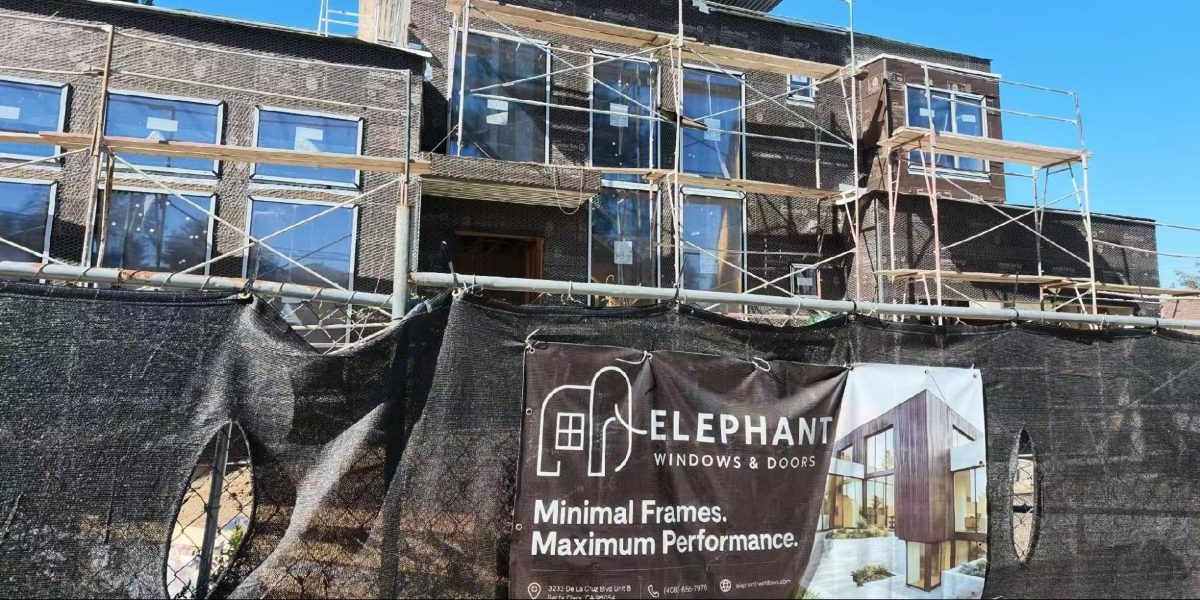
Elephant Windows and Doors Inc., based in Santa Clara, Calif., is expanding in the U.S. residential market by combining design tailored to American homes, in-house product development, and European window and door systems. Its thermally broken aluminum frames, slim sightlines and high-performance glazing are supported by a global manufacturing supply chain and local U.S. services, aiming to balance architectural quality with project budgets.
Expansive glazing, slender metal frames and energy efficiency are priorities in modern residential design, but premium aluminum systems often carry substantial costs. Elephant aims to make these features more attainable without sacrificing materials, architectural proportions or verifiable performance data. Its focus is premium customization at a more accessible price.
The company’s proprietary Prime collection uses thermally broken aluminum systems. Its G Max windows feature a frame sightline of approximately 39 millimeters (1.54 inches), with a combined frame-and-sash sightline of approximately 60 millimeters for operable units. Specifications include triple-pane, argon-filled low-E insulating glass, ultra-clear low-iron glass, and tempered safety glass. Polyamide thermal breaks reduce heat transfer through the frame, balancing daylight and views with thermal performance, structural requirements and everyday operation.
Designed around U.S. housing conditions, G Max has a system depth of approximately 1.88–2.45 inches and accommodates common 2×4 wood-frame walls, imperial dimensions, exterior wall interfaces and installation details. The company’s website reports whole-window U-factors as low as 0.17 for fixed windows and 0.27 for casement and awning windows in specified certified configurations, citing National Fenestration Rating Council (NFRC) certification and CPD reference ELE-M-004. Product selection considers window type, glazing, and local requirements, including California’s Title 24 energy standards. Applicable ratings depend on the final configuration, and suitability is subject to project review.
The Vertex collection incorporates systems from European brands including Schüco and Reynaers for large sliding doors, folding doors, and slim-frame windows. Elephant emphasizes that both European systems and its own products require configurations suited to U.S. opening dimensions, wood-frame construction, drainage and waterproofing details, energy requirements and user preferences.
According to the company, its cost strategy relies on in-house development, specialized global manufacturing, production to project specifications and local technical coordination. This approach aims to direct spending toward thermally broken frames, glazing, precision hardware, and performance while reducing intermediary costs. Actual pricing varies with dimensions, opening types, glass, hardware, and shipping.
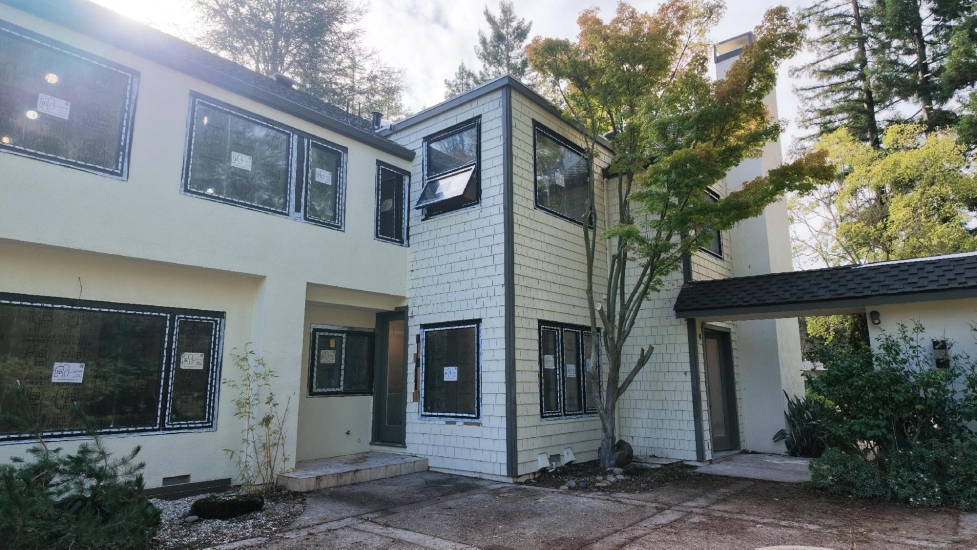
Registered in the United States, Elephant maintains a Santa Clara team serving architects, designers, builders and homeowners. Services include product selection, dimension checks, manufacturing coordination, international shipping, installation coordination, and after-sales support. The company provides NFRC thermal performance ratings, technical documentation, and installation coordination to support design, energy calculations, and construction plan review. Guanwen Wang, who leads the company, also applies his 3D visualization experience to help clients understand how customized windows and doors will fit their spaces before production.
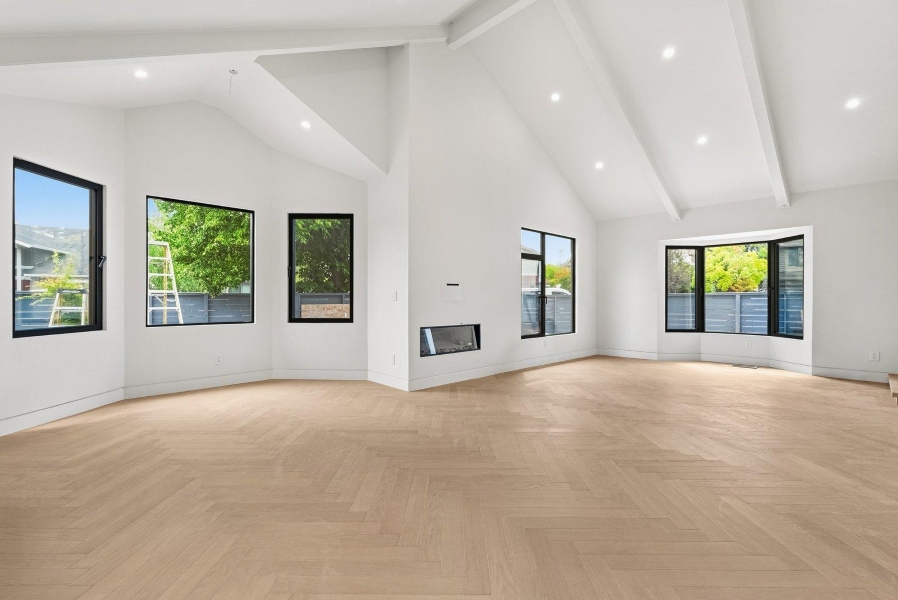
A Palo Alto residential project featured on Elephant’s website illustrates its approach, using slender frames and expansive glazing to emphasize daylight and views. Selected spaces incorporate tilt-and-turn windows and other opening types based on homeowner preferences. The company describes localization as matching each project’s construction, daily use, energy needs, and facade design.
Alongside Prime and Vertex, Elephant offers Timberline aluminum-clad wood windows and doors, insect screens and shading options. It primarily serves Bay Area custom homes, new construction and renovations, while working with architects, designers, contractors and dealers. The company encourages clients to assess materials, system construction, verifiable energy performance, project compatibility and long-term service.
Elephant plans to grow its direct-client projects and dealer partnerships through 2029, according to its general manager. The team is projected to expand from three to 12 people, including nine new full-time U.S. positions.
Drawing on Silicon Valley housing needs, Elephant aims to combine established European systems, proprietary development, U.S.-focused design and technical support with global manufacturing to make premium thermally broken aluminum windows and doors a practical option for more American households.