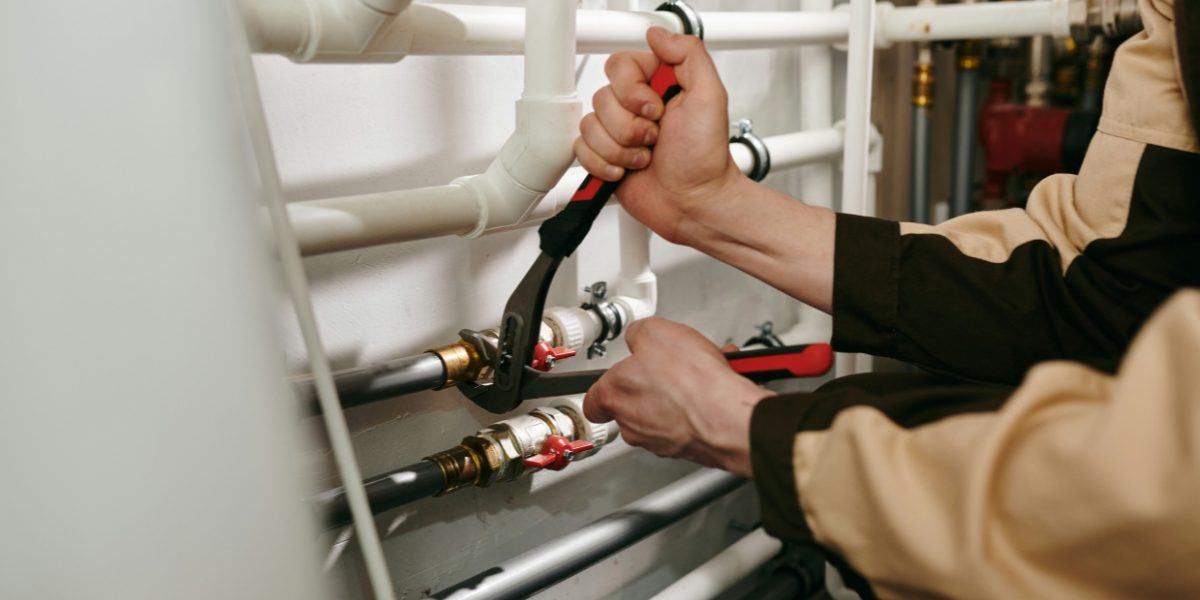

Industrial plumbing is an essential part of the infrastructure that supports factories, warehouses, manufacturing plants, processing facilities, and other commercial and industrial environments. Unlike residential plumbing, which primarily focuses on supplying water and removing wastewater from homes, industrial plumbing involves more complex systems designed to handle large volumes of water, specialised equipment, demanding operating conditions, and strict safety requirements.
These systems may include water supply networks, drainage systems, industrial piping, process water lines, and equipment connections. Depending on the facility, plumbing infrastructure may also need to accommodate high temperatures, pressure variations, chemical exposure, and continuous operation. A properly designed system helps businesses maintain productivity, protect their equipment, and provide a safe working environment for employees.
Understanding the requirements of industrial plumbing allows facility managers and business owners to make informed decisions about installation, maintenance, repairs, and long-term infrastructure planning.
The Importance of Proper Industrial Plumbing Design
Effective plumbing design is fundamental to the performance of an industrial facility. Before installation begins, professionals must evaluate the building’s layout, water consumption, drainage requirements, production processes, and future expansion plans. These factors influence the selection of pipes, fittings, valves, pumps, and other essential components.
An industrial facility may require several independent plumbing networks to serve different purposes. For example, ordinary water supply lines may operate separately from process water systems, cooling equipment, or specialised drainage infrastructure. Separating these systems appropriately helps prevent contamination and ensures that each network operates according to its intended function.
Material selection is another important consideration. Depending on the application, engineers may specify stainless steel, copper, approved plastics, or other suitable materials. Each option has different properties relating to durability, corrosion resistance, pressure tolerance, and temperature performance.
A well-planned system also considers accessibility. Pipes, valves, and connections should be positioned so technicians can inspect and service them without unnecessarily disrupting operations. Careful planning at the design stage can reduce future repair costs and help businesses avoid expensive modifications.
Common Industrial Plumbing Systems and Applications
Industrial plumbing encompasses a wide range of systems that support everyday business operations. Water distribution is one of the most important, providing the supply needed for manufacturing processes, sanitation, cleaning, cooling, and employee facilities. Depending on the industry, water quality and pressure may need to meet specific operational standards.
Drainage and wastewater management are equally important. Industrial facilities often generate wastewater from equipment cleaning, production activities, and routine maintenance. Drainage systems must be designed to handle the expected flow while complying with applicable environmental and plumbing regulations. Certain facilities may also require pretreatment systems before wastewater can enter the public sewer network.
Industrial piping systems connect machinery, tanks, pumps, and other equipment. These networks must be suitable for the fluids they carry and the conditions under which they operate. Incorrect pipe sizing, unsuitable materials, or poorly installed connections can lead to leaks, pressure problems, and operational interruptions.
Plumbing can also work alongside heating, ventilation, and air conditioning systems. For example, water lines and drainage connections may be necessary for cooling equipment, boilers, and other mechanical installations. Coordinating plumbing with electrical and HVAC infrastructure helps create a more reliable and efficient facility.
Preventive Maintenance and Reliable Performance
Regular maintenance is essential for keeping industrial plumbing systems operating efficiently. Because many industrial facilities depend on uninterrupted production, even a relatively small plumbing fault can affect multiple departments, delay orders, and increase operating expenses.
Preventive maintenance involves inspecting pipes, valves, pumps, joints, and drainage components to identify potential problems before they become serious. Technicians may look for corrosion, unusual pressure changes, leaks, blockages, damaged insulation, and signs of equipment deterioration.
Water quality should also be monitored where mineral deposits, sediment, or chemical imbalances could affect performance. In systems that use heated water, cooling equipment, or specialised industrial processes, appropriate cleaning and treatment procedures can help reduce scaling and corrosion.
Maintenance schedules should reflect the facility’s operating conditions, equipment specifications, and the consequences of a possible failure. High-demand systems may require more frequent inspections than infrastructure used occasionally.
Maintaining accurate service records is another useful practice. Documentation of repairs, inspections, component replacements, and recurring faults helps facility managers recognise patterns and plan future maintenance budgets. This approach supports better decision-making and reduces the likelihood of unexpected disruptions.
Safety, Compliance, and Professional Installation
Industrial plumbing projects must account for safety throughout the design, installation, and maintenance process. Improperly installed pipes, leaking connections, inadequate drainage, and unsuitable materials can create risks for workers, equipment, and the surrounding environment.
Compliance requirements vary according to the facility’s location, industry, and intended use. Projects may need to meet local plumbing codes, building regulations, backflow prevention requirements, wastewater standards, and relevant workplace safety rules. Systems carrying hazardous or specialised substances may require additional controls and carefully selected components.
Professional installation helps ensure that plumbing systems are correctly sized, securely connected, and tested before being placed into service. Qualified contractors can assess existing infrastructure, identify potential weaknesses, and recommend solutions that match the building’s operational requirements.
Coordination between plumbing professionals, mechanical contractors, electricians, engineers, and facility managers is particularly important during new construction and major renovations. Clear communication helps prevent conflicts between systems and ensures that maintenance access, equipment placement, and utility connections are properly considered.
Businesses should also ensure that employees know how to report leaks, recognise plumbing-related hazards, and follow established emergency procedures.
Improving Efficiency and Planning for the Future
Modern industrial facilities increasingly focus on reducing water consumption, controlling operating costs, and improving the reliability of essential building systems. Industrial plumbing can contribute to these goals through efficient fixtures, leak detection, appropriate pressure regulation, and water recycling where technically and legally suitable.
Monitoring water consumption can help businesses identify unusual usage patterns that may indicate hidden leaks or inefficient processes. Upgrading outdated pipes, pumps, and valves may also improve performance, particularly when existing components require frequent repairs or no longer meet operational demands.
Long-term planning should consider changes in production capacity, new equipment, and potential building expansions. Designing infrastructure with sufficient flexibility can make future upgrades easier and reduce the need for major reconstruction.
Industrial plumbing is ultimately an investment in the reliability, safety, and efficiency of a facility. By combining thoughtful design, professional installation, routine maintenance, and responsible resource management, businesses can protect their infrastructure and support consistent operations. Working with experienced plumbing professionals helps ensure that systems meet current requirements while remaining adaptable to future industrial needs.