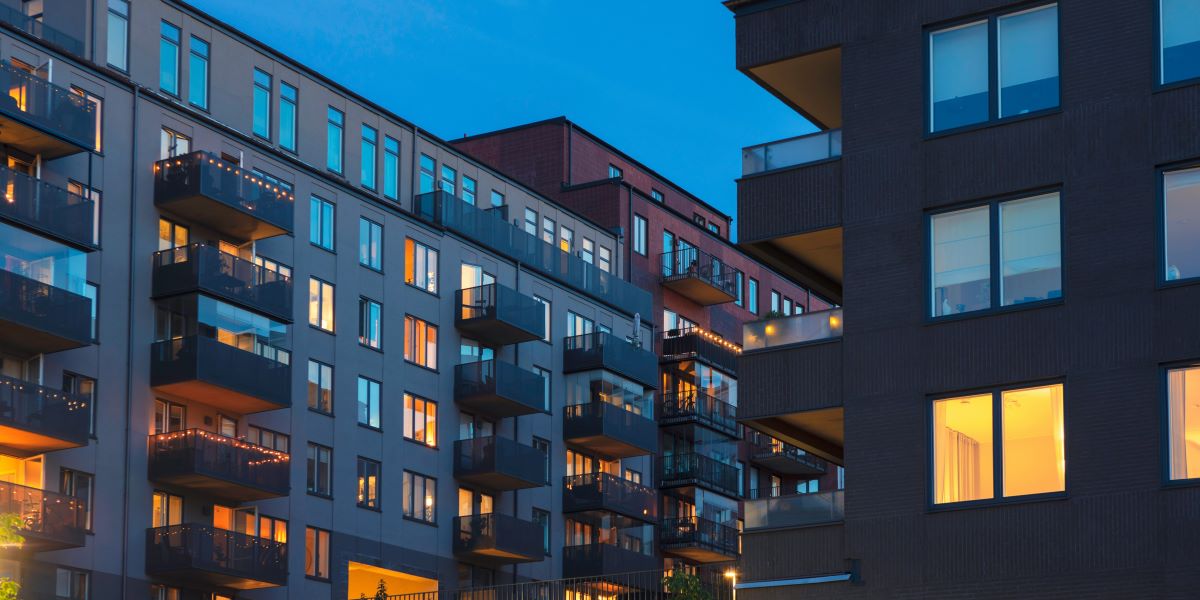

The NYC housing lottery runs through Housing Connect, the city’s online application system for affordable homes assisted by HPD and HDC. Applicants build one household profile and apply to open lotteries, and each application receives a random log number after the deadline. Disability set-asides and preference groups are reviewed first, followed by everyone else in log order.
Key Takeaways
- HUD’s 2026 area median income for the New York City region is $152,700 for a three-person household.
- Housing Connect randomizes online and paper applications together, and the lottery log becomes available about a week after paper applications are entered.
- Projects financed by HPD and HDC set aside 7 percent of units for households with a member who has a mobility, vision or hearing disability.
- HPD connected a record 10,336 households to affordable homes through Housing Connect in fiscal year 2025.
- An applicant offered a unit has five weekdays to respond before the offer moves to the next eligible applicant.
- The city’s May 2026 SPEED report set a goal of cutting median lease-up time from 210 days to fewer than 100.
The NYC Housing Lottery Starts With a Single Housing Connect Profile
Housing Connect first launched in late 2013, moving the city’s affordable housing lottery from paper onto the web. The version New Yorkers use today went live on July 1, 2020, and every lottery since has been marketed through it.
The design choice that shapes the NYC housing lottery more than any other is that the profile is the application. Household members, incomes, assets and disability status are entered once, and that profile is submitted to every development the household applies for. Applicants who cannot use the website can request a paper application by following the instructions printed in each lottery advertisement.
The practical effect is that accuracy compounds. A profile that understates household income or leaves out a household member carries the same error into every lottery it touches.
Advertising Windows and the Random Log Number
Every lottery is advertised before applications close. Buildings with 20 or more available units follow standard marketing, with a 60-calendar-day advertising period. Smaller efforts can use modified marketing, which can be shorter but never less than 21 days.
After the deadline, the marketing agent collects paper applications from the post office, generally seven to ten business days later, and enters them into Housing Connect under agency supervision. The system then randomizes online and paper applications together to produce the lottery log.
A log number is a place in line, not a score. A low number means earlier review. A high number means the building may lease up before that application is reached. Housing Connect also polices duplicates: if one person appears on two applications for the same project with different household members, every one of those applications is found ineligible.
Set-Asides and Preferences Decide the Order of Review
The randomness of the NYC housing lottery is only the first layer. Marketing agents must process batches in a fixed order: applicants with disabilities first, then residents of the community district where the building sits, then New York City municipal employees paid by the City.

Photo Credit: Unsplash.com
The community preference covers a share of units set for each project and listed in its advertisement, historically as much as half. Within every category, and in the general pool, applicants who live in New York City are reviewed before non-residents.
The result surprises many first-time applicants. A household with a high log number that qualifies for a preference can be reached well before a household with a low number that does not.
2026 NYC Housing Lottery Income Limits Follow Area Median Income
Income eligibility is tied to area median income, which HUD sets each year. For 2026, 100 percent of AMI is $118,800 for one person, $135,700 for two, $152,700 for three and $169,600 for four.
Each lottery advertisement lists a minimum and maximum income by household size. The household’s combined income has to land inside that range, so earning too much rules an applicant out just as earning too little does. One exception applies: households with tenant-based Section 8 or similar subsidies are not held to the advertised minimum income, and they cannot be rejected solely for using a voucher.
HPD Income Bands Range From Extremely Low to Middle Income
HPD sorts units into five bands: extremely low income (0 to 30 percent of AMI), very low (31 to 50), low (51 to 80), moderate (81 to 120) and middle (121 to 165). New supply comes from projects across the five boroughs, such as the conversion of a vacant West Chelsea correctional facility into 131 affordable homes, and each building sets its own mix of bands.
Why NYC Housing Lottery Applicants Often Wait Months
When a log number comes up in a batch, Housing Connect takes a snapshot of the profile, and that snapshot becomes the application of record. Applicants who appear eligible are asked for documents and given at least ten weekdays to respond, with a follow-up request allowing at least five more.
No lease can be signed until HPD or HDC completes its own review. Once a unit is offered, the applicant has five weekdays to accept before the agent moves on. Depending on application volume, a building can finish leasing before every applicant on the log is contacted.
The system is placing more households than ever. HPD connected a record 10,336 households through Housing Connect in fiscal year 2025, the third straight record year. Speed remains the weak point, and the city’s SPEED report released in May 2026 set a goal of cutting median lease-up time from 210 days to fewer than 100.
FAQs
How do you qualify for the NYC housing lottery?
Eligibility is set lottery by lottery. A household qualifies when its size and combined income fall within the range listed in that building’s advertisement. Preferences affect the order of review, not eligibility itself.
How likely is it to get picked in the NYC housing lottery?
HPD does not publish citywide odds. An applicant’s chances depend on their log number, whether they qualify for a set-aside or preference, and which unit sizes remain. HPD placed 10,336 households through Housing Connect in fiscal year 2025.
How long does the NYC housing lottery take?
Standard lotteries are advertised for 60 calendar days, and the log is generated a couple of weeks after the deadline. Document review, agency review and the five-weekday offer window follow, and the city is targeting a median lease-up time under 100 days.
What does a log number mean on Housing Connect?
A log number is a randomly assigned position in line for one lottery. Marketing agents work from the lowest numbers upward after processing set-aside and preference batches. When identical duplicate applications are found, only the one with the highest log number is kept.
How much do you need to make to afford $1,500 rent in NYC?
HPD considers housing affordable when it costs about one-third of income or less. By that standard, $1,500 a month in rent corresponds to an annual household income of roughly $54,000. Individual lottery units set their own minimum incomes in each advertisement.