The Caring Judge: John Leventhal’s Lifelong Pursuit of Justice

By Jeremy Murphy

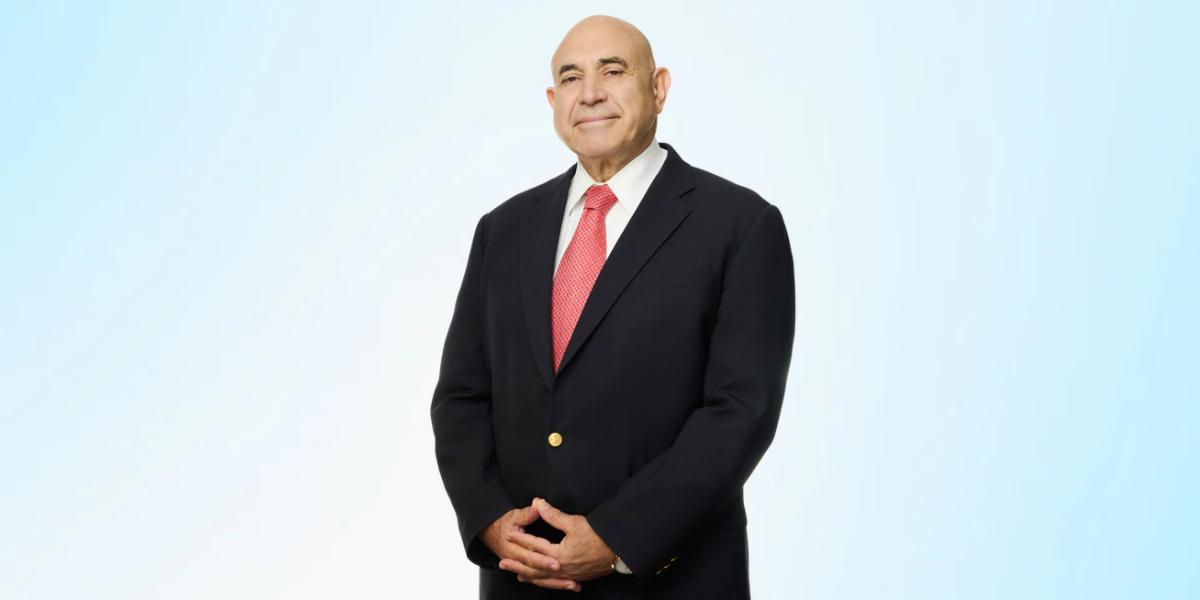
At Aidala, Bertuna & Kamins, P.C., the Honorable John M. Leventhal brings over four decades of legal experience to the firm’s most complex matters. A retired jurist, Leventhal is a partner at the firm, focusing on appellate law, civil and criminal litigation, trusts and estates, and guardianships.

Since joining the firm following his retirement from the bench in 2021, Leventhal has become a key member of what he describes as a “deep appellate bench.” He argues appeals, contributes to appellate briefs, assists on complex legal issues, and mentors younger lawyers. “Since January, I’ve argued four appeals,” Leventhal says. “One in the Second Circuit, one in the Court of Appeals, and two in the Second Department. I contributed to all four of the briefs.”

The work allows him to continue doing what he loved most during his judicial career: tackling intellectually challenging legal issues.

Known throughout New York as one of the most thoughtful and compassionate jurists, Leventhal now uses his experience to help shape legal strategy and strengthen the firm’s appellate practice.

From the Classroom to the Courtroom

His remarkable legal journey began far from the courtroom. Raised in Riverdale, Leventhal earned a bachelor’s degree in psychology from Case Western Reserve University before teaching middle school mathematics in the South Bronx. He later received a master’s degree in Urban Affairs from Hunter College and considered pursuing a doctorate in urban sociology.

Then a constitutional law course changed everything. “I took this course with Edwin Margolis, who was counsel to the legislature,” Leventhal recalls. “I was smitten.” Within days, he had taken the LSAT and decided to attend law school.

Leventhal attended Brooklyn Law School at night while working as a grievance director for a labor union. His path into the profession was unconventional, but it laid the foundation for a career defined by public service, scholarship, and enduring fascination. “I always loved the law, and I continue to love the law,” he says.

After graduating and serving as a legal clerk, Leventhal entered private practice before becoming counsel to the Brooklyn Democratic Party. In 1994, he was elected to the New York State Supreme Court in Kings County. It was there that he would make legal history.

Changing the Way Courts Saw Domestic Violence

Leventhal was selected to preside over the nation’s first felony Domestic Violence Court, an initiative that transformed the way courts addressed domestic abuse cases. At a time when domestic violence was often overlooked, the court introduced innovative methods to improve accountability while protecting victims.

The program attracted international attention, with judges and court administrators traveling from around the world to observe its operation. Leventhal later chronicled those experiences in his 2016 book, My Partner, My Enemy: An Unflinching View of Domestic Violence and New Ways to Protect Victims. His work earned widespread recognition, including a Special Commendation from the U.S. Department of Justice for his contributions to violence prevention against women and improved judicial oversight of domestic violence offenders.

In 2008, Governor Eliot Spitzer appointed Leventhal to the Appellate Division, Second Department, where he spent the next 13 years hearing appeals from trial courts throughout New York’s largest judicial department. As an appellate judge, he authored influential decisions on constitutional law, scientific evidence, discrimination, and criminal procedure. “I was the first judge in New York to find that there was a freestanding claim of actual innocence under the New York State Constitution,” he says about one of his most notable contributions. His opinions would later be cited by courts across the country and discussed extensively in legal scholarship.

A New Chapter in Appellate Advocacy

Even after retiring from the bench in 2021, Leventhal never considered stepping away from the law. “You never stop learning,” he says. “When you stop learning, then it’s time to retire.”

That philosophy helps explain why he remains so active at the firm today. He continues to bring the same intellectual curiosity that defined his judicial career. Just as important, he says, is the firm’s culture. “I love the camaraderie,” Leventhal says. “That’s why I enjoy going to work.”

He also appreciates the firm’s willingness to take on challenging and sometimes unpopular cases, a principle he traces back to his legal hero, John Adams, who defended British soldiers following the Boston Massacre. “He believed in the right to counsel,” Leventhal says. “That was the most important service he believed he gave his country.”

It is a philosophy that resonates deeply with Leventhal’s own career. One built on fairness, compassion, and an unwavering commitment to justice. For one of New York’s most respected jurists, retirement has simply provided a new platform to continue serving the law he has loved for more than four decades.

aidalalaw.com

Staying Safe in NYC and What to Do If an Accident Happens

New York is a busy city, with millions of travelers navigating the streets daily. Knowing what to do before and after an accident there matters.

New York City is home to millions, and it offers a variety of ways for visitors and residents to navigate its environment. Whether someone is walking, riding a scooter, or getting into a taxi, safety on crowded streets requires awareness. Still, an accident is always possible. When circumstances move past basic preparedness, the advice of New York personal injury lawyers may be relevant.

Awareness at Crosswalks and Intersections

Turns, merges, crossings, and junctions introduce complexity to the road, and with it, uncertainty. When moving from one place to the next, always use marked crosswalks and obey pedestrian signals for your safety, and never assume drivers will stop. Make eye contact if possible and keep watch for turning vehicles, especially at night and in poor visibility.

“Always look for the walk signal and wait until it shows ‘Walk’ before you cross,” a pedestrian safety article from the National Highway Traffic Safety Administration advises. “Don’t just follow the crowd; check for yourself and only cross when it’s safe.”

Practicing Scooter and Taxi Safety in NYC

Similar to bicycles, scooters exist between pedestrian and vehicle travel. While appropriate bike and scooter infrastructure may be available, riders must remain aware of both motor vehicle and pedestrian roadway rules. As such, riders should be especially cautious around intersections and parked vehicles.

“Fatalities among motor vehicle occupants are at 21, a record low as well, down from 24 in 2025,” a press release from the NYC Department of Transportation explained. “Fatalities among e-bike and stand-up scooter users, however, have increased.”

Taxis are a fixture of NYC, as are rideshares more recently, but these vehicles are not without their own risks. One should ensure that the vehicle and license plate match before entering, and choose safe, well-lit pickup and drop-off locations. Aside from these considerations, it’s important to remain aware of one’s surroundings when a vehicle stops on a busy road. Avoid stepping into traffic, and always buckle up.

What to Do After an Injury

When someone is injured while traveling, they should take the following steps as they are able. Move to a safe location, call emergency services, and seek medical attention if necessary.

Photograph the scene thoroughly or otherwise document conditions, and obtain relevant contact and insurance information. Avoid making assumptions about fault or accepting a settlement before understanding the situation.

When a Legal Professional May Have Answers

Often, an injury that involves a vehicle, taxi, scooter, bicycle, or pedestrian will also involve certain legal questions. If someone does not understand their situation, an experienced lawyer may be able to offer advice or advocate on their behalf.

Even if someone has taken proper steps to reduce their risk, professional support can make a difference if and when an accident occurs.

FAQs

Q: What should someone do after a NYC transportation accident?

A: Prioritize safety first and foremost, and seek medical attention if necessary. As able, document the incident by gathering relevant contact information, photos, and other records.

Q: Should someone see a doctor after an accident?

A: Even if it doesn’t seem needed, one should visit a doctor after an accident. Adrenaline can disguise some injuries for hours or days, and a medical evaluation can be a useful record of one’s condition.

Q: What precautions should scooter riders take in NYC?

A: City roads can be chaotic, making it important for riders to remain alert and follow applicable roadway rules. Use appropriate infrastructure where it is available, and never ride while impaired or distracted.

Q: When should an injured traveler consider legal guidance?

A: When another person’s conduct may have contributed to the injury, legal guidance can help someone understand potential claims and insurance issues, as well as applicable deadlines and documentation.

Disclaimer: This article is for general informational purposes only and does not constitute legal advice or create an attorney-client relationship. Laws and legal requirements vary by jurisdiction and depend on the specific facts of each situation. If you have been injured in an accident, consider consulting a qualified attorney about your individual circumstances, potential claims, insurance issues, and applicable deadlines.

Dr. Camilo Henao on Innovation in Plastic Surgery, Body Contouring, and International Reach from Colombia

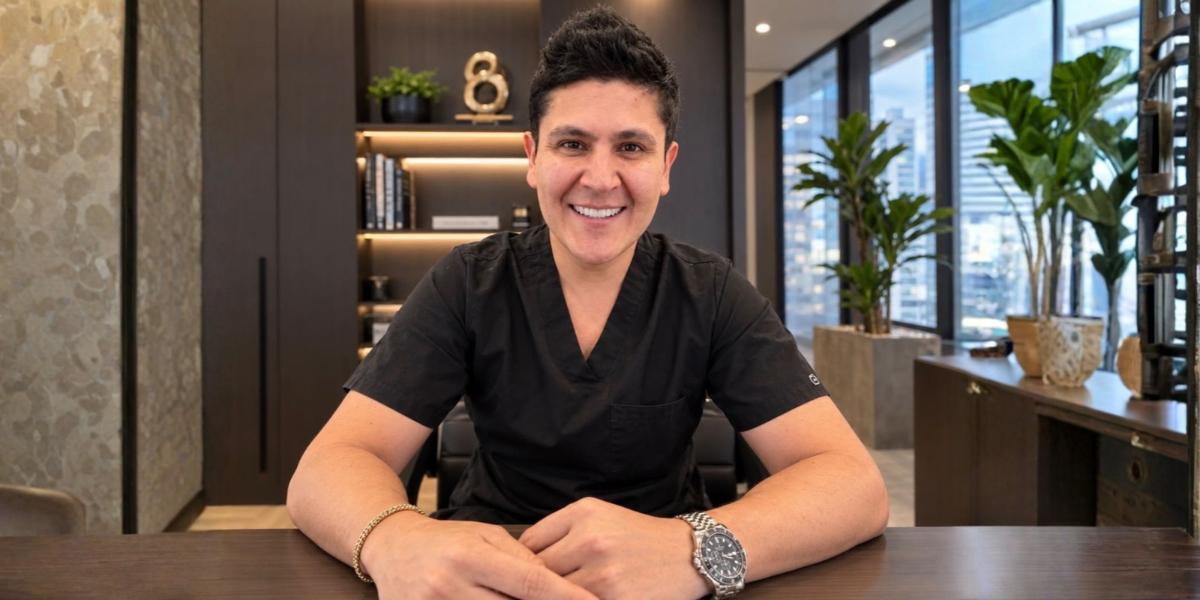
BOGOTÁ, COLOMBIA. Colombia continues to establish itself as a destination of interest for patients seeking options in plastic and aesthetic surgery. In this setting, Dr. Camilo Henao practices in Bogotá, offering a range of aesthetic surgical procedures, from body contouring to breast and facial surgery.

In 2024, according to information provided for this article, the specialist received the distinction of “Breakthrough Surgeon of the Year,” an award that adds to his professional profile in a field characterized by evolving surgical techniques and growing demand for personalized treatments.

A Broad Range of Aesthetic Procedures

Dr. Camilo Henao’s practice encompasses various procedures focused on body contouring, breast surgery, and facial aesthetics. The procedures he performs include liposuction, high-definition liposuction (Lipo HD), reverse lipotomy, breast augmentation, and rhinoplasty.

Each procedure serves a different purpose. While liposuction and body contouring techniques aim to modify specific areas of volume and enhance body definition, breast augmentation allows patients to change breast volume through different surgical techniques. Rhinoplasty, meanwhile, focuses on reshaping the nose and, depending on the case, addressing functional concerns.

Choosing the appropriate procedure requires an individualized medical assessment that considers the patient’s anatomy, overall health, expectations, and potential risks. Surgical planning and postoperative follow-up are essential components of responsible medical care.

Interest Among Public Figures and Well-Known Personalities

Plastic surgery maintains a prominent presence in the worlds of fashion, entertainment, and social media. In this environment, professional reputation and trust play an important role for individuals considering aesthetic treatments.

According to the information provided for this profile, Dr. Camilo Henao is among the specialists attracting interest from women connected to the world of public figures and well-known personalities. This segment represents a visible part of a market in which discretion, individualized care, and careful procedural planning are important considerations.

From the United States and Europe to Bogotá

Medical tourism has become a significant component of the international development of healthcare and aesthetic surgery services in Colombia. Bogotá attracts interest from patients exploring treatment options outside their countries of residence.

According to information supplied for this article, Dr. Henao receives patients traveling from the United States and various parts of Europe to attend consultations and undergo aesthetic procedures in Bogotá.

This international movement requires planning that extends beyond the surgical procedure itself. Verifying professional credentials, assessing the medical facility, allowing sufficient recovery time, and ensuring access to postoperative appointments are essential considerations for patients traveling from abroad.

Coordinating medical follow-up is particularly important when patients must return to their home countries, as every procedure involves specific recovery periods and medical instructions.

Medical Communication and Digital Presence

Digital platforms have transformed the way plastic surgeons present their work and share information about available procedures. Educational content and direct communication allow patients to explore different options and prepare questions before a medical consultation.

In this context, Dr. Camilo Henao’s digital presence reflects a broader trend connecting aesthetic surgery with an international audience increasingly interested in body contouring, breast procedures, and facial aesthetics.

Transparent information, realistic expectations, and individualized medical assessments remain central to making informed decisions.

A Look at the Future of Plastic Surgery

Advances in surgical techniques and growing international interest continue to keep Colombia in the global conversation surrounding plastic surgery and medical tourism. In this landscape, specialization, personalized planning, and responsible patient care remain fundamental to the development of the sector.

Based in Bogotá, Dr. Camilo Henao practices in several areas of aesthetic surgery, offering procedures that include body contouring, breast augmentation, and rhinoplasty, among other interventions.

Photo Courtesy: Dr. Camilo Henao

About Dr. Camilo Henao

Dr. Camilo Henao is a plastic surgeon based in Bogotá, Colombia. His professional practice includes body contouring procedures, conventional and high-definition liposuction, reverse lipotomy, breast augmentation, and rhinoplasty. His profile is also associated with the interest of international patients considering Colombia as a destination for exploring aesthetic surgery options.

More about Camilo:
https://www.instagram.com/drcamilohenao
https://www.drcamilohenao.com

Disclaimer: This article is for informational purposes only and should not be considered professional medical advice. Readers are encouraged to consult a qualified healthcare professional before making any medical decisions. Individual experiences and results may vary, and the information presented does not guarantee specific outcomes.

New York Buyers Relocating to Florida Are Weighing Three Tax Provisions, Not One

The absence of a state personal income tax is the provision that gets cited when New York residents discuss relocating to Florida. It is also the one that does the least work over a long holding period. Two less-discussed mechanisms, an assessment cap and a portability provision, account for much of the long-term advantage.

Sandra Tuttle, founder of Island Welcome Real Estate in Summerland Key, works with relocating buyers in the Florida Keys and reports sustained inbound interest from New York and California over the past several years.

The Assessment Cap

Florida’s Save Our Homes provision limits annual increases in assessed value on a homesteaded property to three percent. In a market where actual values have risen considerably faster, the gap between assessed and market value compounds year over year.

For a buyer planning to hold a primary residence for a decade or more, this is the provision that produces the largest cumulative effect. It applies only to homesteaded property, meaning the owner’s primary residence, not a second home or an investment property.

Portability

The second mechanism allows an owner who has accumulated savings under the assessment cap to carry a substantial portion of that benefit to a new primary residence within Florida. An owner who held a home for many years and built up a significant gap between assessed and market value does not surrender it entirely when moving.

The practical effect is that relocating within the state does not reset the clock the way it would in most jurisdictions. For buyers who expect to move at least once after arriving, the provision materially changes the long-term calculation.

The November Measure

A proposed amendment on the November ballot would raise the homestead exemption from $50,000 to $250,000 on non-school taxes, subject to 60 percent voter approval. The benefit concentrates among owners whose property values sit near the exemption ceiling.

For buyers purchasing at higher price points, the relief is real but proportionally smaller. Tuttle uses one percent of purchase price as a working estimate for annual property tax in the Keys, and against that base the additional exemption is a partial offset rather than a decisive factor.

The measure also contains a timing provision. Buyers who are not homeowners by the end of 2026 would see the expanded exemption phased in across five years rather than applied at full value.

What This Does Not Cover

Tuttle is careful about the boundary between market guidance and tax advice. Real estate agents can outline the structure and explain how the provisions interact with a purchase, but the analysis that determines whether relocation makes financial sense for a particular household belongs with a Florida CPA.

She also notes that the tax position is one input among several. Carrying costs in the Florida Keys include insurance that runs near one percent of value annually, and buyers evaluating a move on tax grounds alone frequently underestimate what ownership costs once they arrive.

About the Expert

Sandra Tuttle is the founder of Island Welcome Real Estate, a local boutique real estate brokerage based at 24437 Overseas Highway, Summerland Key, Florida. She has lived in the Florida Keys since 1997 and has worked in Keys real estate for 22 years. Her practice mainly focuses on canal-front and waterfront residential property in the Lower Keys and Middle Keys, but they service all of the Florida Keys, from Key West to Key Largo.

Disclaimer: This article is based on information provided by the expert source cited above. It is intended for general informational purposes only and does not constitute legal, financial, or real estate advice. Readers should conduct their own research and consult qualified professionals before making any real estate or financial decisions.

Spring Has Come to Hazelton and Somebody Has Ruined It: N.E. Carlisle’s Books, Bunnies, and a Body Is the Coziest Mystery You Will Read This Season

By: Cesarino Montana

There is a specific pleasure that the best cozy mysteries deliver and that no other genre quite replicates, the pleasure of being thoroughly at home in a place you have never actually visited, of knowing the streets and the shop owners and the community rhythms well enough that when something terrible intrudes on the ordinary sweetness of daily life, the disruption feels genuinely personal rather than merely dramatic. N.E. Carlisle has built exactly that kind of place in Hazelton, Oregon, the charming coastal town where bookshop owner Année runs The Literary Table out of her home with Oscar, her rabbit-chasing Bernedoodle, providing both comic relief and investigative assistance. Books, Bunnies, and a Body is the second installment of the award-winning Bonne Année Mysteries, and it delivers everything the first book earned while deepening the world it established in ways that make Hazelton feel even more irreplaceably itself.

Spring has arrived in Hazelton with chocolate bunnies on order, a Peter Rabbit tea and brunch on the event calendar, and Oscar on full-time bunny patrol with the focused intensity of a dog who considers himself professionally qualified for the assignment. The seasonal sweetness is genuine and rendered with the kind of sensory specificity that makes Carlisle’s writing so immediately immersive, the smell of something baking, the particular quality of spring light in a coastal town, the comfortable rhythms of a community preparing for its traditions. And then the egg hunt turns up something that no Easter tradition was designed to accommodate, and Hazelton has a mystery to solve before the wedding bells that spring also promised have a chance to ring.

What Carlisle does with that setup reflects the considerable craft she has developed across the first two books of the series. The mystery is genuinely puzzling in the specific way that the best cozy mysteries always are, constructed with enough misdirection to keep the reader guessing without ever resorting to the kind of arbitrary withholding that makes puzzles frustrating rather than satisfying. The clues are there, assembled in the specific way that Année’s work rescuing first editions and treasured classics from shuttered shops and estate sales keeps putting her in proximity to, and the resolution arrives with the satisfying click of something that was always there to be found.

The recipes that close the book are one of the series’ most beloved features, and they are as carefully chosen and as warmly presented as everything else in Carlisle’s fictional world. The note that the Basque cheesecake serves eight, or two after a bad day, captures the spirit of the entire enterprise in a single line, the warmth and the humor and the genuine understanding of how food functions in community and in comfort that gives the Bonne Année Mysteries their particular and lasting charm.

Books, Bunnies, and a Body is a book for readers who love their mysteries the way they love their communities, with warmth and humor and the genuine conviction that even the darkest intrusions can be solved and that the place you love will be waiting for you on the other side.

If you love cozy mysteries with a bookshop setting, a scene-stealing dog, a charming coastal community, and the satisfying combination of a good puzzle and genuinely delicious recipes, Books, Bunnies, and a Body by N.E. Carlisle is exactly the book your reading life needs right now. Grab your copy on Amazon today and spend the season in Hazelton, Oregon, where spring is beautiful and murder is always, apparently, a tradition.

How Real Estate Developers Can Identify Emerging Opportunities In Residential Markets

Most developers can tell you about one deal that made their reputation, and it usually was not in a fashionable area. It was a dusty stretch near a half-finished road, priced low enough that friends thought they had lost it. Then a hospital got approved, a few bus routes were added, and the place filled up faster than anyone expected.

Looking back, that reads like genius. At the time, it was an intuition backed by a few facts. There were plenty of similar intuitions in other places that went nowhere. So the real skill is telling the two apart, and that leads to research.

Start Before Picking a Site

Most developers start with a plot. Big and cheap land that is also near a main road. Within an hour, they are sketching floor plans on whatever paper is nearby. From that moment, every problem may feel like an annoyance rather than a warning.

Jake Miakota, CEO at Subdivisions, says, “A promising residential development starts with more than just finding any available land. Developers need to understand local housing demand as well as infrastructure access. Moreover, they also need to know zoning restrictions and construction costs. The needs of future residents are also a considerable point. Evaluating these factors early can help developers find opportunities that are both practical and sustainable.”

So, developers should do the research first, before they have money or ego tied to the site. It is the only time you can judge a location without emotion or anything at stake.

Demand Is About People and Not Totals

A city adding 40,000 residents a year sounds wonderful. Then you find out most are students on three-year courses or contract workers who rent a room and leave. None of them will buy your three-bedroom homes.

What developers should rather know is who is forming new households. Young adults leaving their parents’ place. Divorced couples needing two homes where there used to be one. Older owners who want a flat with no stairs. Each group wants something different, and a town can have plenty of housing on paper and still be short of the exact thing people are searching for.

Infrastructure and How Much You Can Trust It

You must look into water, drainage, roads, electricity, and transport. If these are missing, you either pay to build them or you wait for somebody else to.

Transit announcements are the classic trap. When a line actually opens, nearby values often jump. When it slips six years, and these things do slip, early buyers sit on land and pay interest. Before getting excited, find out whether the money is actually approved and whether any digging has started. Check whether the agency has finished anything similar before.

Utilities are less exciting but sometimes more costly. There are projects where the team spent weeks haggling the land price down, then discovered the sewer connection would run into six figures. They had barely looked at it. The negotiated savings were a fraction of that bill.

Zoning Will Overrule Your Enthusiasm

You can fall for a site and then learn the rules allow only low-density houses. Or even if they allow your plan, the approval may take a year and a half.

Read the zoning, and then read the long-term master plan. It will show where the city actually wants to grow. Locations near areas that are marked for higher density or mixed use are usually worth a look. It is so because the rules are moving your way. Land that planners want to keep green will be a slog regardless of what buyers want.

You can also go to the planning office early. Ten minutes of honest conversation with the planner can tell you more than a stack of documents. You will find out how strictly rules get applied and how long permits often really take. Waiting and delays cost money. Every extra month of delay is another month of interest on your loan.

Run the Numbers on Construction Costs

A site can have a strong demand and good zoning and still fail on costs. It usually happens in the construction market. Build a budget with all the contingencies and then break it on purpose. What if the costs rise by ten percent? What if the sales take a year longer than planned? What if interest rates go up? It is great if the project survives all three. The margin is considered too thin even if a single bad assumption sinks in, and you should walk away.

Pay for a proper site investigation before you put in your money. A sloped site with a lovely view might command a premium, but earthwork and retaining walls can eat the whole premium look. Spending a few thousand early will be nothing compared with hitting rock or groundwater halfway through construction.

Picture the Actual Residents

It is easy to design for an imaginary average buyer. Real neighborhoods are full of particular families on particular incomes. The match between them and your product is where many projects may go wrong.

Look at what local people earn and what share goes on housing already. If your pricing sits far above that, you are betting on outsiders moving in, which is a different and riskier business. Check household sizes as well. An area full of extended families is not going to want a block of studios.

Go among the people and ask around. It is so because residents will tell you what is missing without much prompting. There may not be enough two-bedroom apartments or nowhere safe for children to play. Parking chaos. Nothing suitable for elderly parents. These complaints are market research that is good enough, and you also do not have to pay for it.

Habits have shifted a bit lately. More people work from home some days, so a small spare room is worth real money. Energy bills rose, so buyers now ask about insulation, which they hardly did ten years ago.

Visit the Site and Look Around

Photo Courtesy: Unsplash.com

Spreadsheets only take you so far. Go around the area on a weekday morning. Then again on a Saturday night. Are new shops opening or old ones boarded up? Are buildings getting renovations? Notice whether there are strollers on the pavement and customers in the cafes. Small details like these often show up months or years before official statistics do.

Talk to local agents and anyone nearby. They usually know which streets are warming up and which projects are quietly struggling. Check building permit numbers too. A sudden jump means other developers have spotted the same thing. It can confirm your observation or warn you that competition is coming. Land sales are worth watching as well. The experienced buyers may know something you do not if they are quietly picking up parcels.

Recognizing Opportunities Through Research and Planning

Emerging market opportunities do not come with a sign. What you see is a pattern. You need to observe whether more people need homes or access is improving. You also need to look at rules that permit what you want to build and costs you can handle. If most of the patterns line up, take the area seriously. If a couple of pieces are missing, you may have learned something earlier at a low cost rather than later.

The developers who are still around after twenty years are rarely the loudest forecasters. They check, they compare, they ask awkward questions, and they’re comfortable saying no.

Disclaimer: This article is for informational and educational purposes only and should not be considered financial, investment, legal, or real estate development advice. Market conditions, construction costs, zoning regulations, and investment risks vary by location and individual circumstances. Readers are encouraged to consult qualified financial, legal, and real estate professionals before making any investment or development decisions.

Why New York Real Estate Closings Fall Apart Over Who Has Authority To Sign

When a New York real estate closing collapses at the last minute, buyers and sellers usually expect the cause to be a lien, a title defect, or a financing problem. Alexander Paykin, Esq., founder of Paykin Law, says one of the more common causes is much simpler: the person at the table does not have the legal authority to sign.

It can involve an estate, an LLC, or a nonprofit, and on either side of the deal. Paykin says it happens more often than people think, and when it surfaces late, it can delay a closing for months.

An Estate Sale That Took Nine Months To Close

Paykin’s clearest example came from an estate sale that fell apart in the last five minutes of what was supposed to be a simple closing. A married couple had bought the property about 50 years earlier. The husband died roughly 20 years ago, and the wife died recently. Their son was appointed executor of his mother’s estate.

Everyone in the transaction assumed the couple had held the property as tenants by the entirety, which would have made the wife the sole owner after her husband’s death. Under that assumption, the son, as his mother’s executor, could sell the whole property.

Then the property’s managing agent pointed out that, according to the original papers, the couple had bought as tenants in common. That meant the husband still owned 50 percent, and his share had to be conveyed separately. Because his estate had never been probated and he died without a will, the son had to petition the court to be named administrator of his father’s estate for the sole purpose of conveying that share.

The certified checks were already on the table, and the documents were signed. The closing was adjourned for about nine months. The son was the sole beneficiary of both estates, and nobody could have objected to the sale. Even so, title companies, managing agents, and county clerks require each ownership interest to be conveyed properly. The deal only survived because the buyer planned to redevelop the property and was willing to wait.

Estates, LLCs, And Nonprofits Each Carry Their Own Risks

Estates create other authority problems too. An executor may be named by the court but still need separate approval for larger transactions. Paykin gave the example of a court order requiring supplemental letters for any sale over $500,000. If the executor does not know that, a $550,000 closing stops because he has no authority to sign.

LLCs cause trouble on the buying side. Sometimes a buyer announces at the last minute that the purchase will be made through an LLC. Every document has to be redone, the tax ID changes, and nobody has searched the LLC for judgments or liens.

In another case, an LLC sent its manager to a closing without a resolution from the members authorizing him to sign. The operating agreement required unanimous member consent for any transaction above a set amount. The manager could handle day-to-day operations, Paykin said, but “he couldn’t go ahead and buy a million-dollar property.” A controlling member was traveling abroad and could not be reached, so the closing was adjourned.

Nonprofits face a different requirement. Paykin says that, depending on the type of organization, most New York nonprofits need the Attorney General’s consent to sell major assets. If that is identified early, it is routine: the proposed contract and supporting papers go to the AG, who confirms the deal is fair to the organization. But the process can take 60 days or longer, and discovering the requirement two days before closing is a serious problem.

Why Your Attorney Should Check The Other Side Too

Paykin’s main point is that confirming authority is one of the most important things a transaction lawyer does, and it cannot stop with their own client. Before closing, he asks opposing counsel who will be signing, what their title is, whether a resolution or letter of authority is required, and whether the operating agreement or bylaws have been reviewed.

That matters because the other side’s problem quickly becomes your problem. If a seller cannot close on time, a buyer’s rate lock may expire. “My client’s not really going to care that it’s the other side’s fault,” Paykin said.

He contrasts this with litigation, where an attorney may not want to point out the other side’s missing evidence until trial. In a transaction, both lawyers want the same outcome: a completed closing. So when he sees that a seller is a nonprofit while the contract is being drafted, he reminds the seller’s attorney to order the AG’s letter right away.

For buyers and sellers, the practical takeaway is to tell your attorney early exactly how title is held and who will be signing, including any estate, trust, LLC, power of attorney, or nonprofit involved. You can learn more about Alexander Paykin’s background and practice on the firm’s website.

Alexander Paykin, Esq. is the founder of Paykin Law, a New York real estate and commercial litigation firm based at 45 Rockefeller Plaza in Manhattan. The firm represents clients in real estate transactions, real estate and commercial litigation, foreclosure defense, landlord-tenant matters, and co-op and condo issues across New York City, Long Island, and Westchester.

Disclaimer: This article is based on information provided by the expert source cited above. It is intended for general informational purposes only and does not constitute legal, financial, or real estate advice. Readers should conduct their own research and consult qualified professionals before making any real estate or financial decisions.

The Memry Review: Are Their Luxury Dupes Worth It?

SEO keyword – The Memry Review

By Jay KT

If you love luxury fragrances but not their luxury price tags, The Memry might just change the way you shop for perfume. With designer-inspired dupes starting at $39, this Los Angeles fragrance house is making sophisticated scents more accessible. But how close are they to the high-end originals, and are they really worth it?

What Is The Memry?

The Memry is a Los Angeles-based fragrance house built around the idea that wearing a beautiful fragrance shouldn’t have to come with an intimidating price tag.

Its collection includes perfumes inspired by recognizable luxury fragrances, alongside original scent creations and personalized perfumes.

The brand takes a relatively straightforward approach to its designer-inspired collection. Rather than giving shoppers vague descriptions and leaving them to guess which luxury fragrance a perfume resembles, The Memry identifies the scent that inspired each creation.

So, if you’re searching for something inspired by Tom Ford’s Soleil Blanc, you can find Private Island Escape. If you love the scent profile of Baccarat Rouge 540, the brand offers French Taste.

It’s a practical way to shop, particularly for anyone who already knows which fragrance families they enjoy.

By drawing inspiration from recognizable luxury scent profiles, The Memry offers an accessible way to explore sophisticated fragrances without paying premium designer prices.

Beyond its designer-inspired collection, The Memry also offers a Create Your Own Perfume experience that allows customers to select and combine two fragrance blends into a personalized fragrance. It gives shoppers a way to experiment with their own combinations rather than simply choosing an existing perfume.

More on that in a moment.

How Does The Memry Work?

Shopping for a perfume online can be tricky. Unlike buying a lipstick or a handbag, you can’t immediately see whether a fragrance will suit you.

The Memry makes the search a little easier by organizing its perfumes around recognizable scent inspirations.

If there’s a designer fragrance you’ve been wanting to try, you can look for its inspired-by counterpart. Each product page includes information about the scent profile, fragrance notes, concentration, and available bottle sizes.

The brand also offers perfumes for different preferences, whether you’re drawn to warm vanilla, creamy florals, amber, fresh scents, or something more distinctive.

Most of the featured designer-inspired perfumes start at $39 for a 50 ml bottle, although prices vary by fragrance.

That makes trying a new scent considerably more approachable than committing to a designer bottle that may cost several times as much.

I’ve always loved the idea of Juliette Has a Gun’s Not a Perfume. It’s clean, subtle, and effortlessly sophisticated. The only downside? On my skin, the original barely lasted before I could no longer smell it.

While looking for alternatives, I came across The Memry’s Without Trying, inspired by Not a Perfume. After reading reviews comparing the two fragrances, I was curious to see just how close they really were.

When my bottle arrived, I was genuinely surprised. The resemblance was remarkable. It had that same clean, understated, almost second-skin quality I loved about the original.

What impressed me most was the price. At just $39 for 50 ml, Without Trying offers a much more affordable way to enjoy a fragrance profile I already love.

For anyone who enjoys Not a Perfume but wishes it came with a smaller price tag, Without Trying is absolutely worth exploring.

The Packaging and Presentation

One of the interesting things about The Memry is that its visual identity leans more toward a contemporary fragrance house.

The presentation is minimal, with an emphasis on the perfume itself rather than elaborate decorative packaging.

That matters because fragrance is as much about the experience as the scent. A bottle that feels considered and looks good on a dressing table can make an everyday purchase feel more special.

The brand says its direct-to-consumer approach, small-batch production, and simpler packaging help it avoid some of the costs associated with traditional luxury fragrance retail.

It’s an appealing idea: spend more attention on the fragrance and less on the extras that can make a designer purchase expensive.

The Memry Perfumes Worth Looking At

With such an extensive fragrance collection, deciding where to start can feel a little overwhelming. Here are a few that caught my attention:

The Inner Circle – Inspired by Creed Absolu Aventus

At $39 for 50 ml, The Inner Circle is an appealing choice for anyone drawn to bold, sophisticated fragrances that balance fresh, fruity notes with warm, woody depth. A confident, modern scent with a distinctly luxurious character.

French Taste – Inspired by Baccarat Rouge 540

Priced at $49 for 50 ml, French Taste offers an accessible way to explore one of the most recognizable fragrance profiles in modern luxury perfumery. It’s perfect for anyone who loves airy sweetness and warm, amber-woody notes.

Soft Obsession – Inspired by Dior Hypnotic Poison

At $39 for 50 ml, Soft Obsession is perfect for anyone who loves creamy vanilla, warm almond, and rich, sensual fragrances.

Familiar Stranger – Inspired by Le Labo Another 13

Priced at $39 for 50 ml, Familiar Stranger is ideal for anyone drawn to clean, musky, skin-like fragrances with a subtle woody warmth.

What I particularly liked about The Memry is the variety. The collection spans everything from fresh, understated everyday scents to rich vanillas, warm ambers, florals, and bold statement fragrances. With such a wide selection of designer-inspired perfumes, there’s plenty of room to explore beyond just one signature scent.

What About Fragrance Quality and Longevity?

This is probably one of the biggest questions when shopping for an affordable alternative to a designer perfume.

After all, a fragrance isn’t good value simply because it costs less. You still want it to smell beautiful, feel luxurious, and deliver a satisfying experience.

One thing that caught my attention about The Memry is that its fragrances are formulated as Extrait de Parfum, a concentration generally associated with a higher percentage of fragrance oils than traditional Eau de Parfum.

That’s particularly interesting considering the price. While many luxury fragrance houses charge premium prices for their perfumes, The Memry offers highly concentrated fragrances starting at just $39 for 50 ml.

Of course, fragrance performance varies depending on the scent composition, skin chemistry, and how it’s worn. But for anyone looking for a luxurious fragrance experience without the designer price tag, The Memry makes a compelling case.

So, Are The Memry Perfumes Worth It?

What impressed me most was how closely the fragrances capture the character of their designer inspirations, without the premium price tag. The minimalist packaging, extensive scent selection, and Extrait de Parfum concentration make the experience feel more elevated than the pricing might suggest.

I also appreciate that The Memry doesn’t stop at recreating familiar scent profiles. Its Create Your Own Perfume experience gives customers the opportunity to combine two fragrance blends and create something more personal.

For fragrance lovers who enjoy experimenting with different scents, building a fragrance wardrobe, or simply finding a more affordable alternative to a designer favorite, The Memry is certainly worth exploring. The brand also offers special promotions from time to time, making fragrance discovery even more accessible.

My verdict? The Memry is worth exploring for anyone who loves designer-inspired fragrances without the hefty price tag or wants to create their own signature scent.

YELOPHANT Is Officially Announced as a Partner of the New York Knicks

By: Yu Zhang

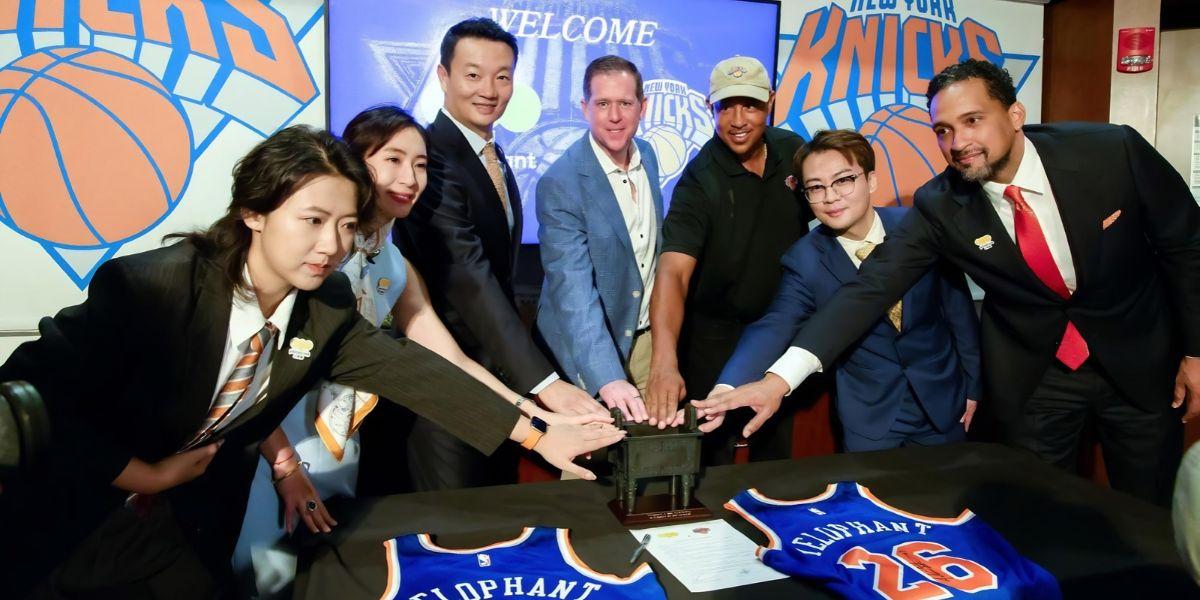
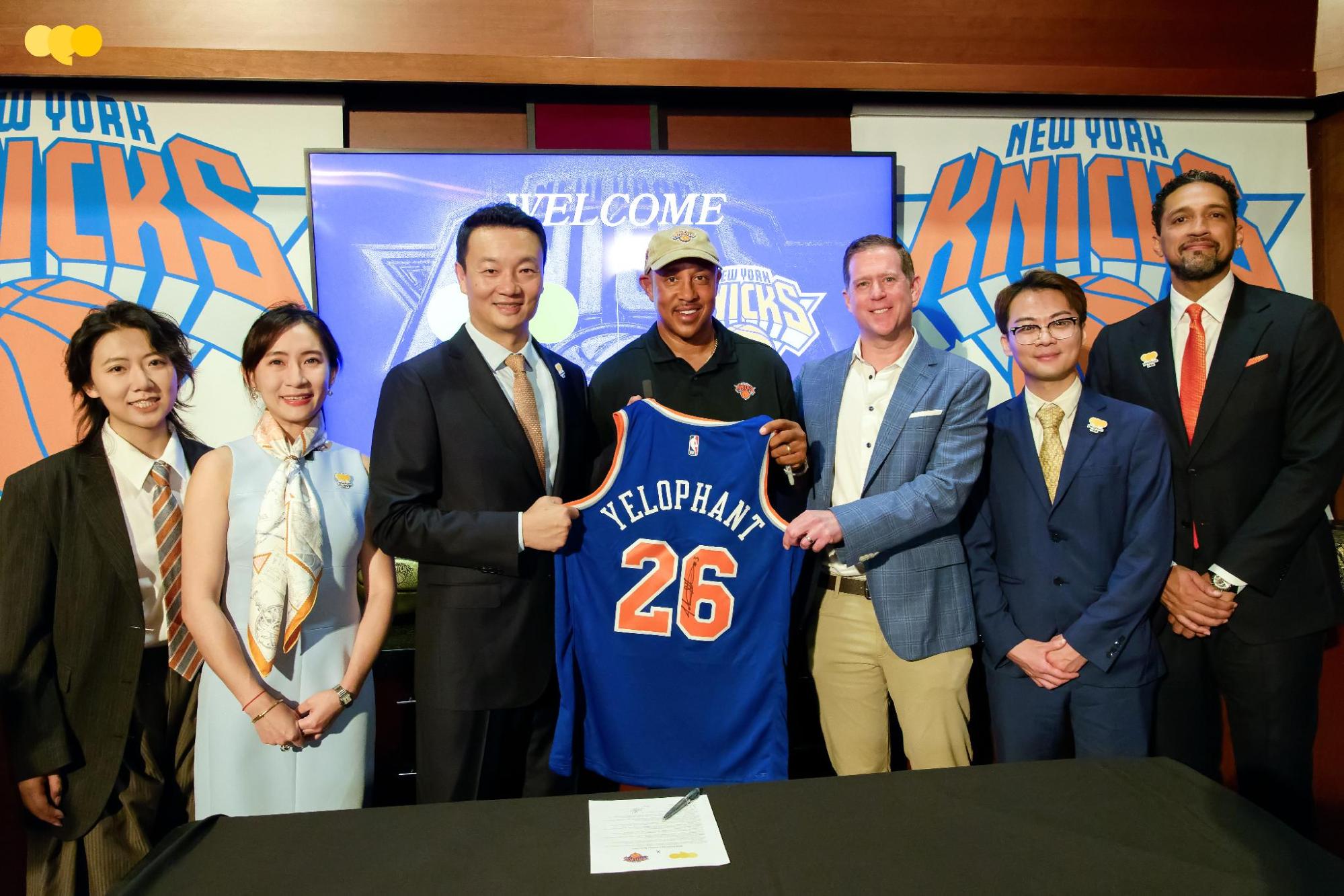
October 19, 2026, YELOPHANT and the New York Knicks, the 2025–26 NBA champions, today announced a strategic partnership naming YELOPHANT an Official Partner of the team and designating its products as an Official Pre-Packaged, Ready-to-Heat Asian Breakfast Product of the New York Knicks.

The agreement was signed on August 25, 2026, at Madison Square Garden (MSG) in New York. Doug Jossem, EVP Global Partnerships, and Rachel Lin, Executive Vice President, International Business, YELOPHANT, delivered remarks and signed the agreement on behalf of the two parties

The agreement marks the Knicks’ first major partnership with a China-based company to include international marketing rights. A centerpiece of the collaboration is Fuel the Future Week, presented by YELOPHANT, which will take place in China this fall. The weeklong community initiative will feature programs designed to encourage more young people to participate in sports.

The partnership reflects the growing importance of community sports programs in China, particularly among young fans and families. Through basketball, wellness and shared cultural experiences, YELOPHANT and the Knicks aim to strengthen connections with local communities and create more opportunities for fans to engage with the team beyond game day.

Under the partnership, MSG’s suites and hospitality spaces will offer dedicated YELOPHANT menus. Guests from around the world, as well as athletes with exacting expectations for food quality and nutrition, will be able to enjoy a range of the brand’s products. YELOPHANT aims to meet the dining needs of different audiences with foods that combine flavor and nutrition. The same products are also available through retail channels for families to purchase.

Photo Courtesy: Yelophant and MSG Sports / Jack Lee

“We’re honored to partner with the New York Knicks. For us, this partnership is really about the next generation and helping more young people and families live healthier, more active lives,” YELOPHANT said in a statement. “We’re excited to bring the energy of Knicks basketball to more families and young people in China, and at the same time introduce Yelophant and Asian breakfast to more people at Madison Square Garden and beyond.

“As Yelophant grows in the U.S., we want to make good food that fits naturally into people’s everyday lives. Food and basketball are very different, but they both bring people together. That’s what makes this partnership meaningful to us.”

“This partnership with Yelophant marks a major milestone for the partnerships family at Madison Square Garden Sports,” said Doug Jossem, Executive Vice President, Global Sports and Entertainment Partnerships, MSG Entertainment. “Bringing the Knicks brand internationally to China this season, and Yelophant internationally to the United States and New York, will be invaluable for both brands in not only expanding awareness and introducing product to untapped audiences, but also providing new opportunities for existing ones.”

About Madison Square Garden Sports Corp

Madison Square Garden Sports Corp. (MSG Sports) is a leading professional sports company whose portfolio includes the New York Knicks (NBA), the New York Rangers (NHL) and two development league teams: the Westchester Knicks (NBA G League) and the Hartford Wolf Pack (AHL). The company also operates the MSG Training Center in Greenburgh, New York, a training facility for professional sports teams.

More information is available at msgsports.com.

About YELOPHANT

YELOPHANT is a next-generation nutrition brand dedicated to bringing athlete-level nutritional standards to everyday foods for families. Founded in China in 2020, the brand entered the United States in 2025. Starting with family breakfast, YELOPHANT combines nutritional science with culinary innovation to create convenient, great-tasting foods for modern lifestyles.

Photo Courtesy: Yelophant / Jack Lee

YELOPHANT has built a broad consumer base in China and is expanding in the United States through regional retail, e-commerce, and strategic partnerships. The brand is also an official sponsor and product provider of China’s national U16–U17 men’s basketball team and U18 ice hockey team, reflecting its long-term commitment to nutrition, sports and the development of the next generation.

Guided by the belief that better nutrition should be part of everyday life, YELOPHANT is working to make high-quality nutrition more accessible and enjoyable for people of all ages, while building a trusted global brand for the next generation. More information is available at yelophant.com 

SZN Esports Creates New Era of Fortnite Esports and Creator Development

Founded by Hudak, SZN Esports is a growing Fortnite organization focused on helping players and content creators achieve their goals, build their brands, and unlock new opportunities in the gaming industry.

As the Fortnite esports community continues to evolve, success is no longer limited to competitive performance. Content creation, social media growth, and personal branding have become important parts of building a career in gaming. SZN Esports aims to bring these opportunities together by providing players and creators with the resources, guidance, and support they need to grow.

Founded by Hudak

SZN Esports was founded by Hudak, a Fortnite content creator who has independently built a substantial online audience. His YouTube channel has surpassed 680,000 subscribers, while his TikTok has grown to more than 60,000 followers and his Snapchat to over 40,000 followers. Across his various channels, Hudak reports reaching more than 5 million people.

Having pursued Fortnite content creation since 2023, Hudak understands the challenges of building an audience, developing content ideas, and establishing a recognizable brand. After growing his platforms largely on his own, he created SZN Esports to help others access guidance and support that he had to learn to navigate independently.

His goal is to turn his experience into opportunities for players and creators looking to take their next steps in the industry.

Helping Players and Creators Grow

SZN Esports is built around the idea that every member should have the opportunity to develop their own path. Whether an established creator wants to improve their content or a competitive player wants to begin streaming, the organization aims to provide support tailored to those ambitions.

Its offerings include:

  • Content ideation and strategy: Guidance on developing content ideas and building a stronger online presence.
  • Video editing and graphic design: Creative support to help improve content quality and branding.
  • Industry guidance: Assistance and insights from people with experience in the gaming and content creation industries.
  • Platform support: Help navigating social media and gaming platforms, pursuing desired usernames, and accessing available support connections.
  • Verification assistance: Guidance through social media verification processes, subject to each platform’s requirements and final decisions.

SZN Esports does not guarantee specific outcomes, such as verification approval, username availability, or audience growth. Instead, its focus is on providing resources and guidance that help members work toward their goals.

Building the Future of Fortnite

SZN Esports aims to be more than a competitive team. Its vision is to create an organization where players can develop their competitive skills while exploring content creation, and where creators can strengthen their brands with the right support behind them.

Under Hudak’s leadership, SZN is working toward building a community centered on ambition, development, and opportunity. By combining competitive gaming with creator-focused resources, the organization hopes to help its members grow both inside and outside Fortnite.

SZN Esports is built on one mission: helping players and creators achieve more than they could alone.

Learn more at sznesports.com or on their socials below:

TikTok: https://www.tiktok.com/@sznorg

YouTube: https://youtube.com/@sznorganization

Instagram: https://www.instagram.com/sznorg

X/Twitter: https://x.com/sznorganization