
By: Eva Keller
In an industry racing toward instant approvals and one-click financing, Zenon Olbrys makes the case for taking a few extra minutes.
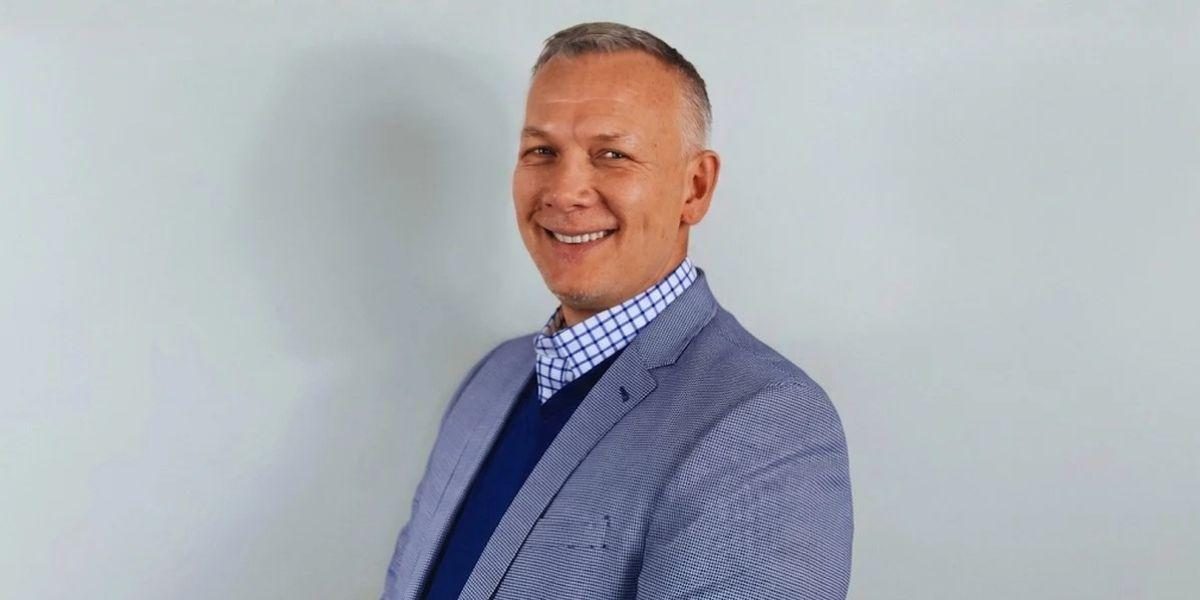
As CEO of Microf, an Atlanta, Georgia-based company providing lease-to-own options for HVAC and water heater replacements, Olbrys sees value in a step that much of the industry is trying to eliminate: a conversation with the customer.
He calls it “good, or necessary, friction.”
The idea is straightforward. A credit approval means little if the customer does not understand the product, is uncomfortable with the terms, or leaves with unanswered questions. A few minutes on the phone can turn uncertainty into understanding, and understanding into a decision.
“That friction is what turns into nurturing,” Olbrys said.
For Microf’s customers, that distinction matters. The company serves homeowners who have been declined by traditional lenders, a group Olbrys estimates represents roughly 40 percent of applicants in the credit environment he described. These homeowners still need heating, cooling, and hot water. A financing decline does not make the need disappear.
Microf looks beyond a conventional credit score, evaluating factors such as cash flow, debt-to-income ratios, and the cost of the equipment relative to household income. Historically, Olbrys said, that approach has allowed the company to approve approximately 70 to 75 percent of applicants, although approval rates have moderated as credit conditions have tightened.
The lease-to-own structure helps make that possible. Microf retains ownership of the equipment during the lease, with ownership transferring to the customer once the applicable purchase requirements are met. That structure allows the company to serve homeowners who may not qualify for a traditional loan.
But it also introduces a product many customers have never used.
“People know what loans are. People don’t know what leases or LTOs are,” Olbrys said.
A homeowner who expected a loan may hesitate when offered a lease-to-own option. That hesitation is not necessarily a rejection of the payment or the terms. Sometimes, it is simply a request for an explanation.
Automation can deliver a decision in seconds. A conversation can explain what that decision means.
For Olbrys, the same interaction also supports better risk decisions. Asking questions, verifying information, and understanding the customer’s circumstances can help the company assess whether the arrangement makes sense for both sides.
“The better you know your customer, the more comfortable you will be that you’re taking a good credit risk,” he said.
Olbrys is not arguing against automation. He recognizes the value of fast decisions and the familiar industry principle that the second-best thing to a quick yes is a quick no. His point is that speed should serve the customer and the business. It should not become the only measure of success.
Microf’s approach leaves room for technology and personal attention. The company is willing to spend time helping homeowners understand the product and helping contractors guide customers through the process.
That conversation has become more important as HVAC replacement costs have risen. Since entering the industry in 2020, Olbrys said, he has seen average system costs increase by more than 50 percent, outpacing income growth for the customers Microf serves.
For contractors, his advice is direct: lead with the monthly payment.
“The question is, is it easier to have a conversation about a $10,000 unit or a $290 a month payment?” he said.
Auto dealers have long understood the importance of the monthly payment. Olbrys believes HVAC contractors should give it the same attention, while clearly explaining the full terms and total cost. A homeowner needs to understand both the commitment and how it fits into the household budget.
In his experience, keeping payments below roughly $300 a month can make the conversation more workable for many customers. The payment is not the whole decision, but it is often where the decision begins.
His broader message to contractors is to keep adapting. In a slower market, homeowners may postpone discretionary remodeling while still needing repairs, maintenance, and essential replacements. Contractors who respond to those priorities and offer a practical payment option give themselves more opportunities to win the work.
“Have the fortitude to keep going,” he said.
“Good friction” is ultimately a business judgment: knowing when an extra step adds value. For Microf, a short conversation can help a homeowner understand an unfamiliar product, help a contractor complete a sale, and help the company make a better risk decision.
Sometimes, taking a few extra minutes is what moves the transaction forward.
Disclaimer: This article is for informational purposes only and does not constitute financial or professional advice. Readers are encouraged to conduct their own research and consult a qualified professional before making any financial decisions.