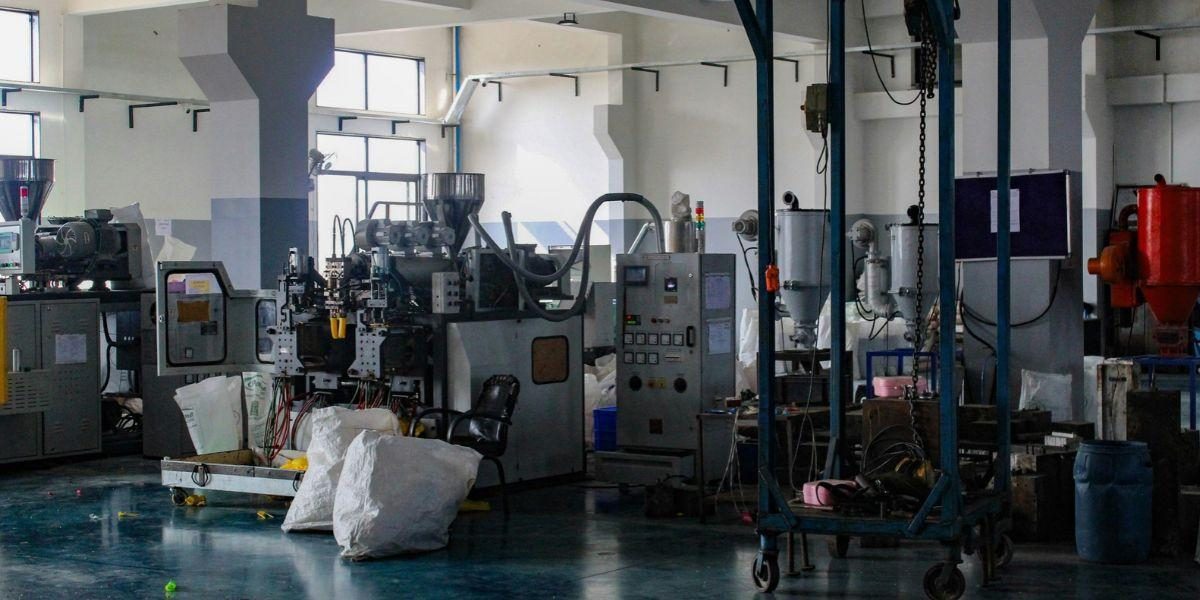

Medical manufacturing relies on precision, consistency, and carefully controlled production processes. Many healthcare products contain plastic components that must meet specific requirements for dimensions, durability, chemical compatibility, and cleanliness. From diagnostic equipment housings to specialised device components, these parts often require manufacturing methods capable of producing complex shapes at scale. Medical plastic injection molding companies play an important role in meeting these manufacturing demands.
As medical technology develops and manufacturers refine their production processes, the selection of materials, tooling methods, and quality control procedures has become an important consideration throughout product development.
What Is Medical Plastic Injection Molding?
Medical plastic injection molding is a manufacturing process in which heated plastic material is injected into a mould cavity, cooled, and removed as a finished component. The process can produce parts with detailed geometries and consistent dimensions when the tooling, materials, and processing conditions are properly controlled.
In healthcare manufacturing, injection molding may be used to produce housings, handles, connectors, instrument components and parts for diagnostic or fluid-handling equipment. The suitability of a component depends on its intended application and the specifications established by the device manufacturer.
Unlike general-purpose plastic production, medical applications can involve additional considerations, including material traceability, cleanliness, dimensional tolerances and documented quality procedures. Requirements vary according to the type of device, its intended use, and the regulations applicable to the finished product.
Why Material Selection Matters
Selecting the correct polymer is a fundamental stage of medical component development. Different plastics have different mechanical, thermal and chemical properties, making some materials more appropriate than others for particular applications.
For example, polycarbonate may be considered where impact resistance and transparency are important. Polypropylene is used in various applications because of its chemical resistance and processing characteristics, while specialised engineering polymers may be selected for components exposed to demanding temperatures or mechanical stresses.
Material selection must also account for the possibility of contact with patients, medicines, cleaning agents or bodily fluids. Where applicable, manufacturers need to assess biocompatibility and the effects of processing, ageing and sterilisation on the material.
A plastic described as medical-grade should not automatically be assumed suitable for every medical device. Its suitability depends on the specific grade, intended use, available supporting documentation and relevant testing requirements.
The Importance of Precision and Quality Control
Medical components frequently require close dimensional control because they may need to fit with other parts or perform a defined mechanical function. Small variations in dimensions, material properties, or moulding conditions can affect assembly and product consistency.
Medical plastic injection molding companies use tooling design, process monitoring, and inspection procedures to manage manufacturing variation. Depending on the component, quality checks may include dimensional measurements, visual inspections, material verification, and functional testing against established specifications.
Production documentation can also help manufacturers trace materials, identify processing batches and investigate problems when they arise. The level of traceability required depends on the product and the applicable quality system.
Quality management is not limited to inspecting finished parts. Reviewing mould design, validating manufacturing processes where required, and maintaining consistent production conditions can help identify potential problems before large quantities are produced.
Applications Across Healthcare Manufacturing
Injection-moulded plastics are used in a wide range of medical and healthcare products. Diagnostic equipment may contain moulded housings, structural supports and connectors. Medical instruments can incorporate plastic handles, protective covers and components designed to fit together with other materials.
Fluid-handling systems may use moulded parts that direct or contain liquids, while filtration equipment can incorporate specialised plastic supports and housings. The requirements for these components vary according to their operating conditions and intended functions.
Some products also require multiple manufacturing processes. Overmolding can combine different materials in one component, while insert molding incorporates items such as metal fittings into a moulded plastic part. Additional operations, including printing, welding and assembly, may be necessary to produce a completed component or subassembly.
These methods can simplify certain designs, but their suitability must be evaluated according to material compatibility, manufacturing complexity and performance requirements.
Regulatory Considerations and Manufacturing Standards
Medical device manufacturing operates within regulatory frameworks designed to support product safety, quality and accountability. Requirements depend on the markets served, the classification of the device and the responsibilities of the organisations involved.
For companies supplying components to medical device manufacturers, it is important to understand the customer’s documentation, traceability and quality requirements. ISO 13485 is a quality management system standard specifically associated with medical devices, while ISO 9001 addresses quality management more broadly.
Certification to a quality management standard should not be confused with regulatory approval of an individual medical device. Similarly, a component’s manufacturing process alone does not establish that the finished device meets every applicable regulatory requirement.
Manufacturers should confirm relevant certifications, process controls, and documentation directly with prospective suppliers and evaluate whether these arrangements match the needs of their project.
How Companies Evaluate a Medical Molding Partner
Selecting a manufacturing partner involves assessing more than production capacity. Companies should consider experience with the relevant polymer, tooling complexity, expected production volumes, and the inspection methods required for the component.
Early collaboration between design engineers and molding specialists can help identify manufacturing challenges before tooling is finalised. Factors such as wall thickness, draft angles, material shrinkage and part geometry may influence mould performance and finished-part consistency.
Businesses may also evaluate whether a supplier can provide additional services, such as insert molding, overmolding, machining and assembly. Consolidating suitable production stages with one supplier can simplify coordination, although the decision should account for cost, quality responsibilities and supply-chain risk.
PMC Plastics is one example of a manufacturer that provides medical plastic injection molding and related component manufacturing services. Its published information describes engineered resin selection, moulding processes, and additional fabrication capabilities relevant to medical manufacturing. These details provide a starting point for understanding the types of services available in this sector.
Supporting Quality Manufacturing
Medical plastic injection molding supports the production of components used across diagnostic equipment, medical instruments and other healthcare applications. Successful manufacturing depends on choosing appropriate materials, controlling production processes, and maintaining documentation that supports consistent quality.
By assessing technical expertise, material suitability, inspection procedures, and applicable quality requirements, medical device manufacturers can make informed decisions about their production partners. Careful planning from the design stage onwards helps align component manufacturing with the practical and regulatory demands of modern healthcare.
Disclaimer: This article is for informational purposes only and should not be considered professional advice. Readers are encouraged to conduct their own research and consult qualified professionals before making any decisions.